The Irreplaceable Human: What AI Can Never Replicate

By Futurist Thomas Frey

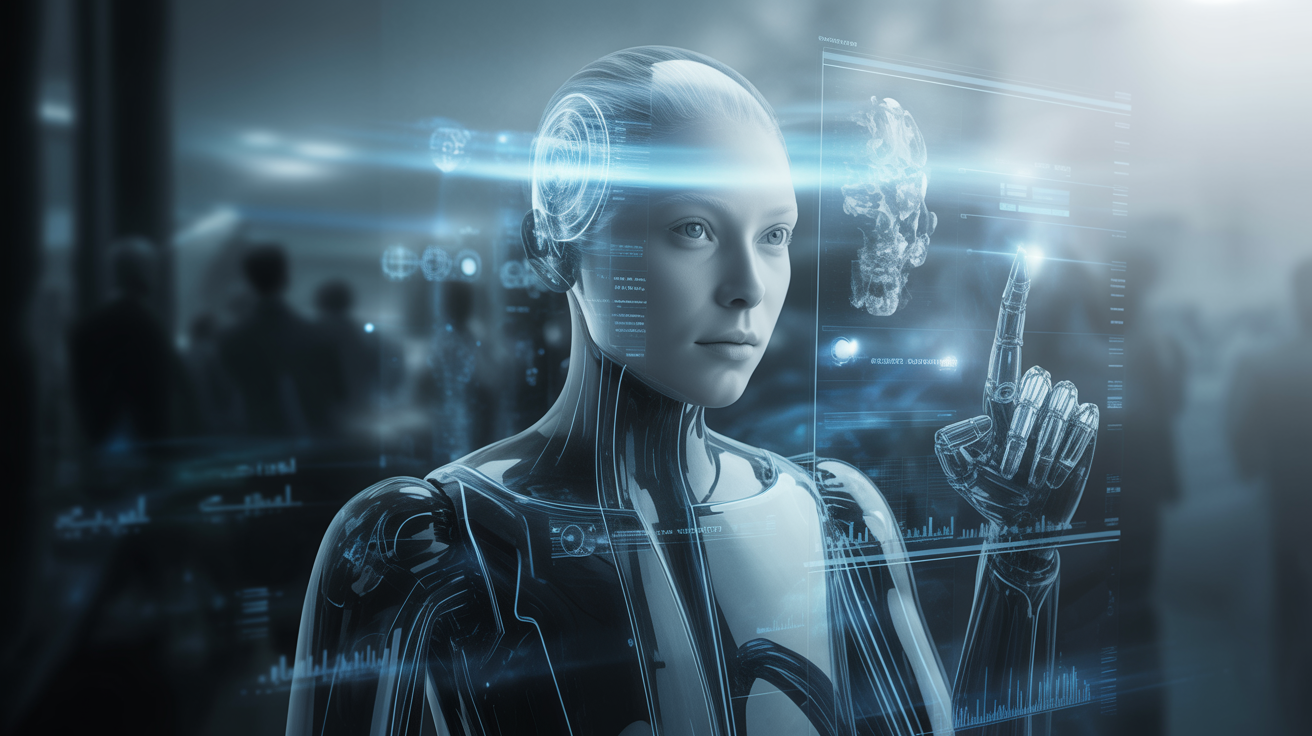
For centuries, every wave of automation has promised to free humans from labor. But artificial intelligence doesn’t just threaten to automate work—it challenges our understanding of what it means to be human. AI can already outperform us in memory, pattern recognition, optimization, translation, and reasoning under uncertainty. It learns faster, scales infinitely, and never tires. Yet beneath all that capability lies an unbridgeable chasm—AI’s fundamental lack of consciousness, embodiment, mortality, and meaning. These are not design flaws. They are what separate intelligence from existence.

The next two decades will not be defined by whether AI can replace us, but by how we define what it cannot. We stand at the threshold of a civilization where machines think, but do not feel. Where algorithms can simulate love, empathy, or fear, but never experience them. In a world dominated by synthetic intelligence, the rarest resource will not be more processing power—it will be genuine humanity.

Continue reading… “The Irreplaceable Human: What AI Can Never Replicate”
The Shared Body Era: When One Mind Controls Another’s Hands

By Futurist Thomas Frey

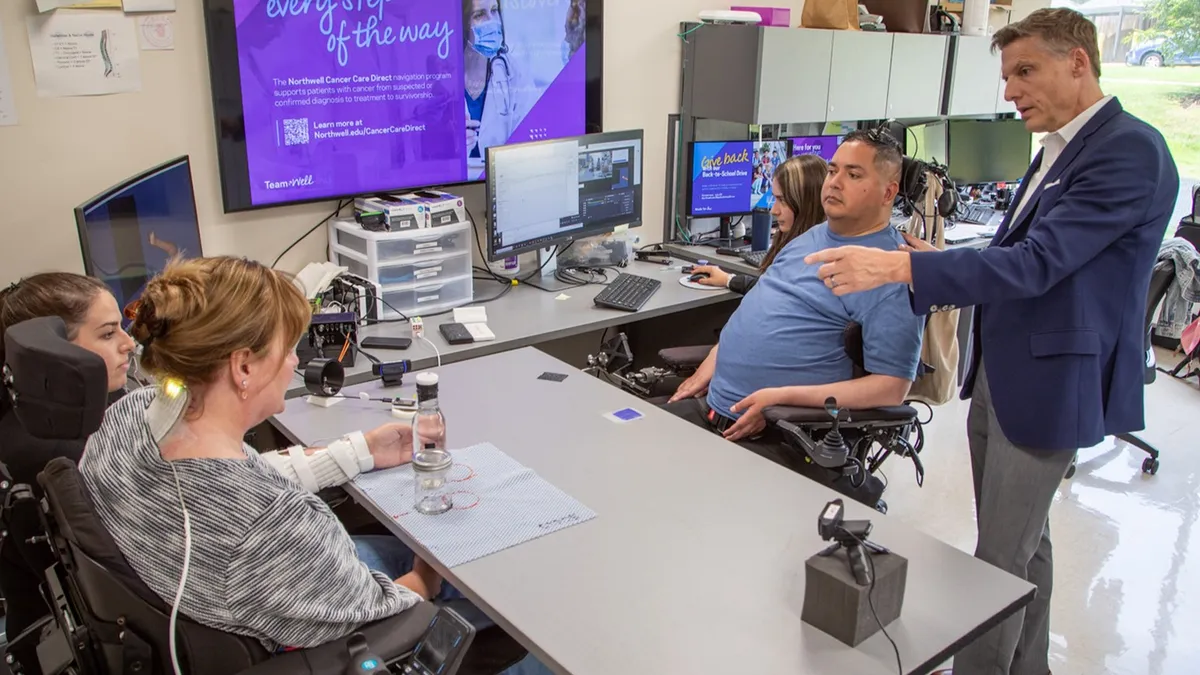
In 2040, medicine and robotics no longer focus solely on restoring independence—they’re reinventing the concept of embodiment itself. The line between “my body” and “your body” is starting to blur. The latest breakthrough came from the Feinstein Institutes for Medical Research, where a paralyzed man named Keith Thomas, who lost all sensation and movement after a spinal cord injury, regained not only touch and control of his own hands—but the ability to feel and move through someone else’s.

When Thomas dives into thought, his brain implant translates neural intention into electrical commands that travel wirelessly into electrodes placed on another person’s limbs. The result? He can move another person’s hands with the same precision as his own—and even feel what they touch.

Continue reading… “The Shared Body Era: When One Mind Controls Another’s Hands”

The End of Prescription Eyeglasses

By Futurist Thomas Frey

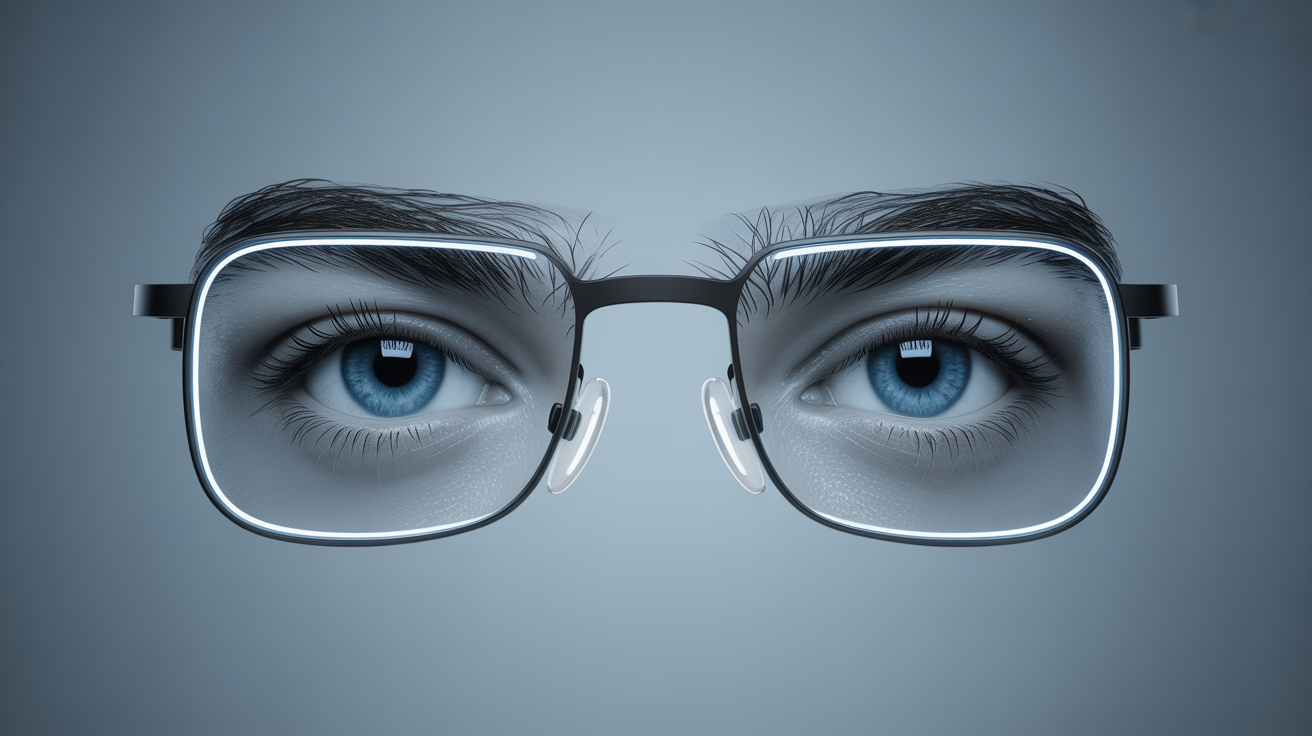
In 2025, a quiet revolution began among the 1%—not the financial elite, but the optical pioneers. Around one percent of people with vision problems stopped wearing prescription glasses. Not because of surgery, not because of LASIK, but because of something entirely new: AI-powered adaptive eyewear. These early adopters wore glasses with electrochromic lenses—microscopic layers that change their optical properties in milliseconds, dynamically adjusting focus based on what the wearer is looking at. Screen text two feet away? Instantly crisp. A road sign a hundred meters down the highway? Instantly refocused. No bifocals. No progressive lenses. No need to swap glasses. The experience was seamless, automatic, and profoundly liberating. Most early adopters described it the same way: “I forgot I even had vision problems.”

By 2040, the technology has matured—and prescription glasses as we once knew them are gone. The optical industry has shifted from static correction to dynamic enhancement. Instead of lenses that passively bend light, we now have adaptive optics—intelligent systems that actively optimize vision in real time.

Continue reading… “The End of Prescription Eyeglasses”

The Most Valuable People in 2040 will Be… Irreducibly Human

By Futurist Thomas Frey

By 2040, the most valuable people in society are not the engineers who built the machines—but the humans who remember why they were built in the first place. As artificial intelligence conquers cognition, optimization, and automation, the premium shifts from technical intelligence to existential intelligence. The winning skill set is not about doing what AI does faster or cheaper—it’s about mastering what remains irreducibly human.

Continue reading… “The Most Valuable People in 2040 will Be… Irreducibly Human”

Invisible Warriors: When Immune Cells Vanish into the Body to Slay Cancer

By Futurist Thomas Frey

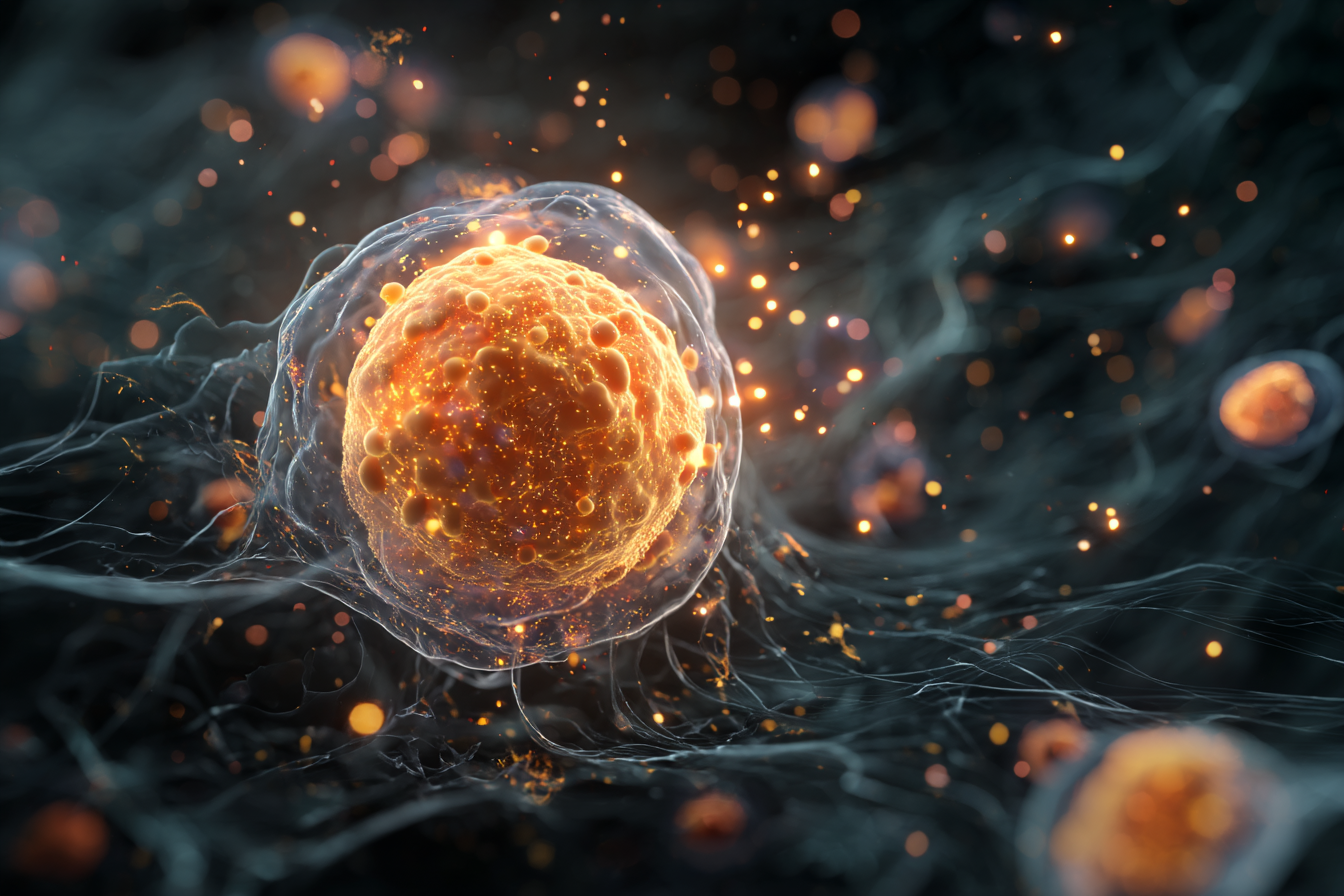
In a laboratory somewhere between audacity and necessity, researchers at MIT and Harvard have reprogrammed natural killer (NK) cells to become “invisible”—able to slip past the body’s own defenses and annihilate cancer with ruthless precision. These engineered CAR-NK cells don’t just confront tumors; they duck under the radar of immune rejection. Tested in humanized mice, they wiped out cancers while avoiding dangerous immune reactions. This isn’t incremental immunotherapy—it’s a step toward internal assassination of disease.

Continue reading… “Invisible Warriors: When Immune Cells Vanish into the Body to Slay Cancer”

The Rise of Mechanochemical Recycling

By Futurist Thomas Frey

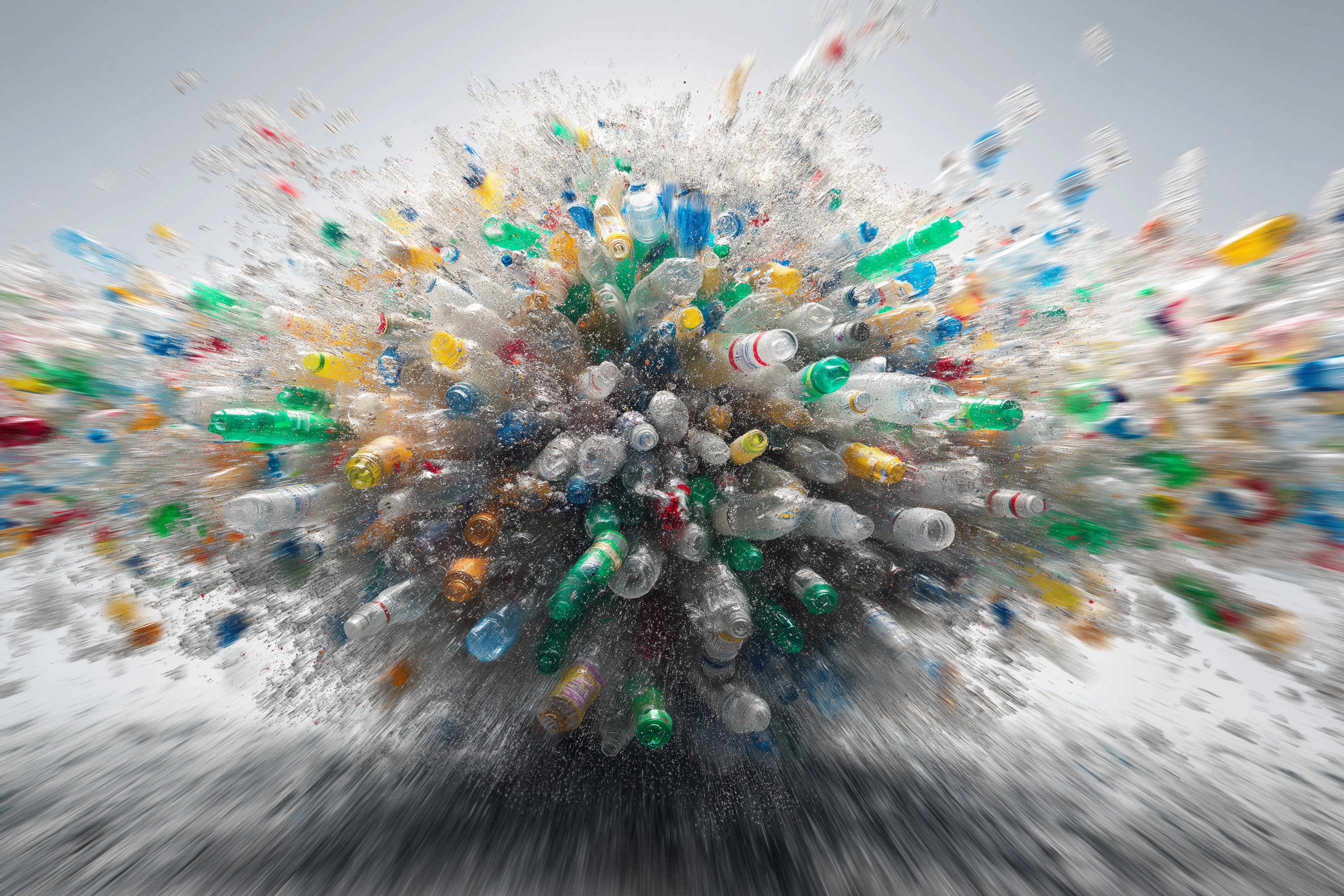
A quiet revolution is underway—one that may finally make plastic recycling truly circular. At Georgia Tech, scientists have pioneered a mechanochemical process to break down PET plastics without heat or solvents, using mechanical force alone. This method cracks the bonds by applying tension, shear, and compression in ball mills—turning waste back into raw materials for new plastics. The breakthrough: no toxic chemicals, lower energy input, and high selectivity.

The implications are vast. Today’s recycling systems often fail because mixed plastics, contamination, and the need for solvents or high-temperature reactions make reclamation costly and inefficient. But this mechanochemical method sidesteps those constraints. The mechanical impact momentarily liquefies local polymer segments, enabling depolymerization under mild conditions. No vats of acid, no thermal cracking at 600 °C, no massive separation steps.

Continue reading… “The Rise of Mechanochemical Recycling”

Voluntary Childlessness vs. Pro-Natalism: The Fertility Wars

By Futurist Thomas Frey

By 2040, humanity will have entered a new kind of ideological battle—one not fought over territory, ideology, or economics, but over whether the species itself should continue reproducing. Birth rates across the developed world have fallen to unprecedented lows—hovering between 0.8 and 1.1 children per woman, far below the 2.1 replacement level. The result isn’t just slower growth—it’s population collapse. Entire nations are now running out of young people. Pension systems are imploding, labor shortages are endemic, and the age pyramid has inverted so dramatically that some cities have more citizens over 80 than under 20. Civilization’s scaffolding—its schools, armies, and economies—was built for societies that replaced themselves. That world is vanishing.

Continue reading… “Voluntary Childlessness vs. Pro-Natalism: The Fertility Wars”

When the Rescue Doesn’t Wait: Germany’s Disaster-Response Robot Redefines First Aid

By Futurist Thomas Frey

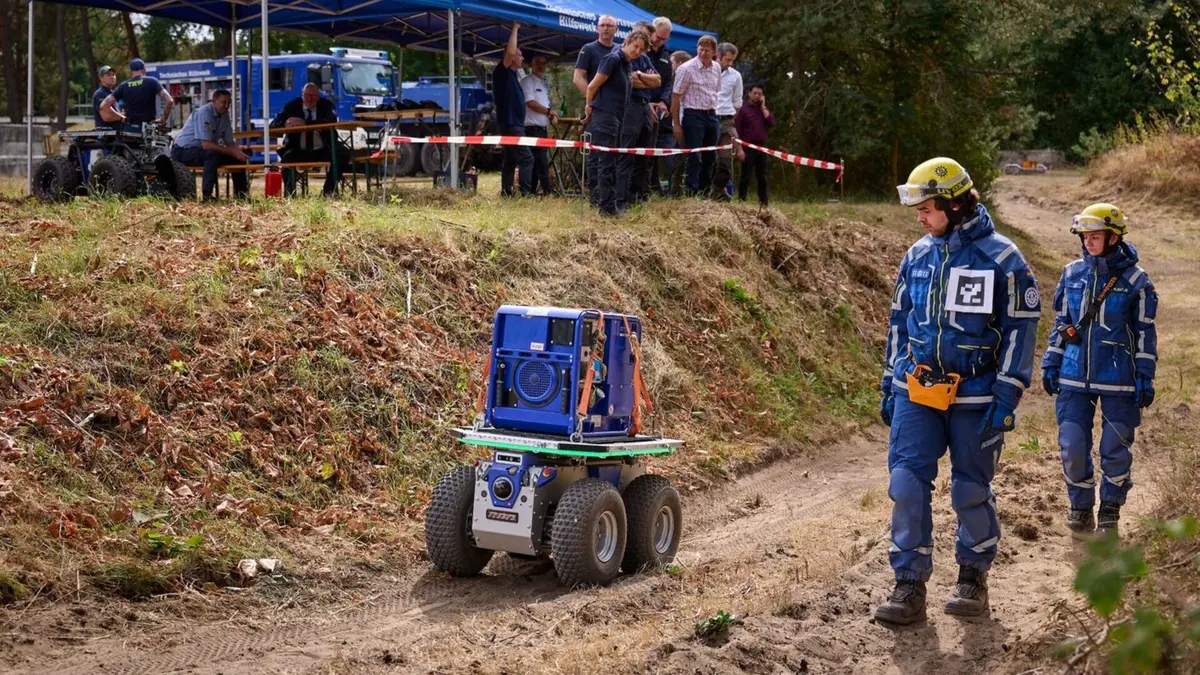
In a world where disasters strike without warning, the difference between life and death often relies on seconds. German engineers have now unveiled a robot explicitly engineered for disaster response—capable of entering rubble, traversing unstable terrain, sensing survivors, and operating autonomously or semi-autonomously under chaotic conditions. This isn’t just a better drone or remote tool—it’s the next generation of first responder.

Rescue robots have existed for decades—but they’ve always been handicapped by trade-offs: limited mobility, fragile sensors, weak decision logic, or dependence on constant human oversight. The new German design pushes those limits. It uses multi-modal sensing (lidar, thermal, acoustic), dynamic locomotion legs and tracks, built-in AI for pathfinding in shifting debris fields, and modular tools—cutters, cameras, medical deployers—swappable in the field.

Continue reading… “When the Rescue Doesn’t Wait: Germany’s Disaster-Response Robot Redefines First Aid”

The House That Prints Itself: Australia’s Robot Home Heralds the End of Building as We Know It

By Futurist Thomas Frey

A silent revolution is unfolding on the suburban fringes of Australia—one that may rewrite not just architecture, but home, belonging, and what it means to shelter a life. A new autonomous robot prototype is 3D-printing a full-sized home, layer by layer, with minimal human intervention. If successful, it’s not just a novelty—it’s the blueprint for a future where houses build themselves.

This robot-printed home isn’t science fiction. It promises to reduce construction time from months to days, drastically cut labor costs, and enable tailored designs that adapt to local context. Imagine giving the command—“build me a three-bedroom home with this layout, these light wells, this insulation—and robots execute it.”

Continue reading… “The House That Prints Itself: Australia’s Robot Home Heralds the End of Building as We Know It”

The Factory of the Future: China’s 3D-Printed Drugs Signal a New Pharma Era

By Futurist Thomas Frey

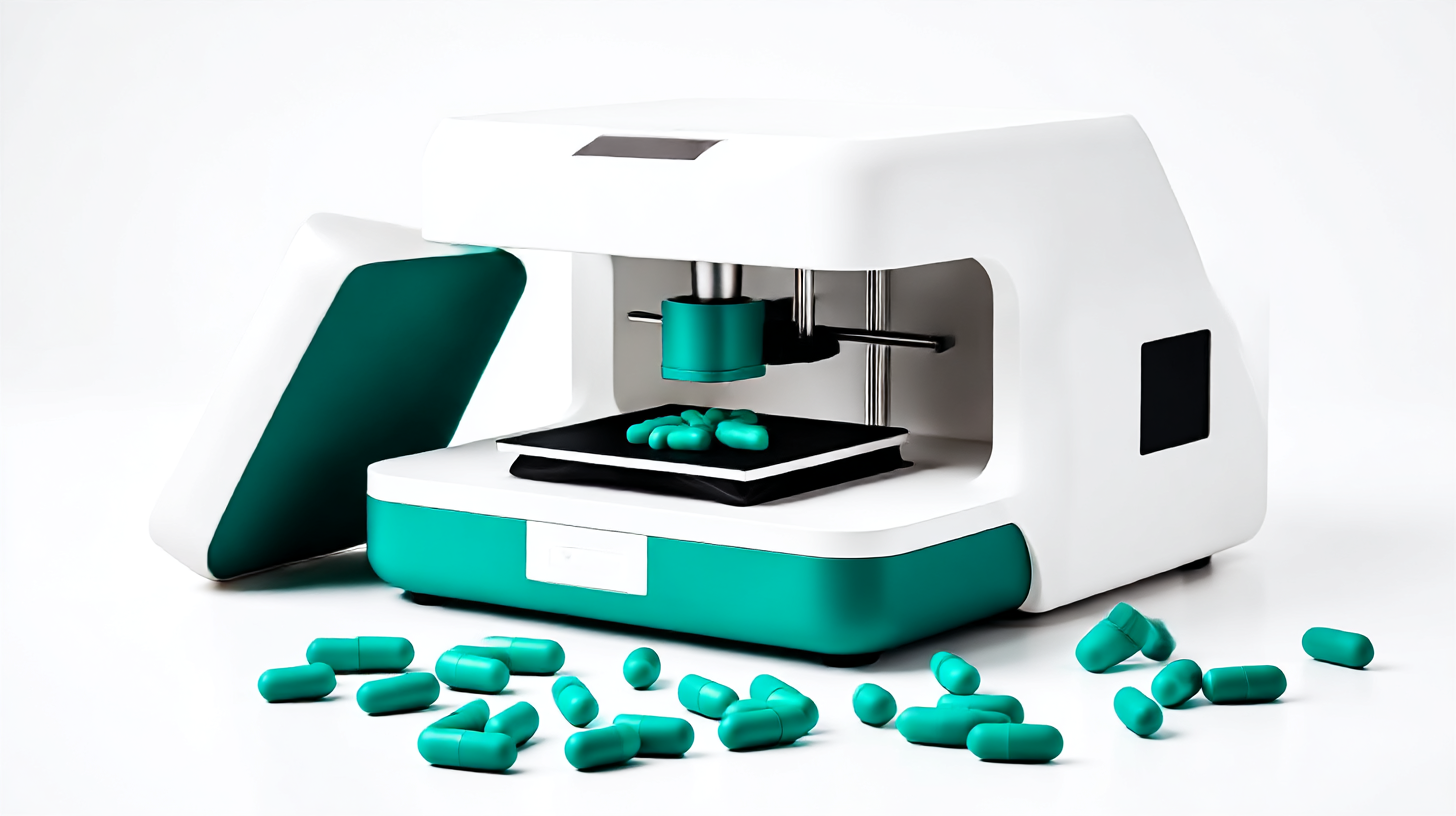
In Nanjing, China, a factory is rising—not built from conveyor belts, tanks, and mixing vats, but from rows and rows of printers. A new pharmaceutical facility is poised to produce up to 300 million tablets per year, using additive manufacturing techniques to craft each pill layer by layer. This is no laboratory experiment—it’s being billed as the world’s largest 3D-printed drug factory.

Triastek, the company behind this facility, is cutting out many of the steps traditional pharma companies cling to: no mixers, no complex coating lines, no separate granulation or compression machines. Instead, they rely on a digitized, traceable, printer-based process that leverages hundreds of thousands of monitoring points to “draw” internal structures, dissolution pathways, and timed-release mechanisms.

Continue reading… “The Factory of the Future: China’s 3D-Printed Drugs Signal a New Pharma Era”

The Dinner That Rewired a City: How 3,400 Strangers in Littleton Point to the Future of Local Civilization

By Futurist Thomas Frey

On an ordinary late-summer evening in Littleton, Colorado—a quiet suburb of 42,000 people—something extraordinary happened. Seven percent of the city showed up to dinner. (Photo Credit: Steve Slocomb Photography)

No protests, no politics, no speeches. Just tables stretching down Main Street, hundreds of conversations, and thousands of people rediscovering something that once defined communities but has all but vanished from modern life: the simple act of breaking bread together.

It may sound quaint, but this is how revolutions begin—not with hashtags or global summits, but with neighbors deciding to show up, sit down, and talk like human beings again.

Continue reading… “The Dinner That Rewired a City: How 3,400 Strangers in Littleton Point to the Future of Local Civilization”

The Universal Organ Revolution: When Blood Types Stop Being Barriers

By Futurist Thomas Frey

A new frontier in transplant medicine has just cracked one of its most entrenched constraints: blood type compatibility. Scientists have successfully converted a donor kidney’s blood type from A to O before transplantation, dramatically shrinking the barriers that prevent thousands from getting the organs they need. IFLScience

This isn’t incremental progress. It’s a glimpse of a future in which universal organs are the norm, not the exception—and where the mismatch between donor and recipient becomes an artifact of the past.

Continue reading… “The Universal Organ Revolution: When Blood Types Stop Being Barriers”
Discover the Hidden Patterns of Tomorrow with Futurist Thomas Frey
Unlock Your Potential, Ignite Your Success.

By delving into the futuring techniques of Futurist Thomas Frey, you’ll embark on an enlightening journey.

Learn More about this exciting program.