

The strongest materials of the last century were discovered with hammers, furnaces, and patience. The strongest materials of the next century will be discovered with prompts. In labs where lasers etch features thinner than a red blood cell and algorithms hunt Pareto fronts, researchers have now taught artificial intelligence to design a carbon nanolattice that carries the compressive punch of carbon steel while weighing about as much as Styrofoam. That is not a metaphor. It’s a new class of matter—architected by code, born in light, and refined in heat—that could remake aerospace, mobility, construction, sport, and any place where every gram and every Newton matter.
Continue reading… “AI-Engineered Nanolattices: Stronger Than Steel, Lighter Than Foam”The Rise of the Founder-Creator-Investor: The New Power Model of Entrepreneurship

For decades, founders, creators, and investors have lived in separate worlds. Founders built companies. Creators built audiences. Investors wrote checks. Occasionally, the lines blurred—but rarely in a systematic way. That separation is ending. A new archetype is emerging, and it is set to rewrite the rules of entrepreneurship: the Founder-Creator-Investor (FCI).
This model isn’t about side hustlers dabbling in content or investors posting the occasional blog. It’s an operational system where three identities—operator, storyteller, and capital allocator—reinforce one another in a virtuous cycle. Each role magnifies the power of the others, creating an engine of influence and growth that traditional VCs, single-focus founders, and pure creators can’t compete with.
Continue reading… “The Rise of the Founder-Creator-Investor: The New Power Model of Entrepreneurship”The $1.8 Trillion Education Apocalypse: Why Traditional Universities Will Vanish Faster Than Blockbuster

By Futurist Thomas Frey
The $1.8 Trillion Lie That’s About to Implode
Here’s a prediction that will either make me look like a prophet or a madman by 2030: The traditional university system—with its ivy-covered buildings, tenured professors, and four-year degree programs—will become as irrelevant as typewriter repair shops, and the collapse will happen faster than anyone thinks possible.
I’m not talking about gradual decline or gentle evolution. I’m talking about sudden, catastrophic disruption that will leave educational administrators wondering what hit them. The signs are everywhere if you know how to read exponential curves, and the writing isn’t just on the wall—it’s spray-painted in neon colors across the entire facade of higher education.
The trigger? A perfect storm of artificial intelligence, blockchain verification, global connectivity, and economic desperation that’s about to make the newspaper industry’s collapse look like a gentle summer breeze.
Continue reading… “The $1.8 Trillion Education Apocalypse: Why Traditional Universities Will Vanish Faster Than Blockbuster”The First Personalized Spine Implant: 3D Printing Ushers in a New Era of Surgery

For decades, spinal surgery has walked a fine line between miracle and compromise. Surgeons could remove damaged discs, stabilize fragile vertebrae, and restore mobility—but always with standardized implants designed to fit “most people.” Patients were asked to adapt their unique anatomy to mass-produced devices, often at the cost of mobility, comfort, or repeat procedures. Now, that compromise may be over. In July 2025, UC San Diego Health achieved a milestone that signals the dawn of a new era: the world’s first cervical spine surgery with a fully personalized 3D-printed titanium implant.
Continue reading… “The First Personalized Spine Implant: 3D Printing Ushers in a New Era of Surgery”Breathing the Future: The First Pig Lung Transplant Into a Human
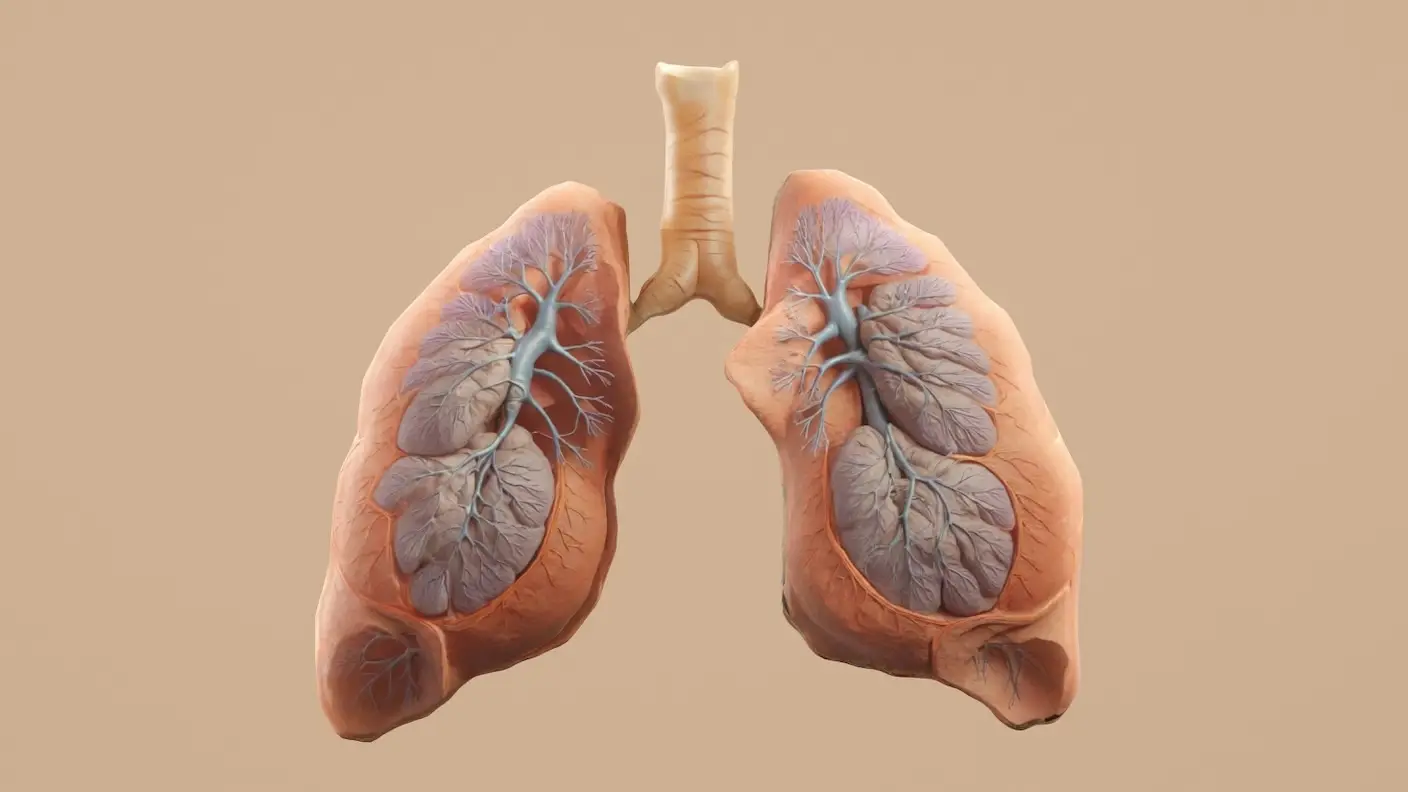
In medicine, some moments arrive that feel like science fiction made real. One of those moments just happened: scientists in China have transplanted a genetically engineered pig lung into a human body—and kept it alive for nine days. Reported in Nature Medicine, this milestone marks the first time a lung from another species has functioned inside a person, and while challenges remain, it signals a future where the global shortage of donor organs may no longer be a death sentence.
Continue reading… “Breathing the Future: The First Pig Lung Transplant Into a Human”The Day You Can “See” Stress With Your Smartphone

What if managing your stress was as simple as snapping a photo? For decades, cortisol—the body’s stress hormone—has been recognized as a central player in human health. It regulates blood pressure, metabolism, immune response, and even sleep cycles. When cortisol is out of balance, the ripple effects touch everything from heart disease to depression. Yet measuring it has always been a cumbersome process, trapped in the world of labs and clinical visits. Now, thanks to a breakthrough in protein design and smartphone integration, that barrier is about to fall.
Continue reading… “The Day You Can “See” Stress With Your Smartphone”The End of Chemo and Radiation? Stem Cell Transplants Enter a New Era

For decades, the road to a stem cell transplant has been paved with toxic compromise. Patients in need of lifesaving transplants have had to endure high-dose chemotherapy or radiation to clear out diseased bone marrow, trading one set of devastating risks for the hope of recovery. The harsh reality: many patients were too fragile to survive the very treatments meant to prepare them for healing. But a breakthrough at Stanford Medicine may mark the beginning of the end for this era. With an antibody-based approach, scientists are showing that stem cell transplants can be performed without toxic chemotherapy or radiation, opening doors to safer and more widely accessible cures.
Continue reading… “The End of Chemo and Radiation? Stem Cell Transplants Enter a New Era”Ice Batteries: Why the Future of Buildings May Be Frozen at Night

The idea sounds deceptively simple: use ice, one of the oldest cooling tricks known to humanity, to help power the future. But this isn’t about tossing cubes into your drink—it’s about freezing entire buildings. Researchers at Texas A&M University are refining “ice batteries,” thermal storage systems that could transform how cities manage energy, shifting demand from peak hours to off-peak times. It’s a vision where skyscrapers and homes alike chill themselves overnight and ride through the hottest hours of the day without straining the grid.
Continue reading… “Ice Batteries: Why the Future of Buildings May Be Frozen at Night”Goodbye IV Drips, Hello Injection Pens: The Future of Medicine in Seconds
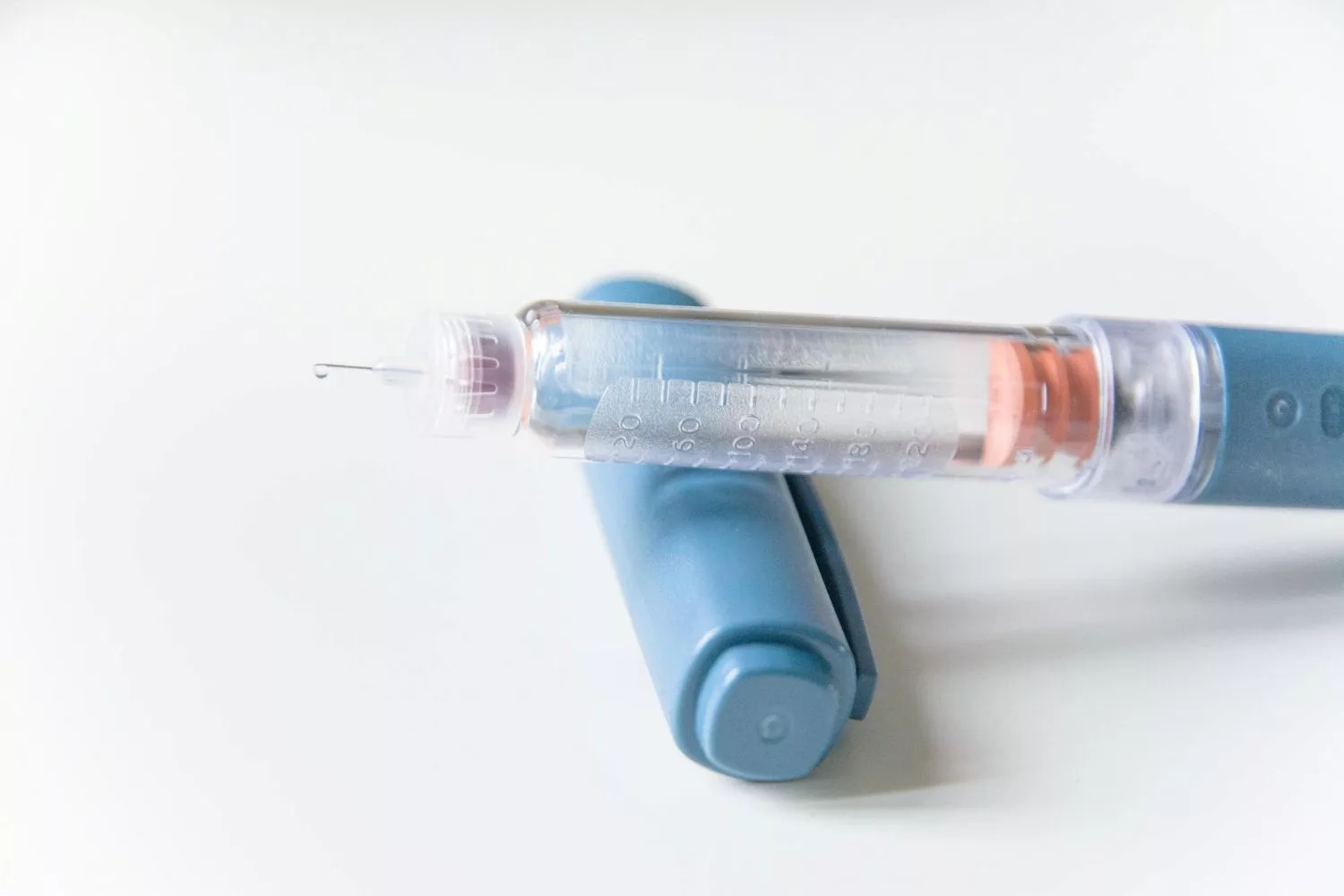
For more than a century, the IV drip has been a medical icon. A patient tethered to a bag of fluid, nurses carefully monitoring the slow infusion, hours passing as lifesaving drugs seep into the bloodstream. It is the picture of modern healthcare—but one that may soon vanish. Stanford researchers have developed a groundbreaking drug delivery platform that could replace IV drips with quick injections, turning long hospital stays into simple at-home treatments. If successful, this may mark the beginning of the end for one of medicine’s most familiar rituals.
Continue reading… “Goodbye IV Drips, Hello Injection Pens: The Future of Medicine in Seconds”The Future of Bunions: From Splints to Smart Bio-Corrections

For centuries, bunions—known medically as hallux valgus—have been an unavoidable source of discomfort for millions of people. The condition, where the big toe drifts inward and forms a painful bump, is so common that entire industries exist around “solutions” ranging from padded shoes to corrective surgery. At the center of non-surgical care are bunion splints, small devices that attempt to realign the toe and ease pressure on the joint. But while splints offer relief, they represent only the beginning of what could be a much larger revolution in foot health. (video)
Continue reading… “The Future of Bunions: From Splints to Smart Bio-Corrections”How Instant Magnetic Seals Could Redefine Industrial Risk
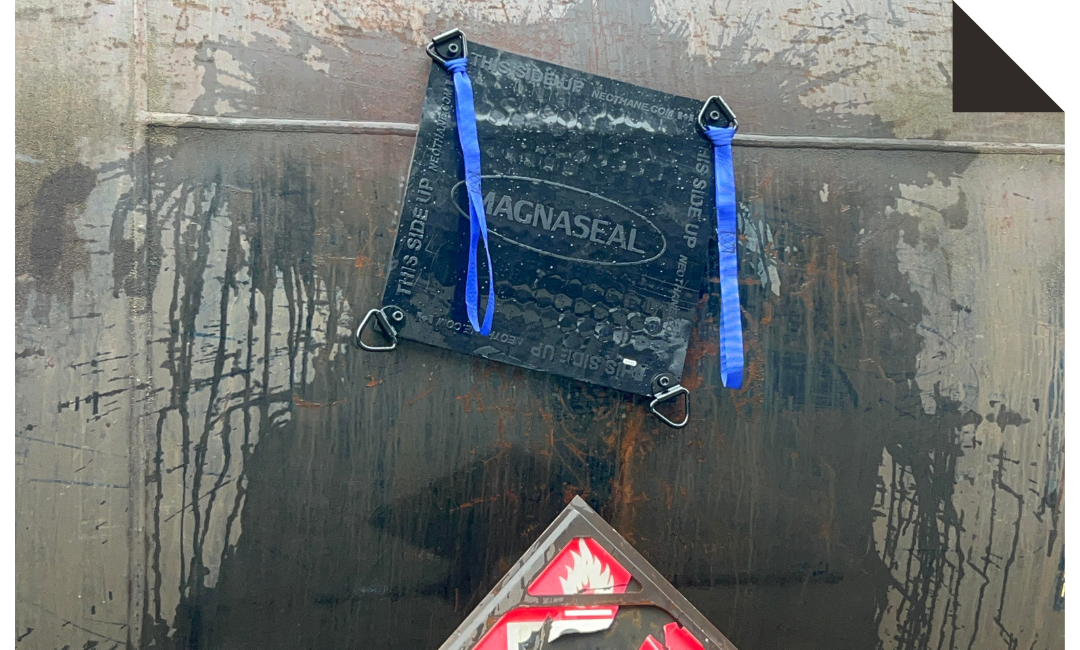
In the high-stakes world of hazardous materials, every second counts. A ruptured tank, a leaking pipe, or a chemical spill doesn’t just disrupt operations—it can cascade into catastrophic damage to equipment, infrastructure, and human health. For decades, first responders have relied on improvised fixes: wooden pegs, putty, or cumbersome bladder systems. These solutions were slow, messy, and often ineffective when time mattered most. But now, a breakthrough product is shifting the paradigm. With the speed of a magnet snapping into place, hazardous leaks can be stopped in seconds. (Video)
Continue reading… “How Instant Magnetic Seals Could Redefine Industrial Risk”AI Will Rewrite History—Literally

For centuries, history has been written by the victors, filtered through the lens of cultural biases, and confined by the limits of human memory and interpretation. But we may be entering an era where history is no longer pieced together solely by scholars and storytellers. Artificial intelligence is beginning to reconstruct the past with a level of precision, speed, and scale that no individual historian—or even entire generations of them—could ever achieve. The story of humanity may soon be told not just by people, but by machines capable of assembling forgotten fragments into a fuller, less biased narrative of who we are.
Continue reading… “AI Will Rewrite History—Literally”