KIMS Team Develops World’s First Ultra-Thin Composite Material for Superior Electromagnetic Wave Absorption

A groundbreaking advancement in electromagnetic shielding has been made by a research team led by Dr. Byeongjin Park and Dr. Sang Bok Lee at the Korea Institute of Materials Science (KIMS). They have developed the world’s first ultra-thin film composite material that absorbs over 99% of electromagnetic waves across a wide range of frequency bands, including 5G/6G, WiFi, and autonomous driving radar— all from a single material.

This revolutionary material, measuring less than 0.5 mm thick, features an extraordinary reflectance of under 1% and an impressive absorbance rate of over 99% across three distinct frequency bands. The ability to absorb such a wide spectrum of electromagnetic waves simultaneously is a major breakthrough, addressing a range of technological challenges in electronic devices.

Continue reading… “KIMS Team Develops World’s First Ultra-Thin Composite Material for Superior Electromagnetic Wave Absorption”

Austrian Wingsuit Pilot Sets Record with 6-Minute, Engine-Free Flight in Switzerland

Austrian wingsuit pilot Peter Salzmann has achieved a groundbreaking milestone in human flight, setting new world records with a nearly six-minute, engine-free flight using only a wingsuit foil. The record-breaking feat took place on October 24, when Salzmann made a daring jump from the scenic Jungfrau mountain in Switzerland, a location renowned for its breathtaking views.

Teaming up with Red Bull for this ambitious challenge, Salzmann’s flight lasted an impressive 5 minutes and 56 seconds, making it the longest BASE jump flight time ever recorded. He also achieved the longest BASE jump distance, traveling a remarkable 7.77 miles (12.5 kilometers) during the descent.

Continue reading… “Austrian Wingsuit Pilot Sets Record with 6-Minute, Engine-Free Flight in Switzerland”

Google CEO Reveals AI Now Powers 25% of New Code in Google’s Products, Highlighting Shift in Software Development

During Google’s third-quarter earnings call on Tuesday, CEO Sundar Pichai shared a groundbreaking update on the expanding role of artificial intelligence (AI) in software development at the company. According to Pichai, AI is now responsible for generating over 25% of the new code used in Google’s products, with human engineers overseeing and refining these AI-generated contributions.

“We’re also using AI internally to improve our coding processes, which is boosting productivity and efficiency,” Pichai said. “Today, more than a quarter of all new code at Google is generated by AI, then reviewed and accepted by engineers. This helps our engineers do more and move faster.”

Continue reading… “Google CEO Reveals AI Now Powers 25% of New Code in Google’s Products, Highlighting Shift in Software Development”

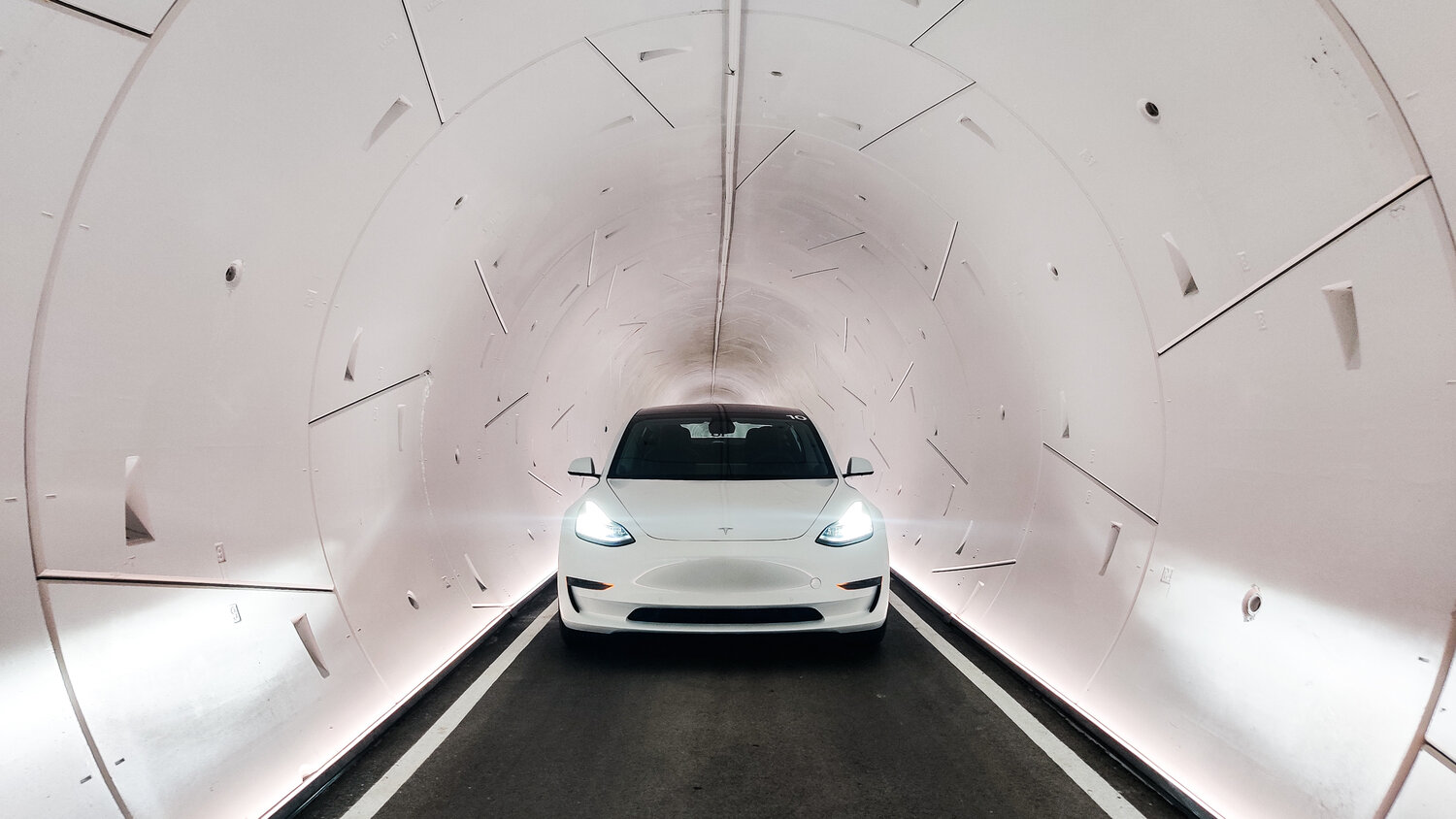
Boring Company Nears Completion of “Cybertunnel” at Giga Texas Facility

In a recent video update shared by drone pilot and Giga Texas observer Brad Sloan, workers can be seen painting the interior walls of the Boring Company’s much-anticipated underground “Cybertunnel” beneath the 130 Highway at the Austin, Texas factory. Construction on the tunnel, which began in March, is approaching completion, and Elon Musk has previously indicated that the tunnel will be used to transport Cybertrucks from the factory to the outbound lot, where they will then be picked up by hauling trucks for shipping.

Sloan’s video also highlights several other key developments around the Giga Texas facility, including the installation of more glass panels and tests of the water cooling towers intended to support the site’s supercomputing cluster, known as Cortex. These cooling towers are essential for maintaining the optimal performance of the factory’s advanced computing infrastructure.

Continue reading… “Boring Company Nears Completion of “Cybertunnel” at Giga Texas Facility”

Liam F1 Mini Urban Wind Turbine: Revolutionizing Sustainable Energy for City Homes

As renewable energy solutions continue to gain traction, wind power is emerging as a key player in the residential market, rivaling the popularity of solar energy. Meet the Liam F1 Mini Urban Wind Turbine by Archimedes – a compact and innovative wind turbine specifically designed for urban and suburban environments. This sleek, efficient turbine is set to change the way city dwellers harness clean energy, offering up to 1,500 kWh of free electricity per year, all while remaining virtually silent.

One of the standout features of the Liam F1 is its near-silent operation, a crucial benefit in noise-sensitive urban areas. While traditional wind turbines are known for their noise, which can be disruptive to nearby residents, the Liam F1 operates quietly thanks to its unique conical design. This makes it an ideal solution for densely populated cities where noise pollution is a major concern.

Continue reading… “Liam F1 Mini Urban Wind Turbine: Revolutionizing Sustainable Energy for City Homes”

SOLARCYCLE Unveils $300 Million Solar Panel Recycling Plant to Boost Sustainability and Create Jobs in Georgia

SOLARCYCLE is making major strides in advancing solar sustainability with the launch of a new state-of-the-art recycling facility in Cedartown, Georgia. The facility, set to become operational by mid-2025, will have the capacity to recycle up to 10 million solar panels annually—equivalent to 2 million panels in its first year, with plans for expansion as demand for end-of-life solar solutions continues to rise.

This ambitious project is designed to address the growing need for responsible disposal and recycling as millions of solar panels installed over the past decade approach the end of their life cycle. The facility is a key part of SOLARCYCLE’s vision to provide an efficient, circular solution for solar energy waste, ensuring that valuable materials from retired panels are recovered and reused.

Continue reading… “SOLARCYCLE Unveils $300 Million Solar Panel Recycling Plant to Boost Sustainability and Create Jobs in Georgia”

Rwanda Researchers Discover Tree Species That Could Provide Clean Electricity for Rural Communities

Scientists from the Rwanda Forestry Authority have identified two types of trees that hold the potential to generate clean electricity, offering a sustainable energy solution for remote communities. This discovery could play a key role in Rwanda’s goal of achieving universal electricity access by 2030.

Despite significant progress in electrification, rural areas in Rwanda continue to face challenges with limited access to power. In response, researchers are exploring ways to produce electricity from biomass derived from sustainably cultivated plants. They are studying the energy potential of various tree species to find alternatives to conventional energy sources.

Continue reading… “Rwanda Researchers Discover Tree Species That Could Provide Clean Electricity for Rural Communities”

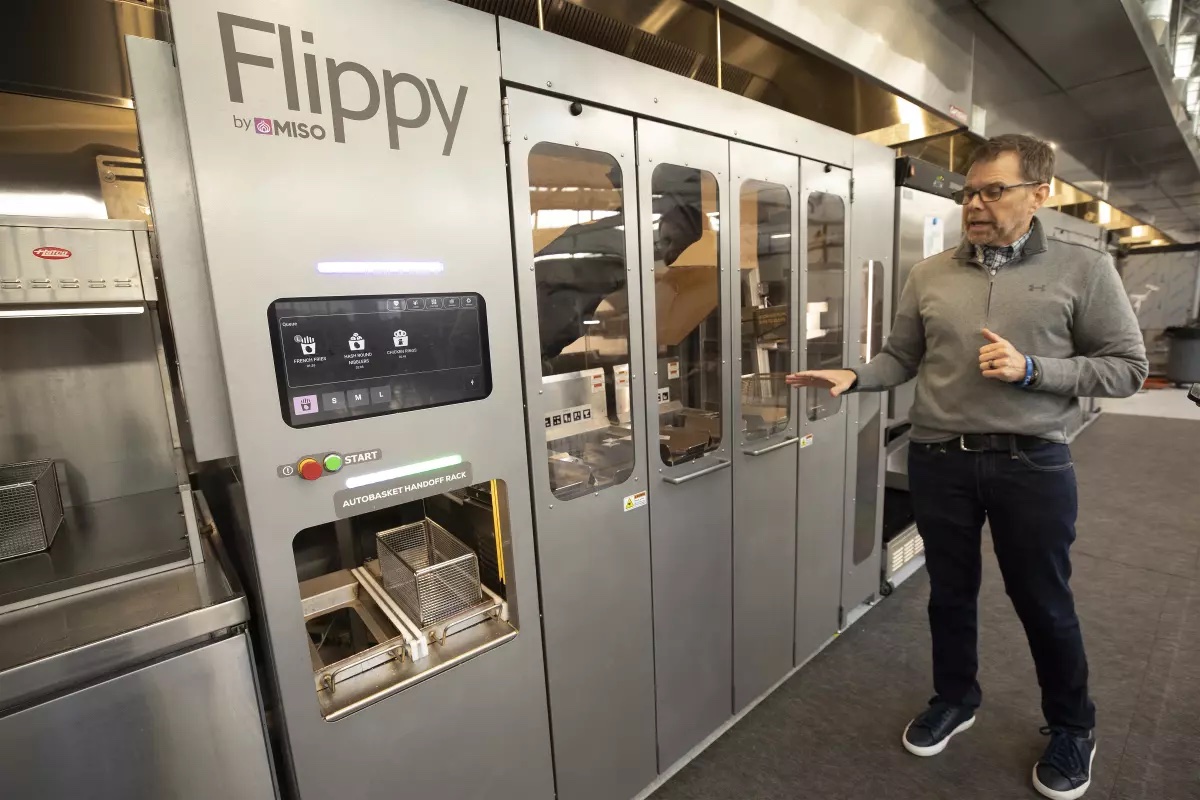
Flippy’s Future: Can Robots Revolutionize Fast-Food Kitchens?

Inside Miso Robotics’ lab in downtown Pasadena, a collection of robots that once seemed like science fiction come to life lines the workbenches. Among them are Sippy, Chippy, and Drippy—robots designed to handle various kitchen tasks. But it’s Flippy, the latest innovation, that steals the spotlight. This robotic arm, designed to fry French fries and chicken nuggets at lightning speed, could change the future of fast food.

With the restaurant industry facing rising labor costs, including increases in minimum wage, Miso Robotics is betting big on automation. Fast-food chains, burdened by higher wages and employee turnover, are increasingly looking for ways to cut costs, streamline operations, and improve consistency. Flippy, which can process more than 100 baskets of fries per hour, is at the heart of this push. Compared to the roughly 70 baskets an average employee can manage in the same time, Flippy is not just faster—it’s also safer, sparing workers from the dangers of hot oil and grease slips.

Continue reading… “Flippy’s Future: Can Robots Revolutionize Fast-Food Kitchens?”

Concrete’s Carbon Dilemma: Building the Future of Data Centers While Tackling Climate Change

Along a dusty country road leading to ATL4, a massive new data center under construction east of Atlanta, the sight of dozens of cars and pickups parked haphazardly on narrow dirt shoulders is common. The out-of-state license plates are a clear sign of the skilled tradespeople from across the country who have descended on the site for one of the largest construction projects in the area. With the global battle for artificial intelligence (AI) dominance driving tech companies, utilities, and governments to invest upwards of US $1 trillion into capital expansion, data centers have become the critical infrastructure underpinning this competition. In this new era, data centers serve as the bunkers, factories, and laboratories of AI, powered by a seemingly insatiable need for concrete and electricity.

At first glance, the data industry might appear to be intangible, with its products existing as weightless bits and bytes. But standing next to the bustling construction site for DataBank’s ATL4, the enormity of the physical labor and materials involved is striking. The most prominent material in sight? Concrete—poured, pre-fabricated, and stacked in vast quantities. Big data is, quite literally, big concrete. And this poses a major challenge: concrete’s heavy environmental toll.

Continue reading… “Concrete’s Carbon Dilemma: Building the Future of Data Centers While Tackling Climate Change”

The Quantum Leap: Why Tech Giants are Betting on Quantum Computing’s Future

Quantum computing has long been the stuff of science fiction, but today it is a rapidly developing field that has attracted billions of dollars in investment from major technology companies like Google, IBM, and a host of well-funded startups. Despite the technology being years away from practical use, the potential of quantum computers to revolutionize industries from chemistry to machine learning has experts and investors alike convinced that it’s a game-changer.

The concept of building a computer based on the principles of quantum mechanics has been around since the 1980s. However, it’s only in the last few decades that scientists have made significant strides in developing large-scale quantum devices. Now, major tech players are investing heavily to accelerate the development of quantum computing.

Continue reading… “The Quantum Leap: Why Tech Giants are Betting on Quantum Computing’s Future”

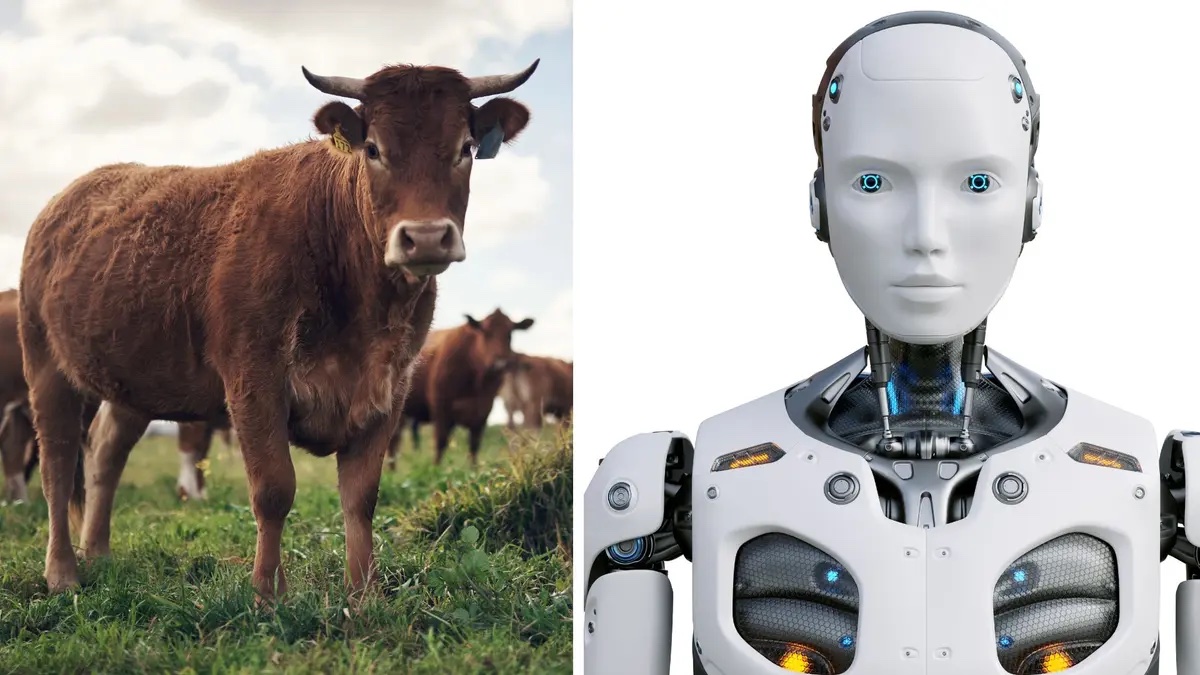
Virtual Cattle Herding Game Sheds Light on Human Navigation and Decision-Making

A virtual cattle herding game has offered researchers new insights into how people make decisions regarding movement and navigation. This unique study examined how dynamical perceptual-motor primitives (DPMPs)—basic movement models that simulate natural human behaviors—can be used to replicate human decision-making in navigation. Findings showed that a simple DPMP model was able to match nearly 80 percent of participants’ movement paths and predict their choices effectively, potentially benefiting AI and robotic navigation systems.

The research, conducted by a collaboration between Macquarie University in Australia, Scuola Superiore Meridionale, the University of Naples Federico II, the University of Bologna in Italy, and University College London, focused on real-time decision-making that mirrors everyday navigation challenges, like navigating crowded spaces or pursuing moving objects. Traditionally, navigation models rely on cognitive mapping, but this study supports a theory that human movement is less about complex planning and more about adapting to real-time influences from goals and obstacles.

Continue reading… “Virtual Cattle Herding Game Sheds Light on Human Navigation and Decision-Making”

China Unveils Record-Breaking Tunnel-Boring Machine for Massive Yangtze River Project

China has completed production on its largest-ever tunnel-boring machine (TBM), named Jianghai, meaning “river and ocean” in Chinese. This giant machine measures 16.64 meters (54.5 feet) in diameter and spans 475 feet (145 meters) in length, weighing approximately 5,000 metric tons (11 million pounds). Built through a partnership between China Railway Construction Heavy Industry (CRCHI) and China Railway 14th Bureau Group, Jianghai is the most massive TBM developed domestically in China to date.

The new TBM is set to tackle a challenging tunneling project beneath the Yangtze River in Jiangsu Province. The machine will bore a tunnel linking Nantong and Suzhou, a key section of a planned 24-mile (39-kilometer) highway scheduled for completion by 2028. At a depth of up to 246 feet (75 meters), the tunnel will extend roughly 7 miles (11.2 kilometers) under the Yangtze River. Due to the difficult terrain, which includes soft soil, underground water, and silt, traditional manual tunneling is unfeasible. Instead, Jianghai will proceed at a daily pace of 12 to 16 meters (39 to 52 feet), with the entire tunneling phase expected to last two and a half years. Precision is crucial for the project; to protect nearby river dams, the TBM’s path must stay within 1 centimeter (0.4 inches) of specifications.

Continue reading… “China Unveils Record-Breaking Tunnel-Boring Machine for Massive Yangtze River Project”
Discover the Hidden Patterns of Tomorrow with Futurist Thomas Frey
Unlock Your Potential, Ignite Your Success.

By delving into the futuring techniques of Futurist Thomas Frey, you’ll embark on an enlightening journey.

Learn More about this exciting program.