Nuclear Power’s Role in Revolutionizing Data Centers with Microreactors

As artificial intelligence drives exponential growth in data demand, nuclear power is emerging as a key player in revolutionizing energy supply for data centers. Tech giants like Oracle and Microsoft, alongside influential figures such as Bill Gates, have begun exploring nuclear energy solutions. In a notable move, Microsoft has secured an agreement to purchase power from the Three Mile Island reactor, signaling a shift toward clean, reliable energy sources for its data operations.

One of the most promising developments in this field is the advent of micro nuclear reactors. These compact reactors offer a safe, sustainable, and efficient way to meet the growing energy needs of data centers and other industries. Companies like Nano Nuclear Energy are making strides in this area, aiming to deliver commercial microreactors by the early 2030s, with prototypes expected as soon as 2027.

Continue reading… “Nuclear Power’s Role in Revolutionizing Data Centers with Microreactors”
Quantum Computing Threatens Encryption: Chinese Researchers Crack RSA with D-Wave Technology

In a groundbreaking yet concerning development for global cybersecurity, Chinese researchers have demonstrated how quantum computing could accelerate the downfall of current encryption methods. Using D-Wave’s quantum annealing systems, the researchers have successfully cracked classic encryption techniques, potentially fast-tracking the timeline for when quantum computers could undermine the cryptographic systems that protect sensitive information worldwide.

The research, published in the Chinese Journal of Computers under the title “Quantum Annealing Public Key Cryptographic Attack Algorithm Based on D-Wave Advantage,” highlights how D-Wave’s quantum machines were able to break RSA encryption and launch attacks on symmetric encryption algorithms. These findings pose serious questions about the future of cybersecurity.

Continue reading… “Quantum Computing Threatens Encryption: Chinese Researchers Crack RSA with D-Wave Technology”

The Future of Water-Based Fuel: Is Hydrogen Being Left Behind?

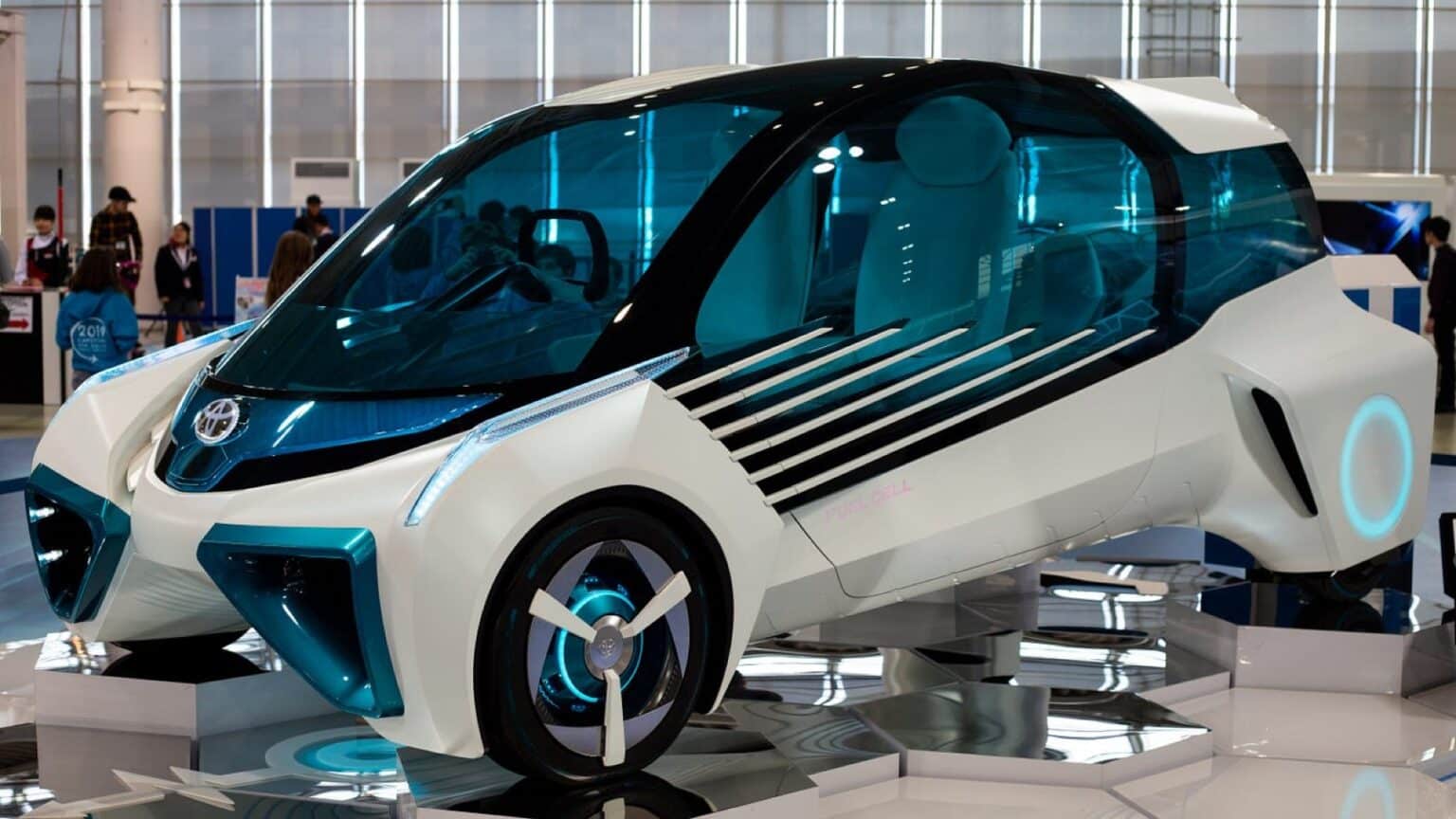
Water has always been a source of life, but now, it’s set to power cars, reshaping the future of clean energy. While hydrogen has long been hailed as the primary clean fuel for the automotive sector, recent developments suggest that water-based fuel might take the lead. The introduction of the first water-powered car has sparked discussions among experts, with some even suggesting that this breakthrough could mark “the end of hydrogen” as the go-to clean fuel.

Electriq Global, an Australian-Israeli company, has developed a revolutionary fuel that is 60% water-based. Using innovative technology, Electriq extracts hydrogen from water and uses it to power vehicles, offering a cheap, clean, and safe fuel alternative. The potential impact on global energy consumption and the automotive industry is immense.

Continue reading… “The Future of Water-Based Fuel: Is Hydrogen Being Left Behind?”

Reaction Engines Seeks £20M Lifeline for Hypersonic Jet-Rocket Engine Development

Reaction Engines, a UK-based aerospace company, is in discussions with Whitehall to secure a £20 million financial boost to support the continued development of its revolutionary hybrid jet-rocket engine amid mounting losses and slow revenue growth. The company aims to pioneer a new era of hypersonic flight, promising that its engines could one day reduce travel time across the globe to just a few hours.

The company’s flagship technology, the “Sabre” engine (Synergetic Air Breathing Rocket Engine), has been under development for years and is designed to achieve speeds of Mach 5 within Earth’s atmosphere and potentially Mach 25 in space. To put that into perspective, Mach 5 is more than three times faster than the iconic Concorde and over twice the speed of the SR-71 Blackbird, the world’s fastest jet-powered aircraft. These advances could enable the creation of high-speed planes, referred to as the “Sons of Concorde.”

Continue reading… “Reaction Engines Seeks £20M Lifeline for Hypersonic Jet-Rocket Engine Development”

China Unveils AI-Driven ‘Agent Hospital’ for Virtual Healthcare Innovation

Chinese researchers from Tsinghua University have developed “Agent Hospital,” an AI-powered virtual hospital town similar to Stanford’s AI town, which gained widespread attention last year. The innovative system features AI doctors and nurses autonomously treating virtual patients, with the goal of improving medical expertise through continuous evolution.

The AI agents, powered by large language models (LLMs), autonomously interact within the virtual hospital environment. According to the researchers, the AI doctors can treat up to 10,000 patients in a few days, a task that would take human doctors at least two years. These AI doctors have demonstrated impressive accuracy, achieving a 93.06% success rate on the MedQA dataset, which involves the full process of patient care, from diagnosis to follow-up.

Continue reading… “China Unveils AI-Driven ‘Agent Hospital’ for Virtual Healthcare Innovation”

Embraer Unveils AI-Powered Aircraft Concept for a Fully Autonomous Future”

At the National Business Aviation Association event in Orlando, Florida, Embraer introduced a revolutionary concept aircraft that offers a fully autonomous flying experience. This futuristic design showcases the potential of artificial intelligence (AI) in aviation, giving passengers a glimpse of what air travel could look like in the near future.

The aircraft features a cabin divided into three distinct zones, including a forward lounge for relaxation. One unique feature is the option for passengers to sit in the cockpit—if they wish—despite the plane being entirely operated by AI. Adding to its high-tech appeal, the windows are equipped with integrated touchscreens, enhancing the user-friendly interface.

Continue reading… “Embraer Unveils AI-Powered Aircraft Concept for a Fully Autonomous Future””

The Road to Affordable EVs: Lithium-Ion Battery Prices Set to Drop by 2026

The future of electric vehicle (EV) growth hinges on making them more affordable to buy and maintain. While environmental concerns are important, most Americans are unlikely to abandon their gas-powered cars solely for climate reasons. The key to widespread EV adoption lies in reducing battery costs, and recent research from Goldman Sachs offers promising news in this regard.

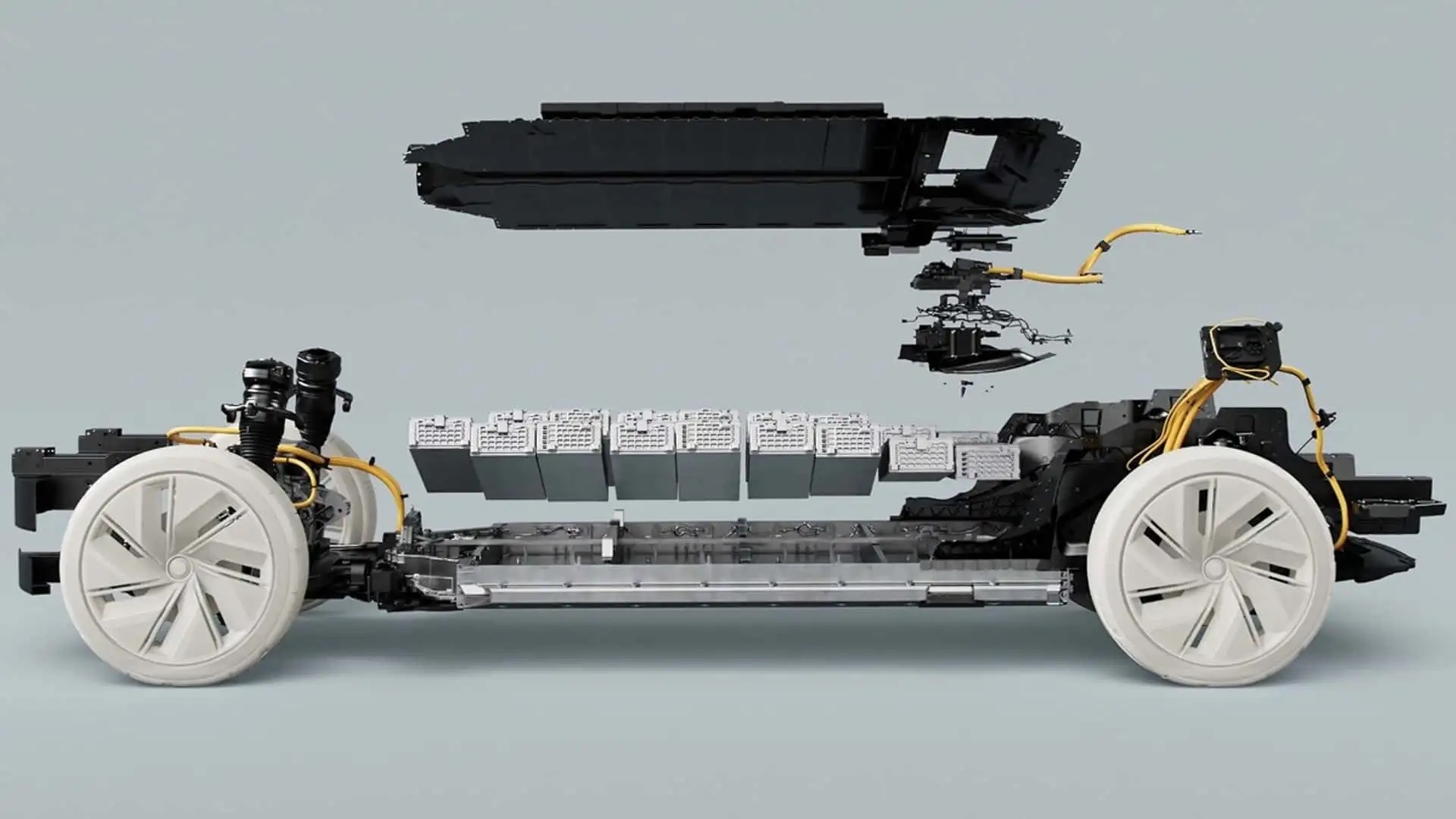
According to the report, lithium-ion battery prices are expected to continue declining significantly in the coming years. By 2026, global average battery pack prices could fall to $82 per kilowatt-hour (kWh)—a sharp drop from the 2023 average of $149/kWh. This 26% price reduction from current levels is part of a broader trend, as battery prices were as high as $780/kWh just a decade ago, in 2013.

Continue reading… “The Road to Affordable EVs: Lithium-Ion Battery Prices Set to Drop by 2026”

A Breakthrough in Hydrogen Fuel: Splitting Seawater Without Corrosive Byproducts

Scientists have developed a groundbreaking method to split seawater into hydrogen fuel using electrodes, eliminating the production of harmful and corrosive chlorine gas that typically results from such processes. This innovative approach, spearheaded by California-based startup Equatic, in collaboration with ARPA-E, promises to generate clean hydrogen fuel without requiring pure water—making it a major step forward in sustainable energy.

Traditionally, hydrogen fuel is produced via electrolysis, a process in which water is split into hydrogen and oxygen using an electrolyzer. However, using seawater has been problematic due to the corrosive minerals and salts it contains. When seawater is subjected to electrolysis, these salts are separated, leading to the production of toxic chlorine gas, which corrodes the machine’s internal components and gums up its operations.

Continue reading… “A Breakthrough in Hydrogen Fuel: Splitting Seawater Without Corrosive Byproducts”

Electric Vehicle Batteries: Powering Beyond Two Decades with Minimal Degradation

How long has a traditional car battery lasted for you—three years? Maybe five? According to a recent report by transportation data analytics company Geotab, electric vehicle (EV) batteries are breaking that mold, potentially lasting over 20 years with minimal degradation. As reported by EV Magazine, these advanced batteries retain power efficiency far longer than previously expected.

Geotab’s study, which analyzed data from nearly 5,000 electric vehicles, revealed that EV batteries degrade at a rate of only 1.8% per year, even in vehicles with high usage. This marks an improvement from the company’s 2019 study, which showed a 2.3% annual degradation rate. With this reduced wear and tear, modern EV batteries not only last for two decades or more, but they’re also increasingly designed with abundant, cost-effective, and eco-friendly materials.

Continue reading… “Electric Vehicle Batteries: Powering Beyond Two Decades with Minimal Degradation”

AI-Powered Robotic Taster: The Future of Flavor Detection and Beyond

Picking out individual ingredients in a dish can be a fun yet challenging part of enjoying a meal. While professional chefs and food scientists spend years honing their palates, a robot may soon be able to join in thanks to an AI-powered robotic taster developed by researchers at Penn State. Combining artificial intelligence with an electronic tongue, this advanced system can detect subtle differences in flavor and freshness that even human senses might miss.

In a recently published paper, the research team outlines how this AI “brain” works with an electronic tongue to analyze food at a molecular level. The robotic taster can distinguish minute variations in a cup of milk’s water content, identify the blend of beans in a cup of coffee, and even detect early signs of rot in fruit juice—well before human senses could.

Continue reading… “AI-Powered Robotic Taster: The Future of Flavor Detection and Beyond”

“Future You”: Conversing with Your Older Self through AI

For the first time, people can engage in a conversation with an older version of themselves—discussing life goals and aspirations—using an advanced AI-powered chatbot, complete with a photographic avatar of their future face. This innovative experience is part of the Future You project, created by researchers at MIT Media Lab in collaboration with international partners. The project aims to create a deeper connection between individuals and their future selves, using AI to simulate what users might look and think like when they’re 60 to 70 years old.

In a paper published on Oct. 1 to the preprint database arXiv, the researchers outlined the technology behind Future You. Through a text interface, users interact with an AI-powered version of their future selves on topics such as how to achieve life goals, considering their current circumstances and beliefs. The platform provides a way for individuals to feel more anchored to their future selves, as opposed to speaking with a generic AI chatbot.

Continue reading… ““Future You”: Conversing with Your Older Self through AI”

The Debate Over Autonomous Weapons: U.S. Tech Leaders Weigh In

In late September, Shield AI co-founder Brandon Tseng confidently asserted that fully autonomous weapons—where AI makes the final decision to kill—would never exist in the U.S. “Congress doesn’t want that. No one wants that,” Tseng told TechCrunch. However, his statement was quickly challenged. Just five days later, Anduril co-founder Palmer Luckey expressed a different perspective, signaling a more nuanced view on autonomous weapons.

Speaking at Pepperdine University, Luckey questioned the opposition to such systems, arguing that in some cases, autonomous technology may offer a moral advantage over current weapons. He raised the example of landmines, which can’t distinguish between a school bus and a military target, as a point of comparison. When asked for further clarification, an Anduril spokesperson noted that Luckey’s concern was more about the potential misuse of AI by bad actors, rather than advocating for fully autonomous lethal systems.

Continue reading… “The Debate Over Autonomous Weapons: U.S. Tech Leaders Weigh In”
Discover the Hidden Patterns of Tomorrow with Futurist Thomas Frey
Unlock Your Potential, Ignite Your Success.

By delving into the futuring techniques of Futurist Thomas Frey, you’ll embark on an enlightening journey.

Learn More about this exciting program.