American families are grappling with stagnant wage growth, as the costs of health care, education, and housing continue to climb. But for many of America’s younger workers, “stagnant” wages shouldn’t sound so bad. In fact, they might sound like a massive raise.
The last decade was a boom time for patent trolls. Their names and lawsuits made the news; This American Life dedicated two hour-long episodes to them. The number of defendants in patent troll lawsuits increased sixfold from 2003 through last year. But now the tides seem to be turning for them: After growing very rapidly since 2009, the number of lawsuits filed by “non-practicing entities” will be significantly lower this year compared to 2013. Although the level of litigation will still be at a historic high, is this indicative that they are finally being reigned in?
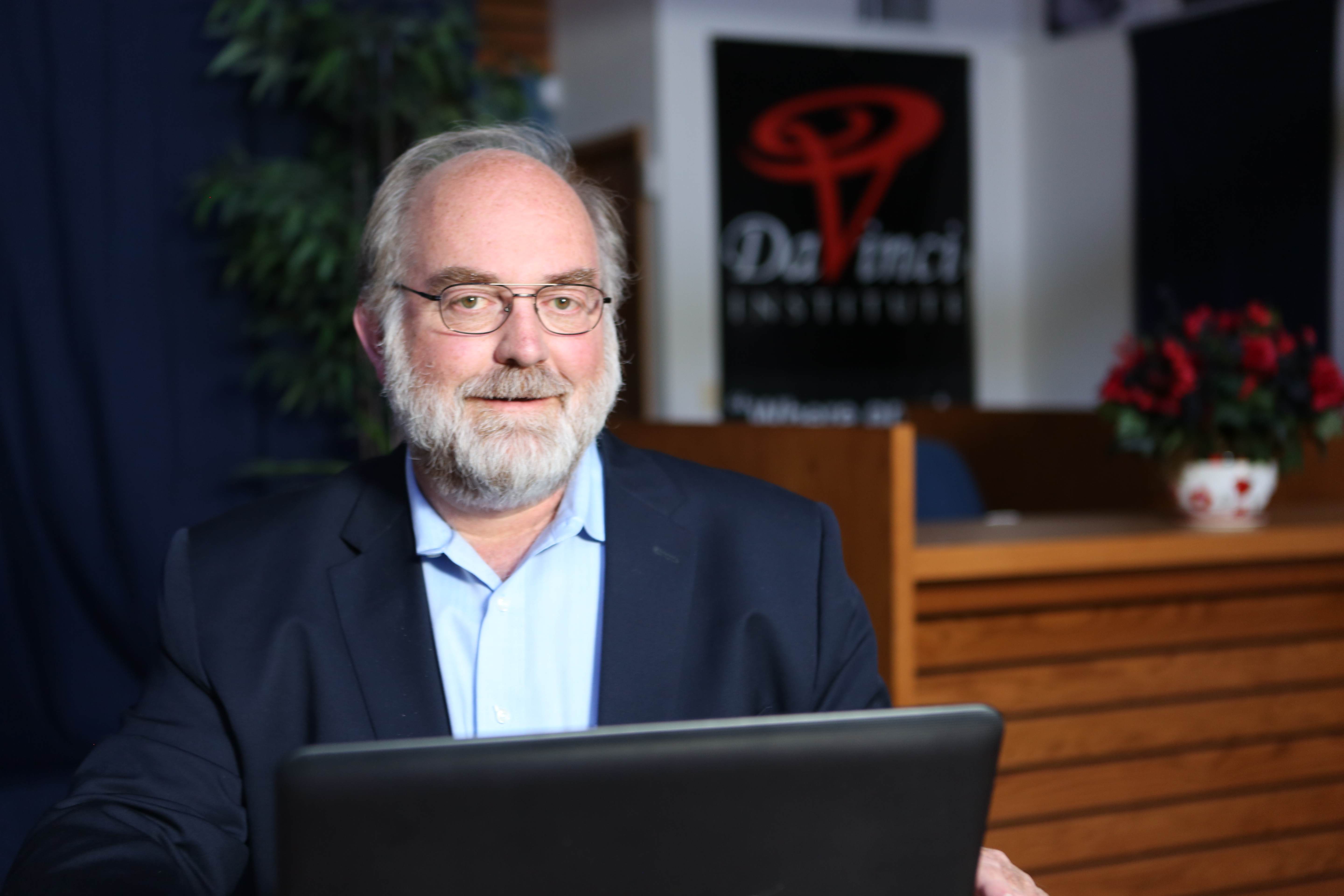
Thomas Frey is currently Google’s Top Rated Futurist Speaker. He serves as the Senior Futurist and Executive Director of the DaVinci Institute. Read his article “The Complexity Disease”.
An incredible 56.1% of ads on the internet are not seen by humans, according to new research released today by Google.
“With the advancement of new technologies we now know that many display ads that are served never actually have the opportunity to be seen by a user,” said Google group product manager Sanaz Ahari in a blog post.
The topic of job displacement has, throughout US history, ignited frustration over technological advances and their tendency to make traditional jobs obsolete; artisans protested textile mills in the early 19th century, for example. In recent years, start-ups and the high-tech industry have become the focus of this discussion. A recent Pew Research Center study found that technology experts are almost evenly split on whether robots and artificial intelligence will displace a significant number of jobs over the next decade, so there is plenty of room for debate.
On November 7, 2014, I attended the “Idea Jam – Innovating for the Future” session put on by the Pacific Center for Workforce Innovation in San Diego. The purpose of the session was to identify the major challenges to the San Diego workforce in the coming years and to generate audience participation in visioning exercises to explore new and innovative workforce development ideas. The event was held at Colman University, and major sponsors were SDG&E, Qualcomm, the Eastridge Group, Point Loma Nazarene College, and Cal State University, San Marcos.
Robin Speronis lives off the grid in Florida, completely independent of the city’s water and electric system. A few weeks ago, officials ruled her off-grid home illegal. Officials cited the International Property Maintenance Code, which mandates that homes be connected to an electricity grid and a running water source.
That’s like saying our dependency on corporations isn’t even a choice. The choice to live without most utilities has been ongoing for Robin, the self-sufficient woman has lived for more than a year and a half using solar energy, a propane camping stove and rain water.
In the end, she was found not guilty of not having a proper sewer or electrical system; but was guilty of not being hooked up to an approved water supply.
Business owners today are actively deciding whether their next hire should be a person or a machine. After all, machines can work in the dark and don’t come with decades of HR case law requiring time off for holidays, personal illness, excessive overtime, chronic stress or anxiety.
If you’ve not heard the phrase “technological unemployment,” brace yourself; you’ll be hearing it a lot over the coming years. Technology is automating jobs out of existence at a record clip, and it’s only getting started. But at the same time, new jobs are also coming out of the woodwork.
The Federal Aviation Administration recently released a report detailing more than 190 safety incidents involving drones and commercial aircraft. In response, Senator Dianne Feinstein (D-Calif.) has vowed to push legislation that would crack down on the commercial use of drones, also called Unmanned Aircraft Systems (UAS). India’s Directorate General for Civil Aviation has already banned all use of drones in the country — even for civilian purposes.
Alaina Percival never envisioned a career in technology. But after a successful career in marketing and brand management that took her around the world, the 34-year-old quit her job, learned to code, and changed careers. Today she runs Women Who Code, a nonprofit mentoring and education group focused on increasing the number of women in all areas of the technology industry. Percival talks to Cosmopolitan.com about feeling the gender gap in tech and the importance of a good challenge.
A machine that administers sedatives recently began treating patients at a Seattle hospital. At a Silicon Valley hotel, a bellhop robot delivers items to people’s rooms. Last spring, a software algorithm wrote a breaking news article about an earthquake that The Los Angeles Times published.
Although fears that technology will displace jobs are at least as old as the Luddites, there are signs that this time may really be different. The technological breakthroughs of recent years — allowing machines to mimic the human mind — are enabling machines to do knowledge jobs and service jobs, in addition to factory and clerical work.
Jared Lindzon – Mining asteroids, an activity that could produce the world’s first trillionaire by 2030. 3D-printed cruises ships and hospitals. But no more taxi drivers, firefighters and (gulp) journalists. Indeed, the future of the world according to Thomas Frey is not quite what you might expect.
Frey is executive director and “senior futurist” at the DaVinci Institute, a 17-year-old think tank where he gathers a group of high-profile intellectuals for deep conversations about tomorrow. And we mean high profile: regular contributors to these “mastermind groups” include nearly every sitting governor of Colorado (the think tank’s home state), CEOs like Yahoo’s Marissa Mayer, the commissioner of the U.S. patent office, university presidents and science fiction authors like David Brin.