When Metals Learn to Withstand Fire: The New Age of Ultra-Alloys

By Futurist Thomas Frey

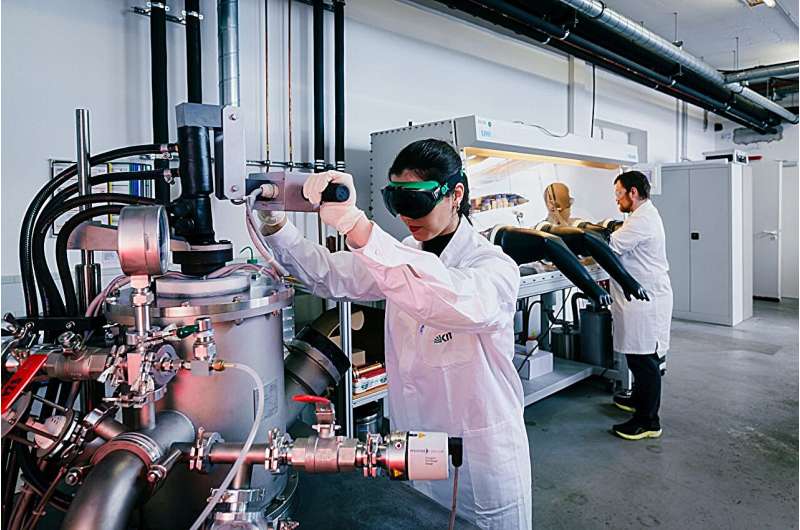
Imagine a world where the engines pushing us across continents, into rockets, or through power plants don’t shriek in heat—they glide in silence, riding on craft so temperature-resilient they seem almost mythic. That’s the future unlocked by a newly discovered alloy developed at Karlsruhe Institute of Technology: a chromium-molybdenum-silicon blend so ductile at room temperature, so resistant to oxidation at 1,100 °C, it shames the limitations of today’s superalloys. It’s not just an incremental upgrade—it’s a leap into materials once thought impossible.

Today’s gas turbines, jet engines, and combustion machines demand materials that survive heat, stress, and corrosion. Today’s nickel-based superalloys are pushed near their edge—usable up to ~1,100 °C in many real-world applications—but above that, they soften, oxidize, or fail. The new alloy redefines that ceiling. It combines high melting points, mechanical ductility, and oxidation resistance in a balance no prior refractory alloy achieved. The upshot? Machines that can run hotter, lighter, longer, and more efficiently.

Continue reading… “When Metals Learn to Withstand Fire: The New Age of Ultra-Alloys”

The “Last Mile” Problem Becomes the “Last Minute” Opportunity

By Futurist Thomas Frey

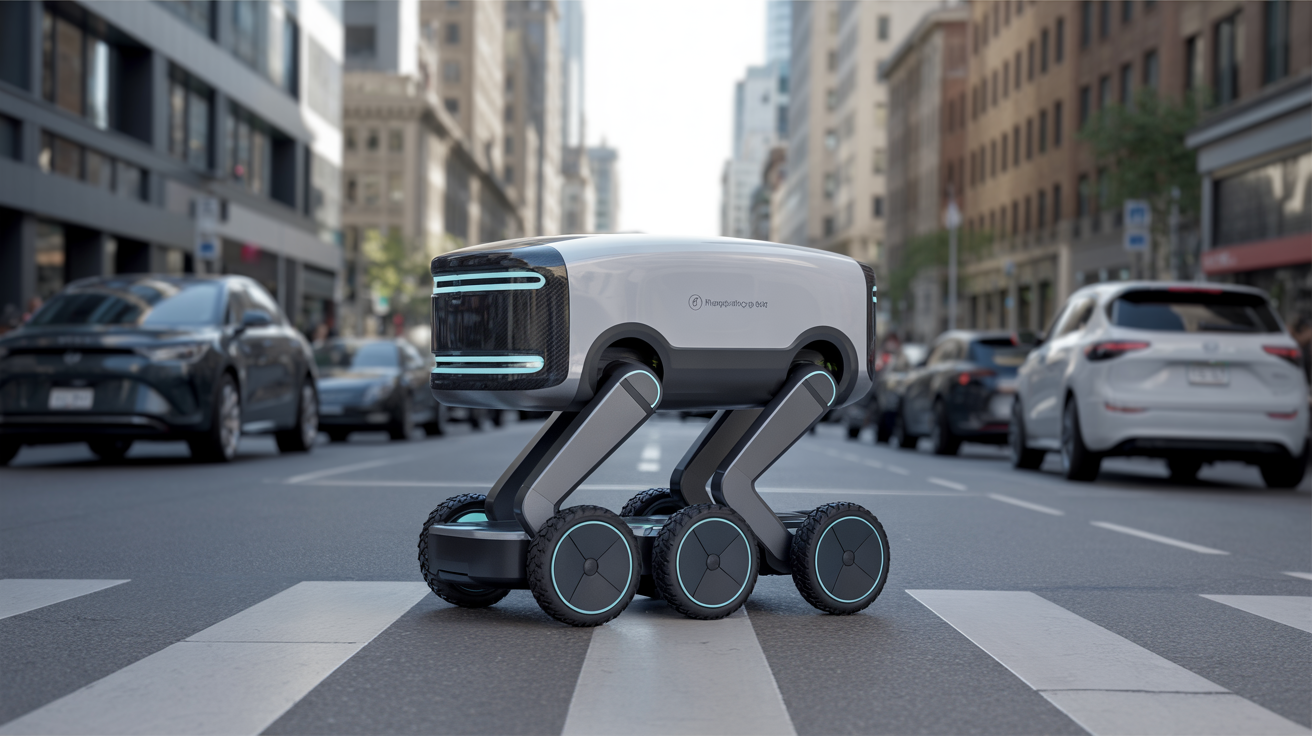
In 2020, the “last mile problem” was one of logistics’ greatest headaches—the expensive, inefficient final leg of delivery that got products from the warehouse to the customer’s door. Two decades later, that problem has vanished, replaced by something far more transformative: the “last minute” opportunity. By 2040, ground-based delivery drones—autonomous, adaptive, and nearly omnipresent—have turned the act of waiting into an anachronism. If you live in a city, you don’t wonder if something can be delivered—you wonder how fast it can materialize.

The key innovation wasn’t faster drones, but smarter infrastructure. Once drones learned to climb steps, open doors, and navigate complex terrain, the entire concept of “delivery zones” dissolved.

Continue reading… “The “Last Mile” Problem Becomes the “Last Minute” Opportunity”

Micro-Venues Explode—Every Living Room Becomes a Concert Hall

By Futurist Thomas Frey

By 2040, the global music industry has flipped itself inside out. The future of live music isn’t in megastadiums or nightclubs—it’s in living rooms, rooftops, garages, and backyards. The era of “micro-venues” has arrived, and with it, a revolution in how we experience performance, intimacy, and community. Across the planet, every home has the potential to become a concert hall, every dinner party a stage, and every neighborhood a stop on someone’s world tour.

The concept took off in the late 2020s as artists began experimenting with direct-to-fan experiences after the pandemic’s digital saturation. By 2035, the global micro-venue network—run by AI-driven platforms—had turned living rooms into high-end listening spaces. Homeowners list their available space on apps similar to Airbnb, and musicians “bid” for the chance to play. Guests reserve tickets for $30–$80 per seat, and within hours, your apartment transforms into a professional concert venue with portable lighting, sound engineering drones, and digital payment integration.

Continue reading… “Micro-Venues Explode—Every Living Room Becomes a Concert Hall”

Invisible Warriors: When Immune Cells Vanish into the Body to Slay Cancer

By Futurist Thomas Frey

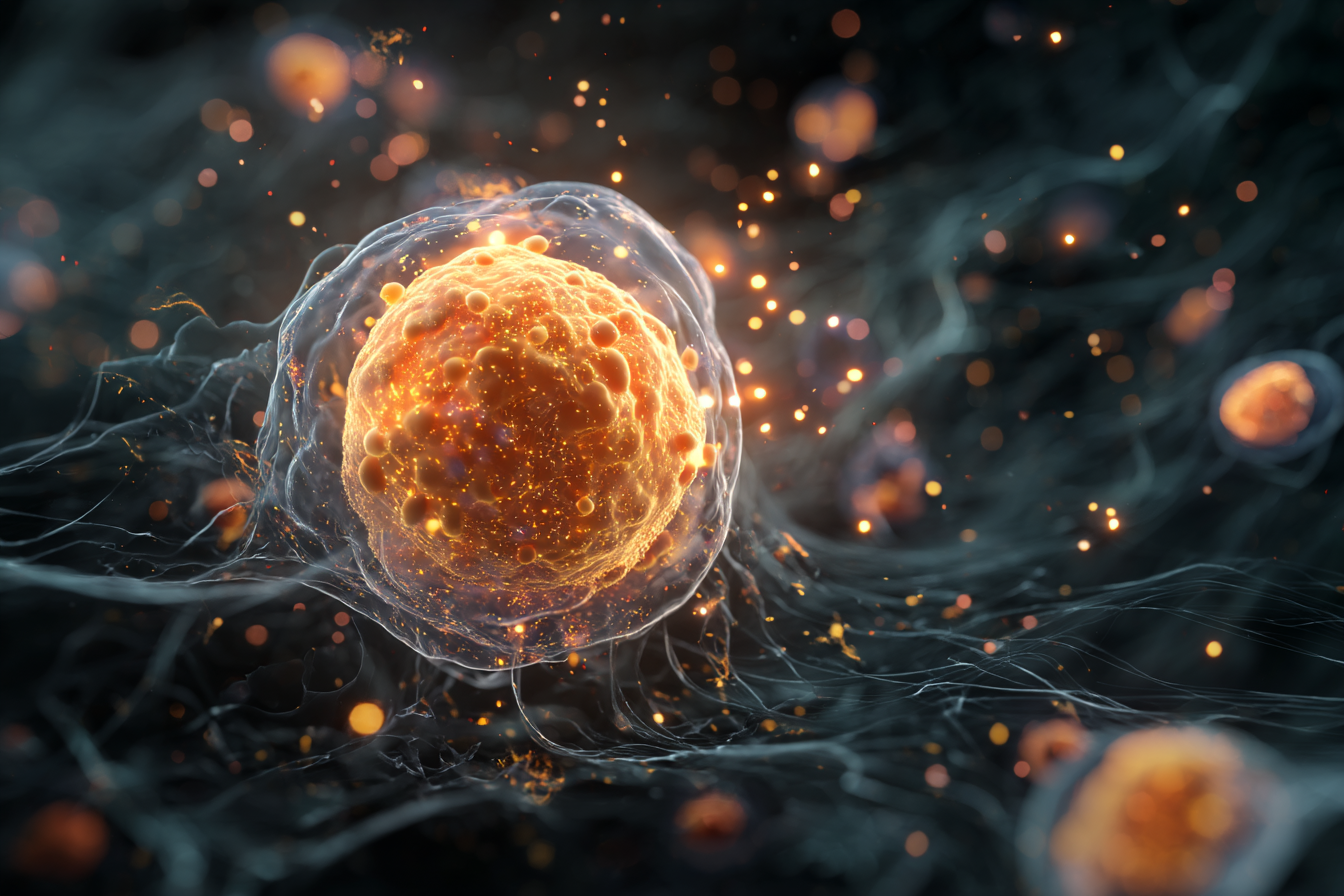
In a laboratory somewhere between audacity and necessity, researchers at MIT and Harvard have reprogrammed natural killer (NK) cells to become “invisible”—able to slip past the body’s own defenses and annihilate cancer with ruthless precision. These engineered CAR-NK cells don’t just confront tumors; they duck under the radar of immune rejection. Tested in humanized mice, they wiped out cancers while avoiding dangerous immune reactions. This isn’t incremental immunotherapy—it’s a step toward internal assassination of disease.

Continue reading… “Invisible Warriors: When Immune Cells Vanish into the Body to Slay Cancer”

The Household Manager You Actually Talk To

By Futurist Thomas Frey

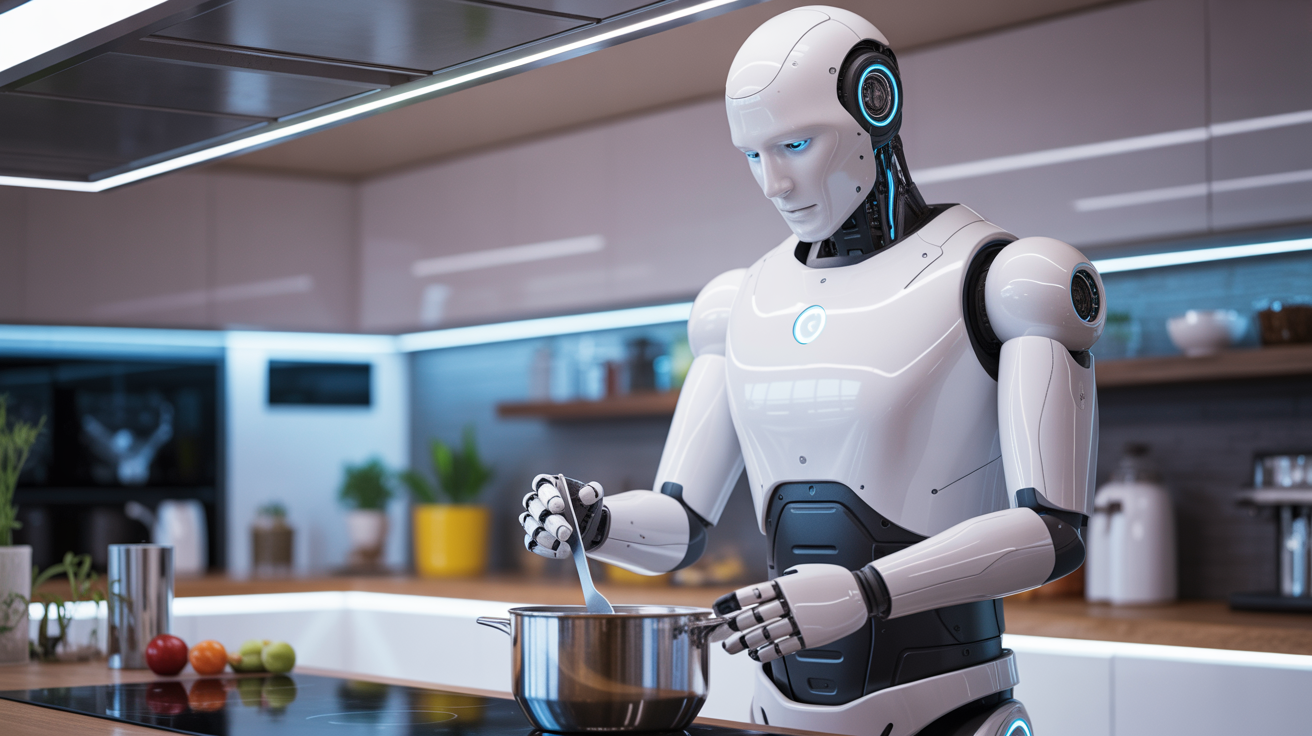
In the not-so-distant future, your “smart home” is no longer a network of devices you order around. Instead, it has a resident partner—a humanoid robot that lives with you, moves through your home, and helps run your life. It’s not a servant. It’s a cohabitant. It’s a planner, a doer, and a conversational collaborator.

Imagine this morning: your robot emerges from the pantry and says, “You’re out of fresh spinach and salmon. Based on your schedule and diet goals, I’ll go to the grocery store now and be back before lunch. Meanwhile, I’ll start thawing the fish and prepping a salad.” You nod. You don’t give orders. You talk it over and collaborate.

Continue reading… “The Household Manager You Actually Talk To”

BANANAZ & the Rise of AI Design Agents: When Every Engineer Can Be an Architect

By Futurist Thomas Frey

Meet BANANAZ, a design agent built to act as your AI-powered mechanical engineering expert—able to take specifications, iterate designs, simulate stresses, and optimize performance—all faster than any human engineer ever could. It’s not just a productivity tool; it’s a glimpse of the next wave in engineering: autonomous design as a service, where every creator gains a personal AI engineer as co-pilot.

BANANAZ doesn’t replace engineers; it multiplies them. Hand it constraints (load, material, geometry), and it rapidly generates candidate designs. Run simulations, and it filters those options. Want to optimize for weight, cost, or manufacturability? The AI filters again—all in minutes. What used to take teams of mechanical engineers weeks of CAD modeling, iteration, and simulation now happens in seconds. For startups and makers, that compresses invention cycles from quarters to hours.

Continue reading… “BANANAZ & the Rise of AI Design Agents: When Every Engineer Can Be an Architect”

The Live-In Elder Care Companion: When Robots Become Family

By Futurist Thomas Frey

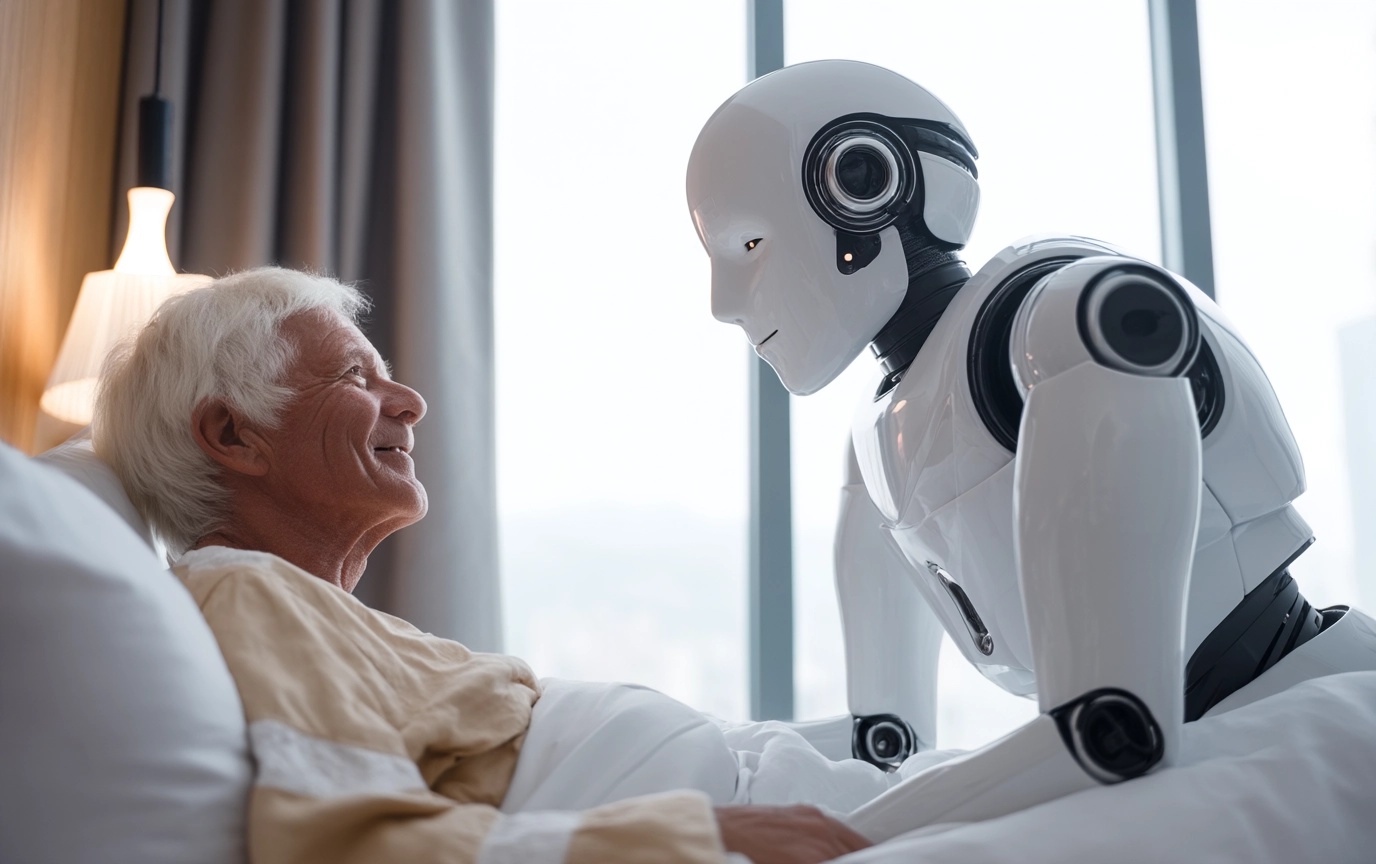
By 2040, 40% of people over the age of 75 will live with a humanoid care robot—not in institutions or assisted-living facilities, but in their own homes. These are not cold, metallic machines—they are empathetic, conversational companions capable of remembering decades of personal history, anticipating emotional needs, and responding to subtle changes in mood or health. They remind their humans to take medications, assist with dressing or bathing, monitor vitals, and even engage in long conversations about life, loss, and memory. For millions of older adults, that combination of presence and patience has quietly become irreplaceable.

Continue reading… “The Live-In Elder Care Companion: When Robots Become Family”

When the Oceans Drift Themselves: Redwing’s Voyage and the Age of Autonomous Sea Robots

By Futurist Thomas Frey

On October 10, 2025, something quietly extraordinary slipped beneath the waves. A robotic underwater glider named Redwing, developed by Teledyne Marine and Rutgers University, began what is likely humanity’s first fully autonomous circumnavigation of the globe. Its mission: traverse some 73,000 kilometers over five or more years, surfacing only to transmit data before diving deep again. This isn’t just a proof-of-concept—it’s a marker: the oceans are entering an age of autonomous sovereignty. (Photo credit: Teledyne Marine)

Continue reading… “When the Oceans Drift Themselves: Redwing’s Voyage and the Age of Autonomous Sea Robots”

Small Business AI Services: The Democratized AI Economy

By Futurist Thomas Frey

By 2030, the AI revolution will no longer be owned by Silicon Valley or trillion-dollar tech conglomerates—it will belong to the small business owner, the freelancer, the coder in Lagos, and the linguist in Taipei. The rise of decentralized AI infrastructure, powered by systems like HyperCycle, is transforming how artificial intelligence is deployed, monetized, and shared. What cloud computing did for storage and processing, HyperCycle’s node-based economy is doing for AI itself—creating a frictionless marketplace for intelligence.

Continue reading… “Small Business AI Services: The Democratized AI Economy”

Digital Resurrection Rights: Who Owns the Dead?

By Futurist Thomas Frey

By 2040, death has become negotiable. Not biologically—but digitally. AI systems can now reconstruct astonishingly lifelike, interactive versions of deceased people using their online footprints—social media posts, voice recordings, photos, emails, and texts. These digital resurrections don’t just mimic personality; they evolve, learning and responding in ways that make them eerily indistinguishable from the living. The dead no longer vanish—they linger in data form, conversing, advising, comforting, or haunting those left behind. But this technological miracle has unleashed one of the most explosive ethical and legal crises in human history: who owns the right to resurrect the dead?

Continue reading… “Digital Resurrection Rights: Who Owns the Dead?”

Your Home Becomes Your Power Plant—And Your Landlord Becomes Obsolete

By Futurist Thomas Frey

The great energy revolution of the 2030s wasn’t a new battery or solar panel—it was a law. The moment regulators allowed true residential energy independence, everything changed. By 2040, over 60% of suburban homes in developed countries have become “grid-optional”—generating, storing, and managing their own electricity without depending on traditional utilities. They only connect to the grid for backup or to sell their excess power. It wasn’t just a shift in energy—it was a reordering of economic power itself.

The home of the future isn’t merely a shelter. It’s a factory, a power plant, and a financial instrument all in one. Rooftops bristle with hyper-efficient photovoltaics; driveways host bidirectional EVs that double as battery banks; AI energy systems balance production, storage, and consumption minute by minute. These homes don’t just consume—they produce, trade, and profit. The result? For the first time in modern history, individuals control the means of their own power production.

Continue reading… “Your Home Becomes Your Power Plant—And Your Landlord Becomes Obsolete”

The Accident-Free Generation Emerges—And They’re Psychologically Different

By Futurist Thomas Frey

Children born in 2025 will come of age in a world without car crashes. By 2040, traffic fatalities in the United States will have fallen by 99.4%—from 40,000 annual deaths to fewer than 250, most of them in remote rural areas involving the last surviving legacy vehicles. These children will grow up never seeing roadside memorials, never hearing the screech of tires or the wail of an ambulance rushing to an intersection. They’ll never watch a parent tense up when another car drifts too close. For them, accidents will be myths—artifacts of a primitive, error-prone past. But this isn’t just a technological milestone—it’s a psychological revolution.

Continue reading… “The Accident-Free Generation Emerges—And They’re Psychologically Different”