
Why the next great science museum will be built entirely around robots — and every robotics company will fight to be inside it
By Futurist Thomas Frey
San Francisco changed science education forever in 1969 when physicist Frank Oppenheimer opened the Exploratorium — a museum built on a radical idea for its time: don’t just display science behind glass, let people touch it, break it, and figure it out with their own hands. Six hundred hands-on exhibits later, it became the template that science museums around the world still copy today.
I believe we’re about to see that same moment happen again, except this time the subject won’t be light, sound, and perception. It’ll be robots. And the fight to be inside that museum won’t be a courtesy — it will be one of the most valuable pieces of brand real estate in the entire robotics industry.
Why Robots Need Their Own Exploratorium
Right now, if you want to see a state-of-the-art humanoid robot in person, your options are limited to a trade show floor, a corporate demo day, or a viral video. That’s a problem, because robots are about to become as ordinary a part of daily life as the automobile — and the public’s understanding of them is dangerously behind the technology itself.
We’ve seen this movie before. Aviation didn’t become trusted, beloved, and normal to the public through spec sheets. It became normal through museums, air shows, and hands-on exhibits where kids could sit in a cockpit and imagine themselves flying. The robot industry needs exactly that kind of institution — a place where a robot isn’t a headline or a fear, but something you’ve stood next to, watched move, and maybe even shaken hands with.
The appetite is already there. Institutions like Miraikan in Tokyo already let visitors talk to and touch communication and therapy robots up close, explicitly designed to help people imagine what a future relationship with a robot companion might actually feel like. The V&A Dundee’s “Hello, Robot” exhibition drew crowds by walking visitors through four galleries — from science fiction robots to the robot quietly living in their pocket — proving there’s real public hunger for exactly this kind of experience. These aren’t proof of concept. They’re the opening act.
What Walking Through It Would Feel Like
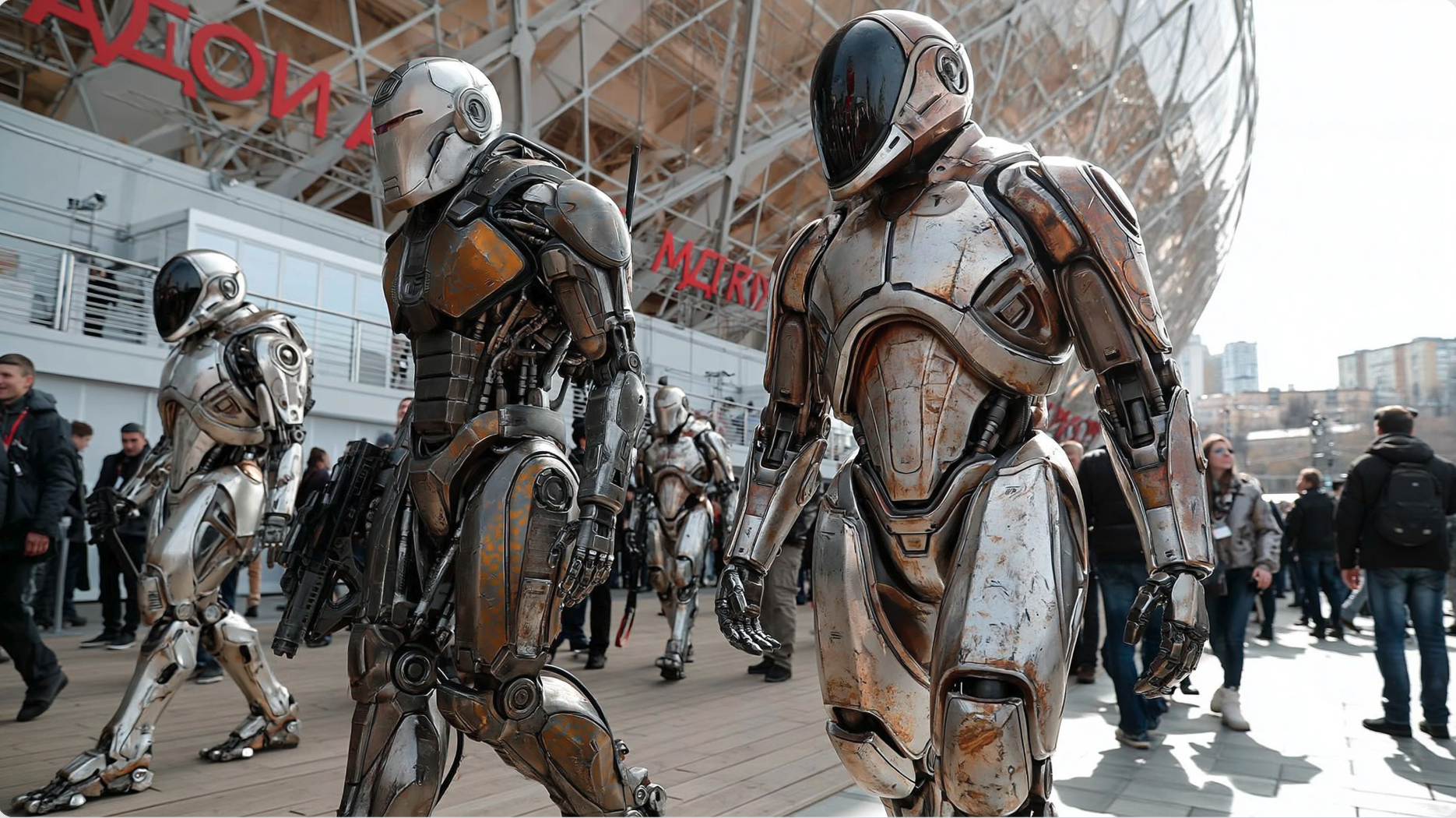
Picture the museum itself: a building organized less like a traditional exhibit hall and more like a living robotics campus, where the exhibits themselves are working machines rather than static displays behind glass.
You’d walk through a Locomotion Gallery, watching quadrupeds navigate rubble fields and humanoids climb stairs designed to trip up anything less sophisticated than cutting-edge balance control. You’d move into a Collaboration Studio, where visitors hand tools to robotic arms and watch them adapt in real time — the same warehouse and manufacturing robots reshaping supply chains, except here you’re the one giving the instructions. A Companion Wing would let kids and grandparents alike sit down with social robots designed for elder care and childhood education, testing the same emotional questions Miraikan’s exhibit already poses: does this feel like a friend, or does it feel like a machine wearing a friend’s face?
And at the center of it all, a rotating Robot of the Year exhibit — the single most advanced machine any company is willing to show the public that year, updated annually the way a car show unveils its concept vehicles, except these concepts would actually be walking around the room.
Why Robotics Companies Will Fight to Get In
Here’s the part that makes this more than a nice idea — it’s a business inevitability. Trade shows already prove the appetite exists on the industry side. RoboBoston brings together more than 50 robotics companies for a single day of public demonstrations, explicitly built around the idea that sponsorship offers “brand exposure while demonstrating a commitment to robotics, physical AI, STEM education, and innovation.” The Robotics Summit regularly showcases marquee names like Boston Dynamics, Agility Robotics, and Disney’s own animatronics division competing for the same stage time. And when Evergreen Exhibitions built its traveling “Robot Zoo” exhibition, Boeing didn’t just write a check — it became the exhibition’s national sponsor, building an entire promotional campaign for local science centers around the association.
That’s a single traveling exhibit and a handful of trade show days. Now imagine a permanent institution — millions of annual visitors, a global media footprint, school field trips scheduled a year in advance, and a brand association with “the museum where the public first met the future.” No marketing department in the robotics industry could ignore that kind of platform. The company whose humanoid greets visitors at the front entrance isn’t paying for an exhibit. They’re buying the public’s first impression of an entire product category.
Expect the same dynamics that already govern trade show sponsorship tiers — headline sponsor, gallery sponsor, rotating feature exhibit — except at a scale and permanence no single trade show could match. A humanoid robotics company that donates its latest model to a permanent “Meet the Robot” gallery isn’t making a charitable gesture. It’s securing free, continuous, trusted exposure to exactly the demographic — parents, educators, and kids who’ll be adults making purchasing and hiring decisions in fifteen years — that will determine whether the public embraces or fears their entire product line.
The Deeper Purpose: Making the Unfamiliar Familiar
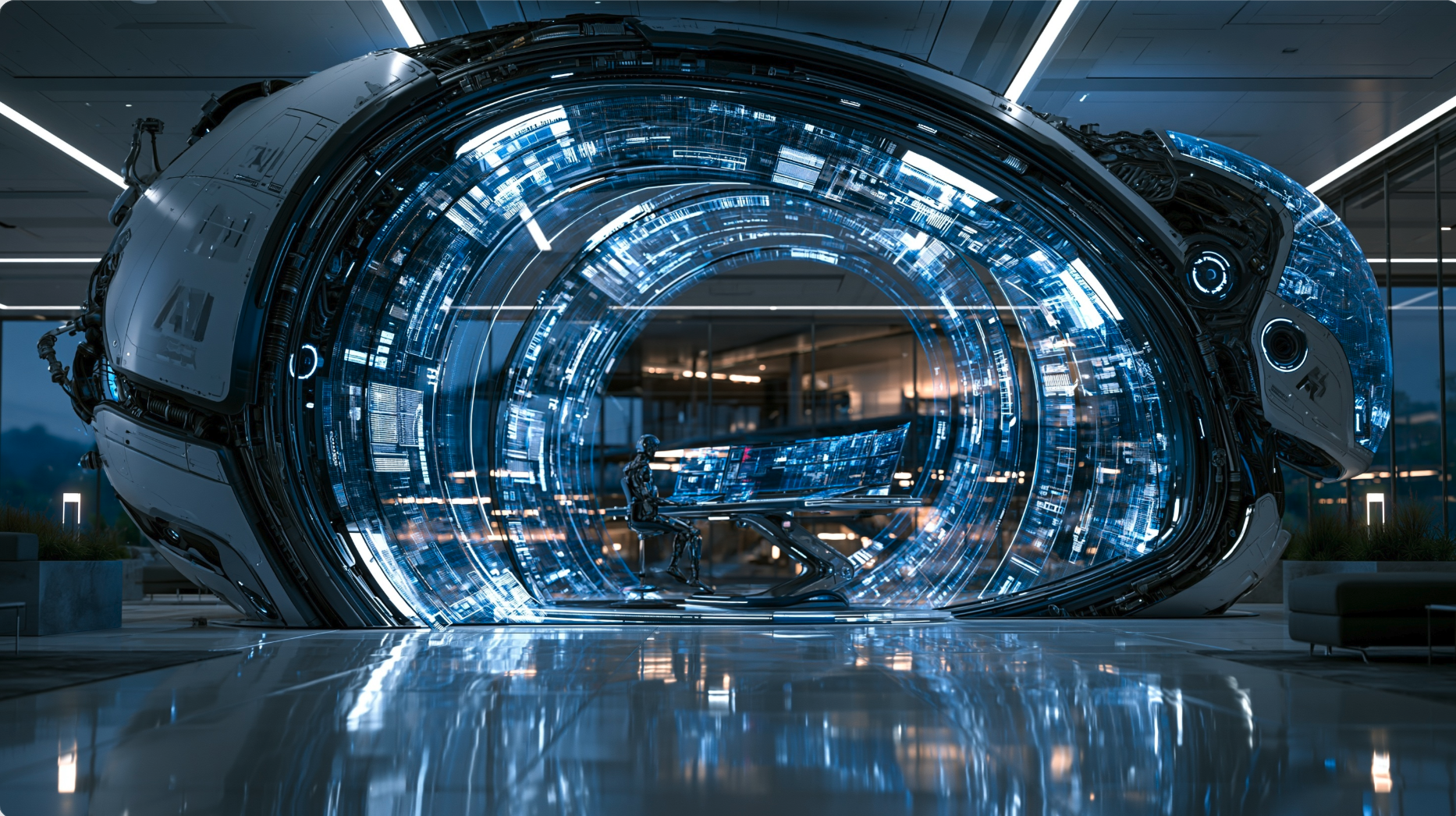
There’s a more important reason this museum needs to exist beyond marketing dollars, and it’s the same reason Oppenheimer built the original Exploratorium: fear grows fastest in the dark, and curiosity is the best light we have.
Public anxiety about robots and AI isn’t irrational — it’s the predictable result of encountering something powerful and unfamiliar mostly through headlines, viral clips, and science fiction. A museum built specifically to let people stand next to a robot, ask it questions, and watch it fail and recover in real time does something no press release can: it replaces abstraction with direct experience. You can’t be equally afraid of something you’ve watched stumble over a curb and adjust.
The robotics industry has an enormous stake in getting this transition right, and the museum model has already proven, over half a century, that it’s one of the most effective tools humanity has ever built for turning “that terrifies me” into “that fascinates me.” The company, city, or foundation that builds the first great permanent robot museum won’t just be creating an attraction. They’ll be building the trust infrastructure the entire robotics industry is going to need for the next fifty years — and every robotics company with a serious future ahead of it will want its name on the door.
Related Articles
- Miraikan (National Museum of Emerging Science and Innovation) — Hello! Robots
- V&A Dundee — Hello, Robot: Design between Human and Machine
- RoboticsTomorrow — MassRobotics Opens Sponsorship Opportunities for RoboBoston 2026