Mark Walters of UCSF Benioff Children’s Hospital Oakland explains how a CRISPR cure for sickle cell disease would benefit patients.
A small clinical trial of a CRISPR cure for sickle cell disease, approved earlier this year by the U.S. Food and Drug Administration, has received $17 million to enroll about nine patients, the first of which may be selected before the end of the year.
The funds — $8.4 million from the California Institute for Regenerative Medicine (CIRM) and $8.6 million from the National Heart, Lung, and Blood Institute (NHLBI) — were awarded to UCSF Benioff Children’s Hospital Oakland, which will coordinate the four-year clinical study in collaboration with colleagues at the University of California, Berkeley, and UCLA.
The trial will be among the first to apply CRISPR-Cas9 gene editing technology in humans to snip out the mutated beta-globin gene that causes the disease and replace it with the correct version, which should cure the patient and prevent the painful symptoms and early death that accompany the disease.
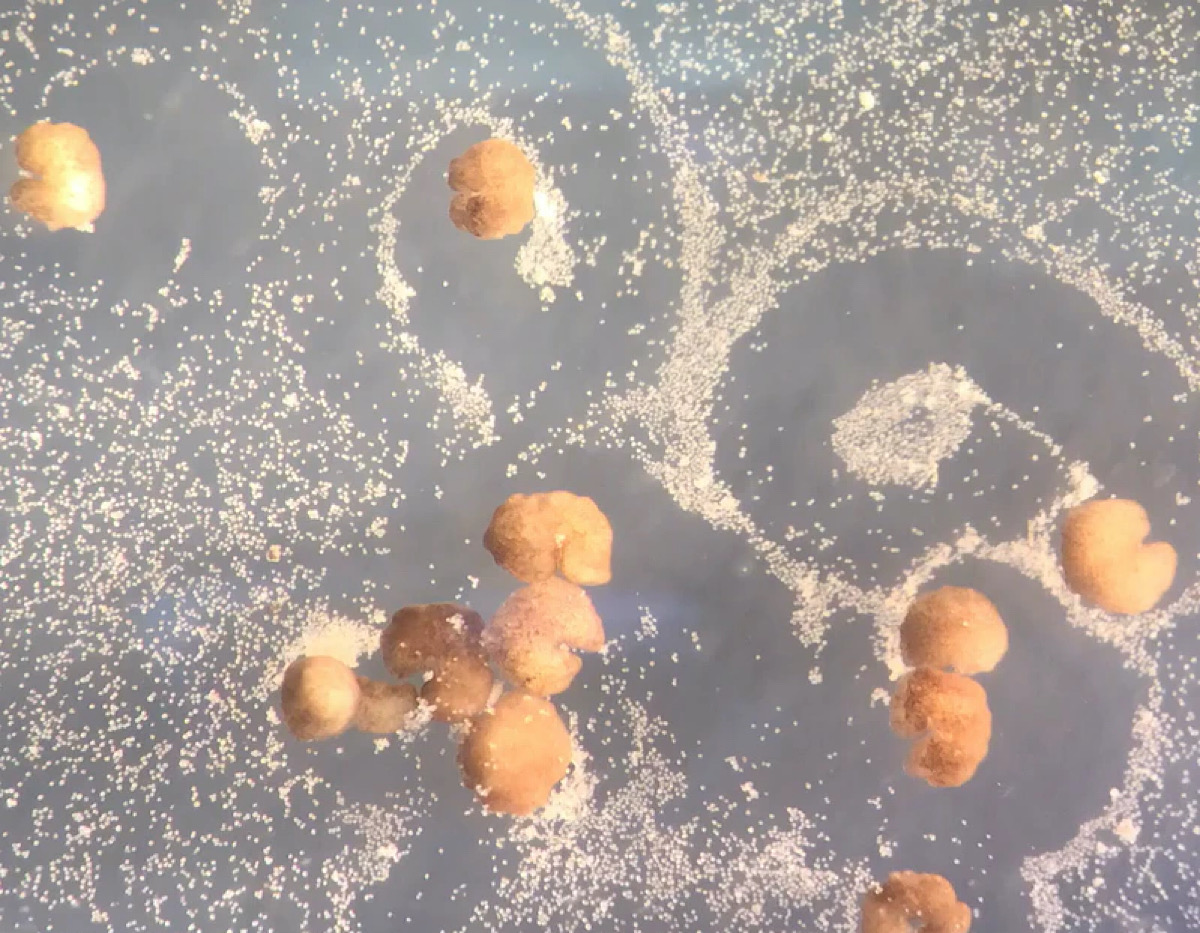
This will be the only trial to deliver the Cas9 enzyme and the correct beta-globin gene into a patient’s stem cells without using a virus. The therapy, referred to as CRISPR_SCD001, involves inserting the beta-globin gene and Cas9 enzyme into stem cells via electroporation after the cells have been removed from the patient’s bone marrow. The corrected stem cells are then reinfused to multiply and repopulate the patient’s bone marrow.
Continue reading… “$17 million will launch trial of CRISPR cure for sickle cell disease”