Move Over Crude Oil: Scientists Turn Plastic Waste Into Paracetamol Using Engineered Bacteria

In a world increasingly burdened by both plastic waste and carbon emissions, scientists at the University of Edinburgh have developed a breakthrough method that could change how we produce everyday medicines. Instead of relying on crude oil and energy-intensive chemical processes, researchers have found a way to turn plastic waste into paracetamol (also known as acetaminophen)—using nothing more than genetically engineered bacteria.

Traditionally, paracetamol is manufactured from fossil fuel-derived compounds. The production process burns through vast amounts of crude oil, contributing heavily to global carbon emissions. Each year, thousands of tons of fossil fuels are consumed to manufacture medicines like paracetamol, generating significant environmental costs.

Continue reading… “Move Over Crude Oil: Scientists Turn Plastic Waste Into Paracetamol Using Engineered Bacteria”

Laser Power Beaming Breakthrough: DARPA Sets New Record in Wireless Energy Transmission

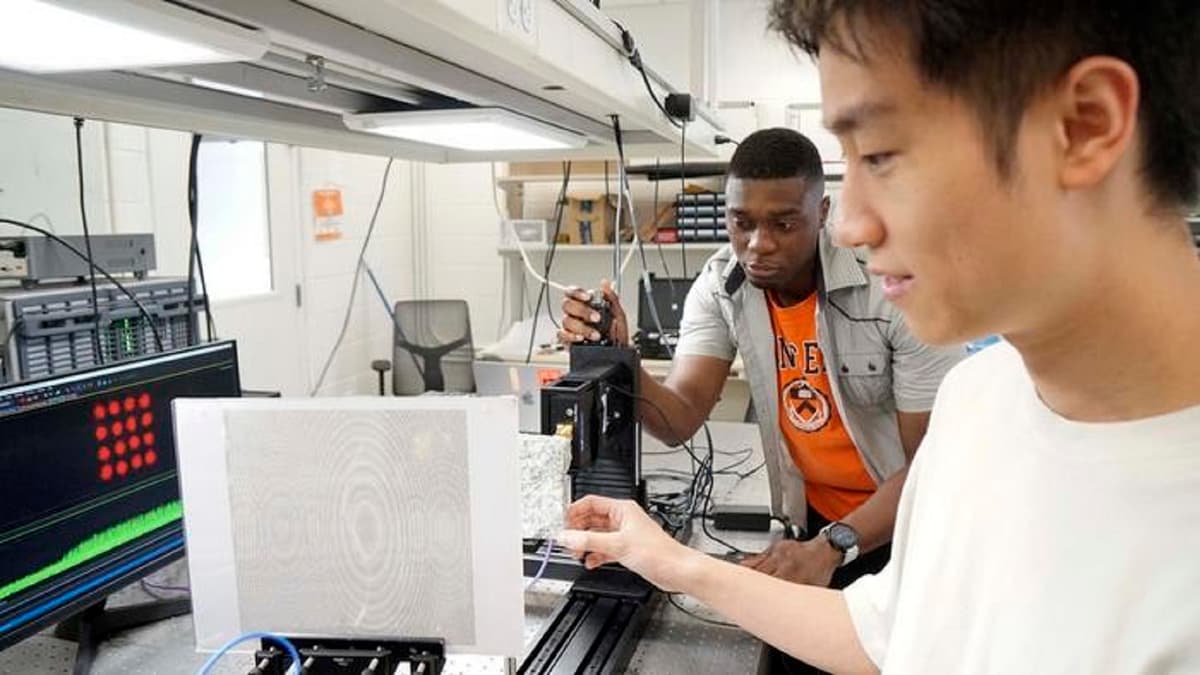
In a breakthrough that pushes the boundaries of science fiction into reality, the U.S. military’s Defense Advanced Research Projects Agency (DARPA) has set a new record for wireless energy transmission. As part of its Persistent Optical Wireless Energy Relay (POWER) program, DARPA successfully beamed more than 800 watts of power across a distance of 5.3 miles (8.6 kilometers) using a laser. This achievement not only demonstrates the feasibility of long-distance wireless power but also represents a significant leap forward for both military and civilian energy systems.

The test took place at the U.S. Army’s White Sands Missile Range in New Mexico. During the experiment, a laser was directed through a narrow aperture, reflected off a parabolic mirror, and focused onto a receiver equipped with high-efficiency solar cells. The result was a 30-second energy pulse with an efficiency of approximately 20 percent—impressive given the challenges of atmospheric interference and energy conversion losses over such a long distance. As a playful demonstration of the system’s effectiveness, some of the transmitted power was used to pop popcorn at the receiving end.

Continue reading… “Laser Power Beaming Breakthrough: DARPA Sets New Record in Wireless Energy Transmission”

ETRI Unveils Hyper-Realistic AI Avatars from a Single Photo to Power Next-Gen Human-Machine Interaction

South Korea’s Electronics and Telecommunications Research Institute (ETRI) has developed advanced AI technology capable of generating hyper-realistic avatars that can speak and interact naturally using only a single portrait photo. This breakthrough is positioned as a next-generation interface for intuitive communication between humans and machines, particularly in the context of fully autonomous vehicles.

Unlike conventional AI assistants, which typically follow scripted commands with minimal facial movement, ETRI’s avatars feature detailed facial expressions and precise mouth synchronization. This enables the avatars to engage in lifelike, conversational interactions, transforming the experience of in-vehicle communication. The avatars can simulate realistic communication not only with drivers but also with pedestrians, supporting more natural and human-centered dialogue.

Continue reading… “ETRI Unveils Hyper-Realistic AI Avatars from a Single Photo to Power Next-Gen Human-Machine Interaction”

China Sets New Maglev Speed Record with 650 km/h Sprint on Compact Test Track

China’s maglev research program has reached a major milestone by accelerating a 1.1-tonne test vehicle to 650 km/h (about 404 mph) in just seven seconds, all within a 600-meter stretch of track. The achievement took place at Donghu Laboratory in Hubei Province, where engineers are developing short-distance, high-speed test methods that depart from the traditional long test tracks typically used for such experiments.

Instead of relying on multi-kilometer tracks to test acceleration and braking, the Donghu team implemented a compact 1-km demonstration line. The system uses electromagnetic propulsion, with a high-power linear motor paired with magnetic levitation that keeps the vehicle hovering just above the guideway. With no physical contact between the vehicle and the track, the system only contends with aerodynamic drag, allowing for rapid acceleration and precise braking.

Continue reading… “China Sets New Maglev Speed Record with 650 km/h Sprint on Compact Test Track”

MIT Researchers Pioneer Low-Temperature 3D Printing Technique for Glass

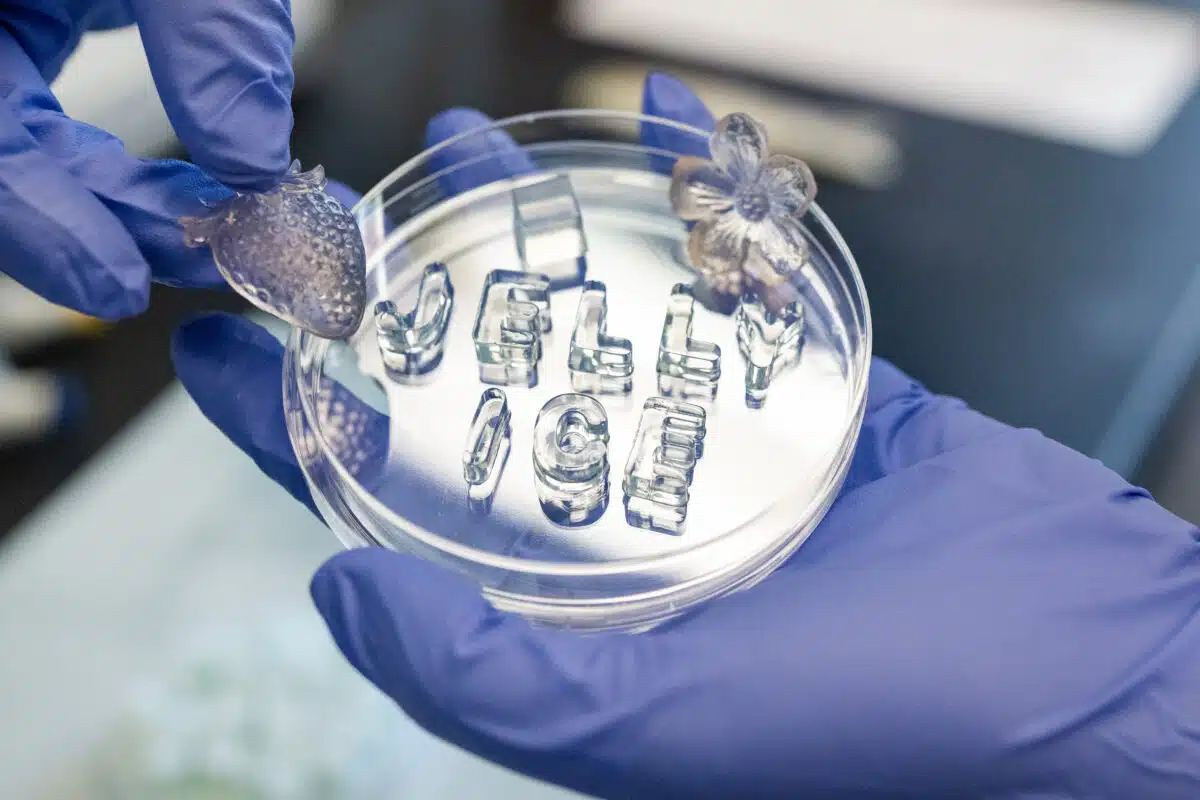
Researchers at MIT Lincoln Laboratory have unveiled a groundbreaking method for 3D printing glass that dramatically reduces the heat typically required for glass production. This innovative process enables the creation of complex glass structures at room temperature, using a technique known as direct ink writing, and requires curing at only 250°C—far below the 1,000°C or more usually needed in traditional glassmaking.

Using this low-temperature additive manufacturing method, researchers successfully fabricated glass cups with tailored optical properties. These properties can be customized by modifying the chemical composition of the specially formulated inks used during printing. The inks are composed of inorganic particles suspended in a silicate-based solution, which gives engineers control over the final material’s optical, electrical, and chemical characteristics.

Continue reading… “MIT Researchers Pioneer Low-Temperature 3D Printing Technique for Glass”

Smart Contact Lens Offers 24/7 Glaucoma Monitoring, Even While You Sleep

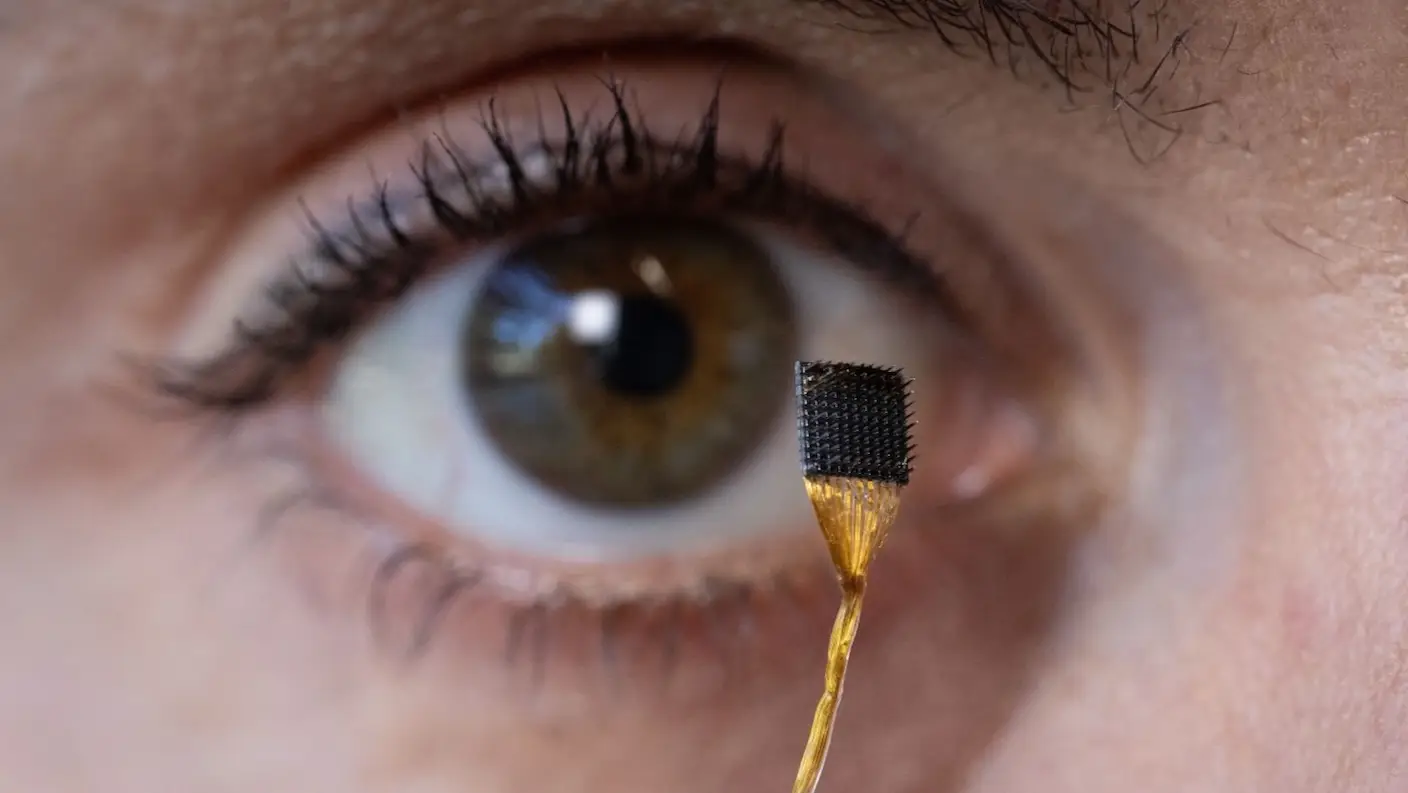
Most glaucoma damage occurs when patients are unaware—often while they’re asleep. Traditional eye pressure tests only work when the eyes are open and the patient is in a clinical setting, which means that critical nighttime spikes in intraocular pressure often go undetected. These spikes can lead to permanent vision loss. A breakthrough smart contact lens aims to change that.

Developed by scientists at the University of Electronic Science and Technology of China, this new contact lens can simultaneously monitor intraocular pressure and track eye movements. Unlike conventional devices, it continues to function when the eyes are closed, transmitting data wirelessly to sensors built into a pair of specially designed eyeglass frames.

Continue reading… “Smart Contact Lens Offers 24/7 Glaucoma Monitoring, Even While You Sleep”

E-MINDS Project Brings Efficient AI to Tiny IoT Devices

Artificial intelligence is often associated with heavy computing demands and high energy consumption—obstacles that limit its use in the Internet of Things (IoT), where sensors and devices typically run on minimal power and processing capabilities. However, researchers from the E-MINDS project have developed methods to make AI efficient enough to run on extremely limited hardware, paving the way for smarter, low-power applications in industry and beyond.

A joint initiative involving the COMET K1 center Pro2Future, Graz University of Technology (TU Graz), and the University of St. Gallen, the E-MINDS project has demonstrated how specialized AI models can operate locally on devices with just 4 kilobytes of memory. These models are able to perform tasks such as identifying sources of interference in ultra-wideband (UWB) localization systems, without relying on cloud computing or external processors.

Continue reading… “E-MINDS Project Brings Efficient AI to Tiny IoT Devices”

Berkeley Humanoid Lite: Making Robotics More Accessible

Engineers at UC Berkeley have introduced the Berkeley Humanoid Lite, a low-cost, fully open-source humanoid robot aimed at lowering the barrier to entry for robotics enthusiasts. Designed with accessibility and affordability in mind, the robot uses 3D-printed parts and readily available components, keeping the overall cost below $5,000 and requiring no specialized equipment to build.

Standing about one meter tall and weighing 35.2 pounds (16 kilograms), the humanoid features modular actuators powered by cycloidal gears—an efficient and durable mechanical design. The robot’s entire hardware, software, and training resources are openly available, enabling users to build, modify, and enhance the system with ease.

Continue reading… “Berkeley Humanoid Lite: Making Robotics More Accessible”

Turning Carbon Dioxide into Cement Precursors: A New Path to Sustainable Construction

A team of chemists from the University of Michigan, University of California, Davis, and University of California, Los Angeles has developed a novel method to capture carbon dioxide and convert it into metal oxalates—solid compounds that can serve as precursors for cement production. This breakthrough offers a promising route to reduce industrial carbon emissions and repurpose CO₂ into valuable materials.

Led by Charles McCrory, associate professor of chemistry and macromolecular science and engineering at the University of Michigan, the research is part of the Center for Closing the Carbon Cycle (4C), an Energy Frontier Research Center. The 4C initiative, directed by Jenny Yang at UC Irvine, focuses on developing methods to transform captured carbon dioxide into usable fuels and products.

Continue reading… “Turning Carbon Dioxide into Cement Precursors: A New Path to Sustainable Construction”

Probiotic-Powered Biodegradable Battery Offers New Possibilities for Medical Applications

Researchers at Binghamton University have developed a groundbreaking biodegradable battery powered by a blend of 15 probiotic strains, marking the first time probiotics have been used for power generation. Harmless to humans and the environment, this innovative battery is designed to operate temporarily within the body before dissolving safely.

Built on a water-soluble paper substrate, the battery features biodegradable materials and a pH-sensitive polymer coating that allows it to activate in acidic environments, such as the human stomach. Upon exposure to water or bodily fluids, the paper dissolves, releasing probiotics from protective layers. These probiotics then metabolize available substances to generate electricity.

Continue reading… “Probiotic-Powered Biodegradable Battery Offers New Possibilities for Medical Applications”

Laser-Controlled Soft Robotic Arm Mimics Octopus Movements

A flexible, octopus-inspired robotic arm may soon operate entirely free of wires or internal electronics. Developed by engineers at Rice University, this new soft robotic arm is controlled by laser beams and capable of executing complex tasks such as navigating around obstacles and precisely hitting targets.

This innovation marks the first real-time, reconfigurable, and automated control of a light-responsive material used in soft robotics. The key to the arm’s movement lies in a specialized material known as azobenzene liquid crystal elastomer. This light-responsive polymer contracts under blue laser light and quickly returns to its original shape in the dark, allowing for rapid, programmable motion.

Continue reading… “Laser-Controlled Soft Robotic Arm Mimics Octopus Movements”

South Korean Researchers Create World’s First All-Carbon Nanotube Electric Motor

A research team in South Korea has developed the world’s first fully functional electric motor constructed entirely without metal components. Replacing traditional copper coils with carbon nanotubes (CNTs), this breakthrough marks a major step toward ultra-lightweight transportation systems. The CNT motor demonstrates a 133% improvement in electrical conductivity and weighs 80% less than conventional designs.

Lightweighting remains a key challenge in the development of electric vehicles, drones, and spacecraft. Lighter components not only reduce energy consumption but also increase battery efficiency and extend operational range. The newly developed motor, created by researchers at the Korea Institute of Science and Technology (KIST), successfully powers a toy car at speeds exceeding half a meter per second, showcasing its potential in practical applications.

Continue reading… “South Korean Researchers Create World’s First All-Carbon Nanotube Electric Motor”
Discover the Hidden Patterns of Tomorrow with Futurist Thomas Frey
Unlock Your Potential, Ignite Your Success.

By delving into the futuring techniques of Futurist Thomas Frey, you’ll embark on an enlightening journey.

Learn More about this exciting program.