Futurist Thomas Frey: Hearing aids are for old people. At least that’s what I thought when I was young and invincible attending rock concerts far louder than they should have been.
Global energy an utilities sectors faces significant challenges from ongoing environmental sensitivity.
Gartner, Inc. has released a new report that identifies the top ten technology trends affecting the global energy and utility markets in 2013, as the industry faces significant challenges from ongoing environmental sensitivity, changing policymaker attitudes and consumer expectations.
Americans enjoy diving into a good book, but more and more of them prefer the digital version.
Ebook sales made up 22.5 percent of the publishing industry’s net revenue last year, according to a new survey from the Association of American Publishers. That’s up from just 0.05 percent 10 years prior, when the AAP first began keeping track of ebook sales, and up from 16.98 percent in 2011. The categories that saw the biggest increase in ebook revenues included adult fiction, adult nonfiction, and religious books. Even more encouraging, the overall net revenue for the US publishing industry was $7.1 billion, up 6.2 percent from 2011.
Futurist Thomas Frey: In the late 1980s, I was an engineer working as part of an IBM team to build a mobile satellite command and control center for monitoring missile launches from space. This contract was part of Regan’s “Star Wars” missile defense system.
Futurist Thomas Frey: A couple years ago I was on a weekend outing in Vail, Colorado and ended up attending a kayaking tournament taking place on the Gore Creek in the heart of town.
For every emergency situation, a city’s first response will be to “get eyes on” the situation
Futurist Thomas Frey: Yes, drones have been around for a long time and the military has already committed countless billions to drone R&D, but when a U.S. Senator dedicates 13 hours to filibuster the topic of drones, it signals far more than a token political move.
People between 18 and 34, the Millennials, don’t care about driving nearly as much as the generations before them, according to a new report from Zipcar. There are many reasons why, but they boil down to less money and more options.
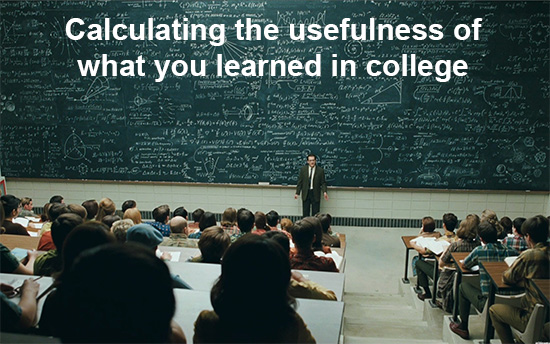
Futurist Thomas Frey: Last week I went through the process of analyzing how much of what I learned in college that I’m still using today. This ends up being a difficult thing to assess.
College graduates who are unemployed and have had to move back in with their parents have become a stock figure of the past few years and is helping to cement the Millennials’ reputation as the “Boomerang Generation.” How many of these graduates are returning to live with mom and dad ((or their aunt or uncle)?
Futurist Thomas Frey: Last week I was speaking at the MD&M West Expo in Anaheim, California on the “future of manufacturing.” With over 2,000 manufacturing exhibitors filling the convention center, there was no small amount of interest in this topic.
81% of U.S. adults use the internet for health information.
For Pew Internet’s September 2012 health survey, they explored how U.S. adults are using the internet and digital technology as tools related to health and healthcare. Among the findings:
The jobs where the gap is biggest pay more, on average, than the jobs where the gap is lowest.
On average, women are paid significantly less than men even when they are doing the same jobs. But the gap varies dramatically for workers in different jobs.