Emergency organ transplant drones are on the horizon

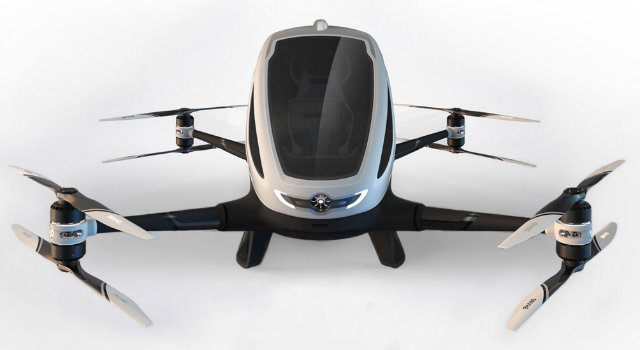
EHANG-184

EHang recently announced an agreement to deploy a fleet of passenger drones for the purpose of delivering organs to transplant patients. The Manufactured Organ Transport Helicopter (MOTH) will work with Maryland-based Lung Biotechnology PBC to customize the 184-drone to well suited for the task.

Microsoft testing DNA for its potential in data storage

dataDNA

“Today, the vast majority of digital data is stored on media that has a finite shelf life and periodically needs to be re-encoded. DNA is a promising storage media, as it has a known shelf life of several thousand years, offers a permanent storage format and can be read for continuously decreasing costs,” says Emily M. Leproust CEO of Twist Bioscience. The company from whom Microsoft just bought 10 million strands of DNA.

Continue reading… “Microsoft testing DNA for its potential in data storage”

6.3 million liters of drinkable seawater made per day by scientists in India

seawater

A new filtration method has allowed scientists in India to make potable water from seawater. 6.3 million litres made by using waste steam from a nuclear reactor to purify the water. The filtration methods also filter out arsenic and uranium from groundwater.


Continue reading… “6.3 million liters of drinkable seawater made per day by scientists in India”

New breakthrough in solar technology by Australian researchers

solar

A new solar cell that is flexible and non-toxic, has been developed by researchers at Australia’s University of New South Wales. The new cells are also cheap to make and are the next step to zero-energy buildings.  Until now solar cells have been made from scarce and toxic materials.

Continue reading… “New breakthrough in solar technology by Australian researchers”

Honda explores the future of autonomous vehicles

honda

With the natural urge to explore, humans have been pushing the limits of possibility. It all starts with the great migration, when humans sought to conquer new terrains and now we are exploring innovative revolution like self-driving cars.

Continue reading… “Honda explores the future of autonomous vehicles”

Scientifically designed music to help improve concentration

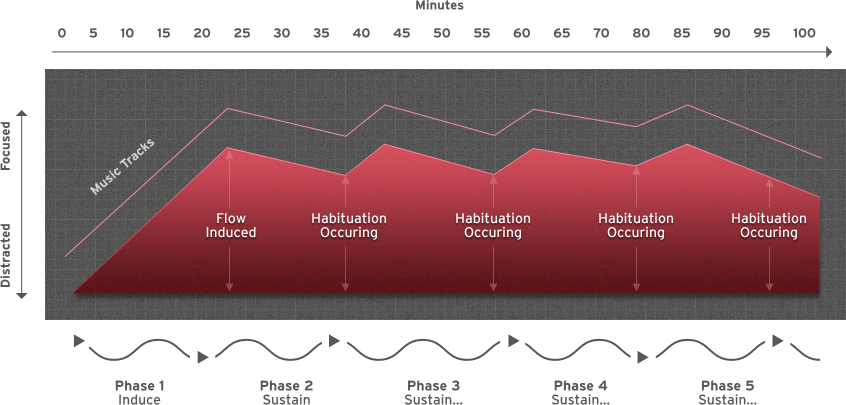
A new music service called Focus@will helps you to reduce distractions and maintain productivity. The neuroscience tested technology can alter the brain to a state of improved productivity. Most people can only concentrate for a maximum of about 100 continuous minutes before needing to take a quick break to stretch, move about, maybe get a drink of water, and so on before they resume for another session. The focus@will system makes it faster and easier for you to concentrate – it brings you a focused flow state and then keeps you there.

Continue reading… “Scientifically designed music to help improve concentration”

How to ditch the bank and only use BitCoin

bitcoin

Over the past few years it has been made easier to turn BitCoin back into real currency making it possible to live entirely off BitCoin currency and get rid of those pesky banks. Though do not take it all for granted just like any currency it has its issues and the fact that it’s all digital leave some opportunities for cyber attacks, but with the proper tools and practices you can limit the risks. Check out this blogpost detailing how you too can be free of banks, using BitCoin.

Continue reading… “How to ditch the bank and only use BitCoin”

Blockchains are becoming the new secure way to share data

bitcoin

Even in 1981 inventors were trying to solve the Internets problems of privacy, security and inclusion with cryptography. With every new process, no solution was perfect, because a third party was involved. Paying with credit card was insecure because too much personal information was involved and transaction fees were steep. In 1998, Nick Szabo wrote a short paper entitled “The God Protocol” in which his point was: Doing business on the Internet requires a leap of faith.

Continue reading… “Blockchains are becoming the new secure way to share data”

Microscopic robots get tiny practical engines

nanoscale-engine-2

Making machines smaller and smaller is becoming easier and easier to the point we can now make working machines that are only the size of complex molecules. The problem is making them work. Researchers have tried various power an propulsion systems, but they lack  speed, strength and control. However, with the creation of tiny engines, nanobots could be coming to living cells near you.

Continue reading… “Microscopic robots get tiny practical engines”

Permission has been granted to a biotech company allowing them to attempt to reactive the brains of brain dead patients using stem cells

coma_patient

An institutional Review Board has given ethical permission to stimulate the brains of  20 brain dead patients to see if people can be partly revived. The highly controversial study, ReAnimaproject, which will start next year in India, will stimulate the nervous system in order to restore the brain.

Continue reading… “Permission has been granted to a biotech company allowing them to attempt to reactive the brains of brain dead patients using stem cells”

Discover the Hidden Patterns of Tomorrow with Futurist Thomas Frey
Unlock Your Potential, Ignite Your Success.

By delving into the futuring techniques of Futurist Thomas Frey, you’ll embark on an enlightening journey.

Learn More about this exciting program.