
Blue is the rarest color in the natural food world. Nature has no shortage of reds, yellows, and greens—but a true, stable blue has always been a unicorn. Even the blue of the sky or a butterfly’s wings isn’t pigment at all, but a trick of light. That scarcity has kept food companies chained to synthetic colorants like Blue No. 1 and Blue No. 2—petroleum-based stand-ins with mounting regulatory targets on their backs.
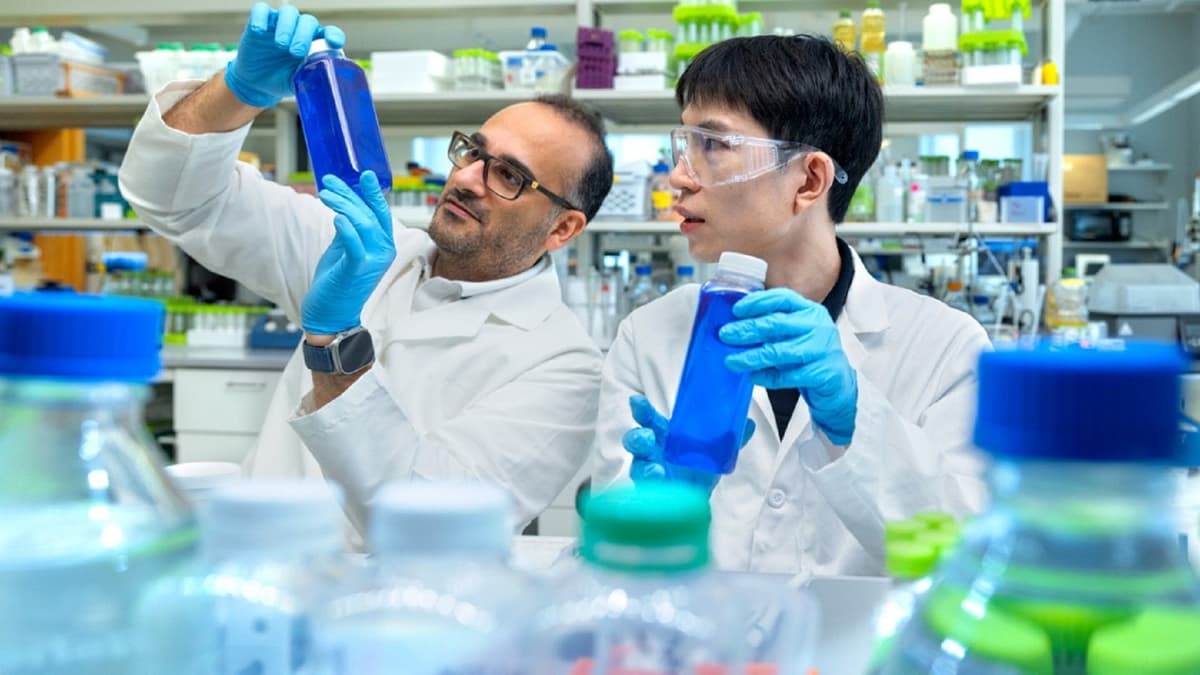
Now, a team at Cornell University believes they’ve cracked the code. Using phycocyanin, the electric-hued protein that makes spirulina famous, they’ve engineered a stable, vibrant, natural blue dye that can survive the rigors of commercial food production. And they didn’t stop at color—this new form of phycocyanin can also act as an emulsifier and antioxidant, giving it a multifunctional edge synthetic dyes can’t touch.
The problem with natural blues has always been fragility. Heat, light, and time break them down quickly—making them useless for everything from candies to beverages. The Cornell team’s breakthrough came from a counterintuitive approach: breaking the protein apart. By using a denaturant to split phycocyanin into smaller, uniform fragments, they made it more stable, more functional, and still just as dazzling. Advanced small-angle X-ray scattering confirmed the nanoscale structure held up under pressure.
What’s at stake is more than just prettier frosting. Synthetic blues are under the same legislative siege that’s already banned Red No. 3 in California, with mounting evidence tying some artificial dyes to hyperactivity in children and other health risks. Consumers are voting with their wallets, pushing brands toward “clean label” products.
If Cornell’s algae-powered blue scales commercially, it could flip the script—turning one of food science’s rarest, most stubborn challenges into a triple-threat ingredient that colors, protects, and stabilizes all at once.
It’s not just a prettier blue. It’s the color of a market shift—and maybe the beginning of the end for petroleum-based dyes hiding in plain sight on our plates.