
By Futurist Thomas Frey
The Most Valuable Land Nobody Wants
There’s a parking lot across from where my office used to be in downtown Denver. It’s an ugly scar of asphalt covering half a city block. On a good day, it generates maybe $30,000 a year in parking fees.
The land it sits on? Worth about $15 million.
That’s a 0.2% return on asset value. Possibly the worst-performing real estate investment in the entire city. And there are thousands just like it across America.
By 2040, that parking lot will be gone. So will virtually every parking lot in downtown Denver. And Seattle. And Austin. And every other American city.
They’ll be replaced by apartment buildings, offices, parks, restaurants—anything that actually generates value from expensive urban land.
This isn’t speculation. It’s inevitable math. Driverless cars don’t need to park near their destination. They drop you off and leave—returning home, picking up another passenger, or repositioning for the next ride. Parking becomes obsolete.
And parking is just the beginning. When autonomous vehicles arrive in the late 2020s and early 2030s, they’ll trigger the largest infrastructure transformation in American history. Everything designed around human drivers—parking lots, drive-thrus, gas stations, even traffic lights—becomes instantly obsolete.
The physical landscape of America is about to change more in 20 years than it has in the previous 70.
The Parking Apocalypse
Let’s start with the sheer scale of parking in America.
Nobody knows exactly how many parking spaces exist, but estimates range from 500 million to 2 billion. In a country of 330 million people, that’s between 1.5 and 6 parking spaces per person.
The average parking space is about 180 square feet. Do the math: we’re talking about 90 billion to 360 billion square feet of American land covered in parking. That’s somewhere between 2 million and 8 million acres—an area larger than Connecticut—just sitting empty most of the time.
In cities, this is insane. Downtown Los Angeles is approximately 14% parking. Houston: 30% of downtown. Des Moines: over 60% when you include streets.
This land is staggeringly valuable in urban cores. A downtown parking lot in San Francisco might sit on land worth $400-600 per square foot. A typical surface lot covering 40,000 square feet represents $16-24 million in land value, generating maybe $200,000 annually—a 1% return or less.
Why does this persist? Because until now, we had no alternative. People drive to destinations and need somewhere to leave their cars.
Autonomous vehicles eliminate this necessity overnight.
Here’s the new pattern: You summon an AV. It arrives in 2-4 minutes. It drives you downtown to a restaurant and drops you at the door—literally at the entrance, not in a parking lot two blocks away. Then it leaves.
Where does it go? Returns home if you own it. Picks up another passenger if it’s a fleet vehicle. Or repositions to an area with high demand. None of these options involve parking near where you’re eating dinner.
When you’re ready to leave, you summon the car. It arrives in minutes. You’re home soon after. Total parking time: zero.
Multiply this across millions of daily trips, and parking demand collapses. Not slowly. Almost immediately once AVs reach 30-40% of urban trips.
The Conversion Timeline
2028-2033: Early adopters
First conversions happen in tech-hub cities—San Francisco, Seattle, Austin. Initial conversions target the most valuable lots: downtown surface parking in prime locations.
The economics are obvious. A parking lot worth $20 million generating $150,000 annually gets sold to developers who build a mixed-use building worth $60 million generating $4 million annually in rent.
You don’t need 100% AVs to trigger this. You need 30-40% to make parking lots unprofitable.
2033-2040: The cascade
As AV adoption accelerates to 60-70% of urban trips, parking demand collapses. Parking lot operators see revenue drop 50-70%. Many go bankrupt.
Cities face a choice: keep requiring parking minimums for new buildings (making development uneconomical), or eliminate parking requirements (triggering a construction boom).
Progressive cities eliminate parking requirements. Development explodes. These cities thrive.
Conservative cities maintain parking requirements. Development stagnates. These cities decline.
2040-2045: Near-total elimination
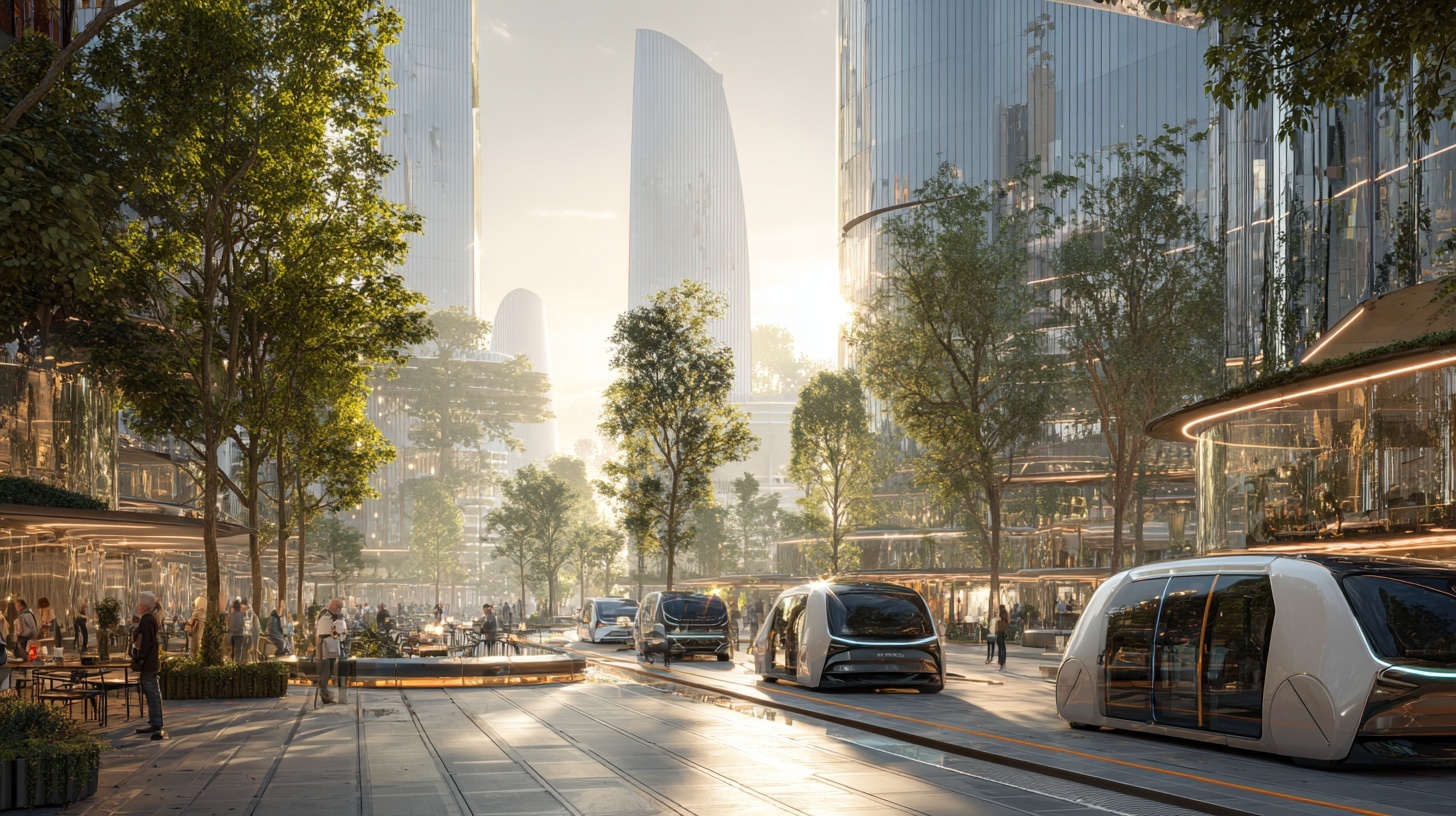
By 2040, downtown parking in major metros is virtually gone. Former parking lots become high-density housing, office buildings, parks, retail, or mixed-use developments.
Cities that convert parking lots fastest see the biggest benefits. Cities that delay struggle to catch up.
2045+: Suburban adaptation
Suburban parking lots take longer—land is cheaper, so the economic incentive is weaker. But eventually, even suburban mall parking lots shrink dramatically or disappear.
Malls that adapt by building housing or entertainment venues on former parking survive. Malls that don’t adapt die.
What This Does to Cities
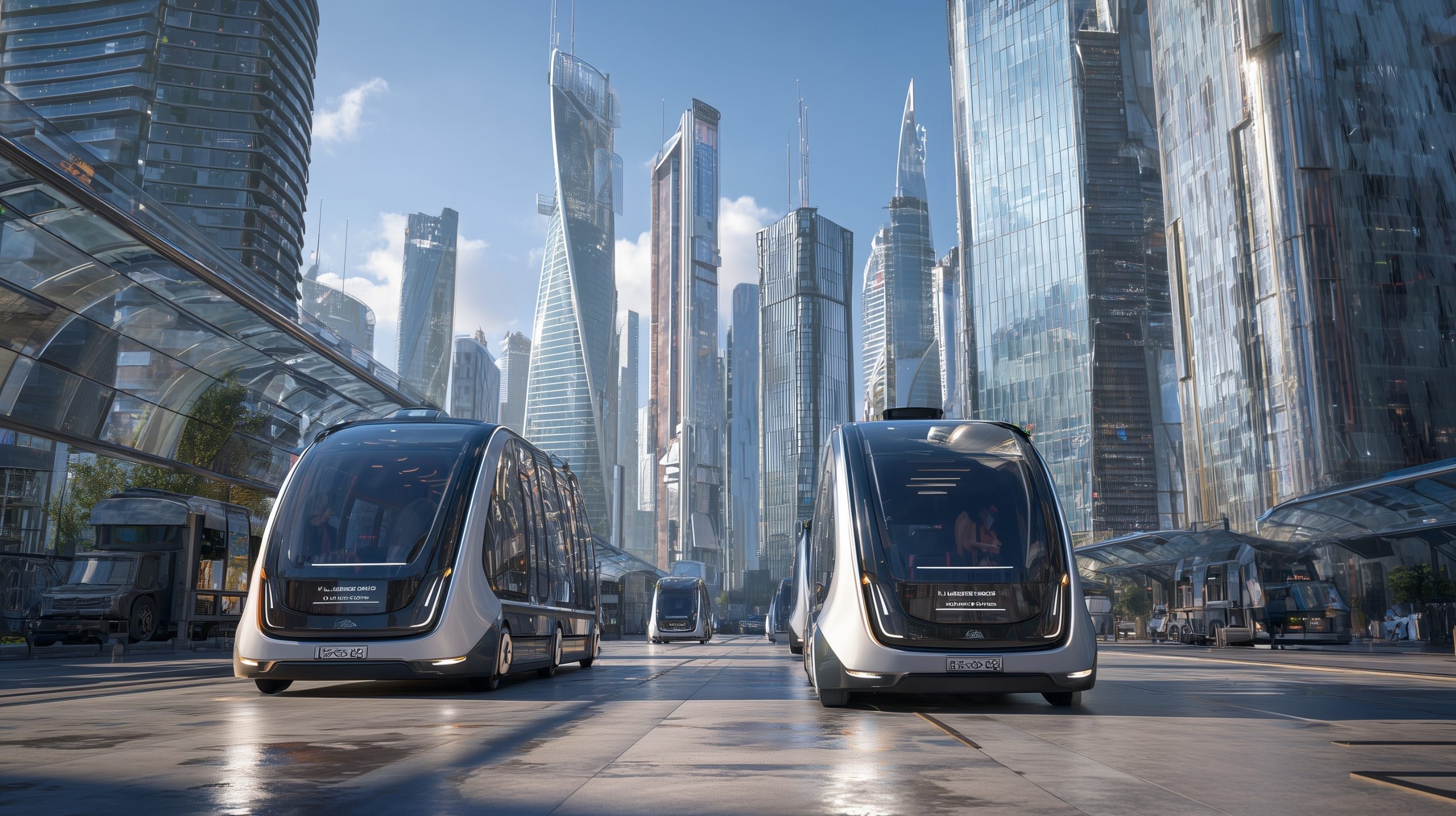
The parking apocalypse creates the most dramatic urban transformation since the interstate highway system.
Density increases dramatically: When parking lots become buildings, urban density can double or triple without expanding city boundaries. Housing costs drop as supply increases. Walkability improves. Transit becomes viable. Carbon emissions drop.
Street parking disappears: Those parking lanes become wider sidewalks, protected bike lanes, bus rapid transit lanes, outdoor dining, trees, and green infrastructure. Streets become spaces for people, not car storage.
Property values shift: Proximity to parking loses value. Proximity to destinations gains value. Buildings with ground-floor parking garages get converted to retail, housing, or office space.
City budgets transform: Parking revenue disappears—major budget impact. But property tax revenue increases as parking lots become taxable buildings. Cities that adapt their revenue models thrive. Cities dependent on parking revenue face budget crises.
The Drive-Thru Dies
Drive-thru restaurants become obsolete for a different reason: you can order ahead.
Current drive-thru model: You drive to McDonald’s. You wait in line—average 6-7 minutes. You order at the speaker. You wait more. You pick up at the window. Total time: 10-12 minutes.
AV model: You order via app at home or work. Your AV leaves to pick up the food, arriving precisely when it’s ready. An employee places food in a secure compartment. The AV returns. Your total time: 30 seconds to order via app.
Drive-thrus become unnecessary. They’re actually slower than curbside pickup for AVs.
What replaces them: Curbside pickup zones where AVs arrive in synchronized waves. Delivery optimization. Smaller restaurant footprints because drive-thru lanes get eliminated.
Fast food architecture completely changes. Drive-thrus that currently dominate suburban roadways disappear.
Timeline:
- 2028-2033: Chains experiment with AV-only pickup zones
- 2033-2038: New construction shifts away from drive-thrus
- 2038-2045: Existing drive-thrus close or convert
- 2045+: Drive-thrus become historical curiosities
Gas Stations Become Relics
There are roughly 150,000 gas stations in America. They exist because internal combustion engines need regular refueling.
Autonomous vehicles will be overwhelmingly electric. And electric vehicles don’t refuel at gas stations—they charge wherever they park.
The charging difference: A gas car needs a dedicated stop to refuel. An electric AV charges opportunistically. When it drops you off, it drives to the nearest charging spot and plugs in while waiting. Or it returns home and charges in your garage. Or fleet vehicles charge at depot locations overnight.
There’s no need for dedicated refueling locations.
What happens to gas stations:
Highway gas stations dependent on travelers close first. Urban gas stations lose business as EV adoption increases. By 2035-2040, many are unprofitable.
Convenience stores either convert to pure convenience/food locations (no fuel) or close if the location isn’t viable without fuel traffic.
Timeline:
- 2028-2033: Gas stations in EV-heavy cities begin closing
- 2033-2040: 30-50% close nationwide
- 2040-2050: 70-80% close as internal combustion vehicles become rare
- 2050+: Gas stations exist only as specialty services
Former gas stations become fast food, retail, charging stations, or get demolished. Environmental bonus: removing 150,000 underground fuel tanks eliminates major groundwater contamination risks.
Traffic Infrastructure Simplification
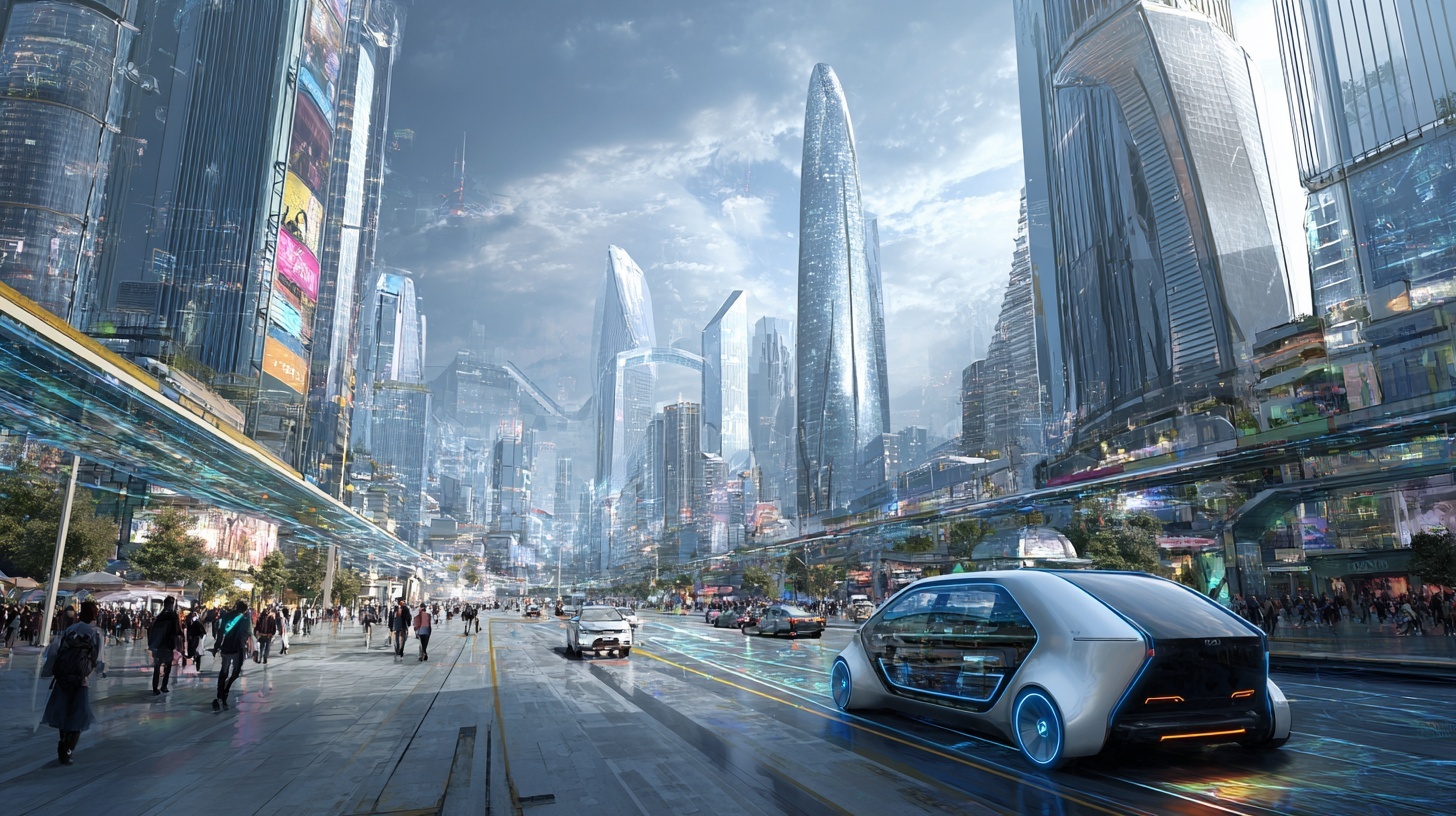
Less visible but equally significant: traffic control infrastructure becomes simpler.
Traffic lights: AVs can coordinate directly via vehicle-to-vehicle communication. AVs approaching an intersection negotiate passage order in real-time, optimizing flow without stopping. No red lights. No waiting. Just continuous flow.
Cities won’t eliminate all traffic lights immediately—pedestrian crossings still need them. But over time (2040+), some intersections become light-free zones where AVs and pedestrians negotiate space dynamically.
Road signage: AVs navigate via GPS and sensors. They don’t read street signs. Most road signage becomes unnecessary—speed limits, lane designations, directions, warnings. AVs receive this information via mapping data and detect hazards via sensors.
The visual clutter of American roadways dramatically decreases.
Road width: Human drivers need wide lanes because humans make steering errors. AVs maintain precise positioning. Current highway lanes: 12 feet wide. AV-optimized lanes: 9-10 feet wide.
This 20-25% width reduction means existing roads can accommodate more lanes, or roads can be narrowed and excess space converted to bike lanes, sidewalks, or green space.
The Real Estate Gold Rush
The parking apocalypse creates the biggest real estate opportunity in American history.
Conservative estimate: 1 billion parking spaces × 180 sq ft = 180 billion square feet of developable land. If just half is in viable locations, and developed land generates $20 per square foot in annual rent, that’s $1.8 trillion in annual real estate value created from former parking.
Who wins:
- Cities that eliminate parking requirements fastest
- Developers who acquire parking lots early
- Property owners adjacent to parking lots
- Residents who get more housing and lower rents
- Everyone who benefits from denser, walkable cities
Who loses:
- Parking lot operators (business model collapses)
- Gas station chains (fuel demand collapses)
- Drive-thru-dependent restaurants (model becomes obsolete)
- Cities that fail to adapt (lose residents and businesses)
The wealth transfer is massive. Those who sell parking lots early get the best prices. Those who wait get stuck with declining assets.
The 2045 Vision
Walk through downtown Seattle in 2045. The parking lots are gone. Every one replaced by buildings 10-20 stories tall.
Streets are narrower—10-foot lanes instead of 12. The extra space holds protected bike lanes and wide sidewalks lined with trees.
Most intersections have no traffic lights—just continuous flow of AVs and pedestrians negotiating space smoothly.
Gas stations are gone—those valuable corner lots are coffee shops, small retail, or tiny parks.
Drive-thrus are gone—restaurants have curbside pickup zones where AVs arrive in perfect synchronization.
The city is twice as dense as 2025 but feels less crowded because there’s more public space where parking lots used to be. Housing costs are lower because supply increased dramatically. Carbon emissions per capita dropped by half.
Seattle adapted early and thrived. Other cities that delayed are struggling to catch up.
The Transition Pain
This transformation isn’t painless. Between 2028 and 2045, people who make their living from parking, gas stations, and drive-thrus lose their jobs. Parking lot attendants, gas station workers, drive-thru employees—these aren’t high-paying jobs, but they’re jobs.
Some will find new employment easily—the construction boom creates demand. Others will struggle—older workers with limited skills face difficult transitions.
This is the first wave of disruption from autonomous vehicles. It’s about physical infrastructure.
The next wave—the jobs directly eliminated by driverless technology—is far larger and far more disruptive. But that’s the next column.
For now, understand: the American landscape is about to transform more radically in 20 years than at any time since the 1950s. The parking lots, drive-thrus, and gas stations we take for granted are going extinct.
And that’s just the infrastructure. The real changes are about what happens to people.
Related Articles:
The High Cost of Free Parking – Donald Shoup’s research on parking costs
Urban Parking and Autonomous Vehicles – Parking demand analysis
Gas Stations and the EV Transition – Fuel retail transformation
Word Count: 1,997