Aging was “inevitable.” New research suggests otherwise—targeting inflammation and restoring brain function, pointing toward reversal, not just slowing cognitive decline.
By Futurist Thomas Frey
For decades, doctors and scientists used a quiet but devastating phrase when patients asked about brain fog, memory slippage, and the slow cognitive dimming that arrives somewhere in middle age: “It’s just part of getting older.”
Not a diagnosis. Not a disease. Just time, doing what time does. Irreversible, inevitable, the price of living long enough to pay it.
A research team at Texas A&M University just challenged that assumption in a way that deserves significantly more attention than it received this week.
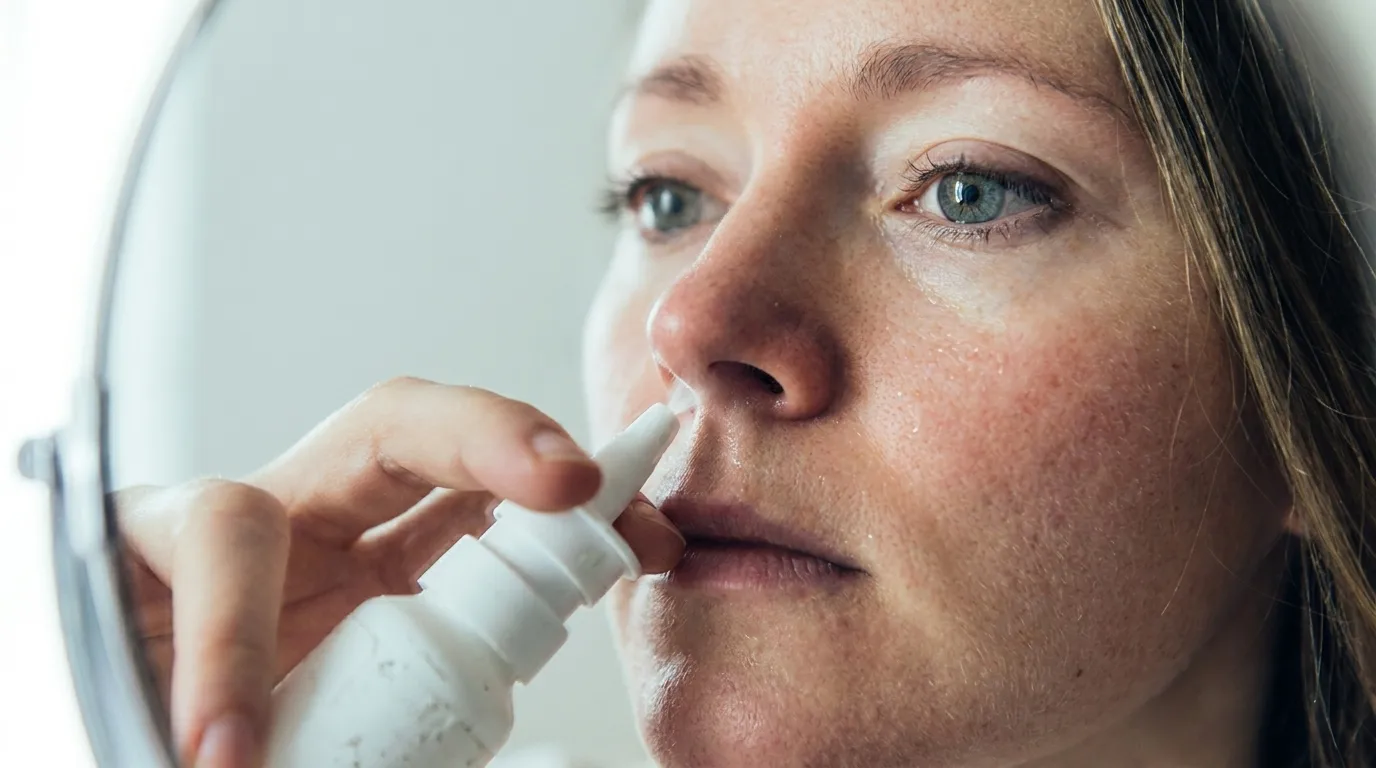
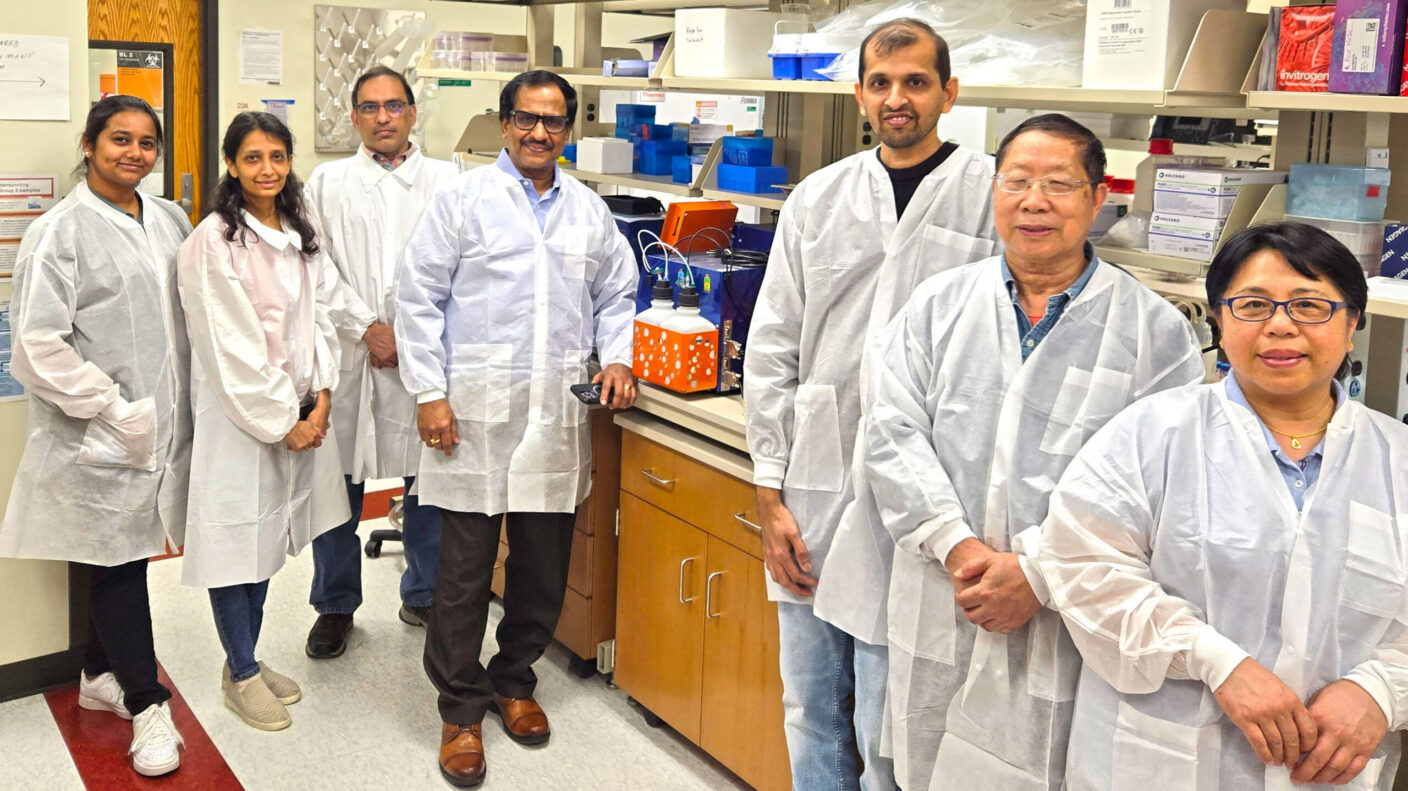
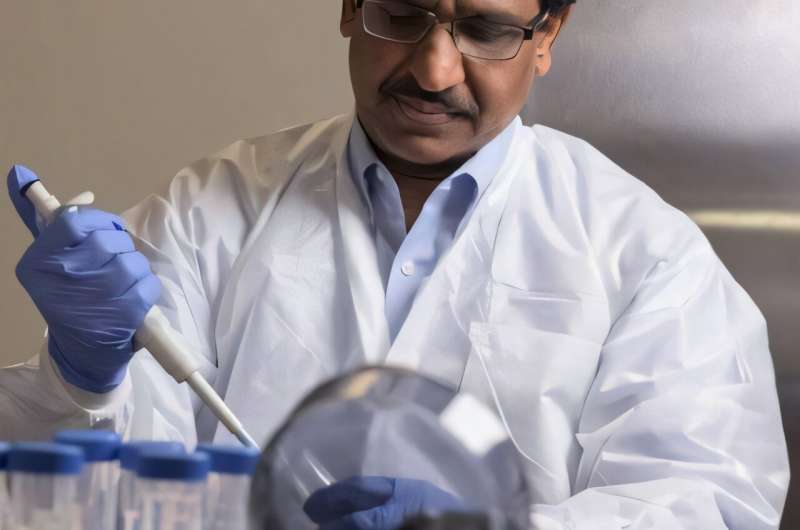
Dr. Ashok Shetty, university distinguished professor and associate director of the Institute for Regenerative Medicine, along with colleagues Dr. Madhu Leelavathi Narayana and Dr. Maheedhar Kodali, published findings in the Journal of Extracellular Vesicles this month describing something that, even a few years ago, would have sounded implausible: a nasal spray that, in just two doses, dramatically reduced brain inflammation, restored the brain’s cellular energy systems, and significantly improved memory — with effects that appeared within weeks and lasted for months.
The study was conducted in preclinical models. Human trials are years away. The researchers are careful to say that more work is needed. All of that is true, and all of it is important context.
And yet: what they demonstrated is a genuine conceptual shift in how we think about brain aging. Not slowing it. Not managing its symptoms. Reversing it.
The Problem They Were Solving
To understand why this matters, you need to understand what the team was actually targeting.
Scientists have a term — neuroinflammaging — for the slow, chronic, smoldering inflammation that builds in the brain’s hippocampus as we age. The hippocampus is the brain’s memory center, the structure most directly involved in forming new memories and adapting to new environments. Neuroinflammaging isn’t the dramatic, acute inflammation you associate with an infection or an injury. It’s quieter than that. A persistent low-grade activation of the brain’s immune cells — microglia — that over years and decades creates the conditions for cognitive decline, memory loss, brain fog, and significantly elevated risk for disorders like Alzheimer’s disease.
For a long time, this was viewed as simply the biological tax on getting older. The microglia activate. The inflammation accumulates. The hippocampus gradually loses its ability to function as it once did. Nothing to be done.
What the Texas A&M team was asking was whether that inflammatory tide could be turned.
How the Spray Works
The delivery vehicle is as interesting as the cargo.
At the heart of the therapy are extracellular vesicles — microscopic biological parcels, millions of them in each dose, derived from human induced pluripotent stem cell-derived neural stem cells. Think of them as tiny biological envelopes, each one carrying a specific payload: microRNAs, which function as what Narayana describes as “master regulators” of gene and signaling pathways in the brain. These microRNAs don’t add something foreign to the brain’s biology. They modulate and regulate what’s already there — dialing down inflammatory signals that have been running too hot for too long.
The delivery route is the breakthrough within the breakthrough. Getting therapeutic agents into brain tissue has historically been one of the most difficult challenges in neuroscience. The blood-brain barrier — the brain’s protective shield against circulating substances — blocks most drugs and biological agents from reaching their target. This is why treating neurological conditions has been so difficult even when we understand what we’re trying to fix. The barrier keeps the good stuff out along with the bad.
The Texas A&M team found that by delivering the extracellular vesicles through the nasal cavity, they could bypass the blood-brain barrier entirely. The vesicles travel along the olfactory nerves — the same pathway your brain uses to process smell — and enter brain tissue directly, where they are absorbed and begin their work. No injections. No surgery. No complex delivery infrastructure. A nasal spray, used twice, and the molecular messengers find their way to exactly where they need to go.
What happened next in the preclinical models was striking. Compared with control animals, the treated subjects showed reductions in astrocyte hypertrophy, microglial clusters, and oxidative stress, along with elevated expression of antioxidant proteins and improved mitochondrial function. The brain’s cellular power plants — mitochondria, which tend to sputter and underperform in aging brains — were measurably restored. Behavioral tests showed improved novel object recognition and better environmental adaptation. The animals’ cognitive function improved in ways that pointed to genuine reversal of aging effects, not merely symptom management.
The treatment was found to be equally effective across both sexes — an outcome that is not always achieved in biomedical research, and one that matters significantly for the therapy’s broader applicability.
Perhaps most remarkably: the effects weren’t fleeting. It all happened within weeks and lasted for months. Two doses. Weeks to effect. Months of duration. That is a pharmacological profile that, if it translates to human medicine, would be genuinely transformative.
Why This Is Different
Longevity science has produced a lot of promising headlines in recent years. Senolytics that clear damaged cells. Rapamycin protocols that extend lifespan in animal models. Blood plasma therapies. Epigenetic reprogramming. The space is crowded with interesting science, much of which has not yet translated from the lab to the clinic in the ways early results suggested.
What distinguishes the Texas A&M work is the specificity of the mechanism and the clarity of the intervention. This isn’t a broad systemic treatment hoping to affect aging through poorly understood pathways. It targets a specific biological process — neuroinflammaging — through a specific mechanism — microRNA regulation via extracellular vesicles — delivered via a specific, non-invasive route that has a clear explanation for why it works.
The molecular detail in the published research is dense. The therapy was shown to decrease the levels of various proteins involved in the activation of the NLRP3 inflammasome, the p38/mitogen-activated protein kinase pathway, the cGAS-STING-IFN-1 pathway, and the Janus kinase and signal transducer and activator of transcription signaling pathways. These are the specific inflammatory cascades that have been identified as drivers of cognitive decline. The spray isn’t damping inflammation generally. It’s interrupting the specific pathways that age the brain.
That specificity is scientifically significant. It means the researchers understand not just that the treatment works but why — which is the foundation for making it work better, making it safer, and eventually making it applicable to human medicine.
What This Could Mean
Dementia cases are projected to double by 2060. The human cost of that trajectory — the lost years, the eroded identities, the family caregiving burden, the healthcare system strain — is almost impossible to quantify. Alzheimer’s disease alone affects tens of millions of people globally, and it does so in one of the most devastating ways a disease can: by gradually removing the person from themselves, stripping away memories and personality and the cognitive architecture that makes a person who they are.
If a therapy derived from this research eventually reaches clinical application — and the Texas A&M team has already filed a US patent, a meaningful signal of intent to translate — the implications extend in several directions.
The most immediate is Alzheimer’s prevention. The innovative new treatment could delay the onset of Alzheimer’s disease symptoms for years after initial diagnosis. Not a cure. Not a reversal of late-stage disease. But a mechanism that, applied at the right stage — when neuroinflammaging is underway but before catastrophic damage has accumulated — could meaningfully extend the window of cognitive health. Years of additional lucidity. Years of continued engagement with family, work, and life. That is enormous.
Beyond Alzheimer’s, the implications for healthy brain aging are equally significant. Cognitive decline is not binary. The gap between “this person has dementia” and “this person’s brain is fully healthy” contains a vast middle territory of gradual impairment that affects hundreds of millions of people — slowed processing, reduced working memory, harder-to-retrieve words, the accumulated friction of a brain running hotter than it should. If neuroinflammaging is driving that middle territory, and if it’s reversible through a non-invasive two-dose treatment, the public health implications are extraordinary.
Shetty puts it this way: “We’re aiming for successful brain aging: keeping people engaged, alert and connected. Not just living longer, but living smarter and healthier.”
That framing is important. This isn’t just about adding years. It’s about the quality of the years already being lived.
The Road to Human Medicine
The cautions here are real and deserve to be stated clearly.
This research was conducted in mice. The translation from animal models to human medicine is the single most common failure point in neuroscience research. Mechanisms that work beautifully in preclinical models frequently fail to replicate in humans, for reasons that range from fundamental biological differences to the complexity of the human brain relative to any animal model.
Human trials, when they begin, will take years. Safety testing will be extensive — microRNAs are potent regulatory molecules, and the off-target effects of delivering them to human brain tissue need to be characterized carefully. The manufacturing and scaling challenges for extracellular vesicle therapies are significant. The regulatory pathway is not short.
All of that is true. None of it changes the fact that what the Texas A&M team has demonstrated — a mechanistically clear, non-invasively delivered, rapidly effective, durably acting intervention that reverses key markers of brain aging in a preclinical model — is a genuine scientific advance. The kind that changes the direction of a field and reshapes the research agenda for years.
What was previously thought inevitable is now demonstrably reversible. That is the scientific statement. It changes the question from “how do we manage inevitable cognitive decline?” to “how do we prevent the specific biological process that drives it?”
That is a different and more tractable question. And tractable questions, in science, tend to eventually get answered.
Related Reading
The Original Texas A&M Research Announcement
Texas A&M University — The full institutional announcement of the research, with detailed explanation of the mechanism, the team’s methodology, and Dr. Shetty’s description of where the therapy is headed
Neuroinflammaging: The Science Behind Why Brains Age
Nature Reviews Neurology — A comprehensive scientific review of neuroinflammation as a driver of age-related cognitive decline — the foundational science that contextualizes what the Texas A&M team has achieved
The Promise and Challenge of Extracellular Vesicle Therapies
Cell — An authoritative examination of the current state of extracellular vesicle medicine — what the field has demonstrated, where the translation challenges lie, and why the delivery route through the olfactory pathway represents a genuine advance in getting therapies to the brain