Author: admin

Revolutionary 3D Printing Method Uses Salt Water to Create Sustainable Structures

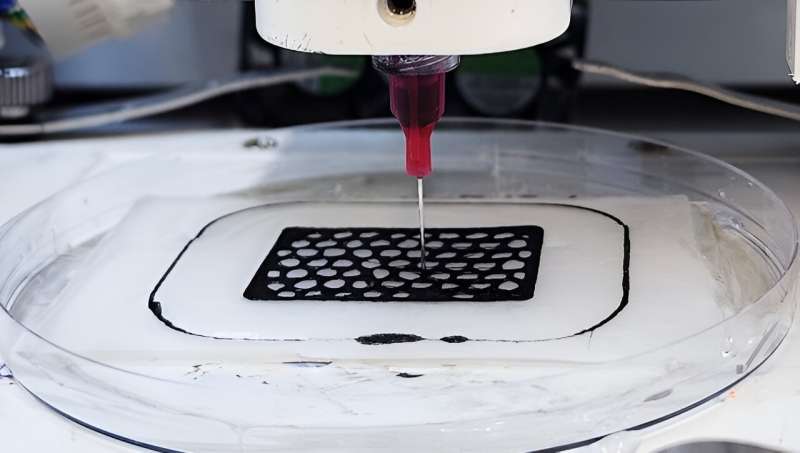
Engineers at the University of California, San Diego have developed an innovative 3D printing method that utilizes a polymer ink and a salt water solution to create solid structures, offering a more sustainable and environmentally friendly approach to materials manufacturing. Published in Nature Communications, this breakthrough process simplifies 3D printing and reduces its environmental impact.

The method employs a liquid polymer solution known as poly(N-isopropylacrylamide), or PNIPAM. When extruded through a needle into a calcium chloride salt solution, the PNIPAM ink instantly solidifies upon contact. This rapid solidification is driven by the salting-out effect, where salt ions attract water molecules from the polymer solution. This attraction causes the hydrophobic polymer chains in the PNIPAM ink to aggregate densely, forming a solid structure.

Continue reading… “Revolutionary 3D Printing Method Uses Salt Water to Create Sustainable Structures”
Advancing Marine Monitoring with Self-Powered ‘Bug’ Robots

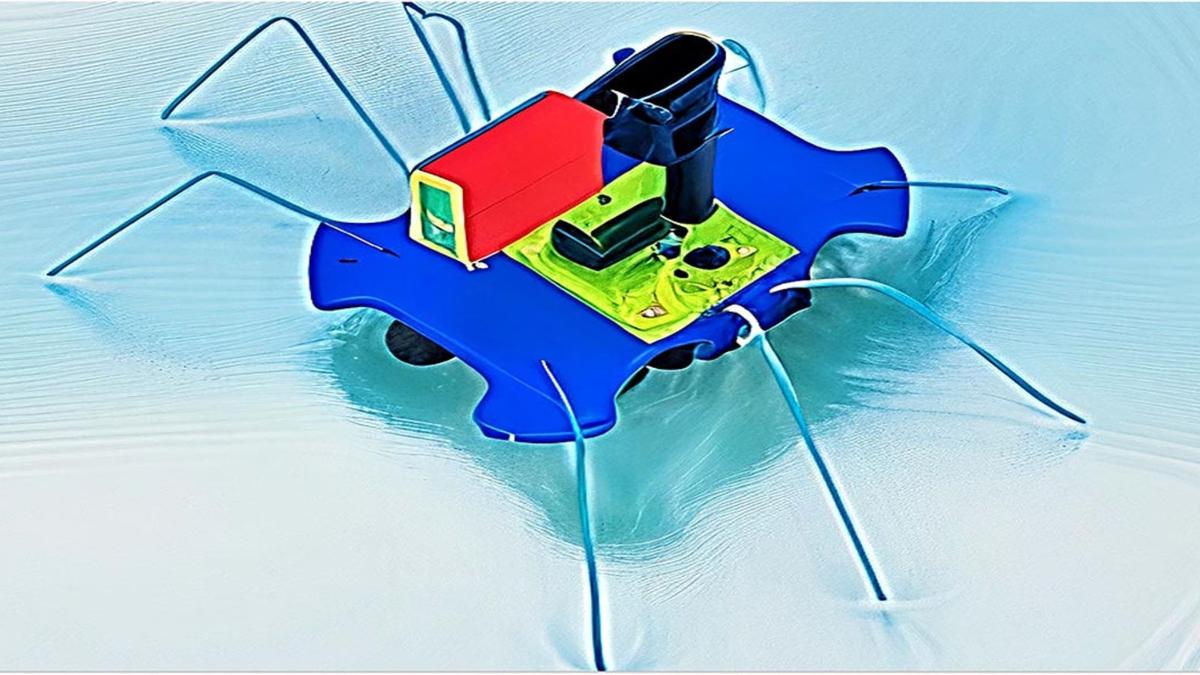
Scientists have made significant strides in innovation, transitioning from bid-like drones to self-powered “bug” robots. Researchers from Binghamton University, the State University of New York, have developed a tiny, bug-like robot designed to explore the Ocean Internet of Things (IoT), potentially transforming marine monitoring.

Inspired by biological digestion, these advanced robots are equipped with a self-sustained energy system. Futurists predict that by 2035, over one trillion autonomous devices will be integrated into all aspects of human life as part of the IoT. Most of these objects, regardless of size, will likely collect and transmit data to a central database without human intervention.

Continue reading… “Advancing Marine Monitoring with Self-Powered ‘Bug’ Robots”

ORNL Achieves Breakthrough with 270-kW Wireless EV Charging Technology

Researchers at Oak Ridge National Laboratory (ORNL) have achieved a significant milestone by demonstrating the first 270-kW wireless electric vehicle (EV) charging technology. This development follows their earlier record-setting achievement of a 100-kW wireless charger demonstrated in March.

In partnership with the Volkswagen Group, the team showcased the wireless power transfer of 270 kW on a Porsche Taycan EV. This compact high-power system addresses the challenges faced by light-duty passenger vehicles, such as space, weight, and volume constraints, which complicate the accommodation of large and heavy conventional wireless power transfer systems.

Continue reading… “ORNL Achieves Breakthrough with 270-kW Wireless EV Charging Technology”

NVIDIA Unveils New Advances in Robotics and AI at SIGGRAPH

At SIGGRAPH in Denver, NVIDIA Corporation introduced groundbreaking research and innovations in simulation, generative artificial intelligence, and robotics. The company announced a comprehensive suite of services, models, and computing platforms designed to empower robotics and AI developers to “develop, train, and build the next generation of humanoid robotics.”

“The next wave of AI is robotics, and one of the most exciting developments is humanoid robots,” stated Jensen Huang, founder and CEO of NVIDIA. “We’re advancing the entire NVIDIA robotics stack, opening access for worldwide humanoid robotics developers and companies to use the platforms, acceleration libraries, and AI models best suited for their needs.”

Continue reading… “NVIDIA Unveils New Advances in Robotics and AI at SIGGRAPH”

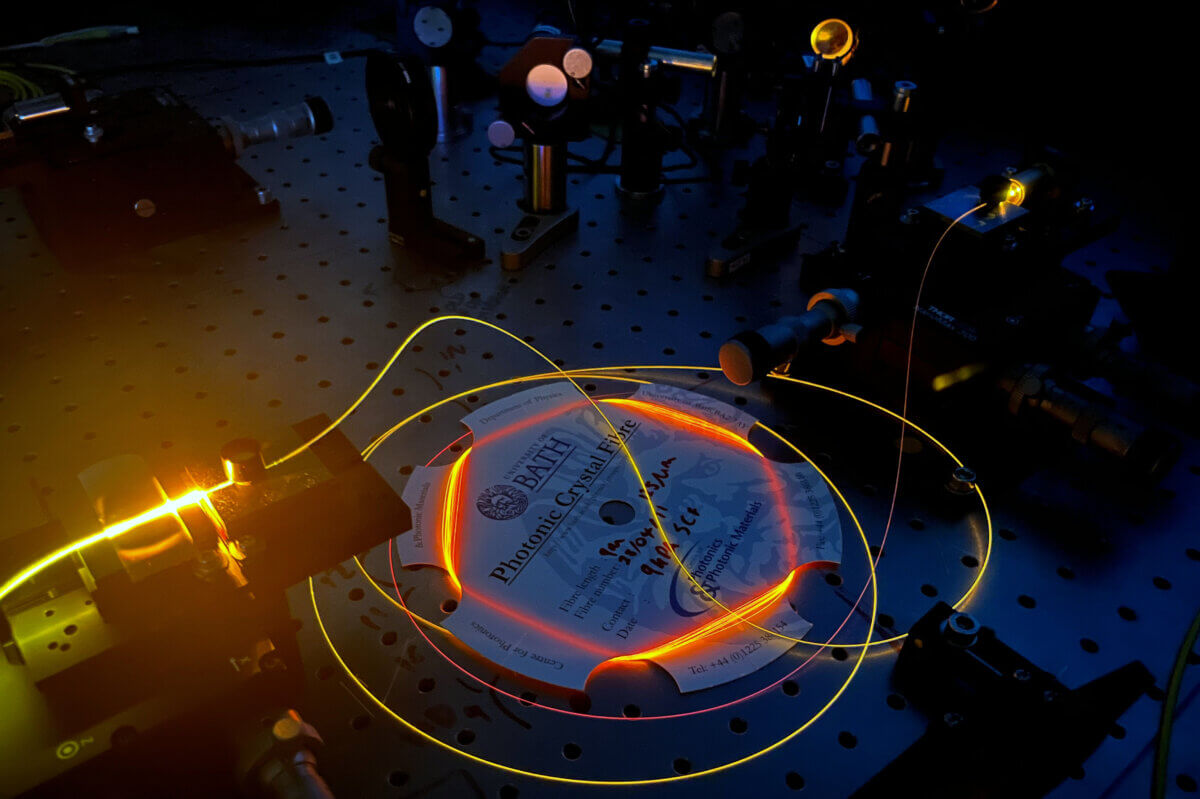
Transforming Quantum Technologies with Microstructured Optical Fibers

“The conventional optical fibers that form the backbone of today’s telecommunications networks transmit light at wavelengths determined by the losses of silica glass,” says Dr. Kristina Rusimova from the Department of Physics at the University of Bath. “However, these wavelengths are incompatible with the operational wavelengths of single-photon sources, qubits, and active optical components essential for light-based quantum technologies.”

Enter the microstructured optical fiber. Unlike traditional optical fibers with solid glass cores, these new fibers feature a complex pattern of air pockets running along their entire length. This seemingly simple change unlocks a myriad of possibilities for controlling and manipulating light in ways crucial for quantum technologies. One of the most exciting applications of these fibers is in creating the building blocks of a quantum internet. By carefully designing the structure of these fibers, researchers can generate pairs of entangled photons—particles of light that remain inextricably linked regardless of the distance between them. This quantum entanglement is the essential ingredient that enables many quantum technologies.

Continue reading… “Transforming Quantum Technologies with Microstructured Optical Fibers”

Embraer Introduces World’s First Automatic Takeoff System for Commercial Jets

In a groundbreaking development for the aviation industry, Embraer has introduced the first automatic takeoff system on one of its commercial jets. The Embraer Enhanced Takeoff System (E2TS) is designed to provide its E2 passenger aircraft with an optimal profile and automated takeoff, increasing fuel capacity, extending range, and boosting onboard payload.

Unveiled on July 23 at the Farnborough International Airshow in the United Kingdom, the Brazilian manufacturer claims that the E2TS improves rotation and trajectory, reduces field length, and lessens pilot workload without requiring any aircraft modifications beyond a software update.

Continue reading… “Embraer Introduces World’s First Automatic Takeoff System for Commercial Jets”

Tsinghua University Demonstrates Safety of World’s First Commercial Pebble-Bed Nuclear Reactor

China’s Tsinghua University has achieved a groundbreaking milestone by demonstrating the inherent safety of the first operating commercial pebble-bed nuclear reactor. By shutting off the power and allowing the passive systems to maintain control of the reactor core, the university showcased the advanced safety features of this next-generation technology.

Older nuclear reactors, such as Pressurized Water Reactors (PWR), have a significant design drawback—they require active measures to shut down in an emergency, and their safety systems depend on an external power source to run coolant pumps. These systems can fail catastrophically if the power source is compromised, as seen in the Fukushima disaster of 2011. The plant, based on an outdated 1970s design, was hit by an earthquake and a tsunami that knocked out its backup diesel generators. The resulting chaos prevented emergency crews from intervening in time, leading to a hydrogen explosion and reactor core meltdown.

Continue reading… “Tsinghua University Demonstrates Safety of World’s First Commercial Pebble-Bed Nuclear Reactor”

Japanese Supermarket Chain Aeon Implements AI to Standardize Employee Smiles

Aeon, a major Japanese supermarket chain, has introduced a new AI system designed to evaluate and “standardize” employee smiles. On July 1, the company announced the rollout of the “smile-rating AI system,” named “Mr. Smile,” across 240 stores in Japan. This move makes Aeon the first company to employ such technology on this scale.

Developed by the Japanese company InstaVR, Mr. Smile claims to accurately assess employees’ demeanor and rate their overall attitude based on over 450 factors, including greeting, facial expressions, voice volume, and tone. Aeon states its goal is to “standardize staff members’ smiles and satisfy customers to the maximum.”

Continue reading… “Japanese Supermarket Chain Aeon Implements AI to Standardize Employee Smiles”

Scientists Develop Portable Tractor Beam for Medical Use

A tractor beam—a special beam of electromagnetic radiation that draws particles toward it instead of pushing them away—might be a concept straight from Star Trek, but scientists from the Australian Research Council’s Centre of Excellence for Transformative Meta-Optical Systems (TMOS) have recently taken steps toward a more portable way to generate one in real life.

The Melbourne-based research team suggests that this could lead to better, less invasive technology capable of performing biopsies without the cell trauma caused even by the smallest handheld tweezers or needles. The team’s paper is published in the peer-reviewed journal ACS Photonics from the American Chemical Society.

Continue reading… “Scientists Develop Portable Tractor Beam for Medical Use”

Breakthrough Nasal Spray Targets Alzheimer’s Disease

A few years ago, researchers identified abnormal clumps of tau proteins in the brain as being associated with Alzheimer’s disease. Since then, efforts have been focused on eradicating these toxic tangles, which have become a hallmark of the degenerative disease. Recently, researchers from the University of Texas Medical Branch (UTMB) have developed a breakthrough nasal spray containing antibodies that selectively target and clear away tau tangles, helping to restore cognitive function.

“This nasal spray approach opens new avenues for non-invasive delivery of tau therapeutic antibodies directly to the brain, and it holds promise for many neurodegenerative diseases,” said Dr. Rakez Kayed, professor at the Department of Neurology at UTMB and the study’s corresponding author. “Our research highlights the potential of nasal tau immunotherapy to effectively target intracellular tau aggregates – a primary driver of neurodegeneration and cognitive decline in diseases like Alzheimer’s and other tauopathies.”

Continue reading… “Breakthrough Nasal Spray Targets Alzheimer’s Disease”

Innovative Robot Developed to Control Weeds Without Harmful Herbicides

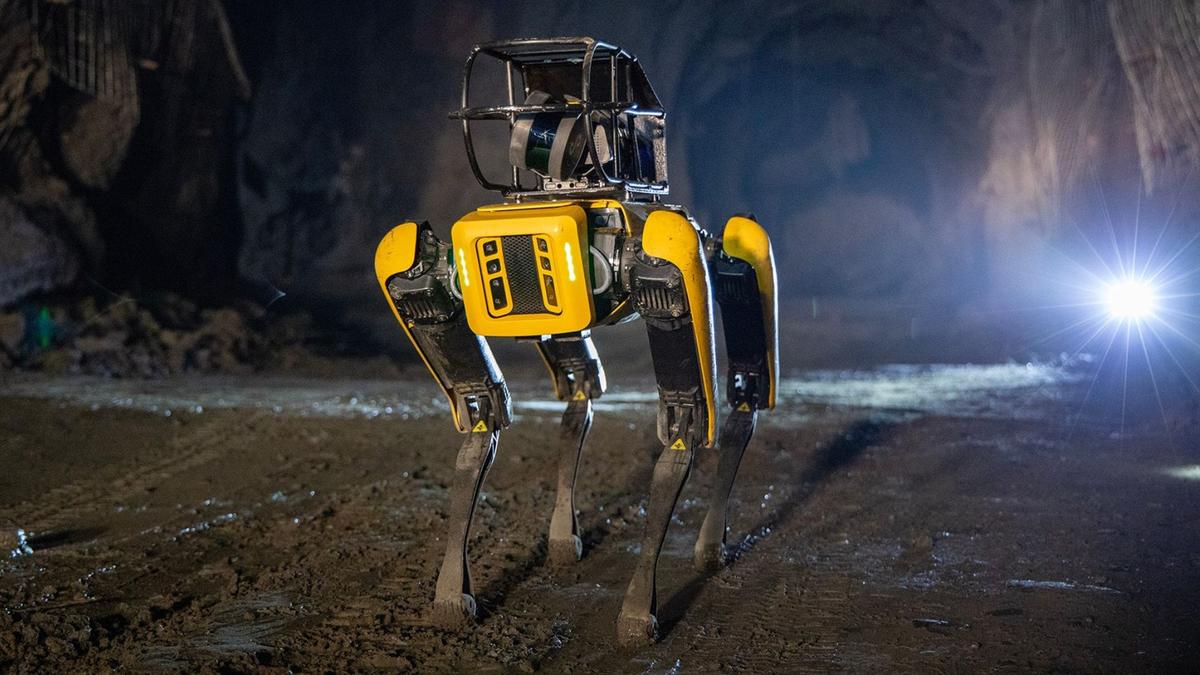
Researchers at Texas A&M University have developed a groundbreaking robotic system to control weeds on farms without the use of harmful herbicides. This new method leverages a Boston Dynamics Spot quadruped robot, equipped with a flexible end effector and a propane torch, to effectively manage weed growth.

Weed infestation is a persistent issue in agriculture, as weeds compete with crops for essential nutrients, water, and sunlight. Traditional methods, such as manual removal and mechanized herbicide spraying, are either labor-intensive or environmentally damaging. The Texas A&M team’s robotic solution offers a sustainable and efficient alternative.

Continue reading… “Innovative Robot Developed to Control Weeds Without Harmful Herbicides”

Innovative Light-Based Method Cleans Up “Forever Chemicals” at Room Temperature

Researchers have developed a groundbreaking method to decompose perfluoroalkyl substances (PFASs), commonly known as “forever chemicals,” using visible LED light at room temperature. This innovative approach offers a promising solution for sustainable fluorine recycling and PFAS treatment.

PFASs, widely used since the invention of Teflon in 1938, are found in various applications such as cookware, clothing, and firefighting foam. Their stability and resistance to heat and water, while useful, pose significant environmental and health challenges. These chemicals do not break down easily and accumulate in water, soil, and animal bodies, causing carcinogenic effects and hormonal disruptions in humans. Traditionally, decomposing these chemicals requires temperatures exceeding 752°F (400°C), making the process difficult and energy-intensive.

Continue reading… “Innovative Light-Based Method Cleans Up “Forever Chemicals” at Room Temperature”
Discover the Hidden Patterns of Tomorrow with Futurist Thomas Frey
Unlock Your Potential, Ignite Your Success.

By delving into the futuring techniques of Futurist Thomas Frey, you’ll embark on an enlightening journey.

Learn More about this exciting program.