Author: admin

AI Foundation Launches AI.XYZ: Your Personal AI Assistant for Work-Life Balance

AI Foundation, the AI research lab known for creating virtual personalities like Deepak Chopra, has introduced AI.XYZ, a groundbreaking platform that allows users to create their own AI assistants. The aim is to enhance productivity and promote a healthier work-life balance for individuals. The platform empowers users to design personalized AI assistants capable of providing support in both personal and professional settings.

Unlike generic AI assistants from major tech companies, AI.XYZ enables users to create AI assistants exclusive to their needs. Each assistant is tailored to its creator, understanding their values, goals, and preferences. These AI assistants can assist with a variety of tasks such as note-taking, email writing, brainstorming, and providing personalized advice and perspectives.

Continue reading… “AI Foundation Launches AI.XYZ: Your Personal AI Assistant for Work-Life Balance”

The Expansion of Self-Driving Taxis Raises Concerns Over Privacy and Surveillance

As self-driving taxis continue to proliferate in cities like San Francisco, Los Angeles, Phoenix, and Vegas, concerns are growing regarding their impact on privacy and the potential collaboration between these companies and law enforcement. Bloomberg recently investigated how self-driving car companies are working with the police and found that caution is being exercised in the release of data to investigations.

While security cameras are already prevalent in American cities, self-driving cars represent a new level of access for law enforcement, raising questions about privacy infringement. These autonomous vehicles traverse the city, capturing a wider range of footage compared to stationary security cameras. Law enforcement finds it more convenient to approach a single company with a substantial video repository and a dedicated response team rather than reaching out to numerous businesses with their own security systems.

Continue reading… “The Expansion of Self-Driving Taxis Raises Concerns Over Privacy and Surveillance”

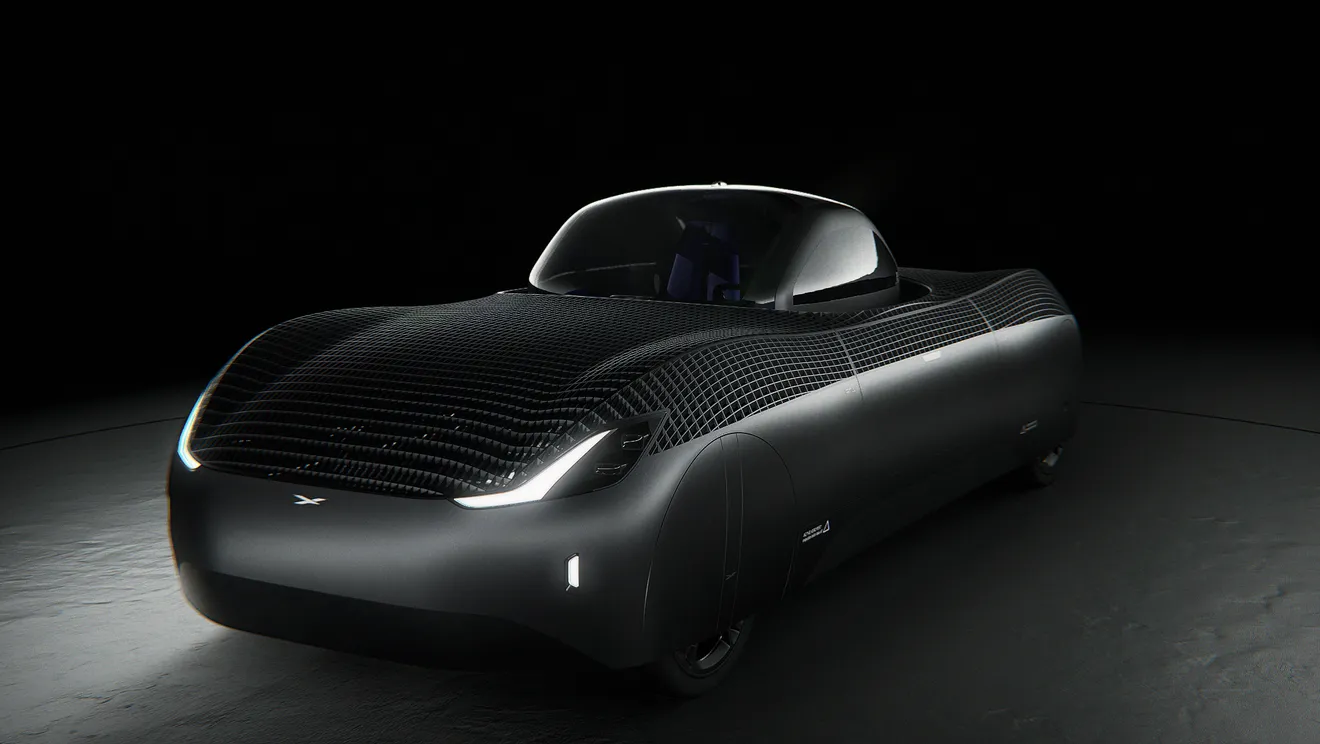
Alef Aeronautics’ Electric Flying Car Receives FAA Clearance for Testing

Alef Aeronautics has achieved a significant milestone as its flying car, the “Model A,” has received official clearance for testing from the Federal Aviation Administration (FAA). The Special Airworthiness Certification granted to Alef is the first of its kind, allowing the company to conduct road and aerial trials before making the vehicle available to the public.

According to Alef, the certification obtained from the FAA imposes certain limitations on the vehicle’s permitted flying locations and purposes. Additionally, the Model A must comply with safety standards set by the National Highway and Traffic Safety Administration before it can take to the skies. However, Alef’s CEO, Jim Dukhovny, expressed optimism, stating that the company is hopeful that the next step will involve meeting the necessary safety standards.

Continue reading… “Alef Aeronautics’ Electric Flying Car Receives FAA Clearance for Testing”

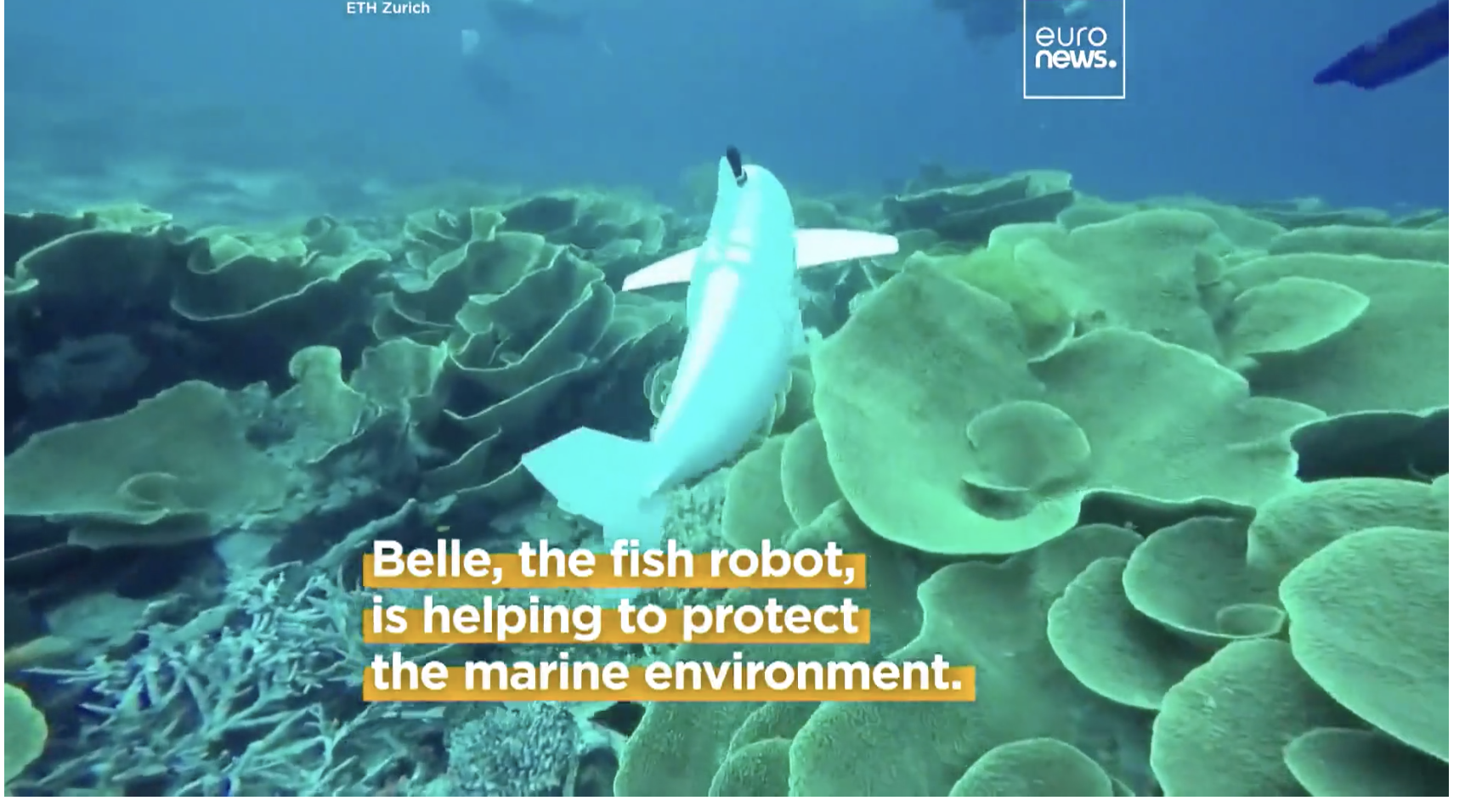
Autonomous Fish Robot “Belle” Enhances Underwater Research without Disturbing Marine Environment

Researchers in Switzerland have developed an autonomous fish robot named “Belle” that enables conservationists to gain valuable insights into underwater ecosystems without disrupting marine life. Belle has been specifically designed to collect data in a minimally invasive manner, providing a clearer understanding of organisms inhabiting the sea.

Belle, developed by mechanical engineering students at ETH Zurich, the Swiss Federal Institute of Technology, moves silently and mimics the behavior of real fish, creating minimal disturbance as it navigates through the environment. This is particularly important in vulnerable areas such as coral reefs, where traditional propeller-based systems can harm coral and scare away marine life.

Continue reading… “Autonomous Fish Robot “Belle” Enhances Underwater Research without Disturbing Marine Environment”

Apple Plans to Launch AI-Powered Health Coach, Codenamed “Quartz”

Apple is reportedly developing a paid health coach service called “Quartz,” which utilizes AI and data from the Apple Watch to offer personalized suggestions and create tailored coaching programs for users. According to Bloomberg, the service aims to help individuals improve their exercise routines, sleep patterns, and eating habits. While Quartz is not expected to be announced this year, it is slated for release next year.

Bloomberg’s report also highlights additional health-focused initiatives from Apple. For instance, iPadOS 17 will introduce a dedicated version of the Health app for iPads. Furthermore, Apple is said to be working on an emotion tracker (distinct from the rumored journaling app) and new features to assist users with nearsightedness. Apple has not yet responded to requests for comment regarding these developments.

Continue reading… “Apple Plans to Launch AI-Powered Health Coach, Codenamed “Quartz””

Pneumatics Bring Power and Maneuverability to Legged Robots Inspired by Cheetahs

Legged robots have gained popularity due to the use of electric motors, providing controlled movement for robotic limbs. However, when it comes to achieving the instantaneous power of biological muscles, electric motors fall short. To address this, researchers from the University of Cape Town have turned to an old-school alternative—pneumatics. Inspired by the rapid maneuvers of cheetahs, they have demonstrated that pneumatics can offer high force-to-weight ratios, built-in compliance, and cost-effective solutions, making them a viable option for powerful and agile legged robots.

The use of hydraulics in legged robots can be complicated, expensive, and messy if accidents occur. Furthermore, while hydraulics are easier to model and control, they lack forgiveness in real-world applications. Pneumatics, on the other hand, offer simplicity, relatively low cost, and compliance that hydraulics lack. The challenge lies in controlling pneumatics effectively due to the compressibility of air, which disrupts traditional control methods. Nevertheless, researchers have found that complex control may not be necessary to mimic cheetah-like locomotion.

Continue reading… “Pneumatics Bring Power and Maneuverability to Legged Robots Inspired by Cheetahs”

IBM’s AI Model Generates Antiviral Molecules to Combat COVID-19 and Future Pandemics

A groundbreaking study conducted by researchers from IBM, Oxford University, and Diamond Light Source demonstrates the potential of IBM’s AI model, MoLFormer, in generating antiviral molecules. These molecules have shown efficacy against multiple target virus proteins, including SARS-CoV-2, the virus responsible for COVID-19. The findings, published in Science Advances, highlight how AI can accelerate the drug discovery process, paving the way for faster response to future pandemics.

The collaboration between IBM, Oxford University, and Diamond Light Source began when a group of computer scientists at IBM set out to explore the possibilities of generative AI in designing novel molecules to combat SARS-CoV-2. Initially skeptical, experts like David Stuart from Oxford University, renowned for his work on HIV, SARS, and Ebola, joined forces with IBM and embarked on a three-year journey. Their goal was to demonstrate that generative AI could identify viable starting points for antivirals through collaboration with Enamine Ltd., a chemical supplier, and other researchers at Oxford.

Continue reading… “IBM’s AI Model Generates Antiviral Molecules to Combat COVID-19 and Future Pandemics”

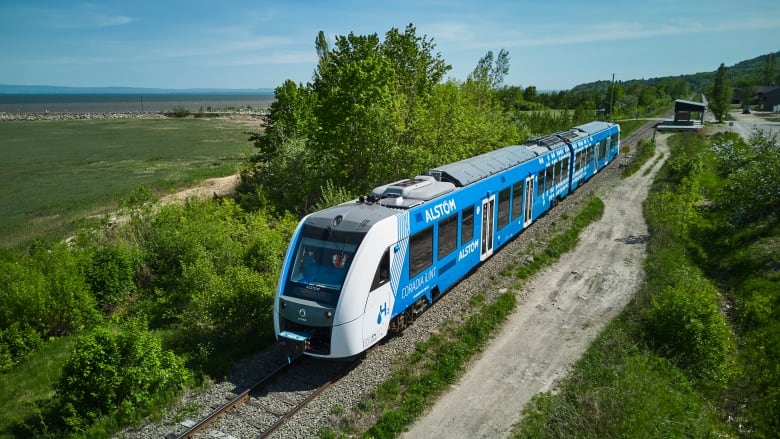
Hydrogen-Powered Train Unveiled in North America, Paving the Way for Green Transportation

A remarkable milestone in green transportation has been achieved with the introduction of North America’s first hydrogen-powered train. The groundbreaking project, which commenced earlier this month, aims to demonstrate the viability of hydrogen as a clean alternative to diesel fuel on railways where traditional electrification methods are challenging.

The train, named M4 (Multi-Modal Mobility Morphobot), has been developed by French company Alstom and is currently operating on a captivating two-and-a-half-hour journey through central Quebec. The demonstration showcases how electricity stored as hydrogen can effectively replace diesel, offering a greener solution for rail travel. With up to 120 passengers on board, the tourist train runs from Quebec City’s Montmorency Falls to Baie-Saint-Paul along the Train de Charlevoix route on Wednesdays through Sundays until September 30.

Continue reading… “Hydrogen-Powered Train Unveiled in North America, Paving the Way for Green Transportation”

M4: A Shape-Shifting Robot Redefining Locomotion Capabilities

A groundbreaking robot named M4 (Multi-Modal Mobility Morphobot) has emerged as a real-life Transformer, showcasing an extraordinary range of motion capabilities. Developed by a team led by Professor Mory Gharib at Caltech’s Center for Autonomous Systems and Technologies (CAST), M4 can autonomously adapt its body to achieve eight distinct types of motion, enabling it to navigate various terrains with unparalleled versatility.

The brainchild of Professor Gharib and Assistant Professor Alireza Ramezani from Northeastern University, M4 opens up a world of possibilities in fields ranging from medical transportation to space exploration. The research team, including Eric Sihite, Reza Nemovi, and Arash Kalantari, aimed to design a robot that showcases exceptional mobility and diverse locomotion modes, resulting in the successful realization of the M4 project.

The robot’s remarkable flexibility is further enhanced by artificial intelligence, allowing it to select the most effective mode of locomotion based on the terrain it encounters. For instance, M4 can roll on four wheels, stand on two wheels like a meerkat to overcome obstacles, walk using wheel-like feet, transform its wheels into rotors for flight, and even tackle steep slopes using two rotors. The seamless transition between these modes showcases the power of M4’s adaptability.

By employing artificial intelligence and reconfigurable appendages, M4 can repurpose its components to optimize its locomotion capabilities. When faced with an unfamiliar environment, M4 can analyze the situation and adjust its form accordingly. For example, it can roll on wheels for energy efficiency but switch to a bipedal stance to gain a better view of the surroundings. If confronted with an impassable obstacle, M4 can transform its wheels into rotors and effortlessly fly over the obstruction before returning to its rolling mode.

Professor Gharib emphasizes that robots equipped with multi-modal components and aided by artificial intelligence are key to navigating unknown environments successfully. One of M4’s notable features is its ability to repurpose its appendages as wheels, legs, or thrusters. When standing on two wheels, M4’s folding wheels provide balance, and when flying, all four wheels fold up, allowing the propellers to lift the robot off the ground.

The design of M4 draws inspiration from nature, taking cues from animals such as chukar birds and sea lions. By studying how these creatures utilize their appendages for various locomotion strategies, the research team incorporated similar concepts into M4’s design. Although nature has previously inspired biologists with examples of appendage repurposing, engineering is now exploring these concepts in greater depth.

Equipped with autonomous capabilities, M4 can navigate complex environments and make informed decisions about the most suitable mode of locomotion. It has undergone successful outdoor testing on Caltech’s campus, showcasing its ability to adapt to diverse terrains.

The Nature Communications paper, titled “Multi-Modal Mobility Morphobot (M4), A Platform to Inspect Appendage Repurposing for Locomotion Plasticity Enhancement,” highlights the significant advancements achieved through the development of M4 and the potential it holds for revolutionizing the field of robotics.

AI Tool Offers Hope to Infertile Men in Sperm Identification

A new artificial intelligence (AI) tool has the potential to revolutionize the process of identifying viable sperm, offering hope to severely infertile men seeking to father biological children. Developed by researchers from the University of Technology Sydney, this algorithm can significantly improve the efficiency and accuracy of sperm identification, replacing the time-consuming manual methods used by embryologists.

Lead author Dale Goss explains that the AI tool has the capability to provide increased chances for patients with minimal prospects of fathering their own biological children. By streamlining the identification of sperm in samples, the algorithm not only enhances the chances of conception but also reduces stress on sperm and improves laboratory efficiency.

Continue reading… “AI Tool Offers Hope to Infertile Men in Sperm Identification”

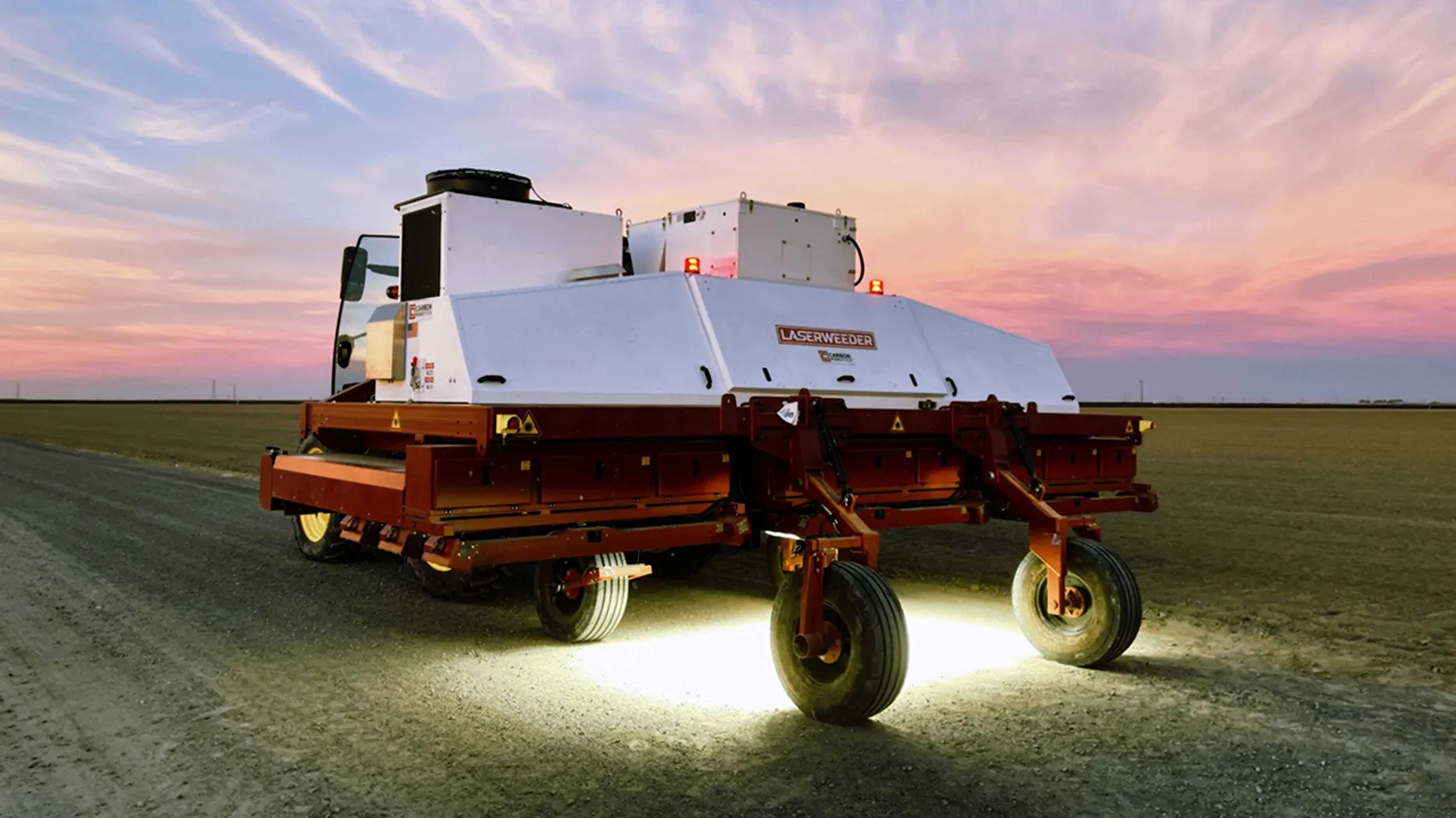
Carbon Robotics Introduces LaserWeeder: AI-Powered Solution for Efficient Weed Control in Farming

Carbon Robotics, a leader in the AI space, is now shipping its innovative LaserWeeder to farms across the United States. This cutting-edge machine utilizes lasers and robotics to effectively eliminate weeds from fields, offering farmers a fast and accurate solution.

Weeds have long been recognized as one of the most challenging and time-consuming aspects of farming. The LaserWeeder, developed by Carbon Robotics, can remove over 200,000 weeds per hour and provide up to 80% cost savings in weed control, according to the company.

Continue reading… “Carbon Robotics Introduces LaserWeeder: AI-Powered Solution for Efficient Weed Control in Farming”

Breakthrough Memory Design by University of Cambridge Promises Enhanced Performance and Energy Efficiency

A team of researchers from the University of Cambridge has introduced an innovative computer memory design that holds the potential to significantly enhance performance and reduce energy consumption in internet and communications technologies.

According to the university, the growing demands of artificial intelligence (AI), algorithms, and data-driven technologies are projected to consume over 30% of global electricity within the next decade. The researchers attribute a large part of this energy demand to the limitations of current computer memory technologies.

Continue reading… “Breakthrough Memory Design by University of Cambridge Promises Enhanced Performance and Energy Efficiency”
Discover the Hidden Patterns of Tomorrow with Futurist Thomas Frey
Unlock Your Potential, Ignite Your Success.

By delving into the futuring techniques of Futurist Thomas Frey, you’ll embark on an enlightening journey.

Learn More about this exciting program.