Author: admin

China Integrates Humanoid Robots into Elderly Care Amid Demographic Shifts

In response to the growing challenges posed by an aging population, China has unveiled plans to incorporate humanoid robots into its elderly care services. This initiative, announced by the Chinese State Council on Tuesday, is part of broader policy measures aimed at harnessing advanced technologies to address the country’s aging demographics.

The new guidelines, issued by the Communist Party of China Central Committee and the State Council on December 30, 2024, highlight the development of humanoid robots, brain-computer interfaces, and artificial intelligence (AI) solutions tailored to elder care. These measures aim to establish a robust nationwide elderly care service network by 2029 and ensure that by 2035, all senior citizens will have access to essential care services.

Continue reading… “China Integrates Humanoid Robots into Elderly Care Amid Demographic Shifts”
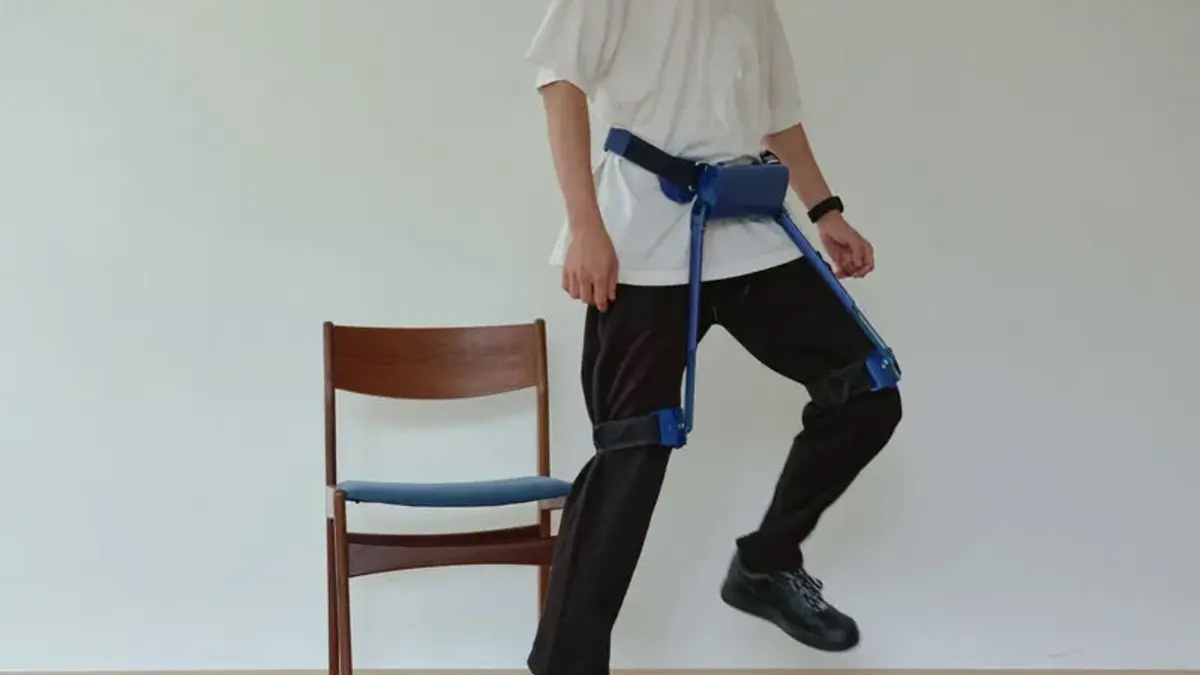
WiRobotics Unveils WIM: A Wearable Exoskeleton Enhancing Mobility for All Ages at CES 2025

WiRobotics, a South Korean company specializing in wearable robotics, is making waves at CES 2025 with its innovative exoskeleton, WIM (We Innovate Mobility), designed to revolutionize personal mobility and accessibility. With a focus on lightweight, flexible robotic solutions, WiRobotics aims to enhance the walking efficiency of its users while ensuring a high level of comfort and ease.

The WIM exoskeleton offers a range of modes tailored to a wide variety of user needs, from enhancing mobility for seniors to providing rehabilitation support for athletes. The device adapts seamlessly to its user, with settings that prioritize comfort, fitness, and support for daily activities.

Continue reading… “WiRobotics Unveils WIM: A Wearable Exoskeleton Enhancing Mobility for All Ages at CES 2025”

Feeding the Future: Empa’s 3D-Printed Biodegradable Fungal Battery Powers Agriculture and Research

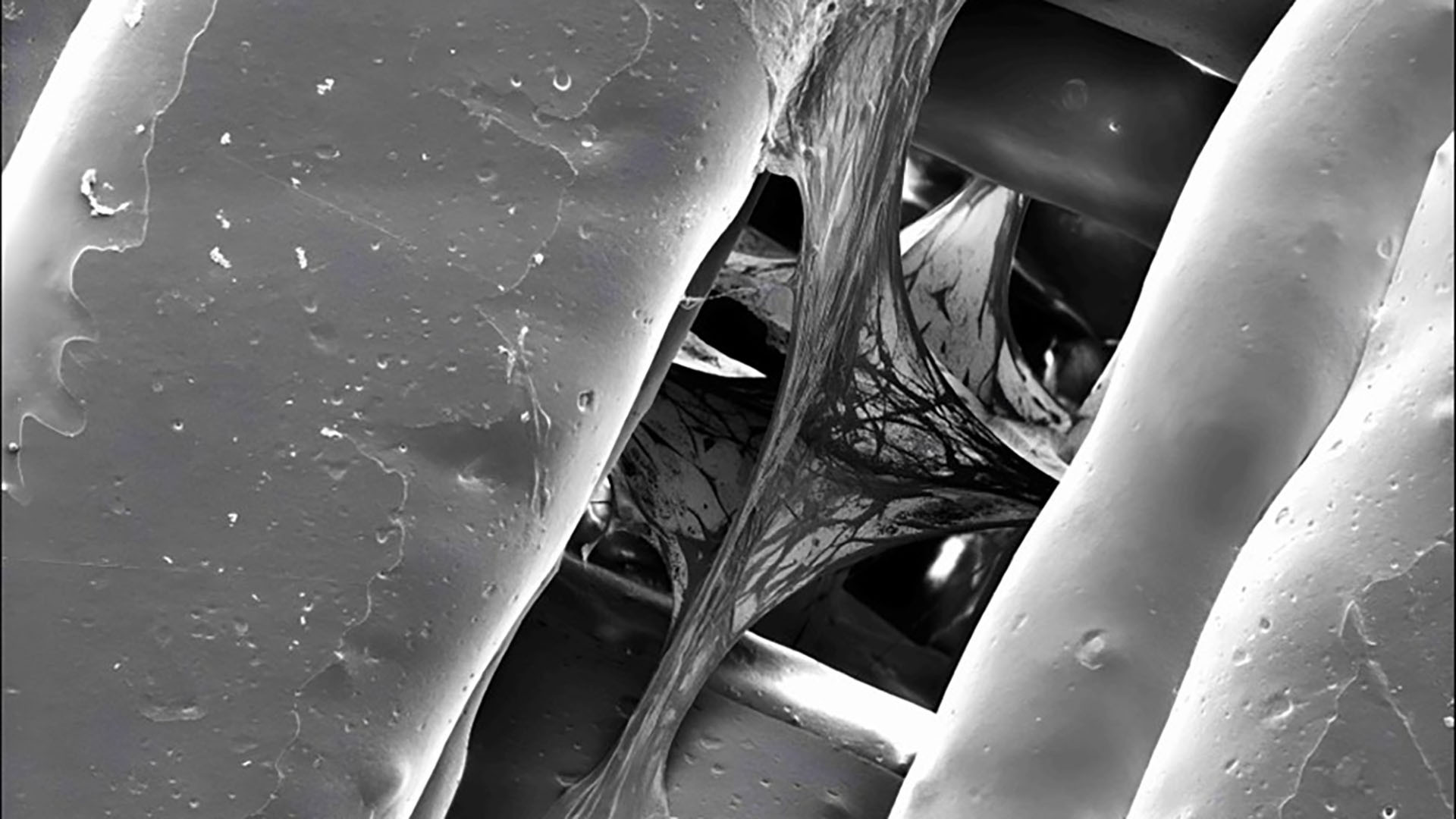
In an exciting breakthrough, researchers at Empa have developed a 3D-printed, biodegradable fungal battery that generates electricity in a completely unique way—by “feeding” on nutrients rather than being charged. This innovative technology has the potential to power sensors for agricultural applications or research in remote areas. Once its job is done, the battery digests itself from the inside, making it completely non-toxic and environmentally friendly. The study, which details this novel development, was published in ACS Sustainable Chemistry & Engineering.

Fungi, a diverse group of organisms more closely related to animals than plants, are already known for their wide range of uses—from providing food and medicine to producing pathogens. Now, Empa researchers have unlocked a new capability: fungi that generate electricity. This achievement is the result of a three-year research project led by scientists at Empa’s Cellulose and Wood Materials Laboratory.

Continue reading… “Feeding the Future: Empa’s 3D-Printed Biodegradable Fungal Battery Powers Agriculture and Research”

Breakthrough Transparent Device Harnesses Both Radio Waves and Sunlight for Energy Harvesting

In a groundbreaking advancement, researchers have developed a transparent energy-harvesting device capable of capturing energy from both radio frequency (RF) waves and sunlight to power a wide array of wireless devices. This dual-source approach offers a more reliable and sustainable solution for energy harvesting, addressing the limitations of traditional systems that typically focus on just one energy source.

The new study, published recently, introduces an optically transparent rectifying metasurface system (RMS) that efficiently harvests RF energy while allowing the uninterrupted transmission of visible light. As the researchers explained, “In this paper, an optically transparent rectifying metasurface system is designed and validated for simultaneously harvesting RF energy while enabling the efficient transmission of visible light.”

Continue reading… “Breakthrough Transparent Device Harnesses Both Radio Waves and Sunlight for Energy Harvesting”

AI-Enhanced Sleep Study Algorithm Improves Diagnosis of REM Sleep Behavior Disorder

A team of researchers led by Mount Sinai has significantly advanced an artificial intelligence (AI)-powered algorithmdesigned to analyze video recordings from clinical sleep tests, enhancing the accuracy of diagnosing REM Sleep Behavior Disorder (RBD)—a common sleep disorder affecting over 80 million people worldwide. This breakthrough, published in the journal Annals of Neurology on January 9, promises to improve diagnostic precision and aid early detection of Parkinson’s disease and dementia, conditions often heralded by RBD.

RBD is characterized by abnormal movements or the acting out of dreams during the REM phase of sleep. When it occurs in otherwise healthy individuals, it is referred to as “isolated RBD,” which affects more than one million people in the United States alone. Nearly all cases of isolated RBD are early indicators of neurodegenerative conditions such as Parkinson’s disease or dementia.

Continue reading… “AI-Enhanced Sleep Study Algorithm Improves Diagnosis of REM Sleep Behavior Disorder”

Germline Editing: A New Frontier in Medicine or a Slippery Slope?

When the topic of germline editing arises, most scientists wince. The infamous CRISPR-baby scandal involving the Chinese scientist He Jiankui, who altered human embryos, brought the conversation to the forefront. Editing reproductive cells or embryos not only affects the individual being treated but also introduces permanent changes to their genetic code, which can be passed down through generations—whether beneficial or harmful. As a result, germline editing is banned in most countries, with He Jiankui serving jail time for his actions. Although he was released, his controversial experiment remains a flashpoint for debate in the scientific community.

He’s CRISPR-edited twinsLulu and Nana, are reportedly growing normally as toddlers, though details of their health remain vague. Despite worldwide condemnation of his methods, He’s work ignited a broader discussion about the future of germline editing. In theory, such edits could be used to eliminate inherited diseases, benefiting entire family lines. But where does the line between disease prevention and designer babies lie? Should gene editing be reserved only for serious illnesses, or can it extend to genetic traits like intelligence or physical appearance?

Continue reading… “Germline Editing: A New Frontier in Medicine or a Slippery Slope?”

Breakthrough Mix-Charged Nanofiltration Membrane Offers Advanced Solution for High-Salinity Wastewater Treatment

A research team led by Prof. Wan Yinhua at the Institute of Process Engineering (IPE), Chinese Academy of Sciences, has developed a groundbreaking mix-charged nanofiltration (NF) membrane that promises to revolutionize wastewater treatment, especially for high-salinity organic waste. This novel membrane, featuring a horizontal charge distribution, exhibits exceptional performance in salt permeation, organic matter retention, and antifouling properties, making it an ideal solution for treating complex, high-salinity wastewater.

The findings were published in Environmental Science & Technology on January 7, shedding light on a new approach to overcoming the limitations of traditional NF membranes in wastewater treatment.

Continue reading… “Breakthrough Mix-Charged Nanofiltration Membrane Offers Advanced Solution for High-Salinity Wastewater Treatment”

Vuzix Unveils AI-Enabled Smart Glasses at CES 2025: Transforming AR and Wearable Tech

At CES 2025 in Las Vegas, Vuzix Corporation, a leader in smart glasses and augmented reality (AR) technology, revealed its latest groundbreaking innovations in AI-powered wearable devices. The company debuted its Ultralite Proand Ultralite Audio OEM platforms, two next-generation smart glasses developed in collaboration with Quanta Computer. These new products promise to revolutionize both consumer and enterprise applications with cutting-edge AR features, voice recognition, and AI-enhanced functionality.

Vuzix, known for its expertise in waveguide technology—the heart of its smart glasses—continues to push the boundaries of augmented reality. The company’s proprietary waveguide systems direct visual content to the eyes through transparent glass, enabling a wide range of practical uses, such as captioning for the hearing impaired and real-time translation between languages. “We make smart glasses, and really, our specialty is in the waveguides that actually make the smart glasses work,” said a Vuzix representative at the event.

Continue reading… “Vuzix Unveils AI-Enabled Smart Glasses at CES 2025: Transforming AR and Wearable Tech”

AI-Powered Startup Fermata Revolutionizes Agriculture with Plant Health Monitoring Technology

When Valeria Kogan began her PhD in bioinformatics in 2017, she envisioned a career focused on mathematics, medicine, or biology. However, after the AI boom of the late 2010s, she found herself drawn into an unexpected field: agriculture. Kogan’s transition into the agricultural tech sector came through an intriguing opportunity—a tomato grower seeking someone with AI expertise to monitor plant health using advanced technology. This intersection of AI and agriculture soon led Kogan to launch Fermata, a Tel Aviv-based startup, in 2020.

Fermata combines computer vision and artificial intelligence to monitor and diagnose plant health in greenhouse environments. Its technology uses standard, off-the-shelf cameras to take pictures of crops twice daily. The AI-powered system then analyzes these images, identifying signs of disease or pest infestations and alerting farmers via an app. For Kogan, her bioinformatics background and understanding of data-driven health diagnostics made the transition into plant health monitoring a natural fit.

Continue reading… “AI-Powered Startup Fermata Revolutionizes Agriculture with Plant Health Monitoring Technology”

Revolutionary 3D Printing Technique Opens New Doors for Bone Tissue Research and Drug Development

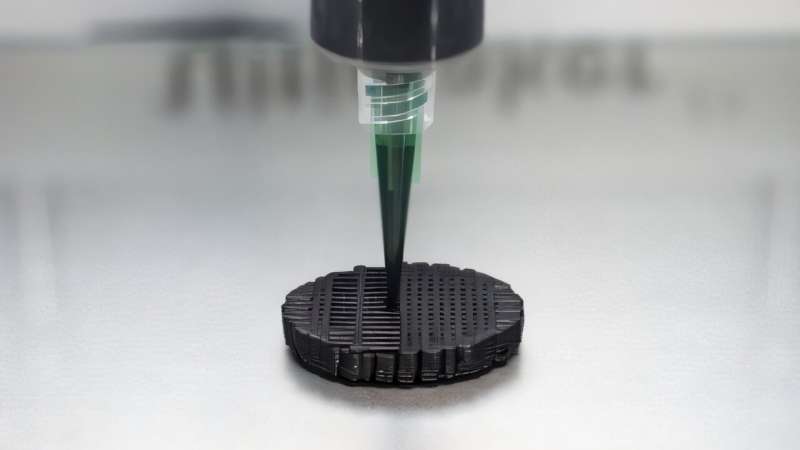
In a groundbreaking development, researchers have harnessed the power of low-cost FDM 3D printing technology to create scaffolds that closely mimic the mineral properties of natural bone tissue. By combining poly(lactic-co-glycolic acid) (PLGA) with hydroxyapatite (HA), they’ve created a base structure that offers a realistic environment for bone research. This innovative method significantly lowers the barrier to entry for labs, as it eliminates the need for expensive bioprinters traditionally required for such work.

While high-end bioprinters can cost hundreds of thousands of dollars, this new technique shows that even inexpensive desktop 3D printers can be used to produce functional scaffolds that are suitable for complex biomedical research. This democratization of technology could allow a wider range of labs, especially those with limited funding, to engage in advanced bone tissue research.

Continue reading… “Revolutionary 3D Printing Technique Opens New Doors for Bone Tissue Research and Drug Development”

Innovative 3D-Printed Furniture Shines at Designblok 2024, Winning Best Designer Presentation

At the 2024 Designblok exhibition, four forward-thinking designers—winners of the 2023 Designblok Diploma Selection—collaborated on a groundbreaking showcase that explored the practical applications of 3D-printed wood materials in furniture design. Their innovative pieces earned them the prestigious 2024 Designblok Award for Best Designer Presentation. Partnering with Additive Tectonics, the designers demonstrated how 3D printing can be utilized to create functional, sustainable, and aesthetically pleasing furniture while improving production efficiency.

Friedrich Gerlach’s Lumo Sofa is a standout example of how 3D printing can be leveraged for both sustainability and design innovation. The sofa features a stackable structure that maximizes the printer bed space, reducing material waste and improving production efficiency. Its seat is made from 100% wool fabric and filling, making it fully biodegradable, while the simple yet elegant design ensures practicality and comfort. This modular design emphasizes the potential of 3D printing to produce furniture that not only meets modern aesthetic standards but also aligns with sustainable principles.

Continue reading… “Innovative 3D-Printed Furniture Shines at Designblok 2024, Winning Best Designer Presentation”

John Deere Unveils New Autonomous Machines at CES 2025, Revolutionizing Agriculture, Construction, and Landscaping

At the CES 2025 technology event in Las Vegas, John Deere, the renowned American manufacturer of agricultural machinery and heavy equipment, revealed several groundbreaking autonomous vehicles designed to support industries ranging from agriculture to construction and commercial landscaping. Among the innovations showcased were the company’s first autonomous articulated dump truck (ADT), a battery-powered autonomous mower for landscaping, and next-generation tractors tailored for both large-scale farming and specialized orchard work.

John Deere’s expanded portfolio of autonomous machines aims to address the growing challenge of labor shortages, particularly in industries that require timely and skilled labor. “Our agriculture, construction, and landscaping customers all have critical tasks that must be completed at specific times of the day and year, yet skilled labor is increasingly scarce,” said Jahmy Hindman, Chief Technology Officer at John Deere. “Autonomy can help solve this problem by enabling machines to work safely and efficiently in complex environments, benefiting not only our customers but society at large.”

Continue reading… “John Deere Unveils New Autonomous Machines at CES 2025, Revolutionizing Agriculture, Construction, and Landscaping”
Discover the Hidden Patterns of Tomorrow with Futurist Thomas Frey
Unlock Your Potential, Ignite Your Success.

By delving into the futuring techniques of Futurist Thomas Frey, you’ll embark on an enlightening journey.

Learn More about this exciting program.