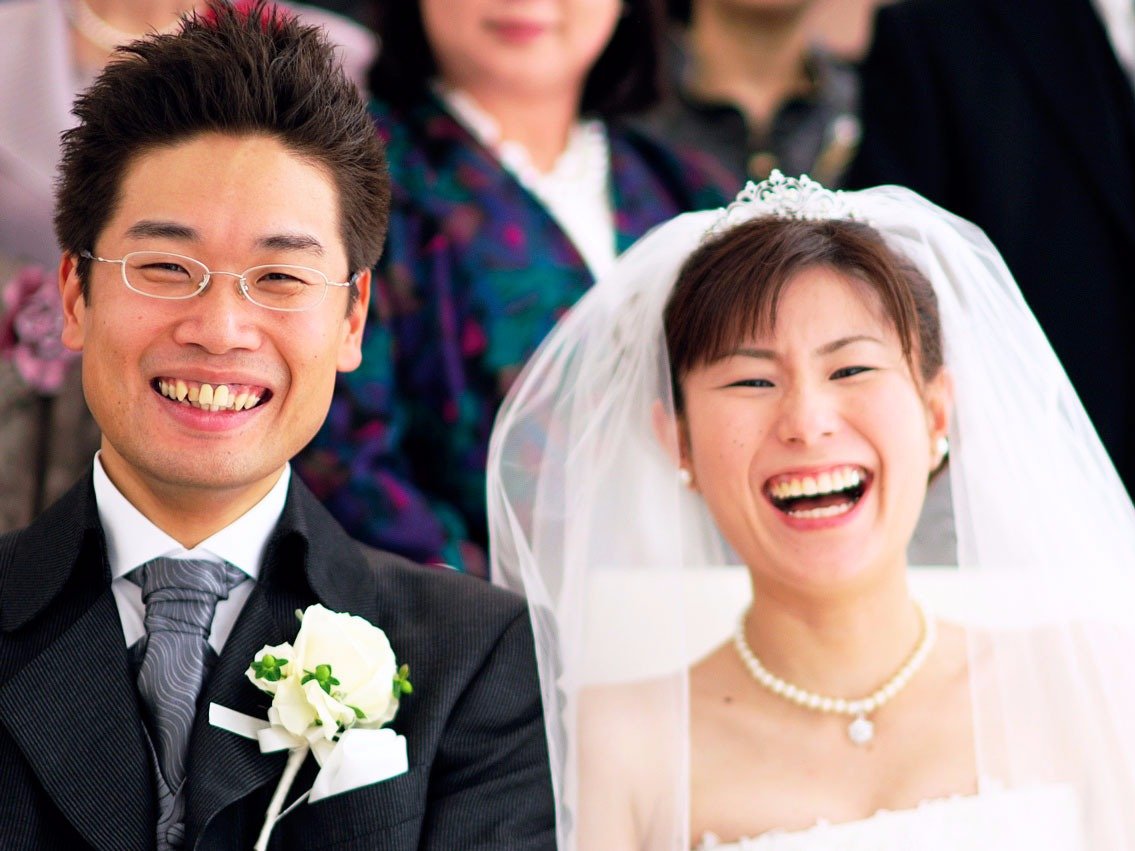
Japan is experiencing a vicious cycle of low fertility and low spending.
This year, there were fewer births than ever recorded in the 118 years Japan has collected data. The trend has social scientists worried for the financial and social future of the country.
The United States has one of the worst rates of child hunger among high-income countries. A recent UNICEF analysis puts it in perspective: About 20% of American children live in food-insecure households, meaning they lack access to safe and nutritious foods.
When 17-year-old Quattro Musser hangs out with friends, they don’t drink beer or cruise around in cars with their dates. Rather, they stick to G-rated activities such as rock-climbing or talking about books.
No one really seems to talk about it or acknowledge it, but iMessage is where a lot of mobile usage is trending towards, particularly for Gen-Z, and there are many good reasons why.
Fewer people in China are tying the knot – a trend alarming families and worrying the government. Gender inequality is at the heart of this phenomenon, writes Xuan Li.
It’s expected that almost half of Generation Z, the generation following Millennials, will connect online up to 10 hours per day, and one-third will spend at least one of those 10 hours watching video. It’s no surprise then that the most-used app by Gen Z is YouTube, followed by the three other biggest social video apps: Instagram, Facebook and Snapchat.
Will we have more rights or fewer rights when artificial intelligence kicks in? How about the right to have our diseases cured, the right to a full head of hair, the right to a job that matches our skills, or the right to marry our perfect mate?
In response to advances in neuroscience and technologies that alter or read brain activity, some researchers are proposing a recognition of new human rights to mental integrity. These would protect people from having their thoughts abused, hacked, or stolen. The idea of this kind of human right is a recognition that although brain-related technologies have the potential to transform our lives in many positive ways, they also have the potential to threaten personal freedom and privacy.
It’s the kind of stat you might casually tell a friend at a bar: For the last six years, Japan has sold more adult diapers than baby diapers. But Japan’s fertility problems are far more grave than toilet-related trivia. Over the last decade, Japan has seen its elderly population swell, new family-planning stall, and its economy shrink because of persistently low spending. Economists are now calling the situation a “demographic time bomb,” and some Japanese researchers have even created a doomsday clock that ticks off the seconds until Japan’s population extinction.
During Betsy DeVos’ recent three-hour confirmation hearing to become President Donald Trump’s education secretary, charter schools came up no fewer than 60 times. Homeschooling was mentioned once. Charter schools have become a significant part of the US public-education system and now educate 2.5 million kids. But homeschooling has quietly experienced a surge in recent years too. Brian Ray, a homeschooling researcher at the National Home Education Research Institute, estimates the number of kids taught at home is growing by as much as 8% a year since the total hovered around 2 million in 2010, according to US Census figures.