

Imagine walking into a store, picking up a carton of milk, and instantly knowing whether it’s truly fresh—not from a label with a printed date, but because the package itself signals its condition in real time. Or picture a shipment of sensitive electronics traveling across continents with packaging that alerts handlers the moment temperature or humidity drifts into dangerous territory. This is no longer speculation. Thanks to advances in functional inks and artificial intelligence, packaging is about to become as intelligent as the products it protects.
Continue reading… “The Future of Packaging: When Boxes Themselves Become Sensors”Japan’s Rice Fields Just Became Power Plants—Without Sacrificing the Rice
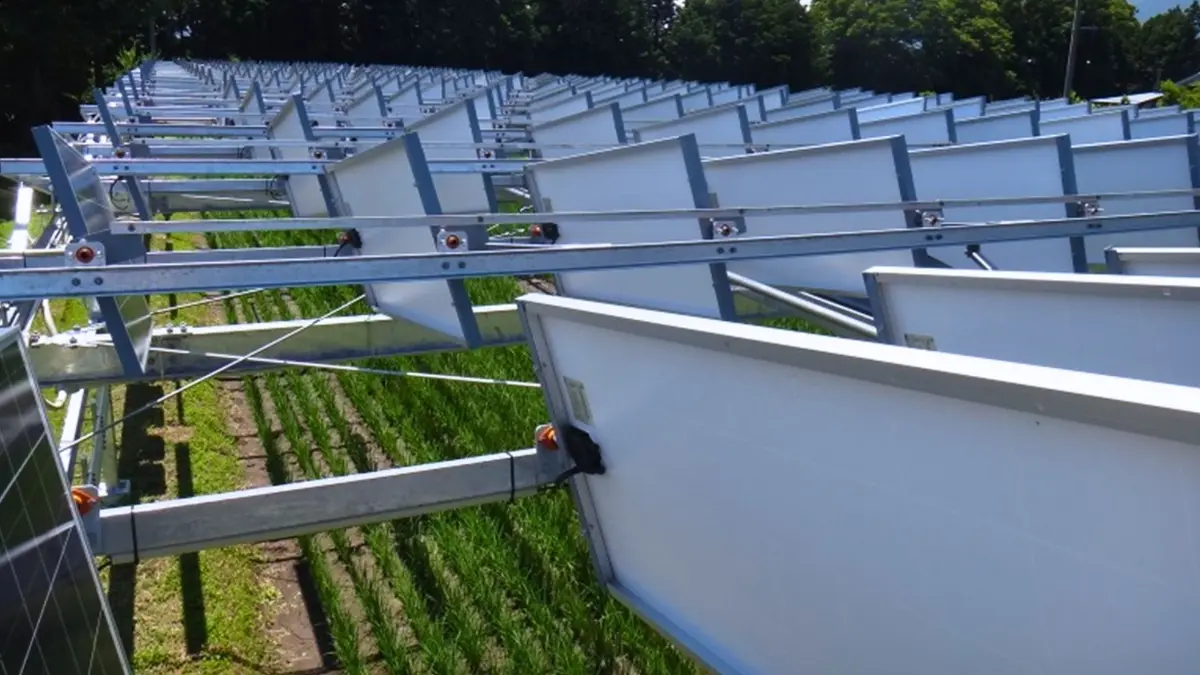
In the mountain valleys of Nagano, a new kind of harvest is taking place. Farmers aren’t just pulling in sacks of rice—they’re also producing enough electricity to power dozens of homes. And they’re doing it on the same plot of land.
Perched three meters above the paddies, a shimmering array of dual-axis solar panels follows the sun’s path across the sky. This isn’t just a fixed frame bolted to a post—these panels tilt and pivot daily, even seasonally, fine-tuning the balance between feeding the plants below and feeding the grid above.
Continue reading… “Japan’s Rice Fields Just Became Power Plants—Without Sacrificing the Rice”The Microbial Revolution: How Bacteria Are Building the Future of Plastic—and Then Erasing It
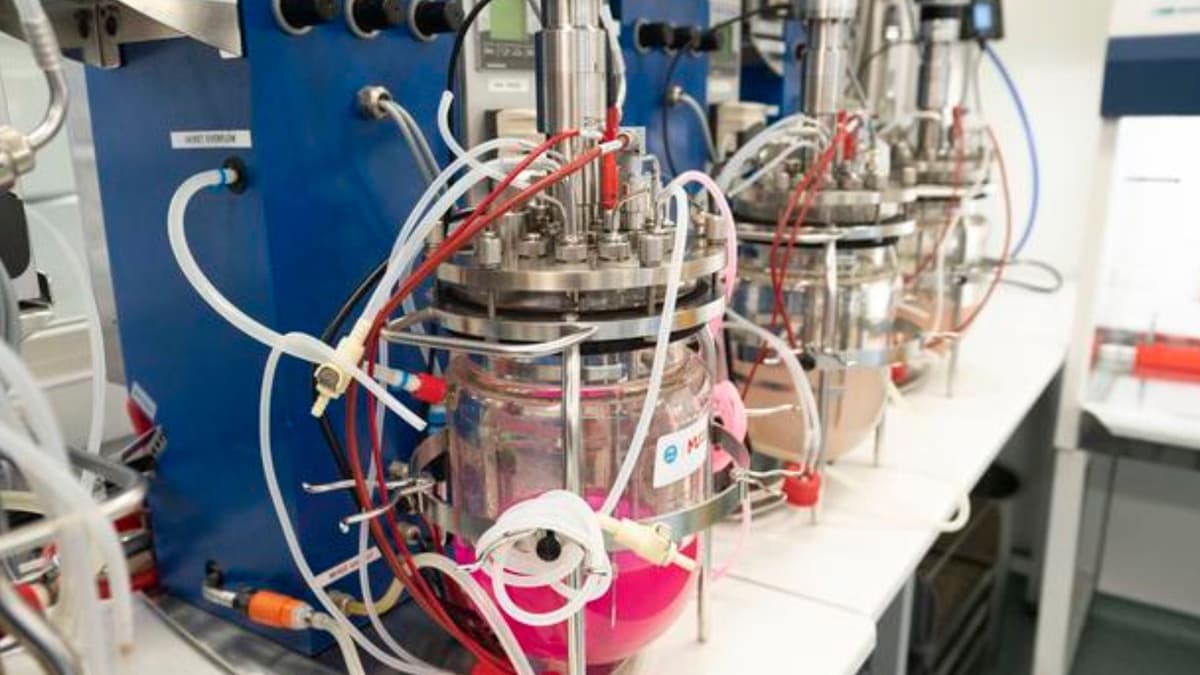
What if the solution to our plastic nightmare wasn’t some miracle machine or billion-dollar cleanup plan—but wild microbes, pulled straight from the dirt?
At Murdoch University in Western Australia, scientists have done exactly that. They’ve tapped into nature’s molecular black market and found bacteria that don’t just survive in harsh environments—they hoard resources, synthesize natural polymers, and spit out a plastic that doesn’t pollute, doesn’t linger, and doesn’t need a single drop of petroleum. When they’re done, it disappears—no toxic residue, no microplastics, no trace.
This isn’t your grandma’s compostable plastic. It’s not that flimsy “eco-friendly” fork that snaps in your hand or the greenwashed packaging that ends up in the same landfill as everything else. This is plastic reimagined from the microbial level up—engineered by nature, recovered by science, and destined to vanish like it was never there.
Continue reading… “The Microbial Revolution: How Bacteria Are Building the Future of Plastic—and Then Erasing It”Robotic Kitchens Take the Spotlight: ABB and BurgerBots Launch Automated Fast-Food Concept in California

The future of fast food just got a high-tech upgrade. ABB Robotics and BurgerBots have unveiled a cutting-edge automated restaurant concept in Los Gatos, California, showcasing how robotics can revolutionize food preparation. At the heart of the operation are ABB’s IRB 360 FlexPicker and YuMi collaborative robot, which together assemble meals with precision, speed, and hygiene—freeing human staff to focus on customer service.
“This collaboration demonstrates the incredible potential for automation beyond the factory floor,” said Marc Segura, president of ABB’s Robotics Division. “The food service industry is dynamic and demanding, and our technology brings industrial-grade consistency, efficiency, and reliability to this space.”
Continue reading… “Robotic Kitchens Take the Spotlight: ABB and BurgerBots Launch Automated Fast-Food Concept in California”Flippy’s Future: Can Robots Revolutionize Fast-Food Kitchens?
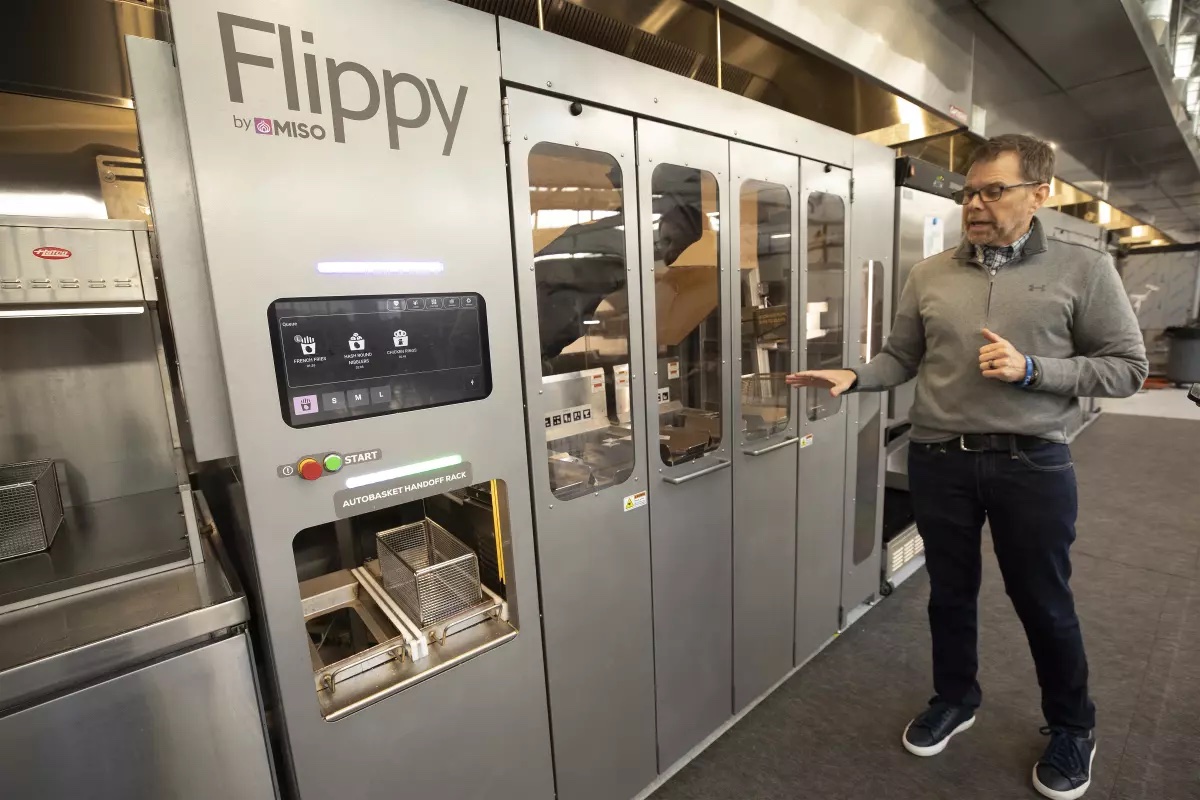
Inside Miso Robotics’ lab in downtown Pasadena, a collection of robots that once seemed like science fiction come to life lines the workbenches. Among them are Sippy, Chippy, and Drippy—robots designed to handle various kitchen tasks. But it’s Flippy, the latest innovation, that steals the spotlight. This robotic arm, designed to fry French fries and chicken nuggets at lightning speed, could change the future of fast food.
With the restaurant industry facing rising labor costs, including increases in minimum wage, Miso Robotics is betting big on automation. Fast-food chains, burdened by higher wages and employee turnover, are increasingly looking for ways to cut costs, streamline operations, and improve consistency. Flippy, which can process more than 100 baskets of fries per hour, is at the heart of this push. Compared to the roughly 70 baskets an average employee can manage in the same time, Flippy is not just faster—it’s also safer, sparing workers from the dangers of hot oil and grease slips.
Continue reading… “Flippy’s Future: Can Robots Revolutionize Fast-Food Kitchens?”South Korean Scientists Revolutionize Lab-Grown Meat with Breakthrough in Flavor

In a significant step forward for sustainable food sources, researchers in South Korea have developed a new method to make lab-grown meat taste like the real deal. Despite its initial appearance as a transparent, bubble gum pink disc, this innovation has the potential to transform the meat industry.
Lab-grown meat, also known as cultured or cell-based meat, is an emerging alternative to conventional meat, offering the same nutritional benefits and sensory experience without the associated carbon footprint. This meat is created by cultivating animal cells in a lab on 3D structures called “scaffolds,” allowing the cells to multiply without the need for traditional animal farming.
Continue reading… “South Korean Scientists Revolutionize Lab-Grown Meat with Breakthrough in Flavor”Meaty Rice: An Eco-Friendly Protein Solution for the Future
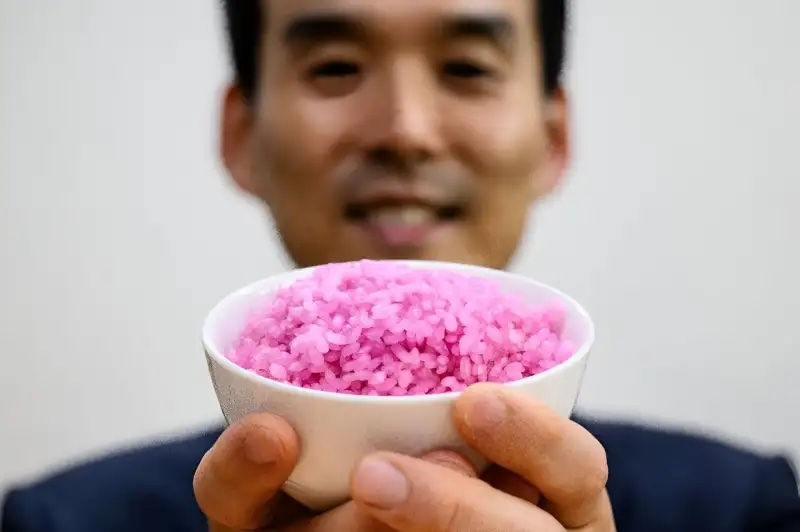
From preventing famines to feeding astronauts in space, team leader and professor Hong Jin-kee believes his innovative “meaty rice” could provide an eco-friendly, ethical way for people to obtain their protein. This novel dish, which resembles a regular bowl of rice but has a pink hue and a faint buttery aroma, is made with beef muscle and fat cell cultures.
“No animals were harmed in the creation of this dish,” said Hong of Seoul’s Yonsei University. Using cultured meat, “we can obtain animal protein without the slaughter of livestock,” he told AFP. This aligns with a global trend towards meat alternatives, driven by ethical concerns over industrial livestock rearing and the environmental impact of greenhouse gas emissions from animal farming.
Continue reading… “Meaty Rice: An Eco-Friendly Protein Solution for the Future”Seergrills Unveils AI-Powered Perfecta Grill at CES 2024

CES has evolved into a grilling showcase, with companies continuously infusing tech into outdoor cooking experiences. Among them, UK-based startup Seergrills has brought AI innovation to your patio with its flagship model, the Perfecta, capable of cooking a one-inch-thick ribeye steak in just 90 seconds. According to the company, this grill cooks food approximately 10 times faster than traditional methods.
The Perfecta, resembling a see-through countertop oven, features dual vertical infrared burners inside that simultaneously cook both sides of the food, expediting the process and eliminating the need for flipping. Seergrills boasts that these burners can reach temperatures of up to 1,652 degrees Fahrenheit, ensuring crispy edges through 360-degree heating. The grill incorporates an AI chef that takes into account desired doneness and sear level, calculating the optimal cooking time and temperature based on the type of food being prepared. Sensors detect the thickness of items like steak and chicken, preventing overcooking or undercooking, and the burners adjust their proximity to the food as necessary throughout the cooking process. Seergrills dubs this intelligent setup “NeuralFire,” equipped with a quad-core processor and various sensors for collecting cooking data.
Continue reading… “Seergrills Unveils AI-Powered Perfecta Grill at CES 2024”George de Hevesy: From Cafeteria Chemistry to Pioneering Radioactive Tracers
Each October, the Nobel Prizes celebrate remarkable scientific achievements, some of which have their origins in unconventional places. In the case of George de Hevesy, who received the Nobel Prize in Chemistry in 1943 for his groundbreaking work on radioactive tracers, that unconventional place was a boarding house cafeteria in Manchester, U.K., in 1911.
De Hevesy’s Cafeteria Experiment
George de Hevesy had a hunch that the boarding house cafeteria staff was reusing leftovers from previous meals, as the daily soup seemed to contain the same ingredients as the day before. To test his theory, he used a small amount of radioactive material in his leftover meat. A few days later, armed with an electroscope, he measured the radioactivity in the prepared food. When he showed the results to his landlady, who was unwittingly serving recycled food, she exclaimed, “this is magic.” In reality, it was the inception of the first successful radioactive tracer experiment.
Revolutionizing Science with Radioactive Tracers
Fast forward to today, where we, a team of chemists and physicists at the Facility for Rare Isotope Beams, Michigan State University, continue to build upon de Hevesy’s early research. His work has revolutionized the way modern scientists use radioactive materials, leading to numerous scientific and medical advances.
Continue reading… “George de Hevesy: From Cafeteria Chemistry to Pioneering Radioactive Tracers”Samsung Unveils Samsung Food: A Cutting-Edge Food Integration Platform

Samsung is set to unveil its highly anticipated food integration platform, Samsung Food, at IFA 2023. This annual trade fair, the largest of its kind in Europe, focuses on consumer electronics and home appliances and will take place in Berlin from September 1st to September 5th.
Samsung Food is a revolutionary platform that harnesses the power of artificial intelligence to offer users a personalized food experience. It boasts a wide range of capabilities, including meal planning, food preparation assistance, recipe searching, cooking guidance, and content sharing.
Continue reading… “Samsung Unveils Samsung Food: A Cutting-Edge Food Integration Platform”Coca-Cola’s AI-Created Y3000 Zero Sugar Drink: A Taste of the Future

Coca-Cola has unveiled the world’s first soda drink crafted with the assistance of artificial intelligence (AI). The limited-edition Y3000 Zero Sugar, launched this month, offers a glimpse of what the future might taste like, according to the company. It’s the result of a collaborative effort, combining “human intelligence and AI” to create a beverage that embodies Coca-Cola’s vision of tomorrow.
The Creative Process
To bring this innovative drink to life, Coca-Cola solicited input from fans worldwide to understand what a futuristic beverage should taste like. AI played a pivotal role in developing flavor profiles and designing the product’s external packaging, including the logo and text script. Each Y3000 can boasts a QR code that, when scanned, provides customers with a sneak peek into the world of the year 3,000. This allows access to the Coca-Cola Creations Hub, where users can apply custom Y3000 AI Cam filters to their photos.
Continue reading… “Coca-Cola’s AI-Created Y3000 Zero Sugar Drink: A Taste of the Future”Bioavailability of Essential Amino Acids Varies between Animal-Based and Plant-Based Proteins, Purdue Study Reveals
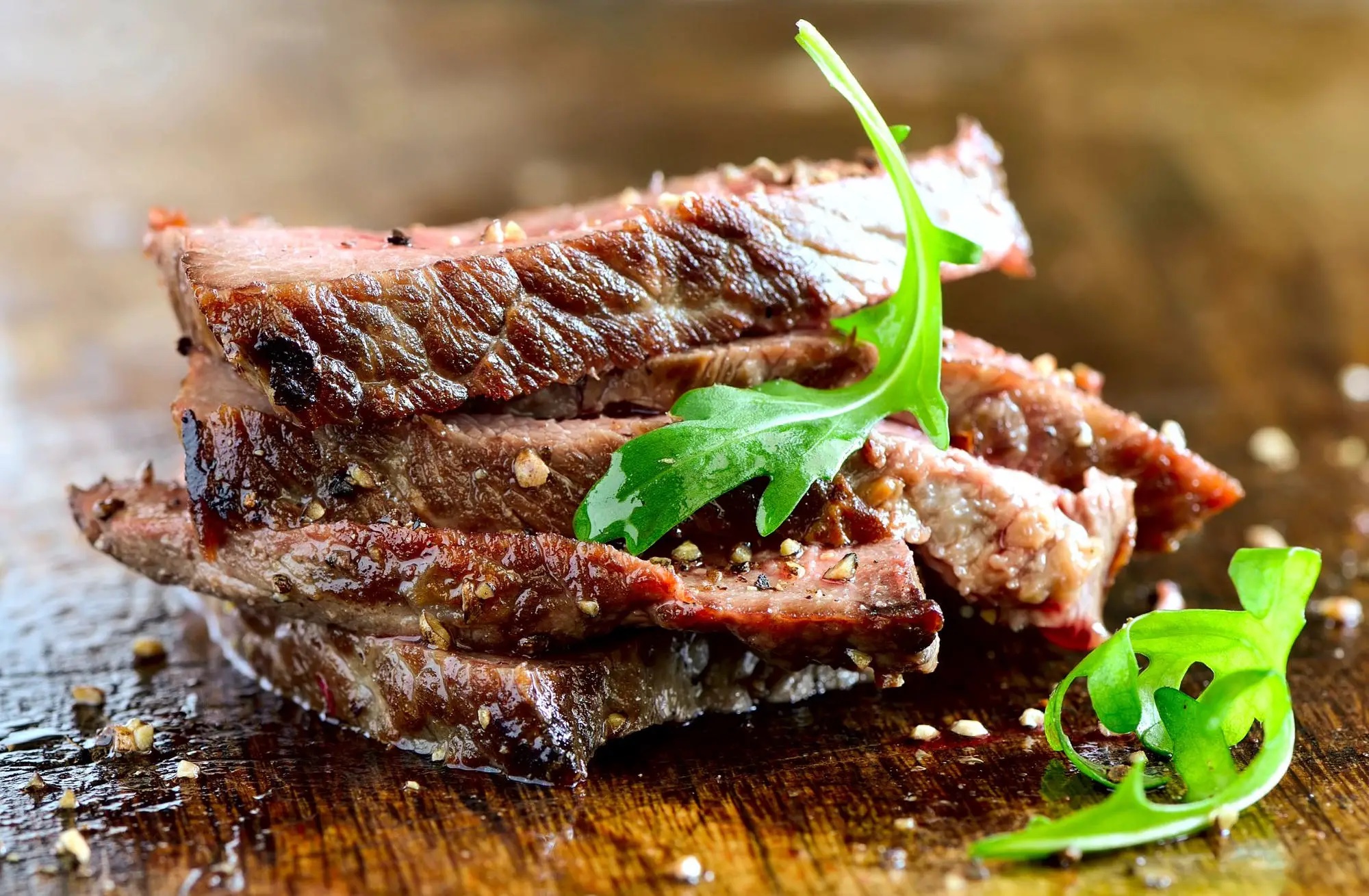
The consumption of equivalent ounce-equivalent portions of animal-based and plant-based protein foods, as outlined in the Dietary Guidelines for Americans (DGAs), yields varying levels of essential amino acid bioavailability in both young and older adults, according to recent research by Purdue University scientists. The quality of protein derived from two-ounce-equivalent (oz-eq) portions of animal-based and plant-based sources significantly affects the body’s ability to utilize amino acids for muscle and overall protein synthesis.
While DGAs emphasize diverse protein intake based on ounce-equivalent portions with similar nutritional content, the basis for deeming these protein foods “equivalent” remains unclear. Dr. Wayne Campbell, the study’s primary investigator and a professor in the Department of Nutrition Science at Purdue University, highlights the disparities in energy, nutrient content, and protein quality among protein foods. The study sought to examine how consuming two oz-eq portions of animal-based and plant-based protein foods as part of a mixed meal impacts essential amino acid (EAA) bioavailability for protein building.
Continue reading… “Bioavailability of Essential Amino Acids Varies between Animal-Based and Plant-Based Proteins, Purdue Study Reveals”