Self-Healing Soft Robotics Inspired by Nature

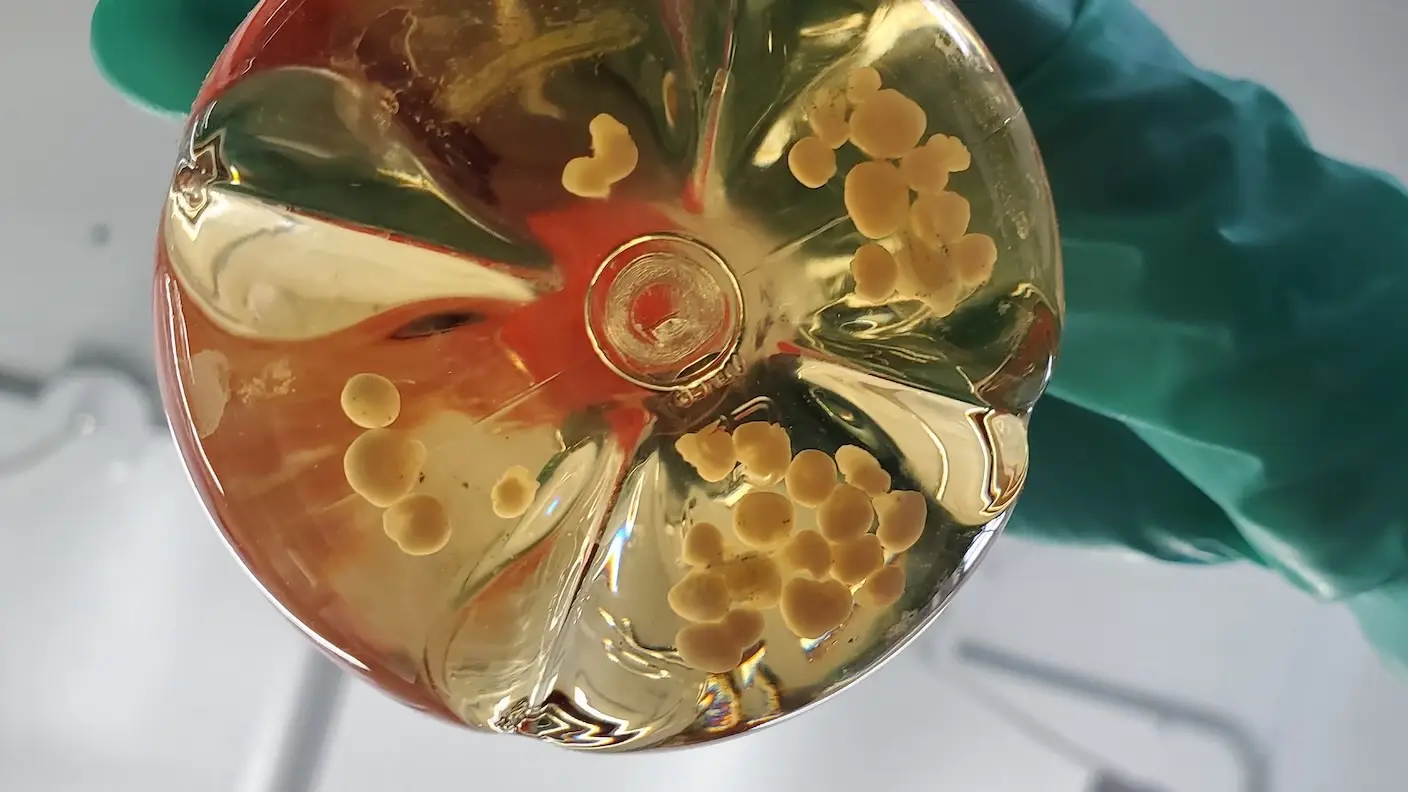
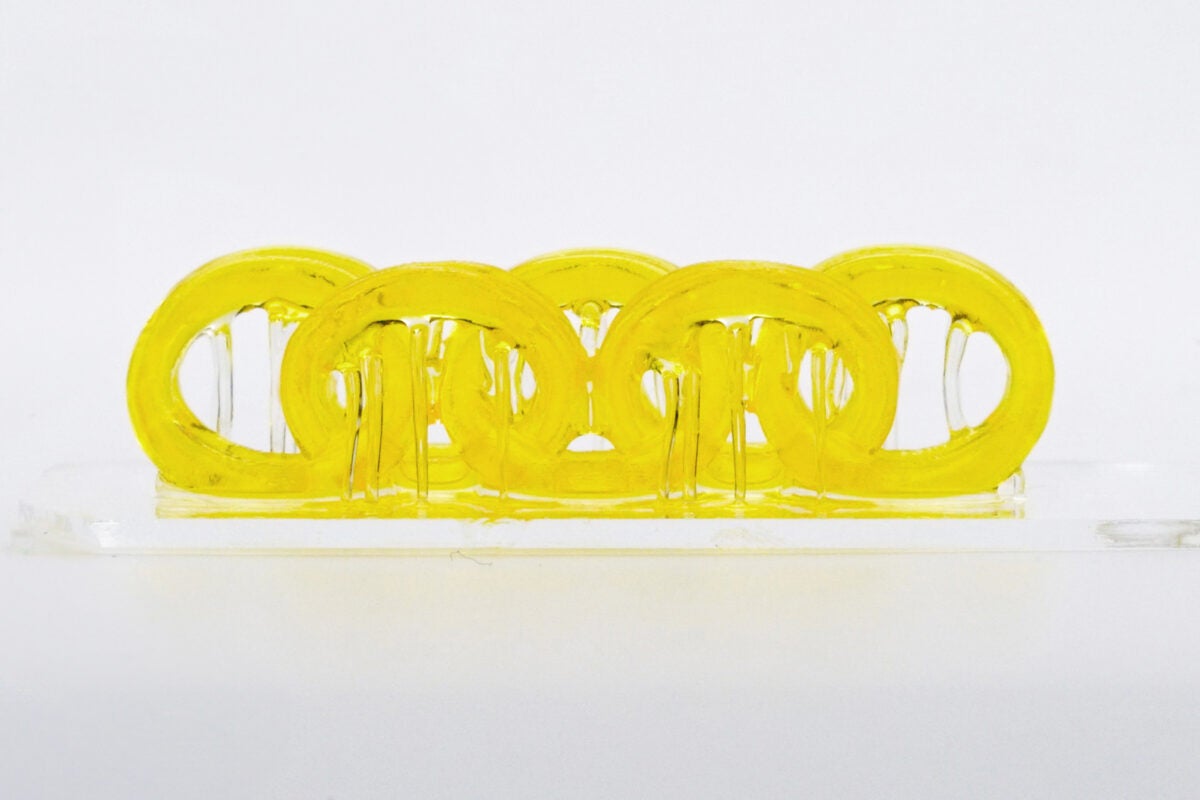
If you grew up watching sci-fi classics like Terminator 2, you might remember the T-1000’s incredible ability to self-repair from bullet wounds and blade slashes. While real-world technology isn’t quite there yet, engineers at the University of Nebraska–Lincoln have made a major stride in that direction with a new self-healing soft robotics system.

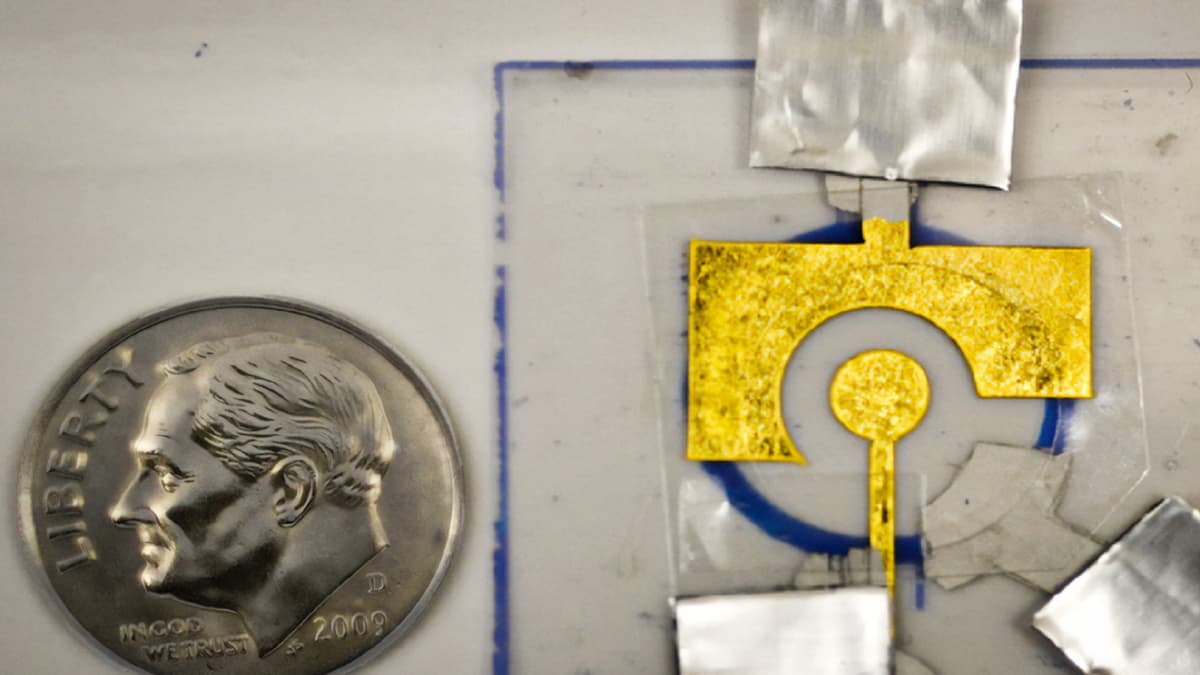
Developed by a team led by engineer Eric Markvicka and graduate students Ethan Krings and Patrick McManigal, this system features an autonomous artificial muscle that detects and repairs its own damage. It’s designed to mimic how human and plant skin reacts to injury, pushing the boundaries of biomimicry in soft robotics.

Continue reading… “Self-Healing Soft Robotics Inspired by Nature”

XCMG Delivers 100 Autonomous Electric Mining Trucks to Advance Zero-Carbon Mining in China

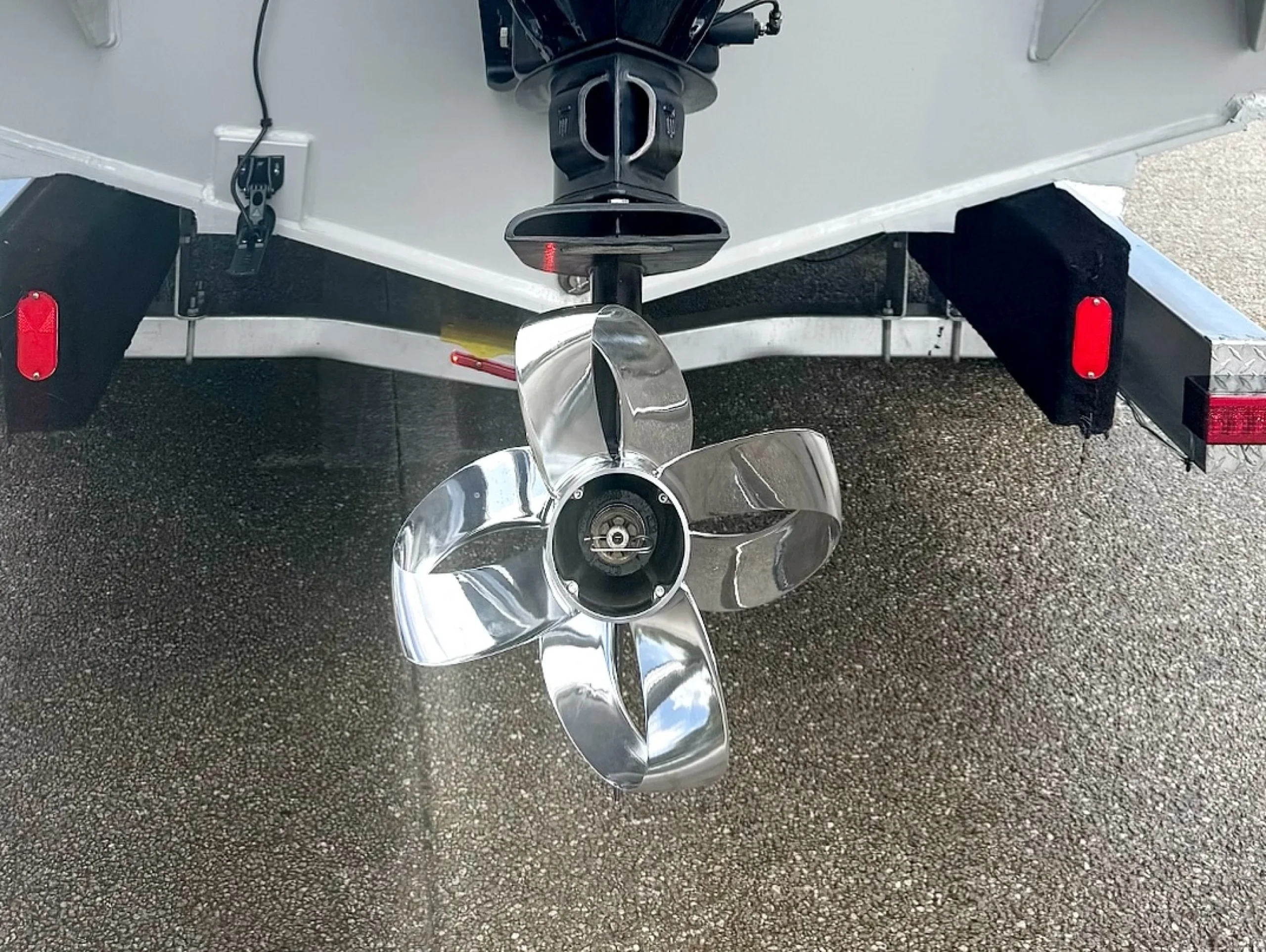
The mining industry is rapidly adopting autonomous vehicle technology, and Xuzhou Construction Machinery Group Co. (XCMG) is leading the charge. This week, the China-based company delivered 100 all-electric, uncrewed mining trucks to the Huaneng Yimin Open-Pit Coal Mine in Inner Mongolia.

XCMG stated that the Yimin Mine is now the world’s first site operating a fleet of 100 fully autonomous, zero-emission electric haul trucks. This development marks a significant step forward in sustainable mining and showcases collaboration across energy, technology, and equipment sectors.

Continue reading… “XCMG Delivers 100 Autonomous Electric Mining Trucks to Advance Zero-Carbon Mining in China”

From Prompts to Proteins: How AI Is Revolutionizing Molecular Design

Chatbots like ChatGPT have made it easy for users to access complex information through simple questions. The same principle is now being applied to one of biology’s most complex challenges: protein design. Traditionally, creating custom proteins required deep technical expertise and reliance on naturally evolved templates. But scientists are now building AI models that can generate novel proteins from plain English prompts, much like asking ChatGPT for a summary or essay.

Enter Pinal, a new AI designed to act as a conversational protein engineer. Developed by an international team of researchers, Pinal allows scientists to describe the desired type, function, or structure of a protein in natural language. In response, the AI generates candidate proteins that can be tested in living cells. In one demonstration, Pinal successfully designed enzymes that broke down alcohol, some even functioning at high temperatures.

Continue reading… “From Prompts to Proteins: How AI Is Revolutionizing Molecular Design”

Gene Therapy Breakthrough Targets Blood Disorders in Newborns With a Single Injection

A new approach to gene therapy may revolutionize how inherited blood diseases like sickle cell disease and Fanconi anemia are treated—by editing blood stem cells directly inside the body. Researchers from the IRCCS San Raffaele Scientific Institute in Italy have successfully edited genes in infant mice using a single injection, bypassing the need to extract, modify, and reintroduce stem cells—a process that is currently complex, costly, and physically demanding for patients.

The new treatment leverages a critical time window shortly after birth, when blood stem cells naturally circulate from the liver to the bone marrow. During this phase, stem cells are more accessible in the bloodstream, making them an ideal target for in vivo gene editing. In adult patients, these cells are typically hidden deep in the bone marrow, making them harder to reach.

Continue reading… “Gene Therapy Breakthrough Targets Blood Disorders in Newborns With a Single Injection”

Breakthrough in Liquid Uranium Rocket Engine Could Double Spacecraft Efficiency

Researchers have announced progress in the development of a Centrifugal Nuclear Thermal Rocket (CNTR), a next-generation propulsion system powered by liquid uranium fuel. This advanced concept is being developed by teams at the University of Alabama in Huntsville and The Ohio State University.

The CNTR is a nuclear thermal propulsion (NTP) system that heats hydrogen propellant directly using the reactor’s liquid uranium fuel. By spinning the molten uranium in a centrifuge, hydrogen gas is passed through the superheated liquid and expelled through a nozzle to generate thrust. This method is designed to achieve a specific impulse of approximately 1,500 seconds—nearly double that of current solid-core NTP designs, such as NASA’s DRACO Program, which aims for around 900 seconds.

Continue reading… “Breakthrough in Liquid Uranium Rocket Engine Could Double Spacecraft Efficiency”

Quantum Leap in Holography: Brown University Engineers Pioneer 3D Imaging Breakthrough

Holographic imaging has taken a significant step forward thanks to a new quantum-based technique developed by engineers at Brown University, including two undergraduate students. This innovative approach harnesses the power of quantum entanglement to generate detailed 3D holograms—without relying on traditional infrared cameras.

The method uses invisible infrared light to illuminate microscopic objects, while entangled visible light captures both the intensity and phase of the light waves—an essential element for creating true holographic images. The process, called Quantum Multi-Wavelength Holography, overcomes longstanding technical hurdles such as phase wrapping and significantly expands the depth range of holographic imaging.

Continue reading… “Quantum Leap in Holography: Brown University Engineers Pioneer 3D Imaging Breakthrough”

Breakthrough Enzyme Could Revolutionize Biofuel Production from Plant Waste

Turning tough plant materials into usable fuel has long been one of the biggest challenges in renewable energy. At the center of this effort is cellulose, Earth’s most abundant renewable polymer. Despite being made entirely of glucose, its tightly packed crystalline structure—combined with lignin and hemicellulose—makes it extremely difficult to break down. Nature accomplishes this only slowly, and with the help of complex enzyme systems.

Now, scientists at the Brazilian Center for Research in Energy and Materials (CNPEM), along with collaborators in Brazil and abroad, have discovered a powerful new enzyme that can unlock cellulose more efficiently than ever before. Known as CelOCE (cellulose oxidative cleaving enzyme), this metalloenzyme could dramatically enhance the production of second-generation ethanol, a clean fuel made from agricultural waste such as sugarcane bagasse and corn straw. The research was recently published in Nature.

Continue reading… “Breakthrough Enzyme Could Revolutionize Biofuel Production from Plant Waste”

The Rise of the Bionic Advisor: How AI Is Rewriting the Future of Financial Advice

Artificial intelligence is already transforming how financial advisors work—automating note-taking, generating client emails, and streamlining administrative tasks. But while many advisors expect AI to boost efficiency in subtle ways, industry experts suggest the change ahead may be far more radical. According to analysts, AI won’t just enhance the role of the advisor—it may fundamentally redefine it.

We’re in the early stages of AI integration into wealth management. Today, AI tools are primarily used to offload routine tasks, optimize workflows, and free up advisors to focus on client relationships, prospecting, and strategy. But as the technology matures, the debate is heating up over just how transformative AI will be for financial services.

Continue reading… “The Rise of the Bionic Advisor: How AI Is Rewriting the Future of Financial Advice”

How TV Tech and Diamonds Could Help Detect Cancer: A Breakthrough in Quantum Biosensing

What do luxury diamonds, cutting-edge quantum physics, and the QLED screen in your TV have in common? Surprisingly, when combined, they form the foundation of a groundbreaking new technology that may one day detect diseases like cancer or diabetes—from inside your living cells.

This isn’t science fiction. It’s the latest innovation from researchers at the University of Chicago and the University of Iowa, who have developed a new way to turn ordinary diamond nanoparticles into quantum sensors capable of functioning inside biological environments. Their work could redefine early disease detection, cellular diagnostics, and real-time health monitoring.

Continue reading… “How TV Tech and Diamonds Could Help Detect Cancer: A Breakthrough in Quantum Biosensing”

Continental Unveils Groundbreaking Rotor Temperature Sensor to Boost EV Efficiency and Sustainability

German automotive supplier Continental has introduced a revolutionary sensor technology designed to measure temperature directly on the rotor of permanently excited synchronous motors (PMSMs)—a first in the electric vehicle (EV) industry. The innovation, known as the e-Motor Rotor Temperature Sensor (eRTS), is poised to make electric motors more powerful, cost-effective, and environmentally sustainable.

This advancement marks a significant leap forward in EV motor technology. Unlike current systems that estimate rotor temperature through indirect methods like stator sensors, current flow, and environmental data, the eRTS provides direct, real-time temperature readings on the rotor itself. This dramatically reduces the tolerance range from 15°C (59°F) to just 3°C (37.4°F), allowing for far greater accuracy and efficiency in motor design and operation.

Continue reading… “Continental Unveils Groundbreaking Rotor Temperature Sensor to Boost EV Efficiency and Sustainability”

TissueLabs Unveils TissuePro: A Next-Generation Bioprinter for Advanced Tissue Engineering

Swiss biotech company TissueLabs has announced the launch of its most advanced bioprinter to date, the TissuePro. Designed specifically for tissue engineering and regenerative medicine, TissuePro introduces a significant leap forward in multi-material precision printing, automation, and versatility, surpassing the capabilities of the company’s earlier models.

TissuePro is the successor to TissueStart, TissueLabs’ entry-level bioprinter, which is currently used in over 300 laboratories across more than 30 countries. While TissueStart served as an accessible platform for researchers beginning their bioprinting journey, TissuePro is built for scaling up operations and tackling more sophisticated applications. These include complex tissue constructs, organ-on-a-chip systems, vascularized structures, and other frontier challenges in regenerative medicine.

Continue reading… “TissueLabs Unveils TissuePro: A Next-Generation Bioprinter for Advanced Tissue Engineering”

MIT Engineers Develop Breakthrough Membrane to Revolutionize Crude Oil Refining

MIT researchers have developed an innovative membrane that can separate components of crude oil by molecular size, potentially replacing the energy-intensive process of distillation. This advancement could significantly reduce the energy consumption and environmental impact associated with refining oil into fuels such as gasoline, diesel, and heating oil. Currently, refining processes rely on heating crude oil to high temperatures to separate its components based on their boiling points, a method that accounts for approximately 6% of global carbon dioxide emissions. The new membrane offers an alternative by filtering molecules according to size and shape, eliminating the need for boiling.

According to Zachary P. Smith, associate professor of chemical engineering at MIT and senior author of the study, the new method represents a transformative approach to separation technology. Instead of relying on thermal energy, the membrane uses molecular sieving to isolate specific components from crude oil. The membrane is a thin film that resists swelling—a common issue with previous membranes—and can be manufactured using interfacial polymerization, a technique already common in industrial settings. This makes the technology not only effective but also scalable.

Continue reading… “MIT Engineers Develop Breakthrough Membrane to Revolutionize Crude Oil Refining”
Discover the Hidden Patterns of Tomorrow with Futurist Thomas Frey
Unlock Your Potential, Ignite Your Success.

By delving into the futuring techniques of Futurist Thomas Frey, you’ll embark on an enlightening journey.

Learn More about this exciting program.