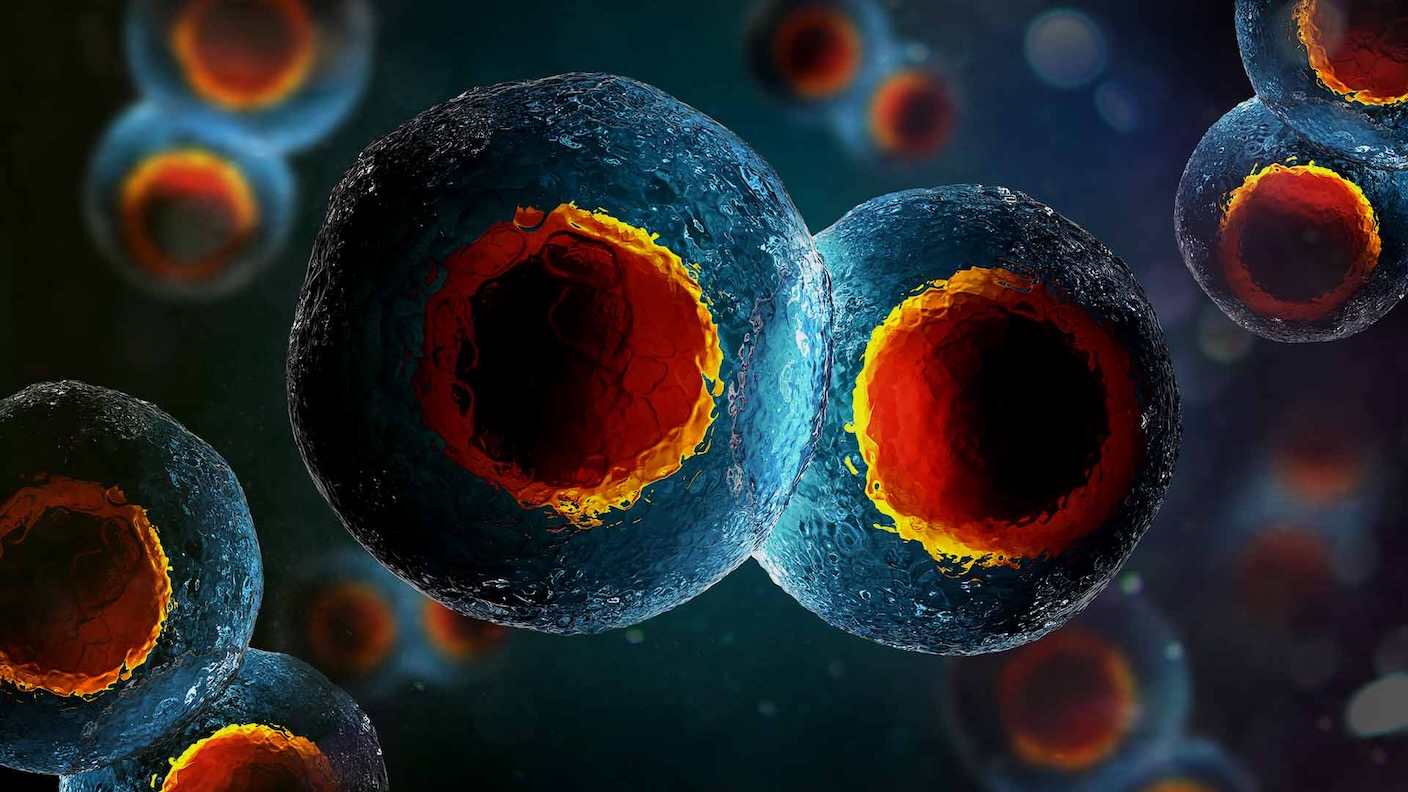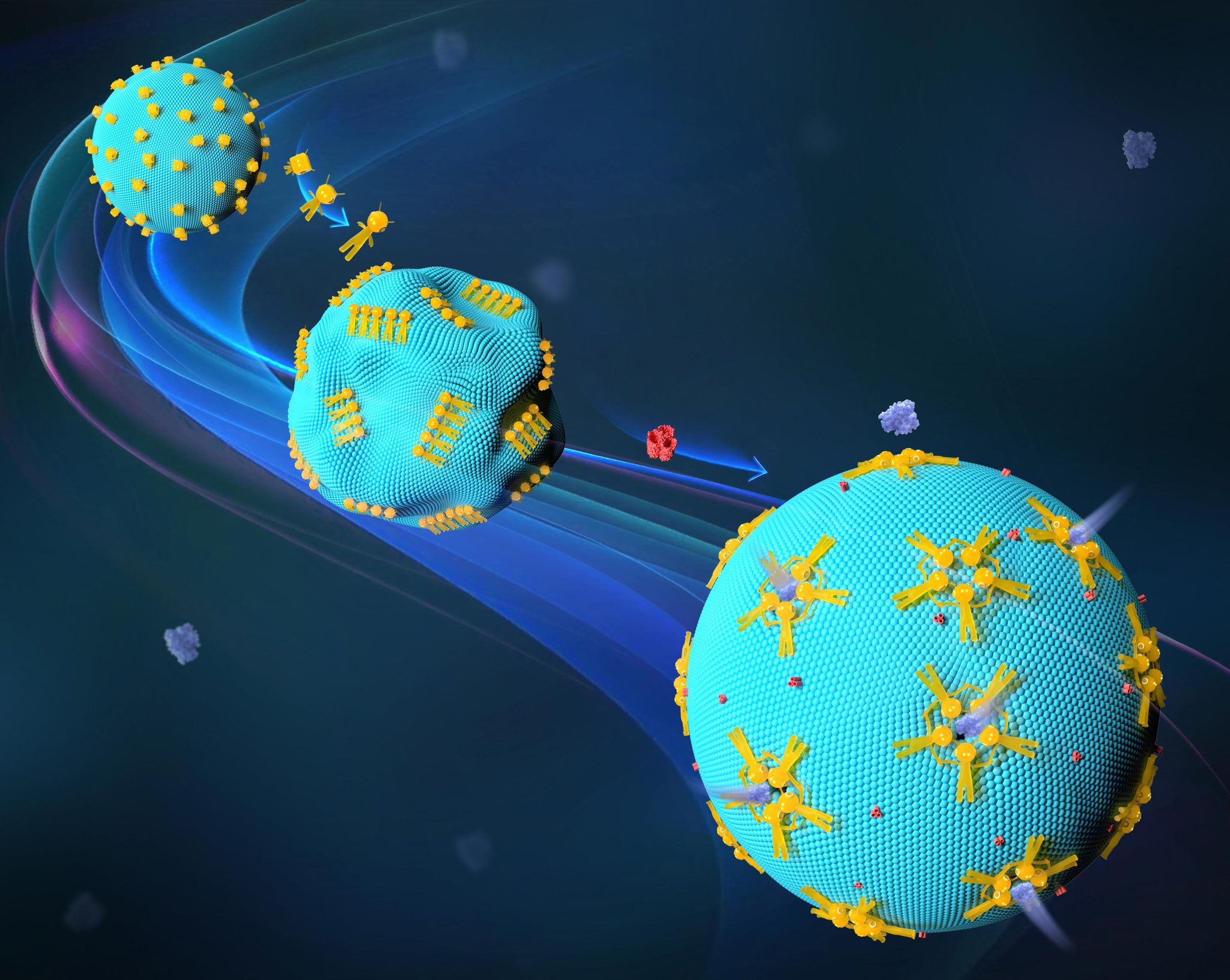
Scientists at the University of Stuttgart have made a groundbreaking advancement in synthetic biology by using DNA origami to control the structure and function of biological membranes. This innovative system has the potential to revolutionize drug delivery, offering a new way to efficiently transport large therapeutic molecules into cells, thereby paving the way for more targeted and precise treatments. The research, led by Professor Laura Na Liu and published in Nature Materials, marks a significant milestone in the application of DNA nanotechnology for medical and biological applications.
A cell’s shape and structure are integral to its biological function, embodying the principle of “form follows function.” This idea is not only prevalent in modern architecture but also fundamental in understanding cellular mechanics. In synthetic biology, mimicking this principle in artificial cells has proven to be a considerable challenge. However, the recent progress in DNA nanotechnology has provided a solution, enabling scientists to design transport channels that are large enough to carry therapeutic proteins across cell membranes.
Continue reading… “DNA Origami Breakthrough Enables Precise Delivery of Therapeutic Molecules into Cells”