Pudu Technology Inc. Unveils Full-Sized Bipedal Humanoid Robot PUDU D9

Pudu Technology Inc., a Shenzhen-based robotics company, recently unveiled its first full-sized bipedal humanoid robot, the PUDU D9. Set to be available for pre-sale through its official website, the company envisions the PUDU D9 as a step toward achieving “commercially viable embodied intelligence.”

Felix Zhang, founder and CEO of Pudu Robotics, highlighted the company’s commitment to customer-centric innovation. “Customer centricity has always been at the core of PUDU’s values. Moving forward, we will continue to explore technology driven by customer needs and pain points,” he said. Zhang emphasized that the company’s deep experience in the commercial service sector will be crucial in advancing semi-humanoid and humanoid robots, making robotic services more accessible to a broader audience.

Continue reading… “Pudu Technology Inc. Unveils Full-Sized Bipedal Humanoid Robot PUDU D9”

China’s CR450 High-Speed Train Set for 2025 Launch, Aims to Become the World’s Fastest Commercial Train

China has reportedly conducted a successful trial run of its high-speed rail, the CR450, which is slated to become the world’s fastest commercial train upon its expected launch in 2025. The CR450, capable of reaching a trial speed of 280 mph (450 km/h), was recently tested on a route between Tianjin and Beijing.

Videos of the train, which surfaced on social media in November before being taken down, showcased the sleek, cutting-edge design of the new train. When viewed from the side, the CR450 bears a striking resemblance to an arrow, with a streamlined, bullet-shaped nose and slightly angular contours. The cockpit is also equipped with decorative breathing lights, adding to the futuristic appearance.

Continue reading… “China’s CR450 High-Speed Train Set for 2025 Launch, Aims to Become the World’s Fastest Commercial Train”

kayama University Develops Nanodiamond Sensors for Advanced Quantum Sensing and Bioimaging

Researchers at Okayama University in Japan have achieved a major breakthrough by developing nanodiamond sensors with the potential to revolutionize quantum sensing and bioimaging applications. These advanced sensors could enable highly detailed and accurate images of biological systems, significantly enhancing disease detection and treatment. Additionally, they could allow scientists to detect minute atomic and molecular changes that conventional sensors cannot identify, offering new possibilities for scientific exploration.

“Both quantum sensing and bioimaging have the potential to transform healthcare, technology, and environmental management, improving the quality of life and offering sustainable solutions to future challenges,” said Masazumi Fujiwara, an associate professor at Okayama University and one of the researchers involved in the study.

Continue reading… “kayama University Develops Nanodiamond Sensors for Advanced Quantum Sensing and Bioimaging”

Breakthrough in Steel-Aluminum Alloy via 3D Printing: Paving the Way for Lightweight Automotive Parts

Researchers at Tohoku University’s Institute for Materials Research and New Industry Creation Hatchery Center have made a groundbreaking advancement in multi-material 3D printing, creating a durable steel-aluminum alloy that could revolutionize the production of lightweight and robust automobile components.

Metal 3D printing involves building objects layer by layer, where metal powders are fused using heat from a laser. This technique provides remarkable precision, enabling the production of intricate, highly customizable designs with minimal material waste compared to traditional manufacturing. One of the standout benefits of 3D printing is its ability to produce “multi-material structures.” These components combine different metals to optimize performance—such as pairing aluminum with steel to create lightweight parts that retain strength. This feature has made advanced 3D printing a highly promising technology for automotive manufacturing and other industries.

Continue reading… “Breakthrough in Steel-Aluminum Alloy via 3D Printing: Paving the Way for Lightweight Automotive Parts”

NASA Successfully Tests Maximum Afterburner Engine for X-59 Quiet Supersonic Aircraft

On December 12, NASA achieved a significant milestone in the development of its X-59 quiet supersonic research aircraft with the successful completion of its first maximum afterburner engine test. The test, conducted at Lockheed Martin’s Skunk Works facility in Palmdale, California, marks a crucial step as the team prepares the X-59 for its inaugural flight.

The afterburner is a critical component in some jet engines, designed to provide additional thrust by igniting unburned fuel in the exhaust stream. For the X-59, the afterburner will be essential in helping the aircraft meet its supersonic speed targets while minimizing environmental and acoustic impacts. The test focused on running the X-59’s F414-GE-100 engine with the afterburner engaged, ensuring it operates safely within the required temperature and airflow limits for flight. The successful test also confirmed that the engine can function seamlessly in coordination with the aircraft’s other subsystems.

Continue reading… “NASA Successfully Tests Maximum Afterburner Engine for X-59 Quiet Supersonic Aircraft”

Robotic System Combines Traditional Chinese Medicine Techniques with Modern Robotics for Therapeutic Massages

In recent years, advancements in robotics have paved the way for new technologies that could revolutionize healthcare and assisted living facilities. Among these innovations are robots designed not only for medical purposes but also for providing companionship or assistance to patients.

A new breakthrough in this field comes from a team of researchers at Shanghai Jiao Tong University and the University of Shanghai for Science and Technology, who have developed a robotic system capable of delivering massages based on traditional Chinese medicine (TCM) techniques. This pioneering system, detailed in a recent paper published on the arXiv preprint server, has the potential to be used in healthcare, wellness, and rehabilitation settings, offering an additional therapeutic tool for patients dealing with various types of pain or discomfort.

Continue reading… “Robotic System Combines Traditional Chinese Medicine Techniques with Modern Robotics for Therapeutic Massages”

CATL Unveils Revolutionary Bedrock Chassis with Industry-Leading Safety Features

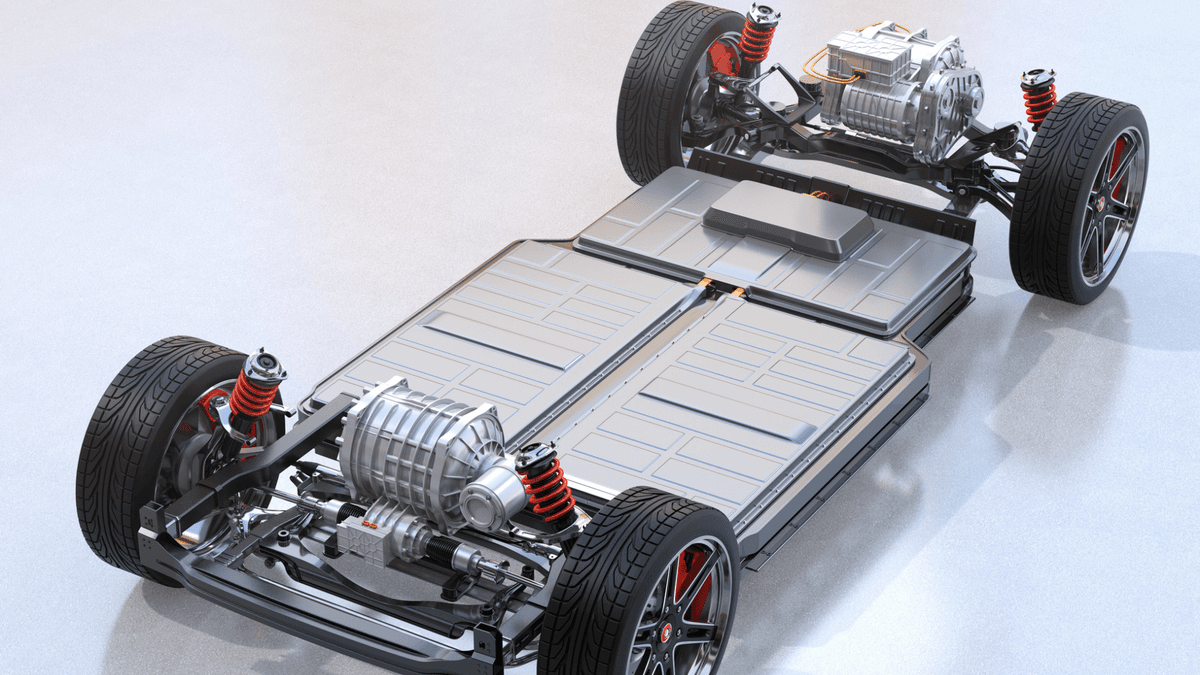
CATL, a Chinese leader in the battery and electric vehicle (EV) technology sector, has introduced its groundbreaking Bedrock Chassis, an ultra-safe EV platform that has passed rigorous safety tests, setting new benchmarks for automotive safety. This innovative chassis is capable of withstanding high-speed impacts and extreme crash conditions without compromising on safety, performance, or reliability.

The Bedrock Chassis has proven its resilience by successfully passing the world’s most challenging safety test: a frontal impact test at speeds of up to 120 km/h (75 mph), without the risk of fire, explosion, or thermal runaway. CATL claims this achievement redefines the safety standards for the industry, with the Bedrock Chassis offering unparalleled protection in all scenarios and across a wide range of speeds.

Continue reading… “CATL Unveils Revolutionary Bedrock Chassis with Industry-Leading Safety Features”

Breakthrough in Magnetic Materials: In-Plane Magnetic Fields Induce Anomalous Hall Effect in EuCd₂Sb₂ Films

Researchers from the Institute of Science Tokyo have made a groundbreaking discovery: in-plane magnetic fields induce an anomalous Hall effect in EuCd₂Sb₂ films. By studying how these fields alter the material’s electronic structure, the team uncovered a significant in-plane anomalous Hall effect. This finding opens new avenues for controlling electronic transport in magnetic fields, with exciting potential applications in magnetic sensors.

The Hall effect, a well-known phenomenon in materials science, occurs when an electric current in a material is subjected to a magnetic field, creating a voltage that is perpendicular to both the current and the field. While much research has been conducted on the Hall effect under out-of-plane magnetic fields, the effects of in-plane magnetic fields have been less explored. Recently, however, in-plane magnetic fields have garnered increasing attention due to their potential to unlock new material behaviors, particularly in materials with unique electronic band structures, like EuCd₂Sb₂.

Continue reading… “Breakthrough in Magnetic Materials: In-Plane Magnetic Fields Induce Anomalous Hall Effect in EuCd₂Sb₂ Films”

The Design of ZMQ-1

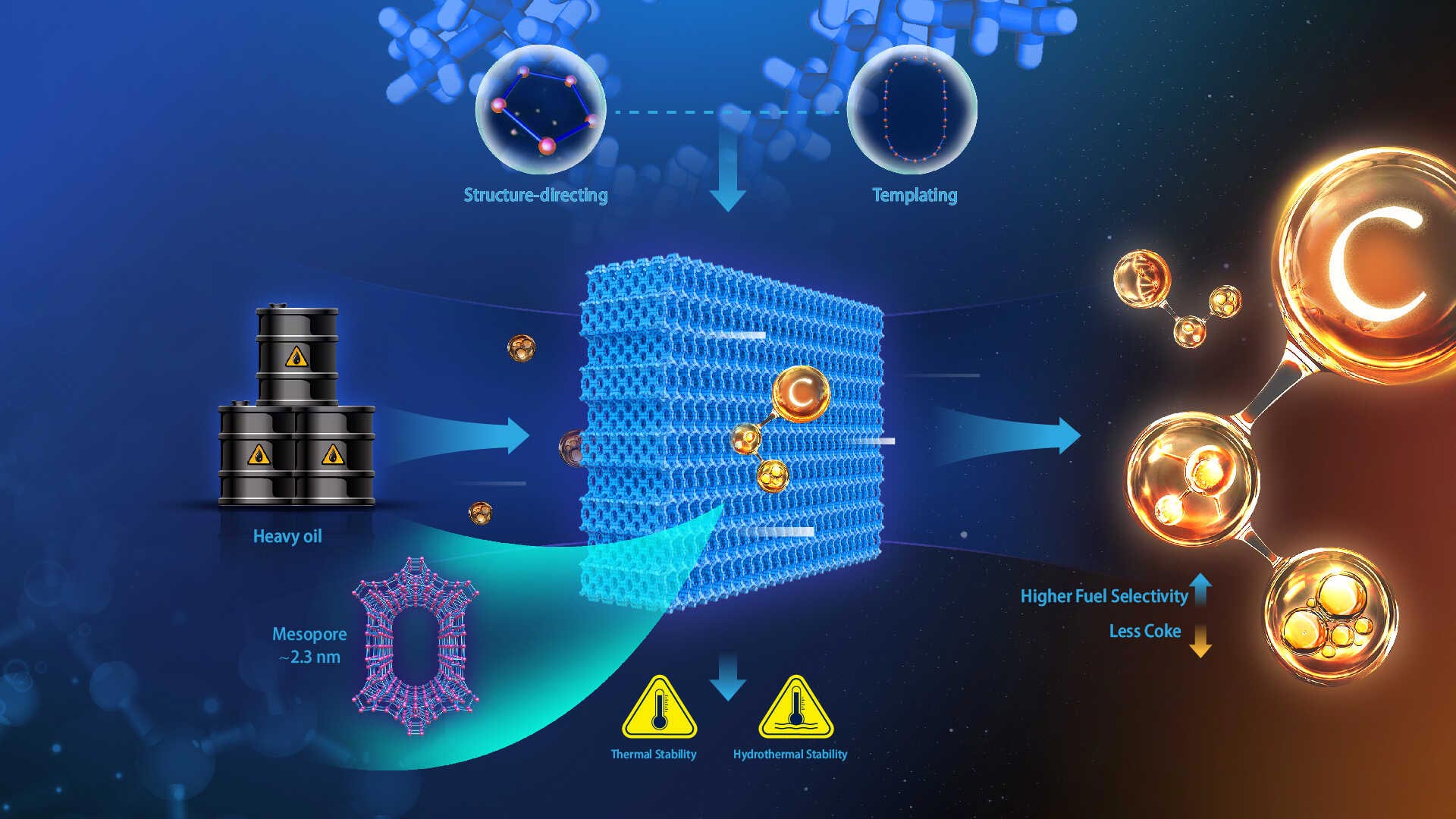
Zeolites are crystalline materials widely used in applications like ion exchange, adsorption, and catalysis. However, their microporous structure restricts their ability to process larger molecules. To overcome this challenge, researchers have developed ZMQ-1, a zeolite that incorporates intrinsic mesopores—pores larger than 20 Å—while preserving both stability and acidity.

Previous attempts to create mesoporous zeolites struggled with issues like structural instability and reduced acidity, rendering them unsuitable for industrial use. ZMQ-1, however, presents a solution to these problems. The researchers utilized a phosphonium-based organic structure-directing agent (OSDA) to form the mesoporous framework. Unlike traditional ammonium-based OSDAs, phosphonium-based OSDAs offer a stronger positive charge and greater stability, which allows for the synthesis of more robust mesoporous structures. The crystallization of ZMQ-1 was accomplished through hydrothermal synthesis with tunable silicon-to-aluminum (Si/Al) ratios, enabling the zeolite to be customized for specific applications.

Continue reading… “The Design of ZMQ-1”

Revolutionizing Science with AI: The Story of Tetsuwan Scientific

Cristian Ponce met his co-founder Théo Schäfer at a Halloween party in 2023, where Ponce was dressed as Indiana Jones. The event, hosted by Entrepreneur First, a startup incubator, connects aspiring founders to launch innovative ideas. It was here that Ponce first encountered Schäfer, whose background at MIT and NASA’s Jet Propulsion Lab, where he explored Jupiter’s moons for alien life, fascinated Ponce. For his part, Ponce had studied bioengineering at Caltech, working with E. coli. Despite their distinct scientific backgrounds, the two bonded over shared frustrations with the tediousness of lab work.

As lab technicians, both had spent countless hours performing repetitive tasks, particularly in genetic engineering. One such task involves using a syringe-like tool called a “pipette” to transfer liquids between test tubes. While automation has attempted to ease this burden, the robots capable of doing so are expensive, specialized, and require extensive programming. If a scientist needs to adjust an experiment, they often face delays waiting for the bot to be reprogrammed. As a result, humans are still often more efficient at these tasks, despite the manual labor involved.

Continue reading… “Revolutionizing Science with AI: The Story of Tetsuwan Scientific”

AI Set to Transform Retail Shopping by 2025, With Personalized Experiences and New Challenges

Tech executives and investors predict that artificial intelligence will dramatically reshape the retail shopping landscape by 2025, with AI assistants offering highly personalized experiences and handling up to 20% of eCommerce tasks, ranging from product recommendations to customer service. Industry leaders from Citi, Google Cloud, and global tech investment firms envision a future where shopping becomes more intuitive, efficient, and tailored to individual preferences. However, they stress the importance of careful AI implementation to ensure security and accessibility.

AI is expected to make shopping feel almost “Black Mirror”-like, with virtual assistants predicting consumer needs with startling accuracy. Lars Nyman, Chief Marketing Officer at CUDO Compute, suggests that AI-driven personalization could lead to eerily prescient interactions, such as a virtual assistant reminding a shopper about hiking boots before a trip. While AI’s ability to forecast demand may help retailers reduce inventory costs by up to 10%, it also raises concerns about data privacy as consumers will expect greater transparency regarding how their data is being used.

Continue reading… “AI Set to Transform Retail Shopping by 2025, With Personalized Experiences and New Challenges”

Backflip Revolutionizes 3D Design with AI-Powered Model Creation

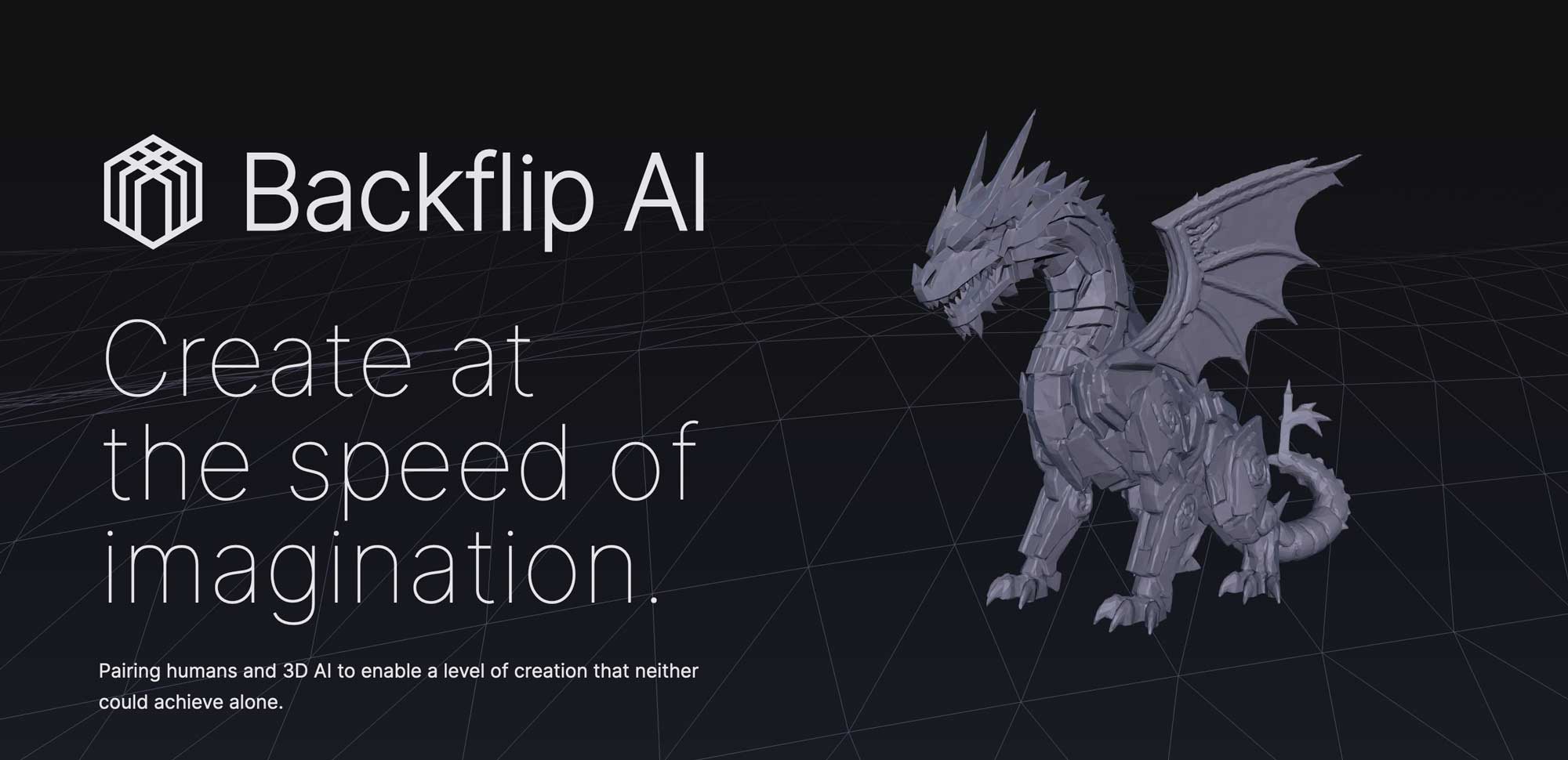
Backflip’s innovative platform leverages a newly developed AI model to streamline the process of converting ideas into 3D printable models. Users can generate high-resolution, printable designs with just a text command or a photo, making it easier and faster to bring concepts to life. According to Backflip’s CTO, David Benhaim, their technology offers a significant performance boost, providing up to 60 times more efficient training, 10 times faster processing speeds, and 100 times higher spatial resolution compared to traditional methods.

“Our breakthrough involves a new type of neural representation that enables AI to think in 3D,” explains Benhaim. “By starting with basic 3D models, we are laying the foundation for a new category of tools that can bring physical products to life more quickly and efficiently.”

Continue reading… “Backflip Revolutionizes 3D Design with AI-Powered Model Creation”
Discover the Hidden Patterns of Tomorrow with Futurist Thomas Frey
Unlock Your Potential, Ignite Your Success.

By delving into the futuring techniques of Futurist Thomas Frey, you’ll embark on an enlightening journey.

Learn More about this exciting program.