The Scary Truth About AI and Your Child’s Education

Picture this: your teenager proudly shows you an A+ essay they “wrote” for English class. The writing is polished, the arguments are sophisticated, and the research seems thorough. But when you ask them to explain their main points, they stare blankly and can’t remember what they supposedly wrote just hours earlier. Welcome to the AI generation, where brilliant-looking work can be produced in minutes—but nothing sticks in the brain.

A shocking new study from MIT reveals just how serious this problem has become. When students use ChatGPT to write essays, 83% can’t recall or explain what they “wrote” shortly afterward. Compare that to students who research and write traditionally—only 11% struggle with recall. We’re witnessing the birth of a generation that can produce without understanding, and it should terrify every parent and teacher.

Continue reading… “The Scary Truth About AI and Your Child’s Education”

From Ancient Bazaars to One-Click Shopping: How Marketplaces Changed Everything

Imagine spending four hours just to buy a single item. You’d have to travel to a crowded marketplace, search through dozens of vendors, haggle over prices, and hope the quality matched your expectations. This wasn’t unusual—it was how shopping worked for most of human history. Fast-forward to today, and you can order almost anything with a few smartphone taps and have it delivered to your door within hours. This dramatic transformation didn’t happen overnight; it’s the result of centuries of innovation that has fundamentally changed not just how we shop, but how millions of people make a living.

Continue reading… “From Ancient Bazaars to One-Click Shopping: How Marketplaces Changed Everything”

The Future of Transportation Is Here: What Tesla’s Robotaxi Launch Means for You

Imagine stepping out of your home, opening an app on your phone, and summoning a car that arrives within minutes—no driver behind the wheel, just advanced artificial intelligence guiding you safely to your destination. This isn’t science fiction anymore. Tesla has officially launched its robotaxi service in Austin, Texas, marking what could be the beginning of the most significant transformation in transportation since the invention of the automobile itself.

Continue reading… “The Future of Transportation Is Here: What Tesla’s Robotaxi Launch Means for You”

History Says It’s Coming: The Next $1 Trillion Retail Giant

Retail has always been a mirror of technological progress. From the street markets of ancient Rome and Chang’an to the marble-clad department stores of the 19th century and the sprawling online empires of today, every major innovation has reshaped how we buy, sell, and interact with goods. Now, with the rise of artificial intelligence, the stage is set for yet another revolution—a trillion-dollar opportunity for those bold enough to seize it.

For centuries, retail remained largely unchanged: open-air markets, seasonal fairs, and shopkeepers selling essentials. Then came the Industrial Revolution, and suddenly goods were mass-produced, trains connected cities, and department stores emerged as cathedrals of commerce. Soon after, cash registers, automobiles, and telephony paved the way for chain stores, malls, and mail-order giants like Sears. Fast forward a century and the internet spawned Amazon, while smartphones created the on-demand economy of DoorDash, Instacart, and Shein. Each leap in technology didn’t just refine retail—it reinvented it.

So what comes next? AI has already begun reshaping industries, but retail is where it could create its most visible and profitable disruption. Here are five ways this could play out:

Continue reading… “History Says It’s Coming: The Next $1 Trillion Retail Giant”

Turning Urine into Power and Fertilizer: Stanford’s Solar Innovation

At Stanford, researchers have done what sounds unthinkable: they’ve turned human urine into a clean source of both fertilizer and energy. Their solar-powered system, small enough to operate without a grid, separates ammonia from urine and converts it into ammonium sulfate—one of the world’s most common fertilizers. What makes the breakthrough even more impressive is its efficiency. By capturing and reusing the waste heat from solar panels, the process doesn’t just accelerate—it also boosts power output by nearly 60% while improving ammonia recovery by over 20%. The very act of keeping solar panels cooler makes them perform better, creating a virtuous cycle of energy and production.

Continue reading… “Turning Urine into Power and Fertilizer: Stanford’s Solar Innovation”

Breathing Like Everest: Low Oxygen as a Potential Parkinson’s Therapy

The summit of human endurance may also hold clues to preserving the brain. Scientists at the Broad Institute and Mass General Brigham have discovered that exposing Parkinson’s disease models to low-oxygen environments—the kind found at Mount Everest base camp—can both protect and restore brain function. The finding challenges one of neuroscience’s long-held assumptions: that oxygen is always good for the brain.

Parkinson’s disease affects more than 10 million people worldwide, eroding motor control as neurons die and toxic protein clumps called Lewy bodies accumulate. Traditional therapies try to address symptoms, but they do little to preserve the neurons themselves. What the Broad-MGH team found is that too much oxygen may be part of the problem. Damaged mitochondria, the energy factories of brain cells, stop using oxygen efficiently, leading to dangerous buildup. This excess oxygen appears to act more like a toxin than a nutrient, fueling the neurodegeneration that underpins Parkinson’s.

Continue reading… “Breathing Like Everest: Low Oxygen as a Potential Parkinson’s Therapy”

The Tiny Radar That Could Redefine Earth Monitoring

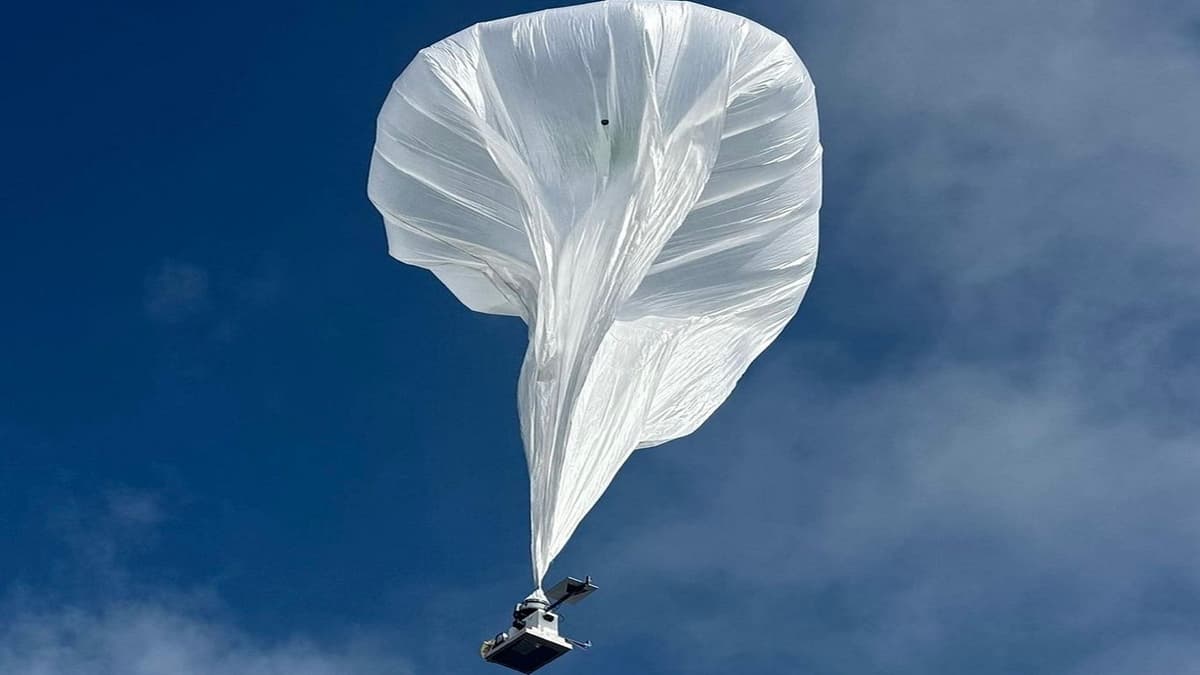
Sometimes, the most powerful tools don’t look the part. Case in point: a radar system small enough to fit in a backpack, light enough to fly on a balloon, and sensitive enough to detect a shift in the Earth’s surface as small as a millimeter.

Developed through a collaboration between NASA and startup Aloft Sensing, the new HALE InSAR system represents a major leap in how we track the subtle movements of our planet—movements that often precede natural disasters like volcanic eruptions, landslides, or shifts in permafrost.

Continue reading… “The Tiny Radar That Could Redefine Earth Monitoring”

3D Printing Blood Vessels to Rethink Stroke Treatment

The human brain’s blood vessels are like a complex highway network—narrow, winding, and constantly in motion. When a blockage forms, it’s not just a traffic jam; it’s the beginning of a stroke, one of the leading causes of death and disability worldwide. Current medical fixes—like stents, balloons, and surgical bypasses—help clear the jam, but they’re blunt tools that can’t replicate the intricate biology of the brain’s vascular system.

Now, researchers in South Korea have pulled off something extraordinary: they’ve 3D-printed brain blood vessels that can recreate both healthy and diseased blood flow, opening the door to more realistic stroke models and personalized therapies.

Continue reading… “3D Printing Blood Vessels to Rethink Stroke Treatment”

When Your Inner Voice Finds Its Way Out

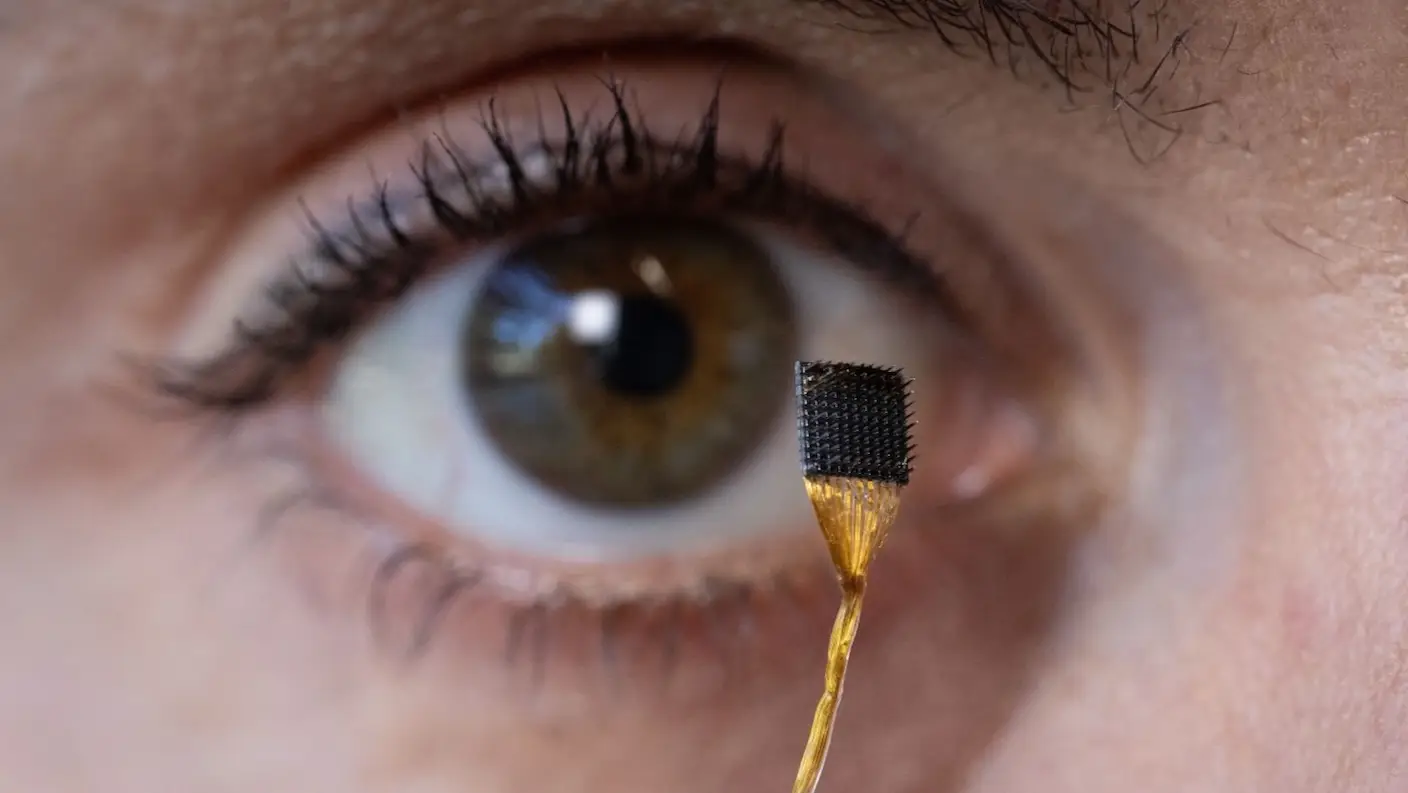
We all have a voice in our heads. It’s the whispered rehearsal before a big presentation, the silent pep talk before asking for a raise, or the self-critique that reminds us what we wish we hadn’t said. For most of human history, this inner monologue has been locked away, private, and unreachable. But researchers at Stanford University are now tugging at the boundary between private thought and public expression, building brain implants that can decode inner speech—the silent conversations we have with ourselves—and translate them into audible words.

Continue reading… “When Your Inner Voice Finds Its Way Out”

Jelly Ice: The End of the Meltwater Mess

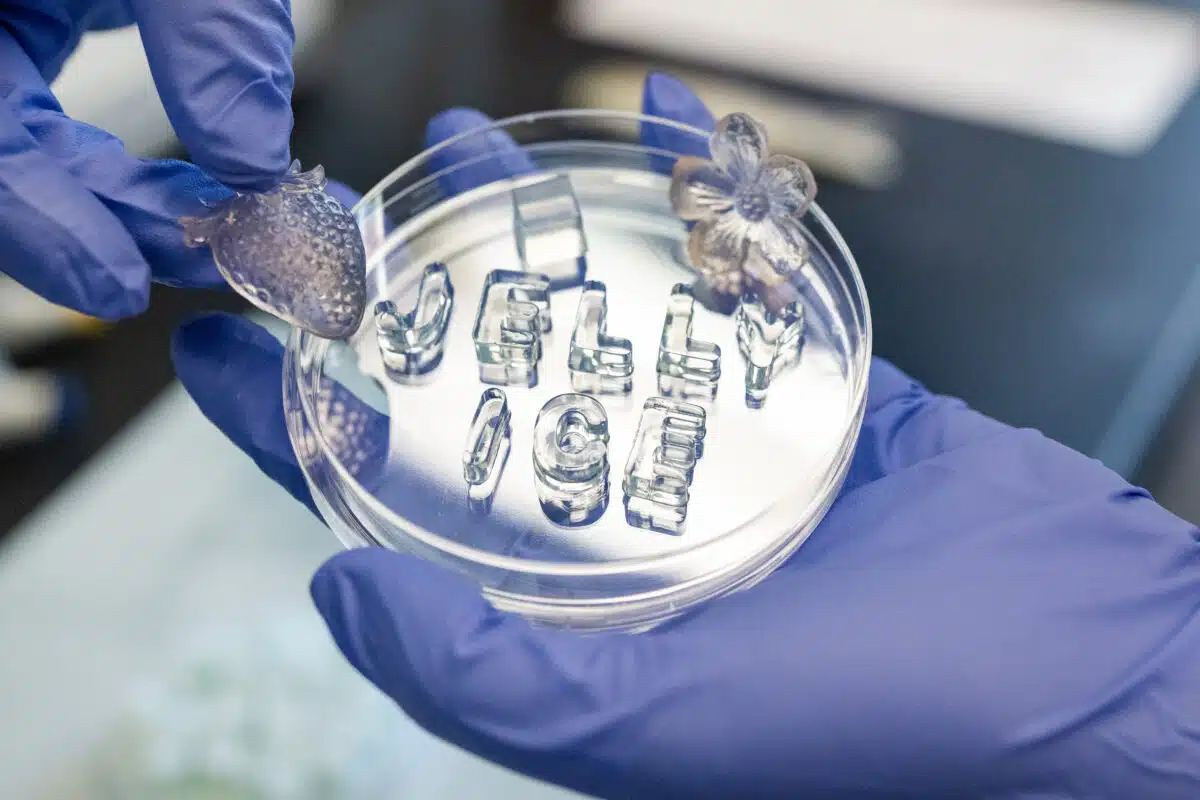
Ice has a fatal flaw—it melts. That puddle at the bottom of your cooler or the slush in a seafood case isn’t just messy, it can spread contamination, ruin food, and waste energy. Now researchers at UC Davis have flipped the script with a breakthrough material: jelly ice—a reusable, compostable, and customizable substitute that stays solid without turning into a watery disaster.

Made from gelatin, the same stuff that makes Jell-O jiggle, jelly ice traps water inside a hydrogel matrix that holds its shape even after repeated freeze-thaw cycles. It’s 90% water, food-safe, and just as effective as traditional ice for cooling—up to 80% of the efficiency—but unlike ice, it doesn’t leave a mess when it warms up.

Continue reading… “Jelly Ice: The End of the Meltwater Mess”

China’s CFR-1000 Reactor: A Measured Step Toward the Next Era of Nuclear Power

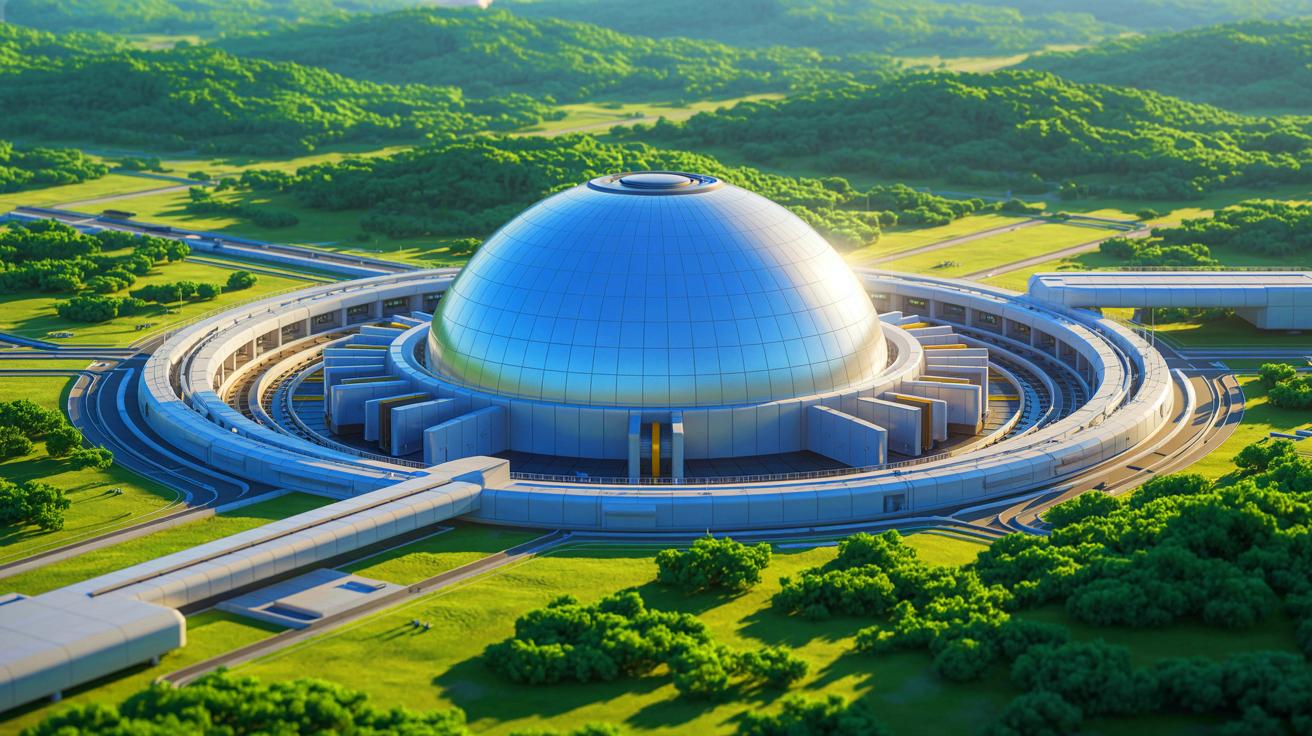
China has taken a significant step in nuclear technology with the development of the CFR-1000 fast neutron reactor, a design capable of generating 1.2 gigawatts of power—enough to supply electricity to around one million homes. While the reactor is still under development and not expected to become operational until 2034, it highlights a broader global trend: the push toward advanced nuclear systems that aim to improve efficiency and reduce waste.

Unlike traditional reactors, which rely on slow neutrons and produce large volumes of long-lived radioactive waste, the CFR-1000 is designed to operate with fast neutrons. This allows it to “breed” new fuel, such as plutonium-239, from non-fissile uranium-238. In practice, this means greater fuel efficiency and the potential to recycle some nuclear waste.

Continue reading… “China’s CFR-1000 Reactor: A Measured Step Toward the Next Era of Nuclear Power”

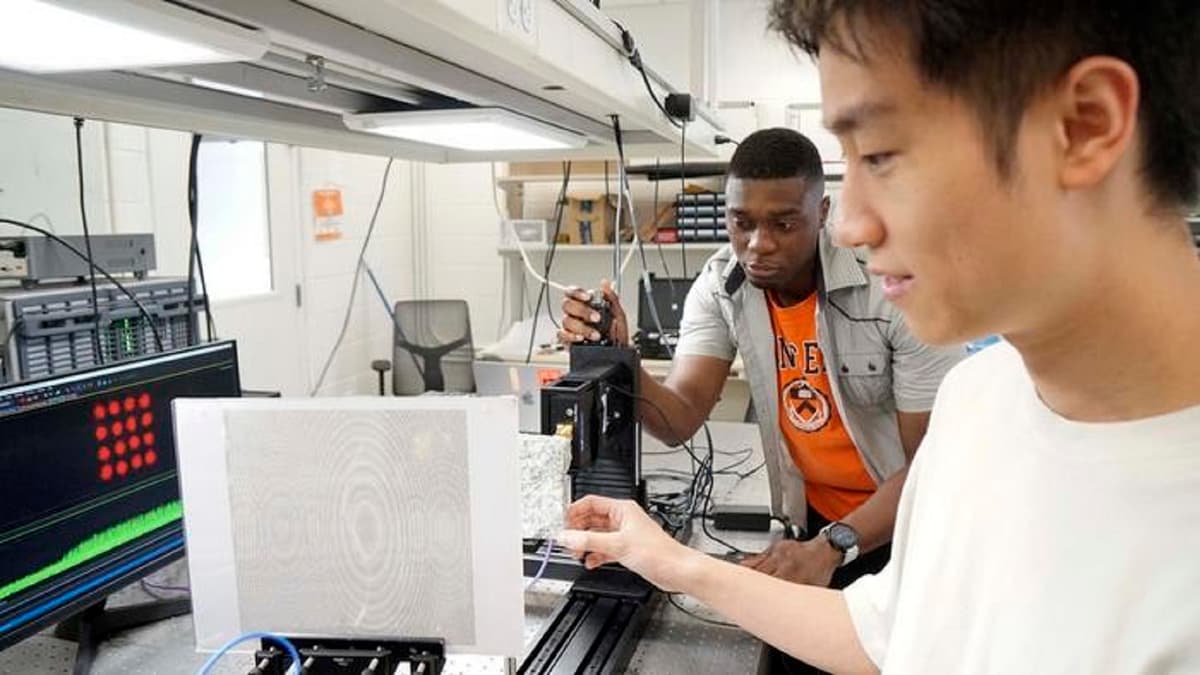
Curveball Internet: Princeton’s Airy Beams Promise Wireless That Dodges Walls

The dream of wireless networks fast enough to power fully immersive VR and fleets of autonomous vehicles has always run into one humiliating obstacle: walls. High-frequency signals—especially in the sub-terahertz spectrum—carry enormous bandwidth, but they collapse the moment a chair, a bookcase, or a human body gets in the way.

Princeton engineers just rewrote the rules. Their system doesn’t bounce signals around obstacles with clunky reflectors—it bends the signal itself. Think curveball physics applied to Wi-Fi.

Continue reading… “Curveball Internet: Princeton’s Airy Beams Promise Wireless That Dodges Walls”
Discover the Hidden Patterns of Tomorrow with Futurist Thomas Frey
Unlock Your Potential, Ignite Your Success.

By delving into the futuring techniques of Futurist Thomas Frey, you’ll embark on an enlightening journey.

Learn More about this exciting program.