The Antenna That Refuses to Sit Still

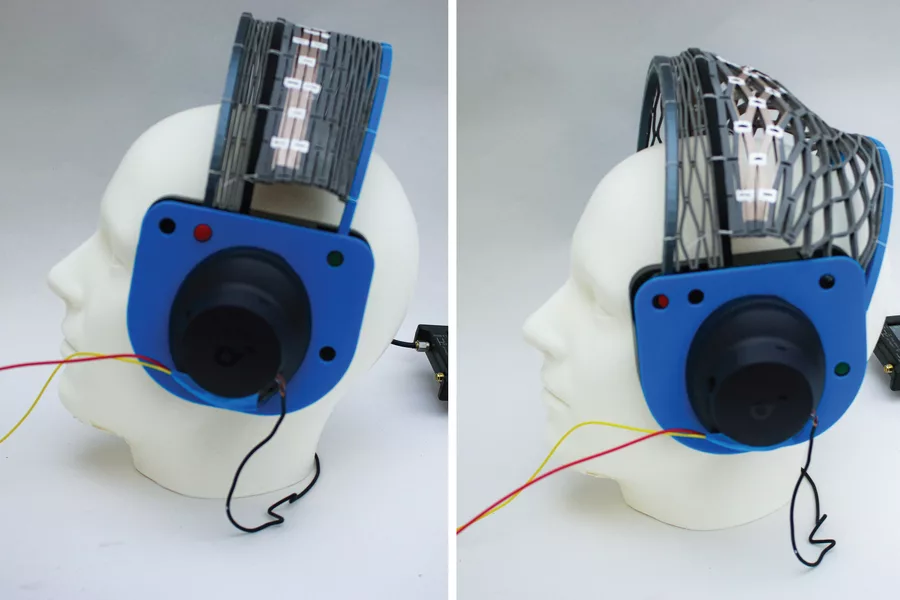
For decades, antennas have been dumb pieces of metal—rigid, fixed, and locked into a single job. MIT engineers just blew that idea apart. Their new “meta-antenna” doesn’t sit idle—it bends, stretches, and contorts itself like a gymnast to switch frequencies, sense motion, and reconfigure itself on demand. No gears. No motors. Just geometry and raw ingenuity.

This isn’t just a better antenna—it’s an entirely new category of technology. Imagine headphones that adjust their wireless mode by flexing their structure, AR glasses that track your movement through tiny shifts in resonance, or wearable gadgets that beam energy wirelessly without swapping hardware. In the future, your antenna won’t just send and receive—it will think, adapt, and respond.

Continue reading… “The Antenna That Refuses to Sit Still”

The Future of Regional Innovation: Why Venture Studios Are the New Economic Engine

For decades, regional economic development followed a predictable playbook: attract a major employer, offer tax incentives, build a business park, cut the ribbon. But that era is ending. Today’s economy is driven by smaller firms, distributed innovation, and talent that no longer defaults to coastal hubs. Instead of chasing yesterday’s employers, forward-thinking regions are building tomorrow’s companies.

The model leading this transformation? The venture studio.

Continue reading… “The Future of Regional Innovation: Why Venture Studios Are the New Economic Engine”

The Genetic “Swiss Army Knife” That Could Rewrite Medicine Without Leaving Scars

Gene therapy has always carried a built-in paradox: the very act of “fixing” DNA risks creating permanent scars that could linger for generations. Now Yale researchers say they’ve cracked a safer way forward—genetic surgery without the scars.

Instead of hacking DNA, which is permanent and fraught with risk, they’ve turned their attention to RNA—the fragile middleman between DNA and proteins. RNA doesn’t last, and mistakes here don’t echo through generations. That makes it the perfect target for rewriting genetic messages without reshaping the human blueprint.

Continue reading… “The Genetic “Swiss Army Knife” That Could Rewrite Medicine Without Leaving Scars”

95% of Corporate AI Pilots Are Failing—And the Divide Is Only Getting Wider

Generative AI is supposed to be the miracle engine of modern business—replacing expensive outsourcing, slashing inefficiencies, and accelerating growth. But a new MIT report reveals a brutal truth: 95% of AI pilots inside large companies are dead on arrival.

The report, The GenAI Divide: State of AI in Business 2025, based on hundreds of interviews and case studies, found that while a handful of startups are rocketing from zero to $20 million in revenue in a year, most corporate AI projects are stalling. The problem isn’t the models themselves—it’s the way enterprises are deploying them.

Continue reading… “95% of Corporate AI Pilots Are Failing—And the Divide Is Only Getting Wider”

Space Babies: How Frozen Stem Cells Survived the Harshness of Orbit

The future of human reproduction in space just took a giant leap forward—thanks to some very small passengers.

Japanese researchers at Kyoto University have pulled off an audacious experiment: they cryopreserved mouse spermatogonial stem cells, shipped them to the International Space Station, left them in orbit for six months, brought them back down, thawed them out, and used them to create healthy offspring.

Yes, you read that right—mice conceived from stem cells that had been sitting in space freezers for half a year are alive and well.

Continue reading… “Space Babies: How Frozen Stem Cells Survived the Harshness of Orbit”

Sonic Agriculture: When Robots Start Listening to Your Crops

Robots are learning to hear what we can’t—and it could change farming forever.

At Carnegie Mellon University’s Robotics Institute, researchers have unveiled SonicBoom, a sensing tool that identifies crops not with cameras or lasers, but by listening to their vibrations. Forget the eye: this technology gives robots a new sense—the ability to “feel” and “hear” fruit through the clutter of leaves and branches.

For decades, the Achilles’ heel of farm robotics has been manipulation. Human hands can blindly reach through foliage and grab an apple with ease. Robots? Not so much. Their reliance on cameras makes them clumsy in orchards, where leaves hide fruit and confuse machine vision.

Continue reading… “Sonic Agriculture: When Robots Start Listening to Your Crops”

The Protein That Could Turn Carbon Monoxide Poisoning from a Death Sentence into a Treatable Emergency

Carbon monoxide—the silent killer—claims 1,500 lives a year in the U.S. and sends 50,000 people to the emergency room. It seeps in without smell, taste, or warning, hijacking the body’s oxygen supply in minutes. For decades, our only defense has been to pump victims full of pure oxygen, sometimes in high-pressure chambers, and hope it’s not too late.

Now, a team at the University of Maryland School of Medicine may have cracked the code for a true antidote—one that doesn’t just help the body cope but actively hunts down and removes the toxin.

Continue reading… “The Protein That Could Turn Carbon Monoxide Poisoning from a Death Sentence into a Treatable Emergency”

The Silicon Valley Baby Race: Engineering the Next Generation of Geniuses

In the glass-walled boardrooms and billion-dollar kitchens of Silicon Valley, a new obsession is taking root—designing children for brilliance. Not just healthy, not just happy, but armed from birth with genetic advantages meant to push them toward the top of the intellectual food chain.

Forget private tutors and coding camps. This is next-level parental ambition: paying tens of thousands of dollars to screen embryos for traits like IQ, or even hiring high-end matchmakers whose client lists look like an Ivy League reunion. The goal? To create children primed for elite universities, cutting-edge problem-solving, and—if you believe the true believers—saving humanity from the very technologies their parents are building.

Continue reading… “The Silicon Valley Baby Race: Engineering the Next Generation of Geniuses”

The “Master Key” Protein That Could Unlock Human Memory

What if the difference between losing your memories and keeping them sharp for decades came down to one overlooked protein?

Researchers at Rutgers University believe they may have found exactly that—a molecular “master key” called cypin that could redefine how we approach brain health, learning, and recovery after injury.

For more than two decades, neuroscientist Bonnie Firestein has been obsessed with this underappreciated protein. Her team’s latest findings reveal that cypin isn’t just a passive player in the brain—it’s an active architect, organizing and protecting the molecular machinery that keeps neurons talking to each other.

Continue reading… “The “Master Key” Protein That Could Unlock Human Memory”

The Wearable That Could End the Era of the Blood Pressure Cuff

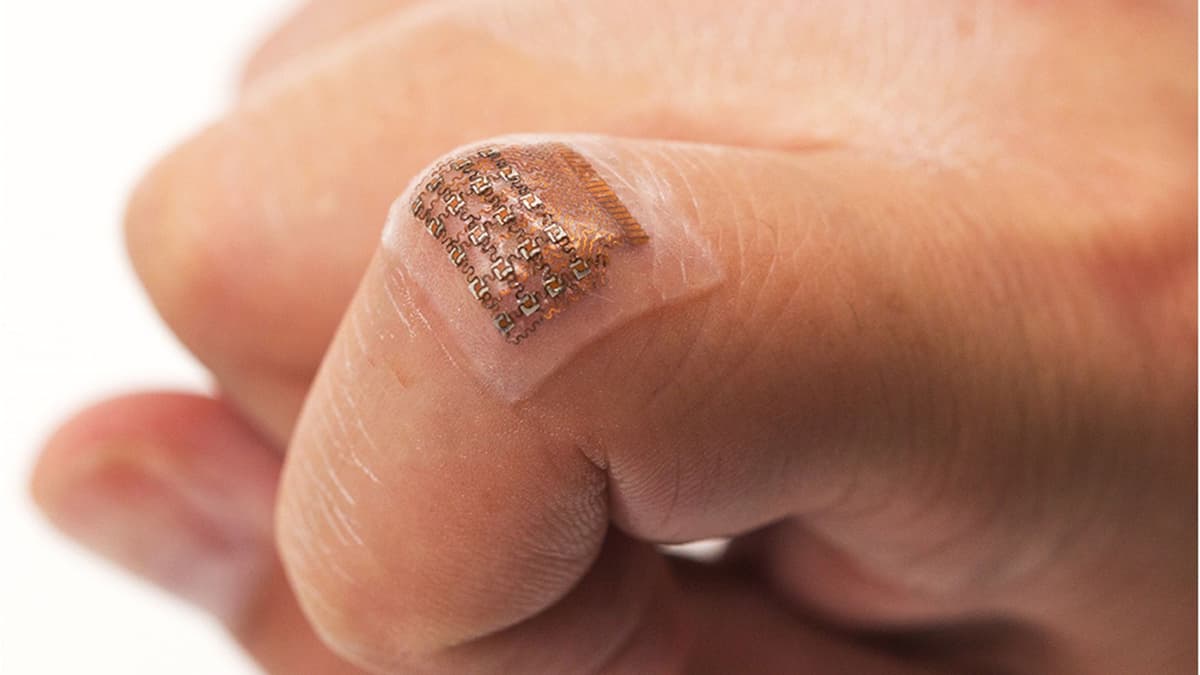
For more than a century, checking your blood pressure has meant wrapping a cuff around your arm, squeezing it until your fingers tingle, and sitting perfectly still while a machine spits out two numbers. Useful? Sure. Practical for real-time monitoring? Not even close.

That static, one-off measurement leaves doctors with an incomplete picture of what’s happening inside your arteries during the other 23 hours and 59 minutes of your day. And it’s part of why hypertension—one of the world’s most common and deadly conditions—still blindsides millions of people.

Continue reading… “The Wearable That Could End the Era of the Blood Pressure Cuff”

Sun-Forged Cities: China’s Plan to 3D-Print the Moon into Habitable Worlds

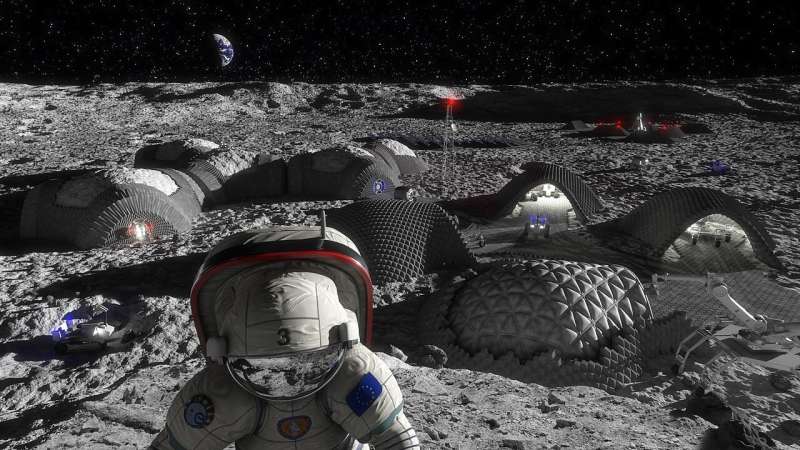
It sounds like something straight out of a sci-fi novel—colonists on the Moon building cities from nothing but sunlight and lunar dirt. But in a laboratory in Hefei, China, engineers have turned this fantasy into working hardware.

The Deep Space Exploration Laboratory has developed a 3D-printing-style machine that takes lunar regolith—the powdery soil covering the Moon—and uses concentrated sunlight to melt it into tough, functional bricks. No glue. No additives. No supply rockets hauling cement from Earth. Just heat, dust, and ingenuity.

Continue reading… “Sun-Forged Cities: China’s Plan to 3D-Print the Moon into Habitable Worlds”

The Quest for True Blue: How Algae Just Crushed One of Food Science’s Toughest Challenges

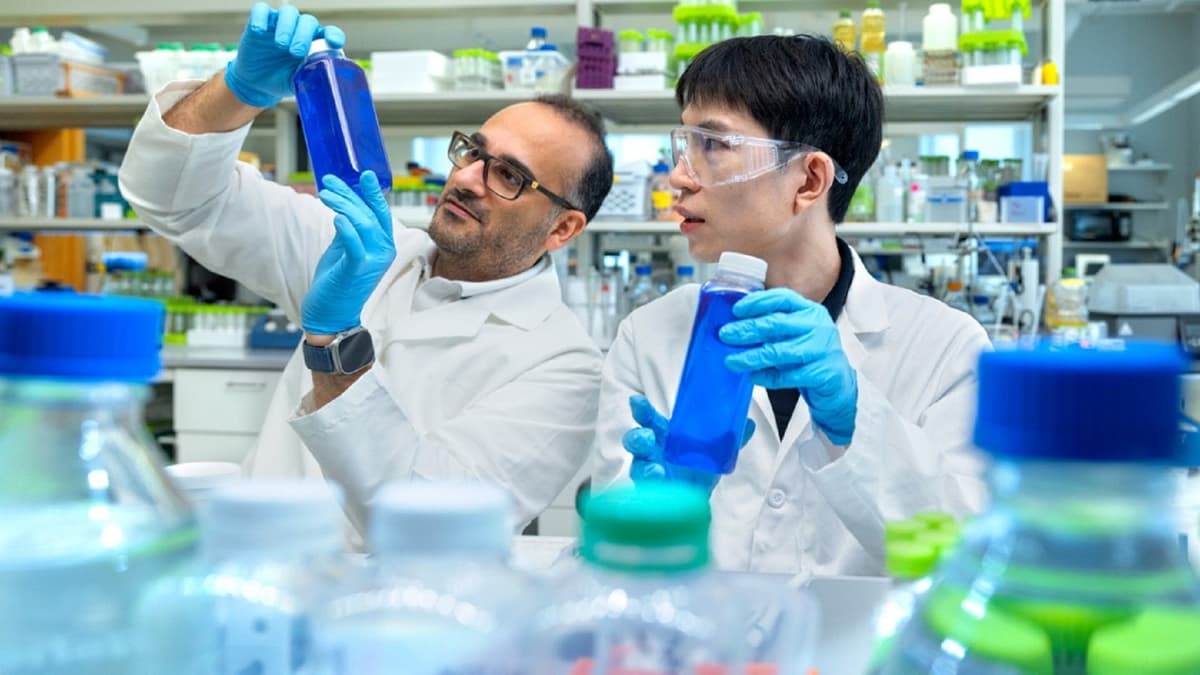
Blue is the rarest color in the natural food world. Nature has no shortage of reds, yellows, and greens—but a true, stable blue has always been a unicorn. Even the blue of the sky or a butterfly’s wings isn’t pigment at all, but a trick of light. That scarcity has kept food companies chained to synthetic colorants like Blue No. 1 and Blue No. 2—petroleum-based stand-ins with mounting regulatory targets on their backs.

Now, a team at Cornell University believes they’ve cracked the code. Using phycocyanin, the electric-hued protein that makes spirulina famous, they’ve engineered a stable, vibrant, natural blue dye that can survive the rigors of commercial food production. And they didn’t stop at color—this new form of phycocyanin can also act as an emulsifier and antioxidant, giving it a multifunctional edge synthetic dyes can’t touch.

Continue reading… “The Quest for True Blue: How Algae Just Crushed One of Food Science’s Toughest Challenges”
Discover the Hidden Patterns of Tomorrow with Futurist Thomas Frey
Unlock Your Potential, Ignite Your Success.

By delving into the futuring techniques of Futurist Thomas Frey, you’ll embark on an enlightening journey.

Learn More about this exciting program.