Space Perspective Unveils Patented ‘Spaceship Neptune’ Capsule Produced at Kennedy Space Center

Space travel is about to get safer, more comfortable, and even more thrilling. Space Perspective, Planet Earth’s leading luxury space travel company, unveils the patent-pending Spaceship Neptune capsule design now in production at the company’s state-of-the-art campus, near its Operations Center at NASA’s Kennedy Space Center, Florida. (Space Perspective image)

COMMERCIAL FLIGHTS TARGETED TO BEGIN IN 2024

BREVARD COUNTY • KENNEDY SPACE CENTER, FLORIDA – Space travel is about to get safer, more comfortable, and even more thrilling. Space Perspective is currently taking reservations for 2025 and beyond. Tickets are priced at $125,000 per person.

Space Perspective, Planet Earth’s leading luxury space travel company, unveils the patent-pending Spaceship Neptune capsule design now in production at the company’s state-of-the-art campus, near its Operations Center at NASA’s Kennedy Space Center, Florida.

As the only carbon-neutral way to space, Space Perspective continues its pursuit of proprietary space travel innovation.

Thousands of virtual flight tests, simulations, and analyses run with cutting-edge technology from Siemens Digital Industries and AWS resulted in the pioneering capsule and splash cone designs.

An elegant spherical exterior maximizes the 360-degree panoramic views via the largest-ever, patented windows to be taken to the edge of space and a roomier Space Lounge interior, offering plenty of headroom as Explorers move around the capsule.

The proprietary splash cone ensures Spaceship Neptune’s ocean landing is gentle and safe.

Space Perspective is revolutionizing space travel – and is a world away from rocket-fueled space endeavors.

Explorers onboard Spaceship Neptune, taking flight commercially from the end of 2024, will safely ascend to the edge of space in the climate-controlled, pressurized capsule, propelled by a patented SpaceBalloonTM, absorbing the phenomenal beauty of Earth from space.

The six-hour round trip enables anybody who can board an airplane to soak in the beautiful views of the thin blue line circling earth below and the dark vastness of space above.

Continue reading… “Space Perspective Unveils Patented ‘Spaceship Neptune’ Capsule Produced at Kennedy Space Center”
Ultra-precise gene therapy technologies could edit or silence faulty genes causing fatal heart diseases

 By Emily Henderson, B.Sc.

An injectable cure for inherited heart muscle conditions that can kill young people in the prime of their lives could be available within a few years, after an international team of researchers were announced as the winners of the British Heart Foundation’s Big Beat Challenge.

The global award, at £30m, is one of the largest non-commercial grants ever given and presents a “once in a generation opportunity” to provide hope for families struck by these killer diseases.

The winning team, CureHeart, will seek to develop the first cures for inherited heart muscle diseases by pioneering revolutionary and ultra-precise gene therapy technologies that could edit or silence the faulty genes that cause these deadly conditions.

The team, made up of world-leading scientists from the UK, US and Singapore, was selected by an International Advisory Panel chaired by Professor Sir Patrick Vallance, Chief Scientific Advisor to the UK Government.

Inherited heart muscle diseases can cause the heart to stop suddenly or cause progressive heart failure in young people. Every week in the UK, 12 people under the age of 35 die of an undiagnosed heart condition1, very often caused by one of these inherited heart muscle diseases, also known as genetic cardiomyopathies. Around half of all heart transplants are needed because of cardiomyopathy and current treatments do not prevent the condition from progressing.

Continue reading… “Ultra-precise gene therapy technologies could edit or silence faulty genes causing fatal heart diseases”

Researchers develop ultrasound stickers that can see inside the body

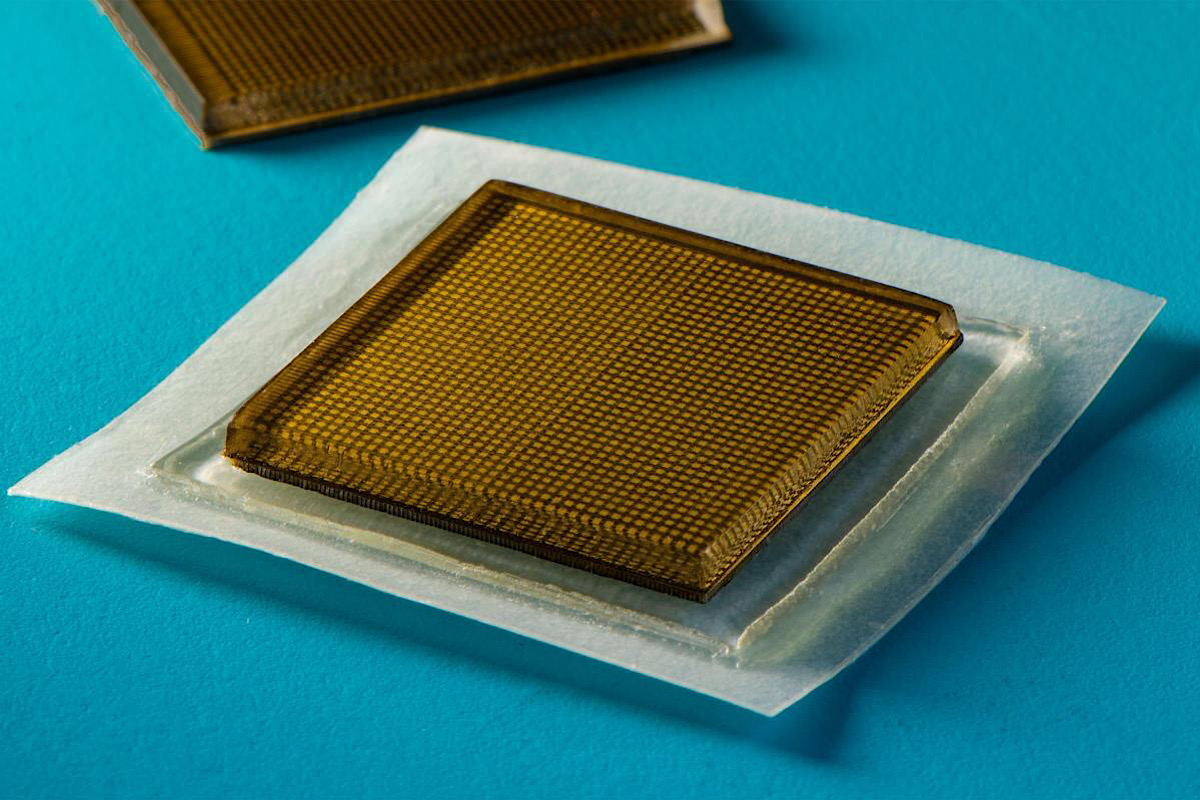
An ultrasound sticker

Researchers have created a stamp-sized ultrasound sticker that can provide images of internal organs continuously for 48 hours.

Currently, ultrasounds require bulky and specialised equipment only available in hospitals and doctors’ offices.

But a new design by Massachusetts Institute of Technology (MIT) engineers might make the technology as wearable and accessible as buying plasters at the pharmacy.

The patch was tested in people doing activities such as jogging and drinking fluids.

Ultrasounds allow doctors to see live images of a patient’s internal organs, and wands and probes are used to direct sound waves into the body.

These waves reflect back out to produce high-resolution images of a patient’s heart, lungs and other deep organs.

MIT graduate student Chonghe Wang said: “Wearable ultrasound imaging tools would have huge potential in the future of clinical diagnosis.

Continue reading… “Researchers develop ultrasound stickers that can see inside the body”

Tempur backs $20M investment for an AI-powered robot bed disrupting the future of sleep

BY AKANSHA DIMRI

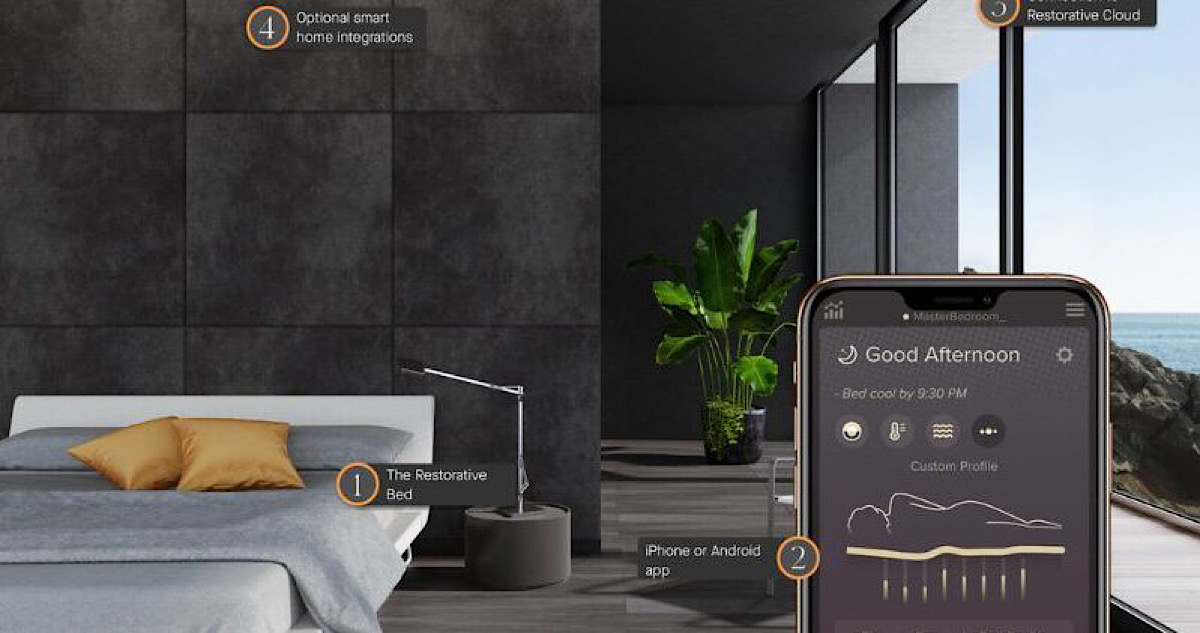
The promise of evolutionary learning has long excited AI researchers, but few applications are as meaningful as solving the complex problem of sleep. Now here comes a startup from Silicon Valley dubbed as Bryte, which claims to be creating the world’s most advanced AI-connected and robotics-powered bed. The US-based tech company has now secured a $20 million strategic investment round.

The funding was led by Tempur Sealy International, the company synonymous with the mattress industry. The two companies intend to collaborate on future products, services, and technology with the latest investment. Further, ARCHina Capital and other existing Bryte investors also participated in the funding round.

“Our mission is to empower lives through restorative sleep, which starts by reaching as many people as possible, with the most technically advanced products and first-rate services at a complete range of price points. There is simply no company in the world with a more complete and desirable portfolio of brands than Tempur Sealy, and we couldn’t be more excited about their investment,” said Luke Kelly, CEO, Bryte.

“It has long been clear to us that meaningful innovation improves sleep outcomes for millions of people. With Bryte, we have invested in a company that is committed to innovation with an elegant, seamless integrated product that we believe fits our long-term brand strategy. We are excited to form a relationship with their talented team,” said Scott Thompson, Tempur Sealy Chairman and CEO.

Continue reading… “Tempur backs $20M investment for an AI-powered robot bed disrupting the future of sleep”

‘Artificial synapse’ could make neural networks work more like brains

Networks of nanoscale resistors that work in a similar way to nerve cells in the body could offer advantages over digital machine learning

By Alex Wilkins

A resistor that works in a similar way to nerve cells in the body could be used to build neural networks for machine learning.

Many large machine learning models rely on increasing amounts of processing power to achieve their results, but this has vast energy costs and produces large amounts of heat.

One proposed solution is analogue machine learning, which works like a brain by using electronic devices similar to neurons to act as the parts of the model. However, these devices have so far not been fast, small or efficient enough to provide advantages over digital machine learning.

Murat Onen at the Massachusetts Institute of Technology and his colleagues have created a nanoscale resistor that transmits protons from one terminal to another. This functions a bit like a synapse, a connection between two neurons, where ions flow in one direction to transmit information. But these “artificial synapses” are 1000 times smaller and 10,000 times faster than their biological counterparts.

Just as a human brain learns by remodelling the connections between millions of interconnected neurons, so too could machine learning models run on networks of these nanoresistors.

“We are doing somewhat similar things [to biology], like ion transport, but we are now doing it so fast, whereas biology couldn’t,” says Onen, whose device is a million times faster than previous proton-transporting devices.

Continue reading… “‘Artificial synapse’ could make neural networks work more like brains”

Robots from DNA? Researchers Developed a New Machine for Membrane Proteins

By Isaiah Richard

Researchers achieved a new development in their studies in this new publication focusing on nano-sized robots that came from a DNA’s design, now concentrate on doing wonders for biological advancements. The innovation will help bodily functions to improve and give the world more information regarding the diseases that occur in the body. 

According to SciTechDaily, researchers from Inserm, CNRS, and the University of Montpellier focused on developing new nanobots that came from a DNA for studying bodily functions and processes. The research took place at the Structural Biology Center in Montpellier, and its paper is now published in Nature Communication. 

The research entitled “A Modular Spring-Loaded Actuator for Mechanical Activation of Membrane Proteins” focus on conducting biological processes with these mechanical objects inside the body.

It may sound like it came from a science fiction show or content, but it is already a reality from the researchers that devised a way patterned from DNA. 

Continue reading… “Robots from DNA? Researchers Developed a New Machine for Membrane Proteins”

Google’s DeepMind AI Predicts 3D Structure of Nearly Every Protein Known to Science

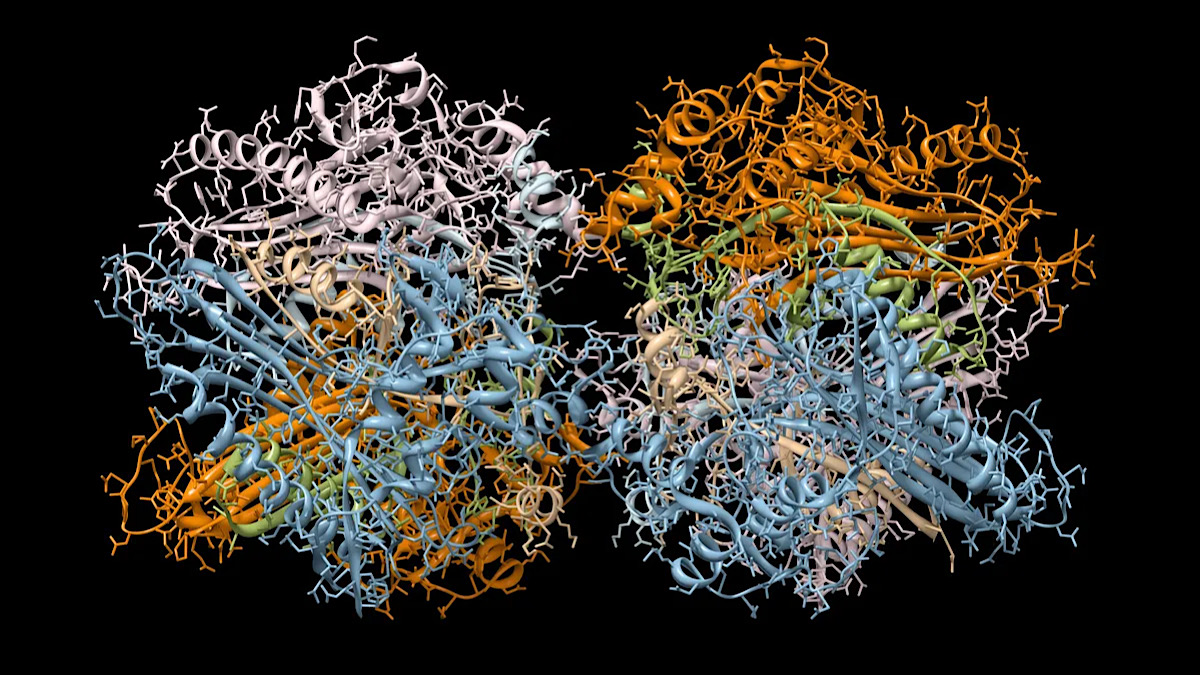
This ribbon diagram shows the 3D protein structure of an antibody. Complex? It’s pretty simple for an AI.

By Monisha Ravisetti

At last, the decades-old protein folding problem may finally be put to rest.

It wasn’t until 1957 when scientists earned special access to the molecular third dimension. 

After 22 years of grueling experimentation, John Kendrew of Cambridge University finally uncovered the 3D structure of a protein. It was a twisted blueprint of myoglobin, the stringy chain of 154 amino acids that helps infuse our muscles with oxygen. As revolutionary as this discovery was, Kendrew didn’t quite open up the protein architecture floodgates. During the next decade, fewer than a dozen more would be identified. 

Fast-forward to today, 65 years since that Nobel Prize-winning breakthrough. 

On Thursday, Google’s sister company, DeepMind, announced it has successfully used artificial intelligence to predict the 3D structures of nearly every catalogued protein known to science. That’s over 200 million proteins found in plants, bacteria, animals, humans — almost anything you can imagine.

“Essentially, you can think of it as covering the entire protein universe,” Demis Hassabis, founder and CEO of DeepMind, told reporters this week.

It’s thanks to AlphaFold, DeepMind’s groundbreaking AI system, which has an open-source database so scientists worldwide can involve it in their research at will, and for free. Since AlphaFold’s official launch in July of last year — when it had only pinpointed some 350,000 3D proteins — the program has made a noticeable dent in the landscape of research. 

Continue reading… “Google’s DeepMind AI Predicts 3D Structure of Nearly Every Protein Known to Science”

Ransom payments fall as fewer victims choose to pay hackers

By Bill Toulas

Ransomware statistics from the second quarter of the year show that the ransoms paid to extortionists have dropped in value, a trend that continues since the last quarter of 2021.

Ransomware remediation firm Coveware has published a report today with ransomware data from the second quarter of 2022 showing that although the average payment increased, the median value recorded a significant drop.

Continue reading… “Ransom payments fall as fewer victims choose to pay hackers”

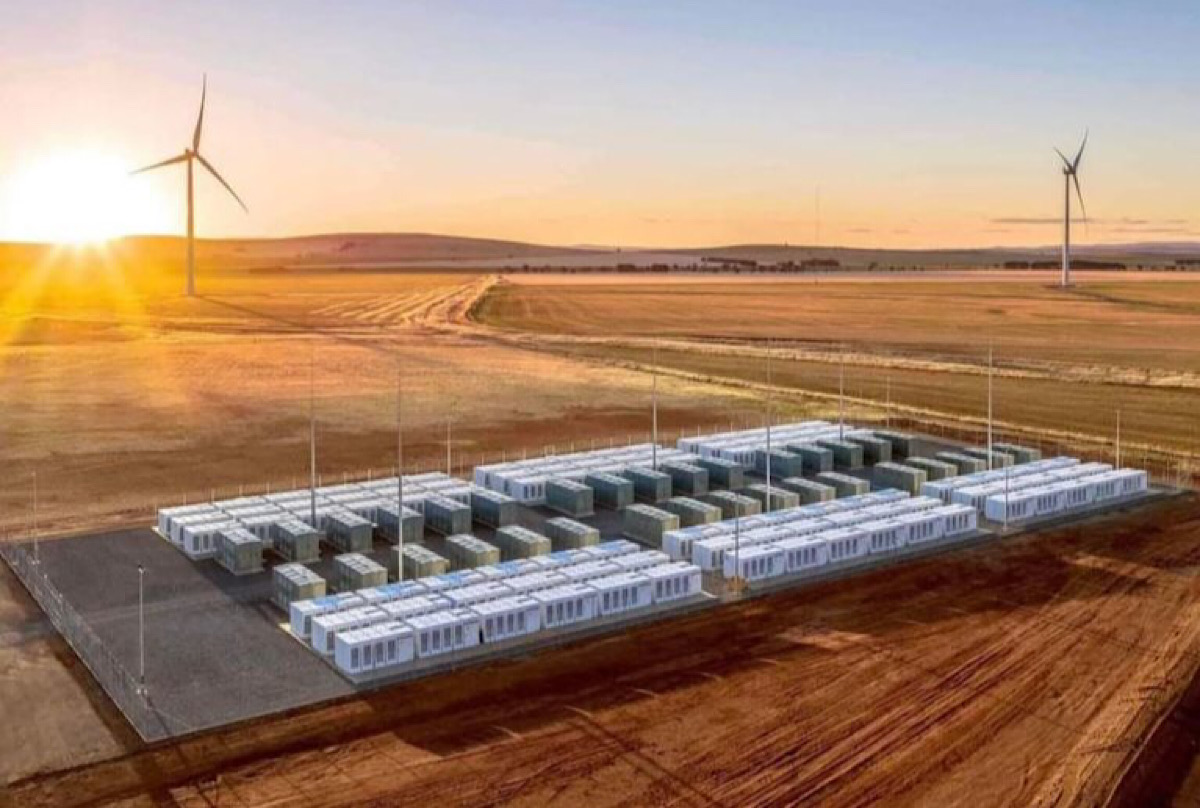
Tesla big battery begins providing inertia grid services at scale in world first in Australia

The Hornsdale Power Reserve is located approximately 16 km north of Jamestown in South Australia.

By  BELLA PEACOCK

South Australia’s 150 MW / 193.5 Hornsdale Power Reserve, more commonly known as the Tesla Big Battery, will now provide inertia services to Australia’s National Electricity Market after securing approval from the Australian Energy Market Operator. Neoen says it is the first big battery in the world to deliver the service at such a scale.

After two years of extensive trials, Neoen’s Hornsdale Power Reserve now has the capacity to provide an estimated 2,000 megawatt seconds (MWs) of equivalent inertia to South Australia’s grid through Tesla’s Virtual Machine Mode technology.

Known as virtual synchronous machines or grid forming inverters, this technology gives batteries the capacity to help stabilize the grid by providing inertia. Along with frequency control services, inertia is necessary for operating a stable grid and is especially important after major disturbances. Until now, inertia services have only been provided by gas or coal-fired generators and their rapid retirement is causing inertia shortfalls or grid instability – especially in regions like South Australia, where renewable penetration has reached 64% over the last 12 months.

The Hornsdale Power Reserve will now be capable of providing around 15% of the state’s predicted inertia shortfall – a globally significant milestone. The use of the technology at Hornsdale has been approved by the Australian Energy Market Operator (AEMO), which has been working closely with Neoen, Tesla and ElectraNet, South Australia’s network operator, to trial the Virtual Machine Mode at Hornsdale following its expansion in 2020. 

The companies now completed all the necessary studies, testing and analysis to deploy the technology at scale, with that capacity available from today. “We are proving that our assets can replace fossil fuels not only in the production and storage of electricity, but also through providing all the essential services that a power system needs to function,” Neoen’s Chairman and CEO Xavier Barbaro said. “We are keen to build on this progress, continuing to innovate and to accelerate the transition to renewables in Australia and around the world.”

Continue reading… “Tesla big battery begins providing inertia grid services at scale in world first in Australia”

Researchers 3D Print Sensors For Satellites

By Amelia Podder 

MIT researchers have demonstrated a 3D-printed plasma sensor for orbiting spacecraft that works just as well as much more expensive, semiconductor sensors. These durable, precise sensors could be used effectively on inexpensive, lightweight satellites known as CubeSats, which are commonly utilized for environmental monitoring or weather prediction.

MIT scientists have created the first completely digitally manufactured plasma sensors for orbiting spacecraft. These plasma sensors, also known as retarding potential analyzers (RPAs), are used by satellites to determine the chemical composition and ion energy distribution of the atmosphere.

The 3D-printed and laser-cut hardware performed as well as state-of-the-art semiconductor plasma sensors that are manufactured in a cleanroom, which makes them expensive and requires weeks of intricate fabrication. By contrast, the 3D-printed sensors can be produced for tens of dollars in a matter of days.

Due to their low cost and speedy production, the sensors are ideal for CubeSats. These inexpensive, low-power, and lightweight satellites are often used for communication and environmental monitoring in Earth’s upper atmosphere.

The researchers developed RPAs using a glass-ceramic material that is more durable than traditional sensor materials like silicon and thin-film coatings. By using the glass-ceramic in a fabrication process that was developed for 3D printing with plastics, there were able to create sensors with complex shapes that can withstand the wide temperature swings a spacecraft would encounter in lower Earth orbit.

Continue reading… “Researchers 3D Print Sensors For Satellites”

NASA’s VIPER prototype motors through Moon-like obstacle course

Recent file image of VIPER in the Lunar sand pit.

By Rachel Hoover

It faced the quicksand-like soil in the “sink tank,” climbed the “tilt bed,” and conquered boulders and craters. NASA’s Volatiles Investigating Polar Exploration Rover (VIPER) prototype recently endured the most realistic tests to-date of its ability to drive through the most difficult terrain during its mission to the Moon’s South Pole.

Engineers tested the latest VIPER mobility engineering test unit, known as Moon Gravitation Representative Unit 3 (MGRU3) in the Simulated Lunar Operations (SLOPE) Laboratory at NASA’s Glenn Research Center in Cleveland.

This MGRU3 features motor controllers specially designed for the Moon rover – a critical piece of hardware in the rover’s mobility system that controls the motors that send power the rover’s four wheels.

“Unlike most car engines, which uses a throttle and brake to speed up and slow down all four wheels, VIPER’s motor controllers make the rover wheels turn at the force and rate the drivers want, with extreme precision to allow for better performance,” said Arno Rogg, test director and rover systems engineer at NASA’s Ames Research Center in California’s Silicon Valley. “These tests allowed us to verify the performance of the rover mobility system and know it will work well on the Moon.”

Continue reading… “NASA’s VIPER prototype motors through Moon-like obstacle course”
Discover the Hidden Patterns of Tomorrow with Futurist Thomas Frey
Unlock Your Potential, Ignite Your Success.

By delving into the futuring techniques of Futurist Thomas Frey, you’ll embark on an enlightening journey.

Learn More about this exciting program.