New Study Develops Models to Better Manage Pain During Surgery

The management of a patient’s subconscious pain response, known as “nociception,” during surgery can significantly impact the intensity of post-operative side effects and the need for further pain management. However, measuring pain is inherently subjective—especially when patients are unconscious.

In a groundbreaking study, researchers from MIT and Massachusetts General Hospital (MGH) have developed a set of statistical models to objectively quantify nociception during surgery. The findings, published in the Proceedings of the National Academy of Sciences, aim to assist anesthesiologists in optimizing drug dosages and minimizing post-operative pain and side effects.

Continue reading… “New Study Develops Models to Better Manage Pain During Surgery”
Drones Revolutionize Air Freight and Connectivity for Remote Areas

When Svilen and Konstantin Rangelov founded Dronamics in 2014 in Bulgaria, they aimed to revolutionize cargo deliveries across Europe. Their vision was to democratize next-day deliveries, ensuring even the remotest regions were connected to reliable, affordable air freight services.

The Rangelov brothers identified a significant gap in global trade: the lack of rapid, reliable cargo transportation to inaccessible areas. They believed drone technology could fill this void. “We set out to build a next-generation cargo aircraft to accelerate trade and enable same-day delivery for everyone, everywhere,” said Konstantin Rangelov, an aerospace engineer passionate about drones.

Continue reading… “Drones Revolutionize Air Freight and Connectivity for Remote Areas”

Revolutionizing Energy Harvesting: New Organic Thermoelectric Device Works at Room Temperature

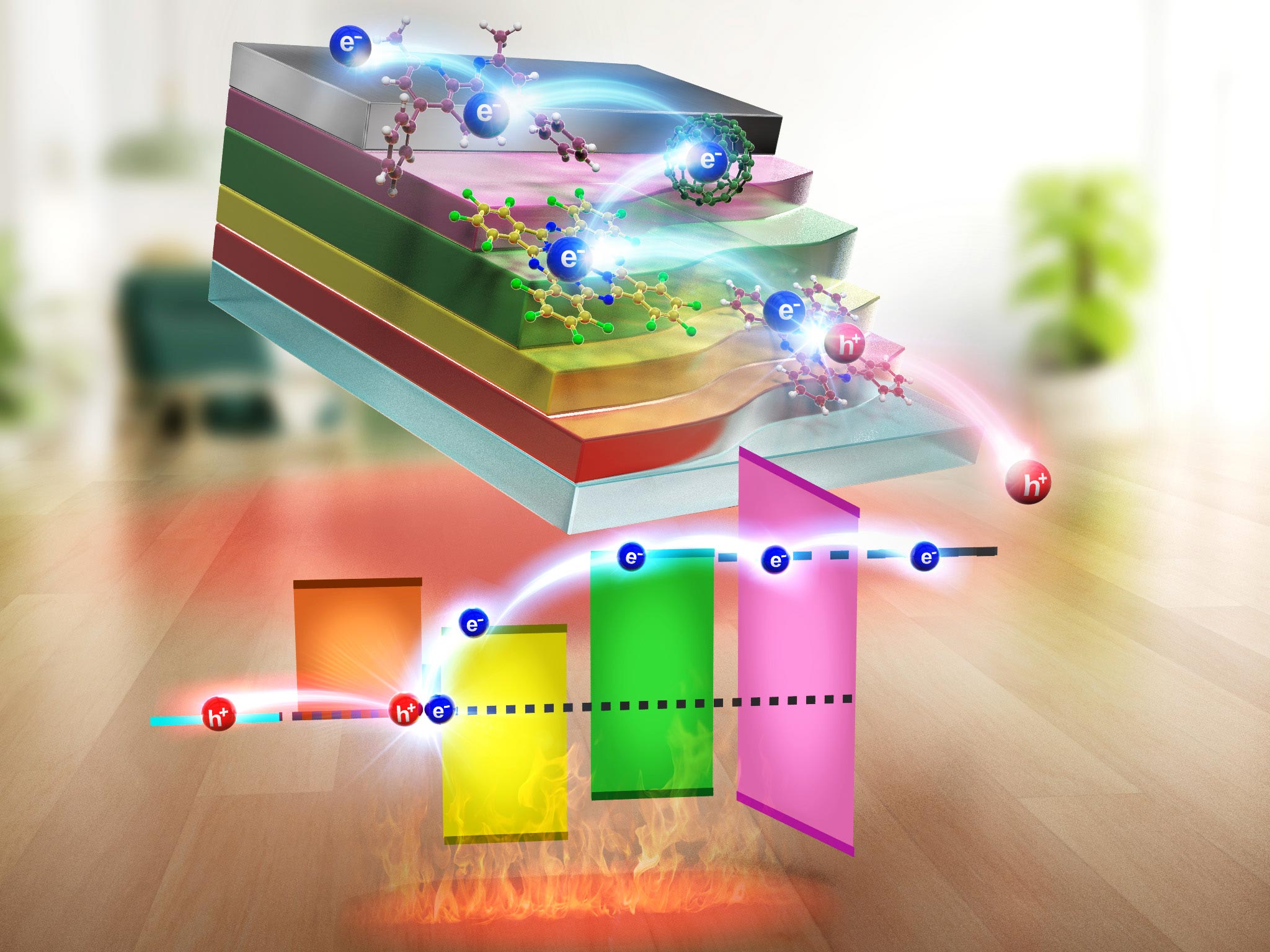
A groundbreaking organic thermoelectric device has been developed, capable of generating energy at room temperature without requiring a temperature gradient. This innovation, which utilizes the unique properties of organic compounds, could transform energy harvesting methods, making it possible to efficiently capture energy from ambient temperatures. The team’s findings were published on September 19 in Nature Communications.

Thermoelectric devices are known for their ability to convert heat into electricity when a temperature gradient exists. These devices have gained attention for their potential to capture waste heat from industrial processes and energy systems. The most well-known applications of thermoelectric generators include powering space probes, such as NASA’s Mars Curiosity rover and Voyager probe, where heat from radioactive isotopes creates the temperature gradient needed to generate electricity. However, the widespread use of these devices has been limited by high production costs, hazardous materials, low energy efficiency, and the requirement for elevated temperatures.

Continue reading… “Revolutionizing Energy Harvesting: New Organic Thermoelectric Device Works at Room Temperature”

e-con Systems Unveils Cutting-Edge Camera Solutions for Robotics at VISION 2024

Cameras are rapidly advancing for various robotics applications, and e-con Systems is at the forefront of this technological evolution. At the upcoming VISION 2024 event in Stuttgart, Germany, the company will showcase its latest camera systems, designed to optimize performance across industries such as agriculture, medical, retail, industrial, and smart cities.

Since 2003, e-con Systems has been designing, developing, and manufacturing OEM cameras tailored to specific industry needs. Its diverse portfolio includes time-of-flight (ToF) cameras, MIPI camera modules, GMSL cameras, USB 3.1 Gen 1 cameras, stereo cameras, GigE cameras, and low-light cameras. These advanced systems are embedded in over 350 customer products worldwide.

Continue reading… “e-con Systems Unveils Cutting-Edge Camera Solutions for Robotics at VISION 2024”

Revolutionary Origami Sensors Detect Disease in Wastewater Using Mobile Phones

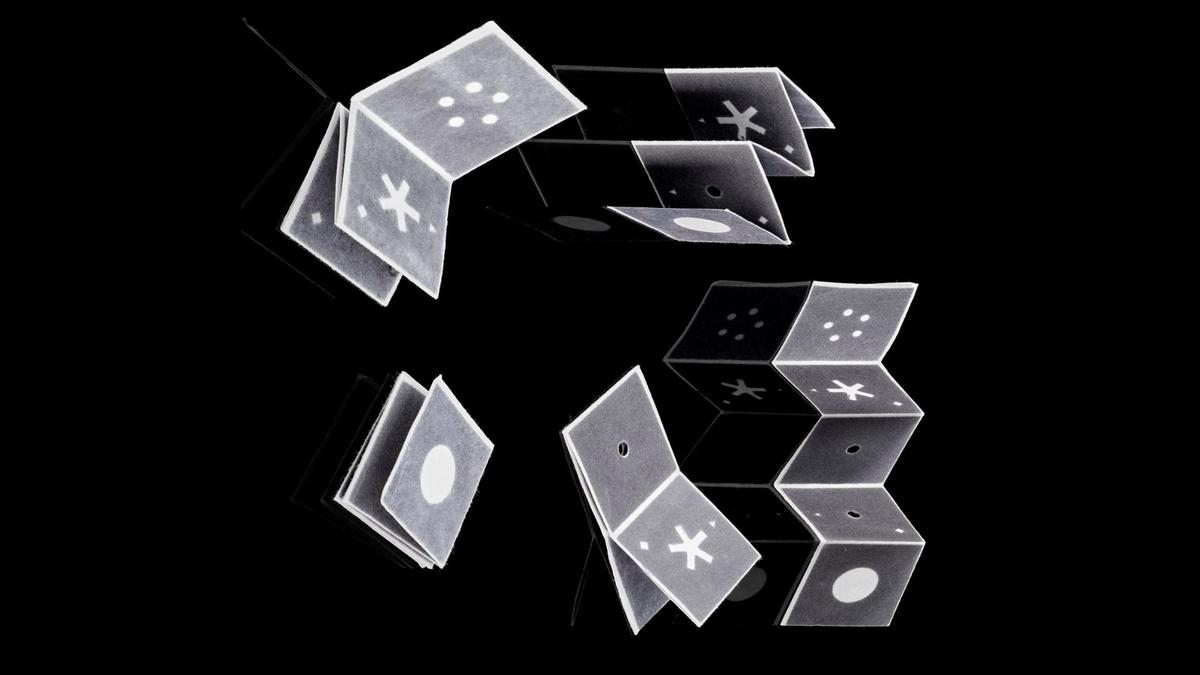
Scientists at Cranfield University have developed an innovative, low-cost method for detecting disease biomarkers in wastewater using origami-paper sensors. These sensors, which can be analyzed with a simple mobile phone camera, promise to transform public health strategies, particularly in response to pandemics.

“This method is evidence-based, simple, and cheap, without needing to take samples from individuals,” said Zhugen Yang, Professor of Biosensing and Environmental Health at Cranfield University and lead author of the study. “Testing one sample will cover many people’s information in the population, making it easier to understand infectious disease trends and improve prevention methods.”

Continue reading… “Revolutionary Origami Sensors Detect Disease in Wastewater Using Mobile Phones”

Revolutionary OLED Technology Could Replace Night Vision Goggles and Enhance Computer Vision

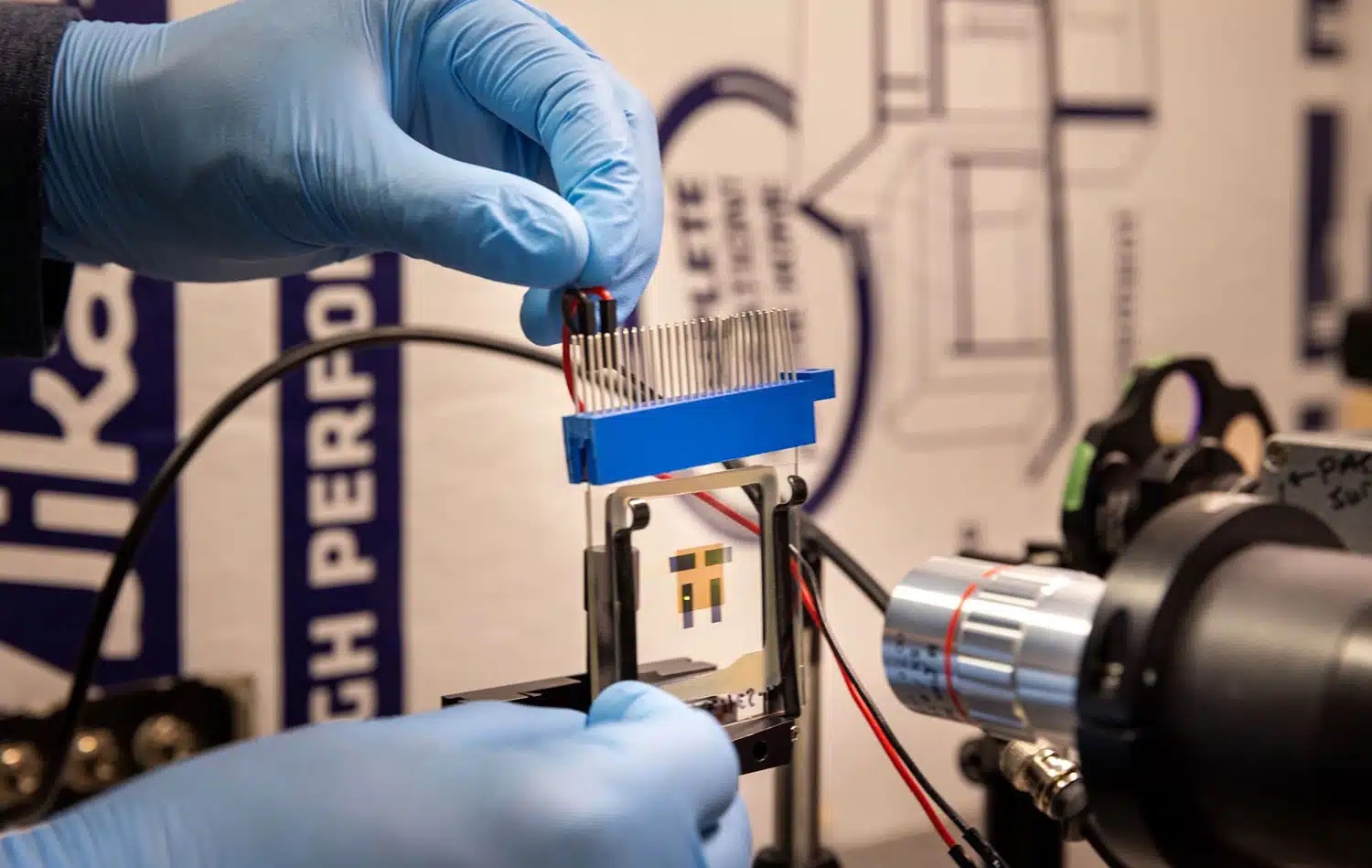
Organic light-emitting diodes (OLEDs) are already a dominant force in the mobile display market and are rapidly expanding into lighting, automotive, and wearable technologies. Now, researchers at the University of Michigan have developed a breakthrough OLED device that could replace bulky night vision goggles with lightweight glasses. This innovation could make night vision technology more practical, cost-effective, and suitable for extended use. Moreover, the new OLEDs exhibit a unique “memory effect” that could lead to advanced computer vision systems capable of both sensing and interpreting incoming light and images.

Current night vision systems rely on image intensifiers that convert near-infrared light into electrons, which then pass through a vacuum and multiply, ultimately striking a phosphor screen to produce visible light. While effective, these systems are heavy, require high voltage, and rely on cumbersome components.

Continue reading… “Revolutionary OLED Technology Could Replace Night Vision Goggles and Enhance Computer Vision”

MIT Unveils AI Model to Revolutionize Crystalline Material Structure Prediction

Researchers at MIT have developed a groundbreaking generative AI model that significantly simplifies the process of determining the structures of crystalline materials, such as metals, rocks, and ceramics. Traditionally, scientists have relied on X-ray crystallography to uncover these structures, but this new approach offers a more efficient and versatile alternative. The model has far-reaching implications for industries relying on materials like batteries, magnets, and superconductors.

“Understanding the structure of a material is crucial for virtually any application,” explained Danna Freedman, the Frederick George Keyes Professor of Chemistry at MIT. “It’s fundamental for superconductivity, magnets, photovoltaics—essentially anything that is materials-centric.”

Continue reading… “MIT Unveils AI Model to Revolutionize Crystalline Material Structure Prediction”

Scientists Store Human Genome on 5D Memory Crystal: A Data Storage Revolution for Billions of Years

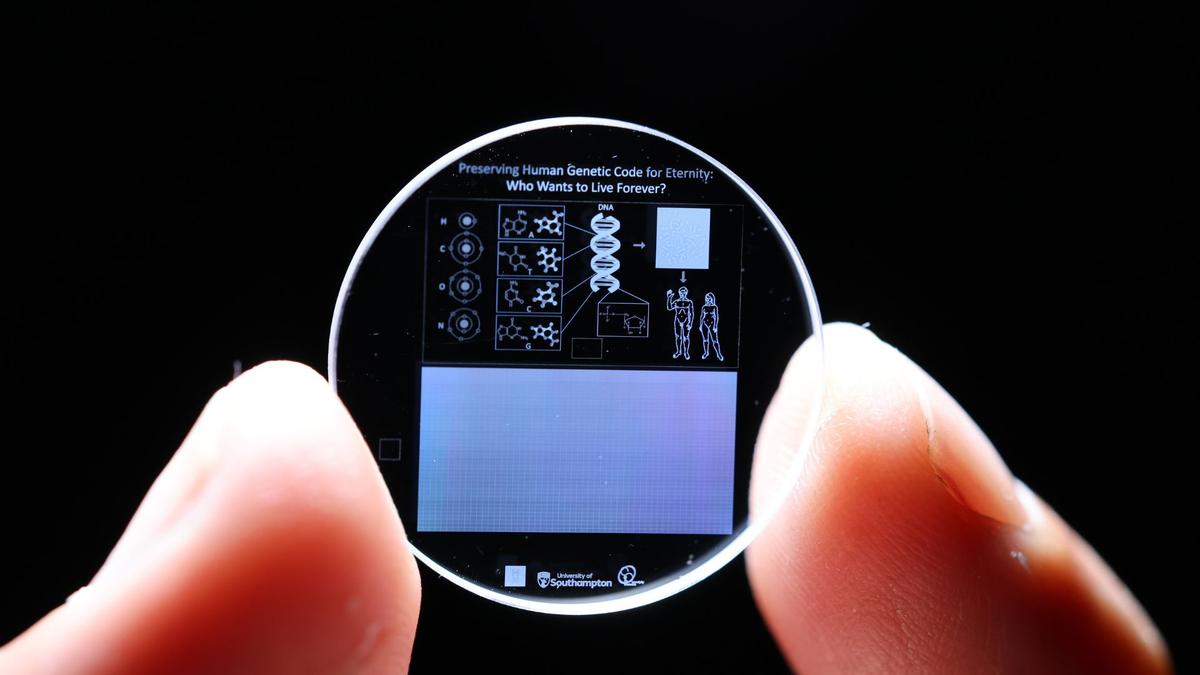
Researchers at the University of Southampton have achieved a groundbreaking milestone by storing the entire human genome on a 5D memory crystal, a technological advancement that could preserve data for billions of years. This development opens the door for future science to potentially revive humanity—or other species—from extinction, should such technology become feasible.

The 5D memory crystal, developed by the University’s Optoelectronics Research Centre (ORC), has the potential to create a permanent repository for the genomic information of endangered species, including plants and animals. “The 5D memory crystal allows us to envision an enduring archive of genomic data,” explained Professor Peter Kazansky, lead researcher in optoelectronics. “In the future, it might be possible to restore complex organisms if the necessary scientific advancements occur.”

Continue reading… “Scientists Store Human Genome on 5D Memory Crystal: A Data Storage Revolution for Billions of Years”

reakthrough in Boosting Beta-Carotene Levels in Leafy Vegetables through Biotechnology

Biotechnological advances have led to a significant increase in beta-carotene levels in leafy vegetables, enhancing their nutritional value without disrupting vital processes like photosynthesis. A recent study published in the Plant Journalreveals that beta-carotene levels in leaves can be increased by up to 30 times through biotechnological methods and exposure to high light intensity. This breakthrough creates new storage areas for beta-carotene that do not interfere with essential functions such as photosynthesis.

Beta-carotene, a key carotenoid, is known for its health benefits, including its antioxidant, immunostimulant, and cognitive-enhancing properties. It also serves as a precursor to retinoids, which are essential for vision, cell proliferation, immune function, and vitamin A production.

Continue reading… “reakthrough in Boosting Beta-Carotene Levels in Leafy Vegetables through Biotechnology”

Harvard Researchers Pioneer Advanced 3D-Printed Blood Vessels for Organ Engineering

Scientists at Harvard’s Wyss Institute have achieved a breakthrough in 3D printing blood vessels, advancing the goal of creating functional, implantable organs grown in labs. Collaborating with the John A. Paulson School of Engineering and Applied Science (SEAS), the team has introduced a technique called coaxial SWIFT (co-SWIFT), which can replicate the complex structure of human vasculature.

Co-SWIFT allows for the production of vascular networks embedded within human cardiac tissue, featuring a hollow core surrounded by a shell of smooth muscle and endothelial cells—closely mimicking the natural structure of blood vessels. This innovative method improves upon the 2019-developed SWIFT technique, which was groundbreaking for printing hollow channels within living tissue. However, SWIFT lacked the ability to replicate the multilayered, pressure-resistant nature of real blood vessels.

Continue reading… “Harvard Researchers Pioneer Advanced 3D-Printed Blood Vessels for Organ Engineering”

Revolutionizing Data Storage: DNA-Based Computing Systems Take a Major Leap Forward

For billions of years, deoxyribonucleic acid (DNA) has served as nature’s ultimate data storage system, encoding the instructions for life itself. Now, engineers are harnessing the power of DNA for a new purpose—creating synthetic systems that function as biological computers. Until recently, these systems have struggled to store and process data simultaneously. However, groundbreaking research has shown that it’s possible to design a DNA-based system capable of performing a full range of computing tasks while storing information.

Researchers from North Carolina State University (NC State) and Johns Hopkins University have developed a novel nucleic acid scaffold that serves as both a data storage medium and a biological computing system. This breakthrough enables DNA to handle key computing functions, including storing, reading, erasing, moving, and rewriting data—all in programmable, repeatable ways, much like a traditional electronic computer.

Continue reading… “Revolutionizing Data Storage: DNA-Based Computing Systems Take a Major Leap Forward”

Bio-Inspired Cement Paste Offers Groundbreaking Strength and Crack Resistance

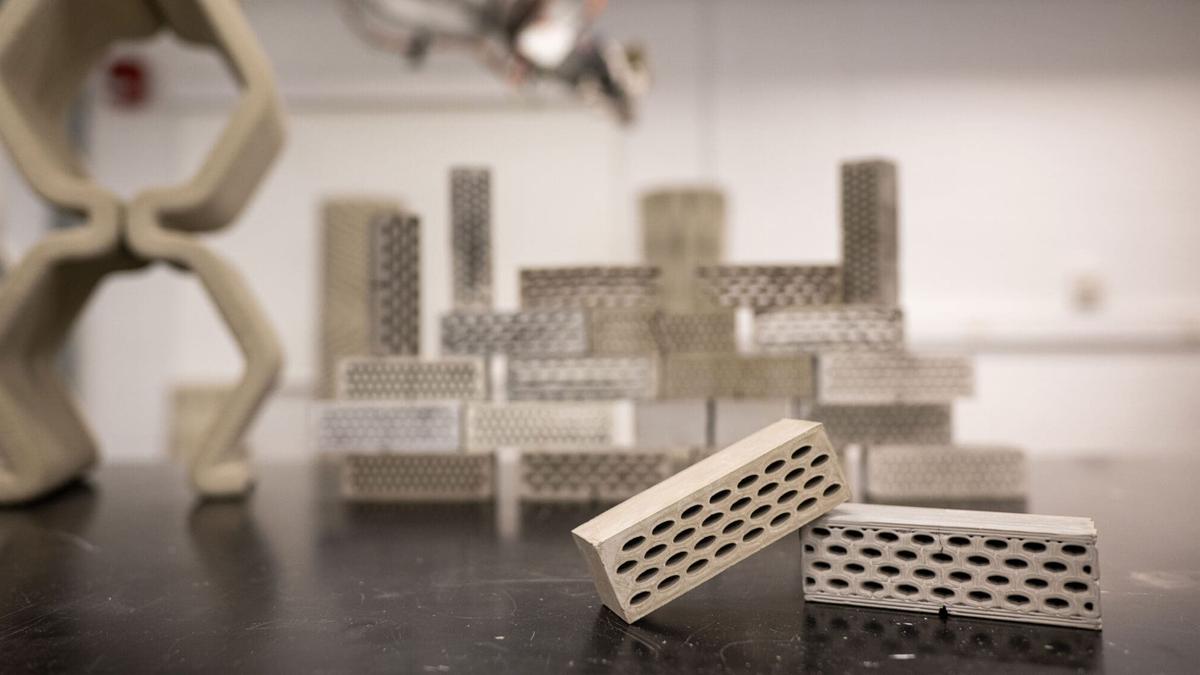
Researchers at Princeton University have developed a revolutionary cement paste that is 5.6 times stronger than traditional cement, mortar, and other common construction materials. This breakthrough material draws inspiration from the tubular structure of human cortical bone, which forms the outer layer of the femur (thigh bone). By mimicking this biological architecture, the new cement paste dramatically improves its resistance to cracks and enhances its ability to deform under pressure without sudden failure.

According to the researchers, “Cement paste deployed with a tube-like architecture can significantly increase resistance to crack propagation and improve the ability to deform without sudden failure.” This innovative design offers the potential to replace plastic and fiber-reinforced cement-based materials in the construction industry.

Continue reading… “Bio-Inspired Cement Paste Offers Groundbreaking Strength and Crack Resistance”
Discover the Hidden Patterns of Tomorrow with Futurist Thomas Frey
Unlock Your Potential, Ignite Your Success.

By delving into the futuring techniques of Futurist Thomas Frey, you’ll embark on an enlightening journey.

Learn More about this exciting program.