
By Futurist Thomas Frey
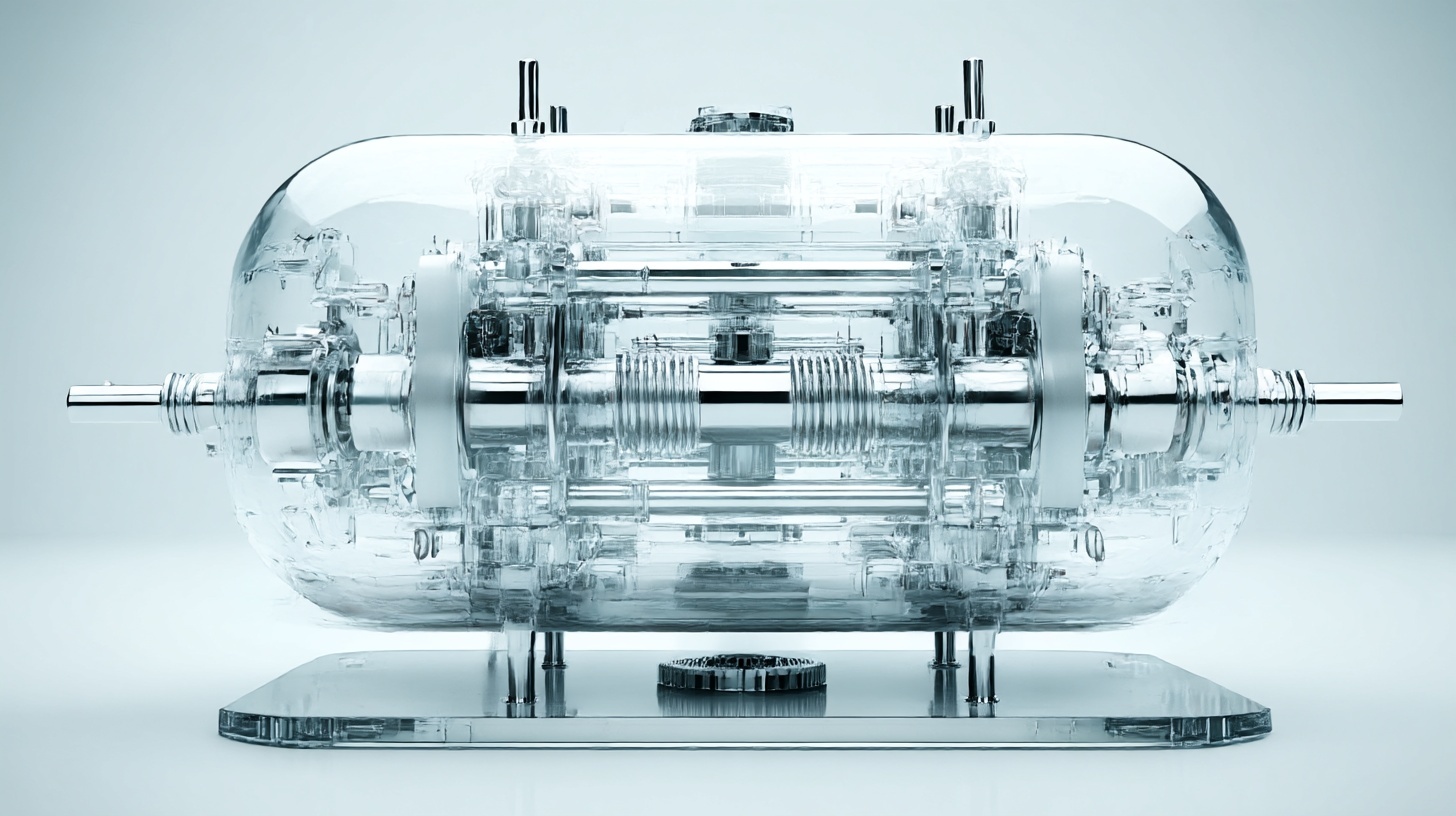
In 2025, a small capsule changed the course of medicine. Researchers at École Polytechnique Fédérale de Lausanne (EPFL) unveiled a swallowable bioprinter—small enough to pass through the gastrointestinal tract, guided by external magnets and triggered by a near-infrared laser—to deposit living bio-ink directly onto internal tissue damage. They call it MEDS (Magnetic Endoluminal Deposition System). This device doesn’t just deliver medicine—it prints living scaffolds where the body is broken, redefining what “non-invasive” means.
We tend to view surgery, stents, pills or drug infusions as the high point of modern intervention. But what if the next frontier isn’t cutting or injecting—but printing inside you?
MEDS morphs medical care into a micro-manufacturing process built directly inside the body. In lab tests, the capsule repaired simulated ulcers, sealed hemorrhages in artificial tissue, and in animal models deposited bio-ink into a rabbit’s stomach with precision. The bio-ink, a living gel designed to initiate healing, retained structural integrity for over 16 days—suggesting the body itself becomes a micro-bioreactor, not just a set of organs waiting for repair.
Imagine the implications by 2040. A patient swallows a capsule and within hours their internal wound is sealed, scaffolded and actively healing—all with no incision, no general anesthesia, no surgeon standing by. Hospitals shrink into outpatient hubs. Surgeons become remote system monitors. Internal damage becomes a software problem rather than a surgical one. The logistics shift from OR scheduling and recovery wards to capsule logistics and guided retrieval.
The economics flip too. Traditional surgery demands hospital stays, sterile theatres, recovery teams, risk management. A capsule-based bioprinter decouples repair from full surgical suites. The cost asymptote breaks: what once cost tens of thousands of dollars becomes a calibrated micro-procedure. The bottleneck is no longer access to surgeons, but to the capsule fleet, bio-ink supply, external guidance systems and after-care diagnostics. Medical systems pivot from infrastructure-heavy to device-oriented.
This also opens radical new treatment domains. GI ulcers are just the start. The EPFL team already plans to target blood vessels and abdominal wall tissues. In ten years, vascular lesions, internal lacerations, micro-bleeds, even early-stage organ repair could shift into ingestible deployment. No scalpels. No sutures. You become your own operating room.
But the shift isn’t just medical—it’s societal. If internal bioprinting becomes routine, our concept of “repair” changes. We stop deferring until things break seriously. Minor internal wounds that once required monitoring now get auto-addressed. Internal aging, wear and tear, micro-damage become background maintenance, like dental cleanings or oil changes. Longevity moves from pills and hormones to internal print-cycles and healing scaffolds. Body maintenance becomes an ongoing service.
Ethical questions sprint ahead of regulation. If you can print tissue inside someone, who owns the bio-ink algorithm? Who certifies the safety of a capsule scaffold? When nodes of internal scaffolds exist, what becomes human repair and what becomes augmentation? If the bio-ink is cell-laden and layered with therapeutic agents, the boundary between machine repair and biologically augmented enhancement dissolves. Is a capsule still “medical” or is it “upgrade”?
Furthermore, unequal access could widen health disparities. Early adopters might routinely receive internal repair capsules for micro-injuries. Others remain tethered to old-school surgery and hospitals. The “health span privilege” gap becomes literal: some people have an internal upkeep service; others deal with breakdowns. Insurance models shift from catastrophic event coverage to subscription-style internal repair cycles. Who pays for the regular internal print-maintenance?
For organizations, the strategic takeaway is obvious: build the pipeline now. At the intersection of robotics, magnetics, minimally invasive medicine, biomaterials and AI navigational systems lies the future of internal repair. The device winners won’t just be surgical hardware—they’ll be ingestible manufacturing platforms, capsule-fleet logistics, bio-ink supply chains and remote steering interfaces. Healthcare becomes device-driven micro-manufacturing.
Clinicians, engineers, investors and regulators need to recalibrate: surgery becomes deployment. Medicine becomes printing. And the body becomes a site of manufacturing, not just pathology. Skill-sets shift: from surgeons wielding scalpels to technicians managing capsule-fleets, unloading deployment logs, monitoring healing scaffold uptake, and retrieving capsules post-procedure. The hospital bed becomes the disposal bin for used print-capsules.
Final Thoughts
The pill-sized bioprinter heralds a new axis in medicine—one where we print life instead of patching it. Internal repair becomes routine manufacturing. Biology becomes something we manipulate from the inside rather than wait on from the outside. The next era of health isn’t longer stays in hospital—it’s shorter pills, smarter devices, internal factories, and continuous upkeep. If you’re still thinking of surgery as the ultimate frontier, you’re already behind. The future isn’t cut—it’s printed.
Original column: “Laser-guided bioprinter capsule repairs tissue damage from inside the body”
Similar stories: “This pill is actually a tiny printer that repairs internal injuries using biocompatible ink” · “World’s smallest ‘bioprinter’ is the size of a pill”