Robotic Industry Breakthrough: Chrissy Snow Comes to Life Through AI and Humanoid Technology

The world of robotics is evolving at an extraordinary pace, and a new collaboration between two leading firms has demonstrated just how far it’s come. Through a combination of open-source robotics, lip-sync technology, and advanced AI, a humanoid robot has successfully assumed the personality of a beloved TV character: Chrissy Snow, as portrayed by Suzanne Somers in the iconic 70s and 80s TV sitcom Three’s Company.

This remarkable achievement was made possible by Realbotix, a prominent creator of humanoid robots, and Hollo.AI, a conversational AI platform specializing in character-based digital twins and AI personality engines. The partnership brought Chrissy Snow back to life in a way never seen before, combining cutting-edge robotics and AI to create a physical and conversational representation of the character.

Continue reading… “Robotic Industry Breakthrough: Chrissy Snow Comes to Life Through AI and Humanoid Technology”


New Research Sheds Light on Why We Forget Early Childhood Memories

Family gatherings often lead to playful discussions about childhood antics—stories about how mischievous you were as a toddler, stories that everyone remembers except you. Ever wonder why your family seems to have vivid recollections while you have no recollection at all? Recent research may offer an answer: it’s not that the memories are gone, but rather that retrieving them is far more difficult than we realize.

For decades, scientists believed that infants couldn’t form lasting memories because the brain structures required for memory formation, such as the hippocampus, were underdeveloped. However, a groundbreaking study led by Tristan Yates and his team challenges this long-standing assumption.

Continue reading… “New Research Sheds Light on Why We Forget Early Childhood Memories”

Chinese Researchers Create the World’s Smallest LED Displays Using Virus-Sized Pixels

Researchers from Zhejiang University in Hangzhou, China, in collaboration with the University of Cambridge, have achieved a remarkable breakthrough in display technology by creating pixels the size of a virus. These tiny pixels have been used to develop the world’s smallest light-emitting diode (LED) displays, which are smaller than a grain of sand.

This innovation is significant because, as display technology advances, the trend has been to increase pixel density in order to enhance image quality. The more pixels that can fit into a given space, the sharper and more detailed the image. Currently, micro-LEDs, made from II-V semiconductors, are used for creating small pixels, but miniaturizing these components becomes expensive and inefficient as their size decreases. To overcome this, the Zhejiang University team explored a promising alternative: perovskite.

Continue reading… “Chinese Researchers Create the World’s Smallest LED Displays Using Virus-Sized Pixels”

New Sensor Could Revolutionize Lithium-Ion Battery Safety, Preventing Fires and Explosions

Lithium-ion batteries power everything from smartphones to electric vehicles, but safety remains a major concern. While they are efficient and long-lasting, battery failures can lead to dangerous consequences. In fact, the rise of electric vehicles (EVs) has made this issue even more pressing, with over 20 EV fires or explosions in recent years linked to lithium-ion battery failures.

A groundbreaking study published in ACS Applied Materials & Interfaces introduces a new sensor that could help mitigate these risks and prevent catastrophic battery failures. As lithium-ion batteries become more widespread in smartphones, laptops, electric vehicles, and military applications, the need for safety innovation has never been more urgent. Though these batteries are known for their high energy density and long lifespan, they also pose serious hazards. Overheating or damage to battery cells can release volatile gases, which may ignite, leading to fires or explosions. As a result, developing gas sensors that are sensitive, selective, cost-effective, easy to integrate, and energy-efficient is crucial for improving lithium-ion battery safety.

Continue reading… “New Sensor Could Revolutionize Lithium-Ion Battery Safety, Preventing Fires and Explosions”

Penn State’s “Audible Enclave” Technology Could Revolutionize Private Listening Without Headphones

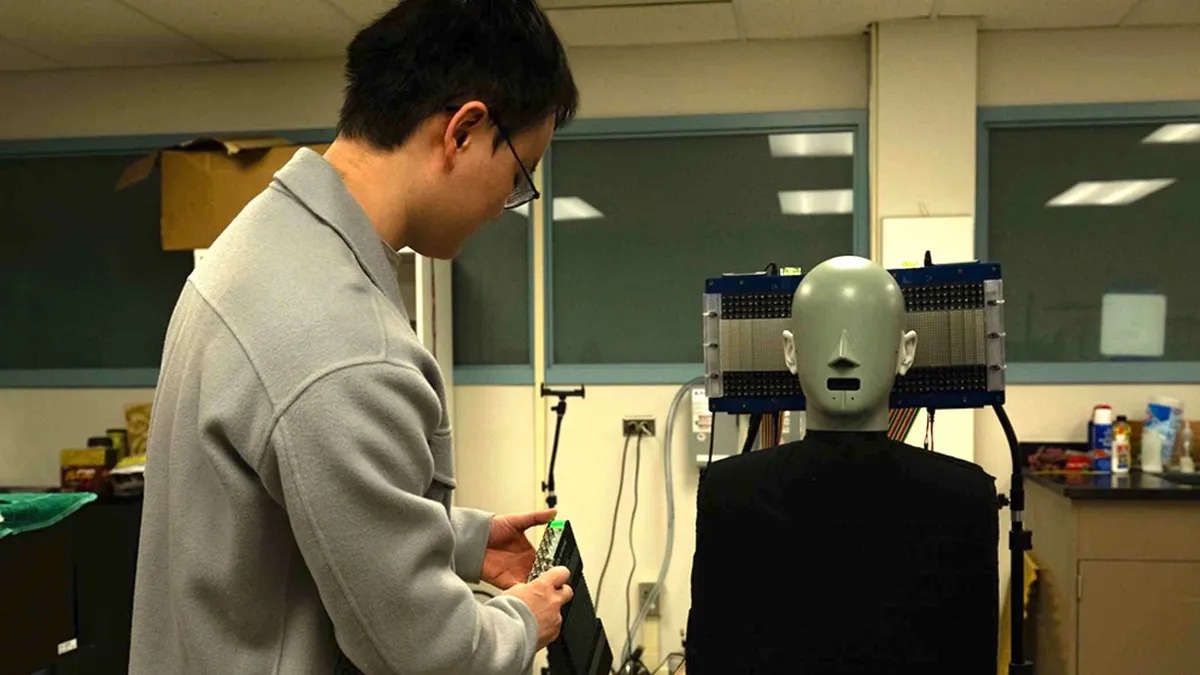
We’ve all become accustomed to enjoying music and audio through speakers, relishing the freedom to move around the room or share the experience with others at concerts or movies. But as the world becomes more connected and personal audio listening grows, wireless headphones have become a must-have, allowing us to enjoy audio discreetly without disturbing those around us.

However, what if you could enjoy private audio without the need for headphones, wires, or any wearable devices at all? That’s the innovative promise behind Penn State University’s groundbreaking “Audible Enclave” technology. This new tech uses ultrasonic waves to create pockets of sound that are only audible to someone in a specific location, offering a personal listening experience without the need for headphones or any additional hardware.

Continue reading… “Penn State’s “Audible Enclave” Technology Could Revolutionize Private Listening Without Headphones”

Parsec’s Aero Pro Electric Skateboard Looks Like It Came Straight Out of The Matrix

When it comes to electric skateboards, some brands go for a sleek, retro design that hides the tech underneath, while others fully embrace their futuristic vibes. Parsec’s Aero Pro definitely belongs to the latter category, boasting a design that looks like it was plucked straight from The Matrix.

The Aero Pro features a carbon fiber deck, dual rear-wheel-drive motors, and a high-tech drivetrain that combines cutting-edge materials with serious performance. Built for those who crave the power and style of tomorrow’s tech, the Aero Pro comes equipped with a T800 carbon fiber deck, dual Hobbywing 5250 motors, 7075-T6511 aluminum trucks, S136H steel axles, and 80-mm polyurethane wheels. With a top speed of 27 mph (43 km/h) and the ability to accommodate riders up to 250 lb (113 kg), it’s a board designed to push the limits.

Continue reading… “Parsec’s Aero Pro Electric Skateboard Looks Like It Came Straight Out of The Matrix”

Nathan Myhrvold Reflects on AI’s Potential and the Need for More “Miracles” to Unlock Its Full Power

Nathan Myhrvold, a key figure in the rise of modern computing as Microsoft’s first CTO, has witnessed the technological revolution firsthand. His role in shaping Microsoft’s strategy from 1986 to 2000, where he worked alongside Bill Gates, positioned him as a pioneer during a formative period for the tech industry. Decades after leaving the company, Myhrvold continues to reflect on his experiences and offers insights into the current state of artificial intelligence (AI)—and while he’s impressed with the progress, he believes that AI is still far from reaching its true potential.

At GeekWire’s Microsoft@50 event on Thursday, Myhrvold discussed Microsoft’s profound impact on the modern tech landscape. He noted, “We live in a technological world. We all interact with technology constantly, and Microsoft was an absolutely fundamental, foundational part of that.” He recalled how Microsoft’s early vision of “a computer on every desk and in every home,” once ridiculed, has now become a global reality, transforming the world for the better.

Continue reading… “Nathan Myhrvold Reflects on AI’s Potential and the Need for More “Miracles” to Unlock Its Full Power”

MIT and NVIDIA Create Hybrid AI Model to Speed Up Image Generation by 9x with Unmatched Detail

The ability to generate high-quality images quickly is a game-changer for applications like training self-driving cars to navigate complex environments and predict hazards on the road. However, current generative AI techniques used for producing such images come with their own set of limitations. Diffusion models, while producing incredibly realistic images, are slow and resource-intensive. On the other hand, autoregressive models—like the ones behind LLMs such as ChatGPT—are fast but often result in images with errors and poor detail. Now, researchers from MIT and NVIDIA have developed a solution that combines the strengths of both approaches.

Their groundbreaking hybrid image-generation tool, known as HART (Hybrid Autoregressive Transformer), integrates an autoregressive model for fast, high-level image generation and a smaller diffusion model to refine and enhance image details. Published on the arXiv preprint server, HART produces images that match or even surpass the quality of current state-of-the-art diffusion models, all while running up to nine times faster.

Continue reading… “MIT and NVIDIA Create Hybrid AI Model to Speed Up Image Generation by 9x with Unmatched Detail”

Groundbreaking Chinese Trial Restores Movement in Paralyzed Patients Using Brain-Spinal Interface

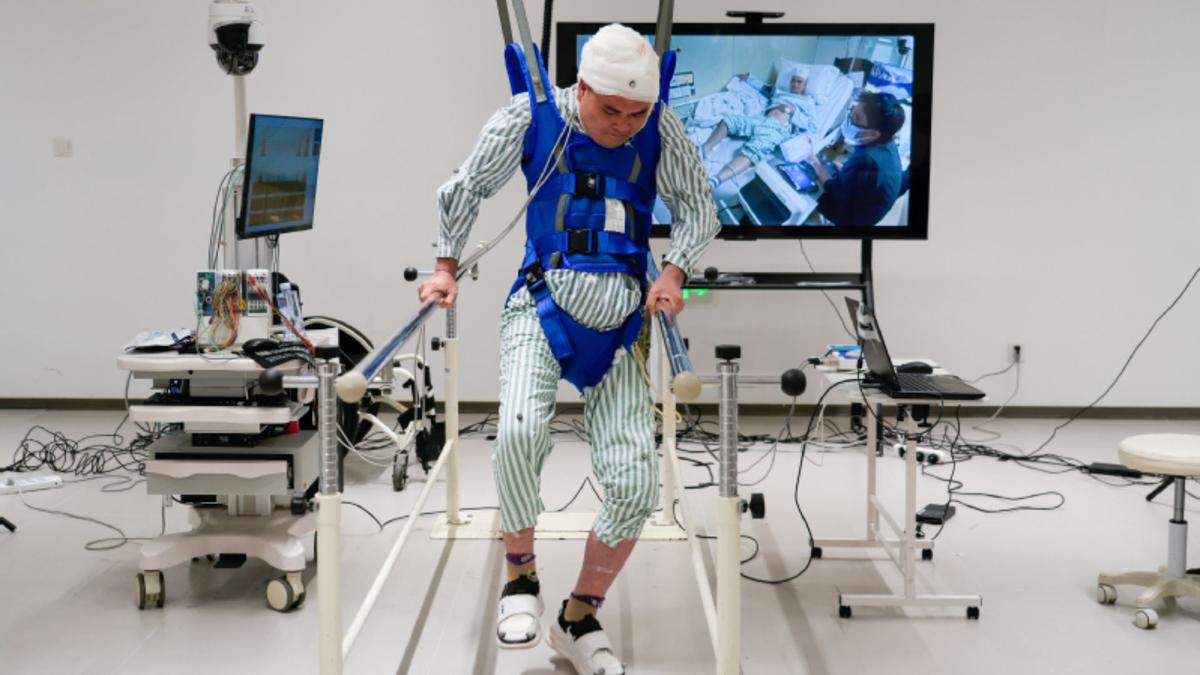
For decades, paralysis caused by spinal cord injuries has been considered irreversible. Even the most advanced brain-computer interfaces (BCIs), like those developed by Elon Musk’s Neuralink, have assumed that paralyzed limbs are beyond recovery. However, a revolutionary clinical trial in China is challenging this belief.

Researchers at Fudan University in Shanghai have successfully enabled four paralyzed patients to regain control of their legs just hours after undergoing minimally invasive surgery. This breakthrough involved implanting electrode chips into both the brain and spinal cord, effectively reestablishing the communication pathways that were disrupted due to spinal injury.

Continue reading… “Groundbreaking Chinese Trial Restores Movement in Paralyzed Patients Using Brain-Spinal Interface”

BYD Unveils Ultra-Fast EV Charger That Can Deliver 249 Miles of Range in Just 5 Minutes

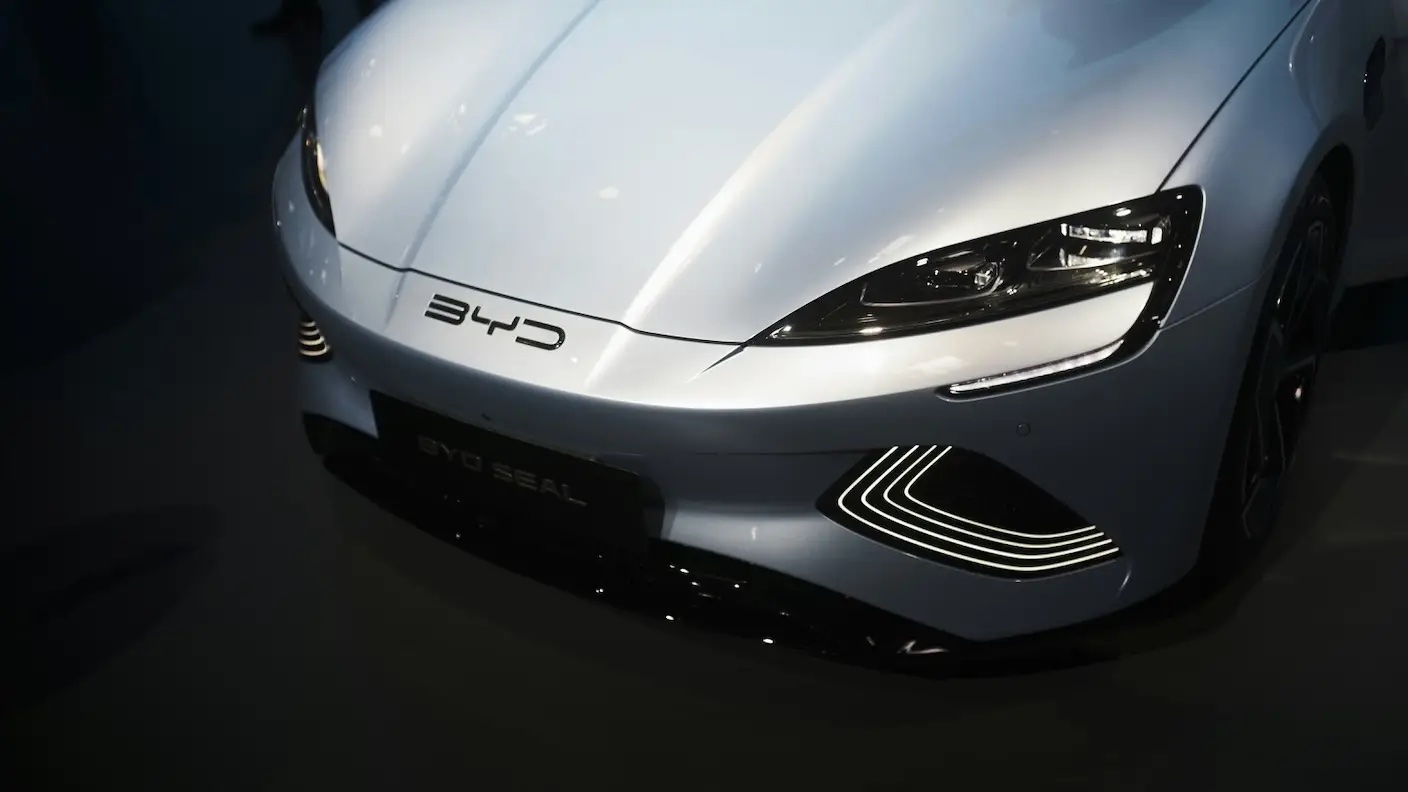
A significant hurdle to the widespread adoption of electric vehicles (EVs) has always been the time it takes to recharge them. This week, Chinese EV maker BYD revealed a breakthrough in charging technology with a charger that can recharge an electric vehicle almost as quickly as filling up at a gas station.

While the range of electric vehicles has dramatically improved over the years, most still offer about half the distance per charge compared to a full tank of gas. This limited range, combined with the fact that public charging stations are much less common than gas stations and take much longer to charge vehicles, has contributed to the widespread issue of “range anxiety.” Even though fast chargers can provide 200 miles of range in approximately 15 minutes, the time required to recharge remains a major sticking point for many consumers.

Continue reading… “BYD Unveils Ultra-Fast EV Charger That Can Deliver 249 Miles of Range in Just 5 Minutes”

Star Catcher Industries Achieves Milestone in Space-Based Power Beaming with Successful Demo

Star Catcher Industries has announced a significant achievement in its pursuit of space-based energy transmission, successfully beaming concentrated solar energy over 100 meters to satellite solar arrays on the ground at EverBank Stadium in Florida. The March 21 demonstration marked the first real-world test of the startup’s vision for a space-based power grid, one that eliminates the need for customer satellites to be retrofitted or outfitted with custom receivers.

Based in Jacksonville, Florida, Star Catcher aims to revolutionize energy delivery by harnessing solar power in space and transmitting it wirelessly to Earth. “This demonstration marks the first end-to-end test of our space power beaming technology, proving we can collect and transmit energy with the precision needed for space applications,” said Andrew Rush, co-founder and CEO of Star Catcher. “Today’s success takes us one step closer to eliminating power constraints in space and unlocking new capabilities for satellites and the customers they serve.”

Continue reading… “Star Catcher Industries Achieves Milestone in Space-Based Power Beaming with Successful Demo”

Breakthrough in Thermal Energy Storage Could Revolutionize Renewable Energy Storage

A groundbreaking new technology known as thermal energy storage (TES) is set to transform the future of energy storage. At the heart of this innovation is an advanced thermal emitter that captures heat and converts it into electromagnetic radiation, which is then transformed into electricity through photovoltaic cells. Compared to conventional batteries, this system offers a more scalable and sustainable alternative. If successful, it could pave the way for a more efficient and eco-friendly energy storage solution, potentially replacing existing, less reliable systems.

Renewable energy sources such as solar and wind power hold great promise for reducing our reliance on fossil fuels, but they come with one major obstacle: intermittency. Since these energy sources depend on weather conditions and time of day, their availability is often unpredictable. This unpredictability can lead to instability in power generation, creating challenges for managing electrical grids. To address these fluctuations, large-scale energy storage systems are essential to balance supply and demand.

Continue reading… “Breakthrough in Thermal Energy Storage Could Revolutionize Renewable Energy Storage”
Discover the Hidden Patterns of Tomorrow with Futurist Thomas Frey
Unlock Your Potential, Ignite Your Success.

By delving into the futuring techniques of Futurist Thomas Frey, you’ll embark on an enlightening journey.

Learn More about this exciting program.