MIT researchers have invented a radical pixel-mapping printing technique by bypassing computer-aided design (CAD) software. They have quickly and efficiently modeled and printed thousands of hair-like structures.
Since the beginning of the “machine age”, humans have envisioned a time where machines became intelligent. In most science fiction, there is an apocalyptic tone in which the machines determine that humans are an inefficient use of resources and seek to destroy us. Whether 2001: A Space Odyssey, Terminator or iRobot, books and movies have convinced all of us that one day machines will rule the world.
An electric racing car built by Swiss student engineers has broken the world record for acceleration. The grimsel car took only 1.513 seconds to reach 100kph (62mph) – slashing about a quarter of a second off the previous record time.
The goal is for these unmanned subs to operate for more than 60 days. General Motors is now working with the U.S. Navy to develop hydrogen fuel cell-powered underwater drones that can operate without recharging for this extended period.
Industrial robots used to be big, unwieldy, and dangerous. Now new “human-safe” robots are commonplace on automotive lines, working right next to people. These robots are awkward coworkers; they coexist with us but do not meaningfully collaborate. They often need to be explicitly told how to be helpful or when to stay out of the way — things human teammates seem to learn intuitively.
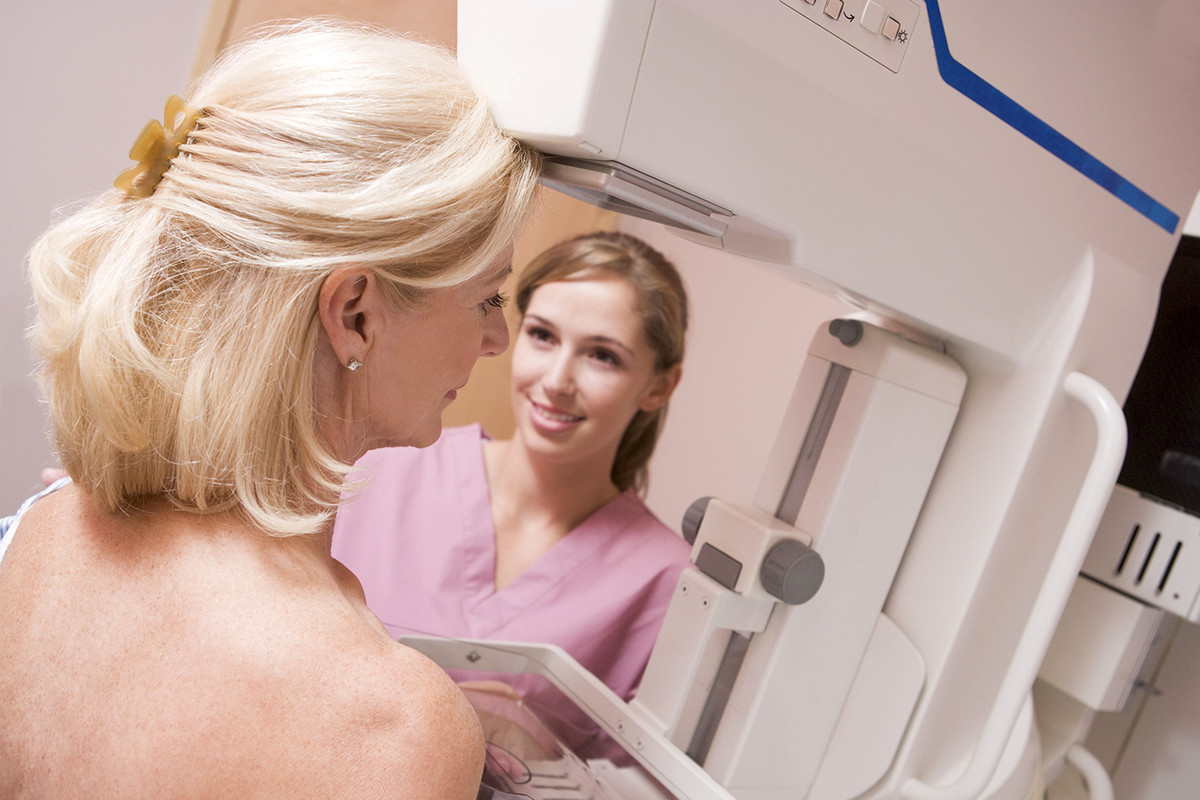
Physicians are pretty good at detecting breast cancer. However, they certainly aren’t perfect. Human pathologists can accurately identify the disease with 96 percent accuracy by reviewing breast biopsy samples, without even coming in contact with the patient. That’s an extremely impressive rate, given that cancer misdiagnosis can occur up to 28 percent of the time, according to healthcare journal BMJ Quality and Safety.
After their nanorods were accidentally created when an experiment didn’t go as planned, the researchers gave the microscopic, unplanned spawns of science a closer look.
You’ve probably heard the saying, “You are only as strong as your weakest link.” While it’s a rather trite phrase, it is also very true, especially when it comes to your leadership team. No matter how uncomfortable or unpleasant it might be, it is necessary to evaluate every person in your leadership team. If you’re not sure how to determine if you have the right people on your leadership team, here are ten tips that will help you do just that.
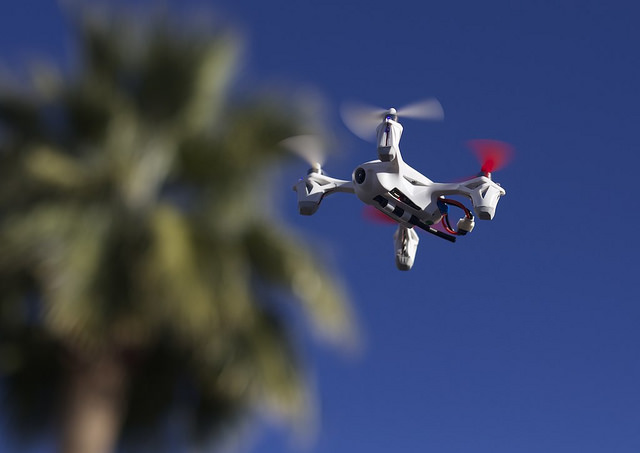
Drones are fantastic as a hobby, however these small unmanned aerial vehicles pose a significant security threat when they fall into the wrong hands. A single weaponized drone is bad enough, but drone swarms are a security nightmare for military officials. Drones are difficult to spot when approaching, tough to follow on radar, and cannot be easily shot down using conventional weapons. In order to combat this potential threat, Lockheed Martin has developed a laser-based weapon that’ll blow such drones out of the sky.
What was once a haven for innovation, the U.S. Patent and Trademark Office is now rocked by the velocity of technological change and roiled by “patent trolls.” Could it be that the biggest impediment that innovators now face is the very system that was created to protect them?
The smart Spider Dress, powered by Intel Edison, blends fashion with robotics and wearable technology to express the wearer’s emotions and protect their personal space. This is the just the beginning of where we can go with the latest wearables.
Hacking is most certainly a two way street. The developers behind Ethereum launched an assault on an anonymous hacker that stole at least $89 million through its network.