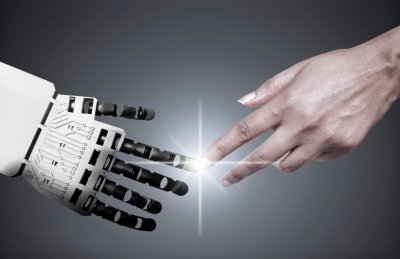
Researchers in California have determined that touching a humanoid robot can produce a physiological response in humans. Volunteers were put in a room with a small robot creature with human like features and could give commands to either touch or point to it.
On a clear day last fall, an attached smartphone-sized Raspberry Pi computer, was harnessed and carefully fitted onto a cat, by German digital media student Dennis Siegel. Cosmo, a fluffy Maine coon hit the streets with a small device designed to tap into and amplify local Wi-Fi networks. As Cosmo wandered through a nearby park, his wi-fi device “wardrive” launched a series of commands designed to locate open Wi-Fi networks and break the encryption algorithms of those that were badly secured. After getting into a network owned by an area resident or business, Cosmo’s wardrive amplified it, allowing anyone within up to 650 feet of the cat to freely use a Wi-Fi network they hadn’t been given permission to access.
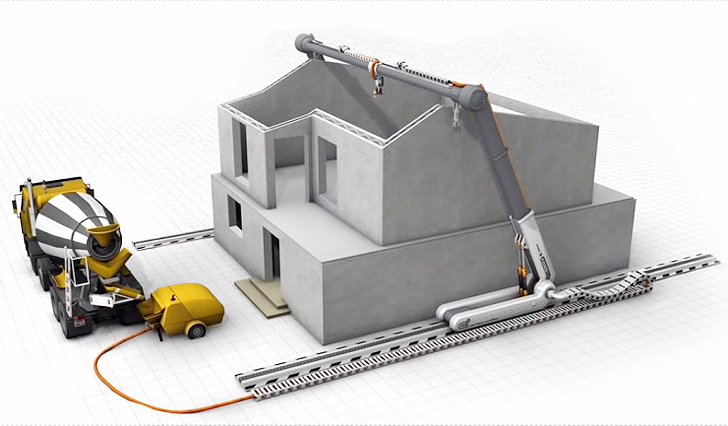
We’re heading for a future where we can start 3D print our own shoes and our own dinners, but so far the hype has not met the expectations. The technical challenge of consistently printing, quality, objects, in multiple colors and materials at once has been very difficult to overcome. But Stratasys, the largest 3D-printing company in the world, says its newest industrial printer does both, marking what it says is an “industry breakthrough.”
Is it possible to draw blood without causing pain? This problem has plagued the medical industry for decades. The old archaic needle is getting replaced by tiny vacuums and laser beams, but for women it could become much easier than that. In 2014, an engineer at Harvard named Ridhi Tariyal hit on a far simpler workaround. “I was trying to develop a way for women to monitor their own fertility at home,” she told me, and “those kinds of diagnostic tests require a lot of blood. So I was thinking about women and blood. When you put those words together, it becomes obvious. We have an opportunity every single month to collect blood from women, without needles.”
Unless you get a degree from Stanford or MIT, it will mean a lot less than having built your own apps to show off. Most Universities struggle to keep up with changing technology, and it will only boost your pay for the first 1-3 years. After that, those who are self taught can catch up to the experience that you get from a University degree. So unless you like wasting your time and money…
NOTE: For anyone wishing to own their own career in computer programming, check out the upcoming courses at DaVinci Coders. New classes starting soon.
This 130-foot drone ship from DARPA is almost ready to roam the open seas. The drone has already begun its speed testing has reached its expected top speed of 31 mph. However, drone does more than cruise around the ocean, it also has the ability to detect foreign submarines, including the stealthy diesel electric silent ones.Continue reading… “DARPA has begun speed testing its submarine-hunting drone ship”
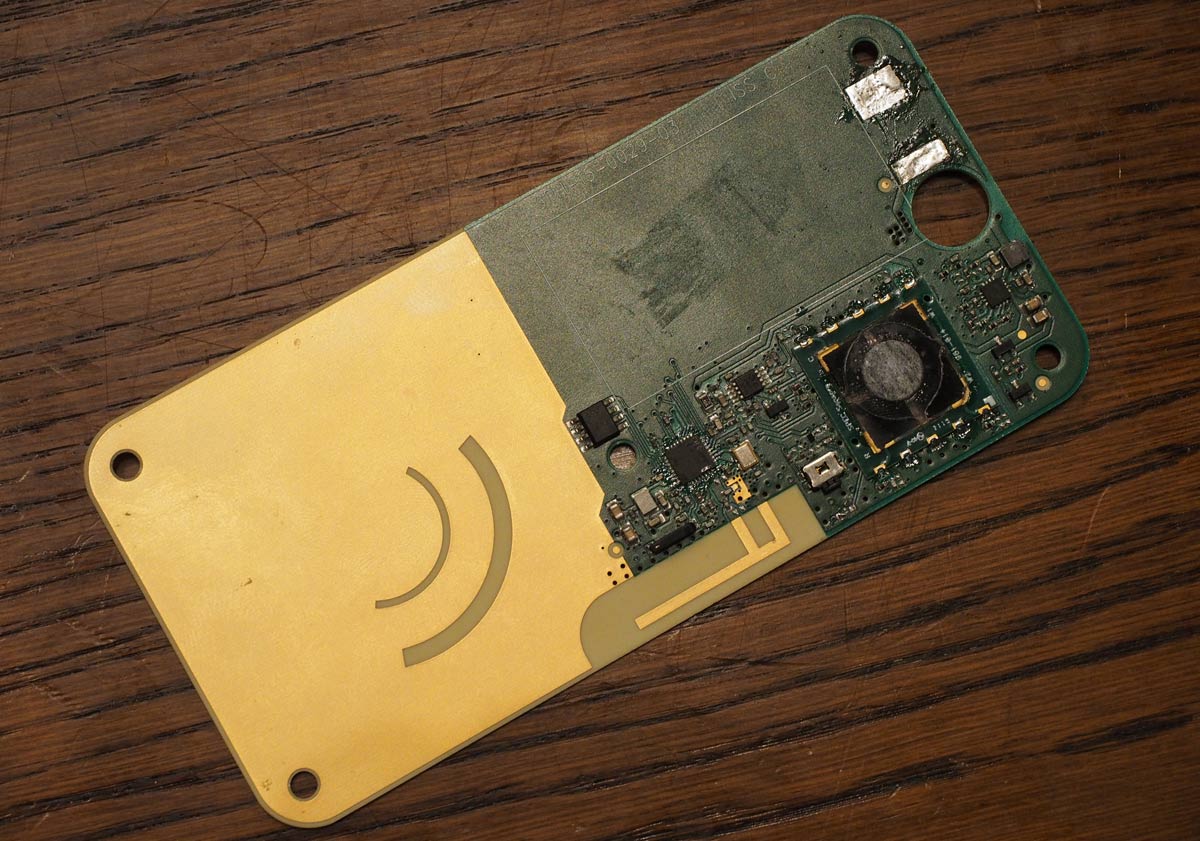
What you see pictured above may look unremarkable, but it has the potential to power a low energy device forever and at no cost. If that sounds like a big deal, well… that’s because it is. Drayson Technologies today announced Freevolt, a system that harvests energy from radio frequency (RF) signals bouncing around in the ether and turns it into usable, “perpetual power.” Drayson isn’t exactly a household name, but the research and development company has a particular interest in energy, especially where all-electric racing is concerned. And now it’s developed the first commercial technology that literally creates electricity out of thin air.
The Pearl Street Station, invented by Thomas Edison in 1882, is the first steam powered electrical distribution plant, and because of competition between him and George Westinghouse, the technology increased rapidly in the following years. By 194o middle class homes had a lot of the conveniences we have today, like refrigerators, air conditioning and telephones. Today, as the demand for renewable energy increases, we have to develop a new way store all of it, revolutionizing the use of batteries.
There are limitations to designing large scale parts when 3D printing. Detailed items take a long time to print, while small items are quick, but less detail. Autodesk has a solution that will decrease those limitations and revolutionize the industry with Project Escher.
Amazon’s delivery drone testing have brought up many questions about the logistics of how to handle these machines. Like where will they be deployed? How do you extend the range to places farther away, and how will cities adapt to a constant frenzy of drones buzzing around.
The robots revolution is here and they are taking many jobs away from humans. But not to worry, says Yoram Yaakobi, head of the Microsoft Israel R&D center.
“New technology will be bringing in as many jobs as the robots take, and then some. Some of the jobs that will be most in-demand jobs in a decade are jobs we have no conception of now. For example – big data deep divers.”
Some of the world’s largest automakers are collaborating to make life-saving automatic emergency braking technology standard on all new passenger cars. The Insurance Institute for Highway Safety believes this move will reduce the number of rear-end collisions in the United States by 40 percent.