Author: admin

Neuralink Goes Global: Elon Musk’s Brain Chip Heads to the UK for High-Stakes Human Trials

The future just got a UK passport.

In a bold expansion beyond U.S. borders, Neuralink—the brain-computer interface (BCI) startup founded by Elon Musk—has launched its first European clinical trial. The UK has become ground zero for testing the next phase of mind-controlled technology, as seven British patients with severe paralysis prepare to have a coin-sized chip implanted directly into their brains.

Let’s be clear: this isn’t a sci-fi plot. It’s happening now.

Working alongside the University College London Hospitals and Newcastle upon Tyne Hospitals, Neuralink is testing whether its N1 chip can allow paralyzed individuals to control digital devices with nothing but thought. Type an email? Open an app? Play a game? All without lifting a finger. For the right patient, this could be a leap from locked-in to logged-on.

Continue reading… “Neuralink Goes Global: Elon Musk’s Brain Chip Heads to the UK for High-Stakes Human Trials”

The Great Educational Awakening:Why Learning Must Become Earning

The most profound question facing humanity isn’t whether AI will change education—it’s whether we’ll have the courage to let it save us from an educational system that’s systematically failing millions while enriching a privileged few.

The Uncomfortable Truth We’re All Avoiding

Why do we persist with an educational model that transforms curious five-year-olds into debt-laden twenty-two-year-olds who can recite Shakespeare but can’t balance a budget, code a website, or solve real-world problems? Simon Sinek reminds us to start with why, so let’s ask the uncomfortable question: What if our entire approach to education is fundamentally backwards?

Continue reading… “The Great Educational Awakening:Why Learning Must Become Earning”

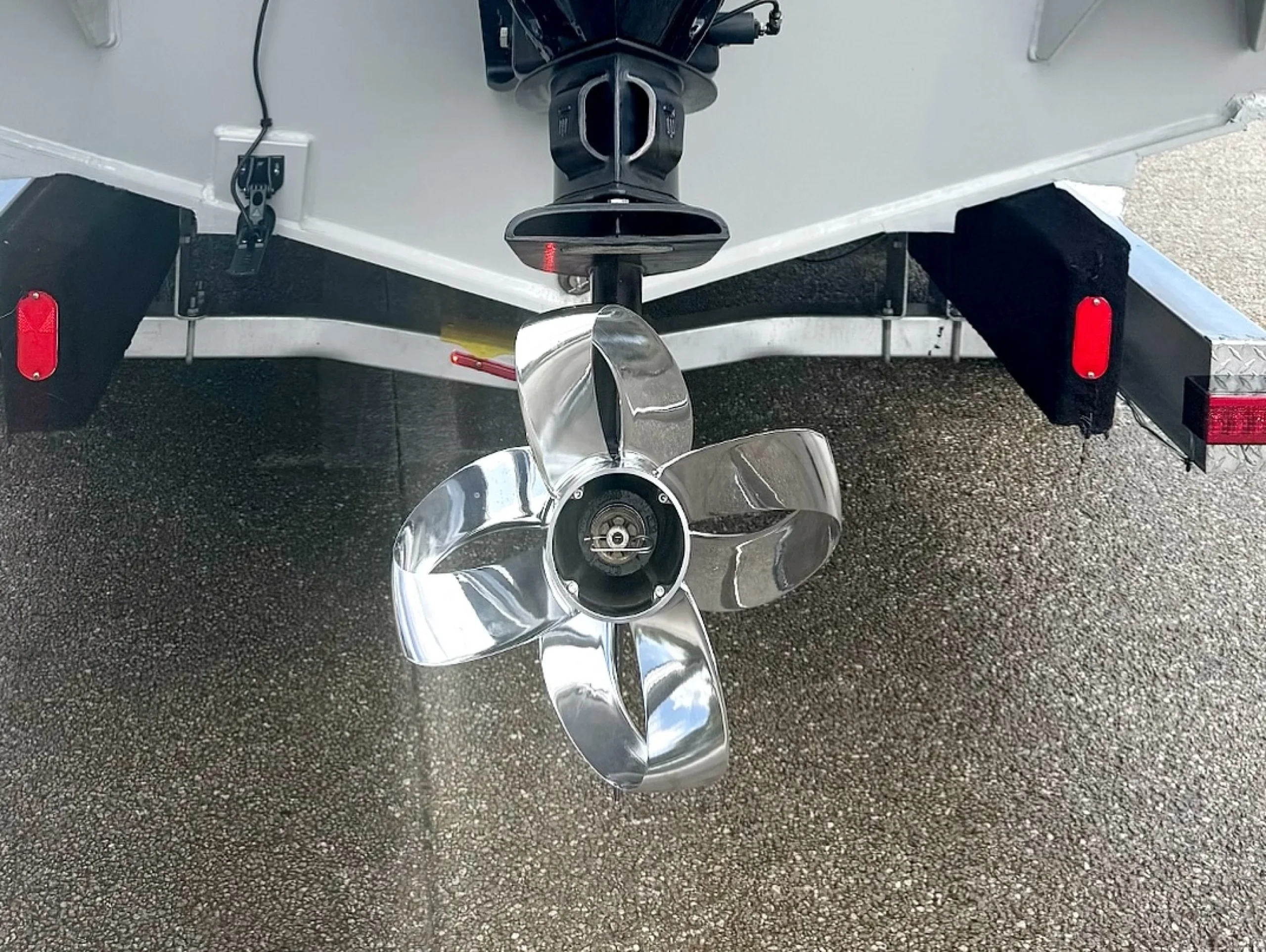
The Propeller Revolution Is Here—and It’s Loopy

Since the age of steamships, propellers haven’t changed much. Same basic shape. Same basic inefficiencies. Until now.

Enter Sharrow Engineering—a Detroit-based disruptor with a bold claim: they’ve reinvented the propeller. Not tweaked. Not optimized. Reinvented.

Their invention? A hypnotic, closed-loop design that looks more like modern art than marine hardware. But this loopy shape isn’t just for show—it eliminates the drag-inducing tip vortices that have plagued traditional propellers since the 1830s. The result? Up to 30% more fuel efficiency, drastically reduced noise and vibration, and handling so smooth it feels like piloting a completely different vessel.

Continue reading… “The Propeller Revolution Is Here—and It’s Loopy”

The Death of Middle Management and the Rise of the Mini-CEO

Everyone’s asking whether AI will kill their job.

Wrong question.

The real story isn’t about who gets replaced. It’s about who gets upgraded. Because AI isn’t just reshaping tasks—it’s obliterating the entire concept of traditional management.

Middle managers were never the stars. They were the routers. They translated executive direction downward and aggregated employee output upward. Necessary? Sure. But revolutionary? Never.

Continue reading… “The Death of Middle Management and the Rise of the Mini-CEO”

The Ground Beneath You Is Now a Battery—And It’s Already Working

For over a century, humanity has stored electricity by pumping water uphill and letting it flow back down. It’s a clever trick—but now we’re thinking deeper. Literally.

What if we could turn the Earth itself into a rechargeable battery?

That’s exactly what a Texas-based company called Quidnet is doing. Their new technology—Geomechanical Energy Storage (GES)—uses high-pressure water injections into layers of impermeable rock to store massive amounts of energy for months, with zero leakage.

Not hours. Not days. Months.

Continue reading… “The Ground Beneath You Is Now a Battery—And It’s Already Working”

They Bleed, Therefore They Live: Mini Organs Just Crossed the Threshold of Life

For years, mini organs—organoids—have been stuck in a paradox. We could grow them. We could watch them twitch, pulse, and mimic the basic behaviors of hearts, brains, livers, and lungs. But they couldn’t survive long enough to matter.

Why? Because they didn’t bleed.

Without blood vessels, these lab-grown miracles died from the inside out—hollow promise at the core. Now, two groundbreaking studies have rewritten that fate. Scientists have finally cracked the code to vascularize organoids, breathing life into what were once biological shadows.

Continue reading… “They Bleed, Therefore They Live: Mini Organs Just Crossed the Threshold of Life”

New Model Uncovers How Cellular Senescence Is Triggered and Reversed in Worms

Researchers have induced a senescent-like state in worms by modifying the activity of the transcription factor TFEB. Under normal conditions, worms experience regeneration and signs of rejuvenation after fasting followed by refeeding. However, when TFEB is absent, this recovery fails to occur. Instead, the worms’ stem cells enter a state that closely resembles cellular senescence.

This senescent condition is characterized by several hallmark features: DNA damage, enlarged nucleoli, elevated levels of mitochondrial reactive oxygen species (ROS), and activation of inflammatory signals—all traits commonly observed in aging mammalian cells.

Continue reading… “New Model Uncovers How Cellular Senescence Is Triggered and Reversed in Worms”

Artificial Lightning and Electrolysis: A Greener Path to Ammonia Production

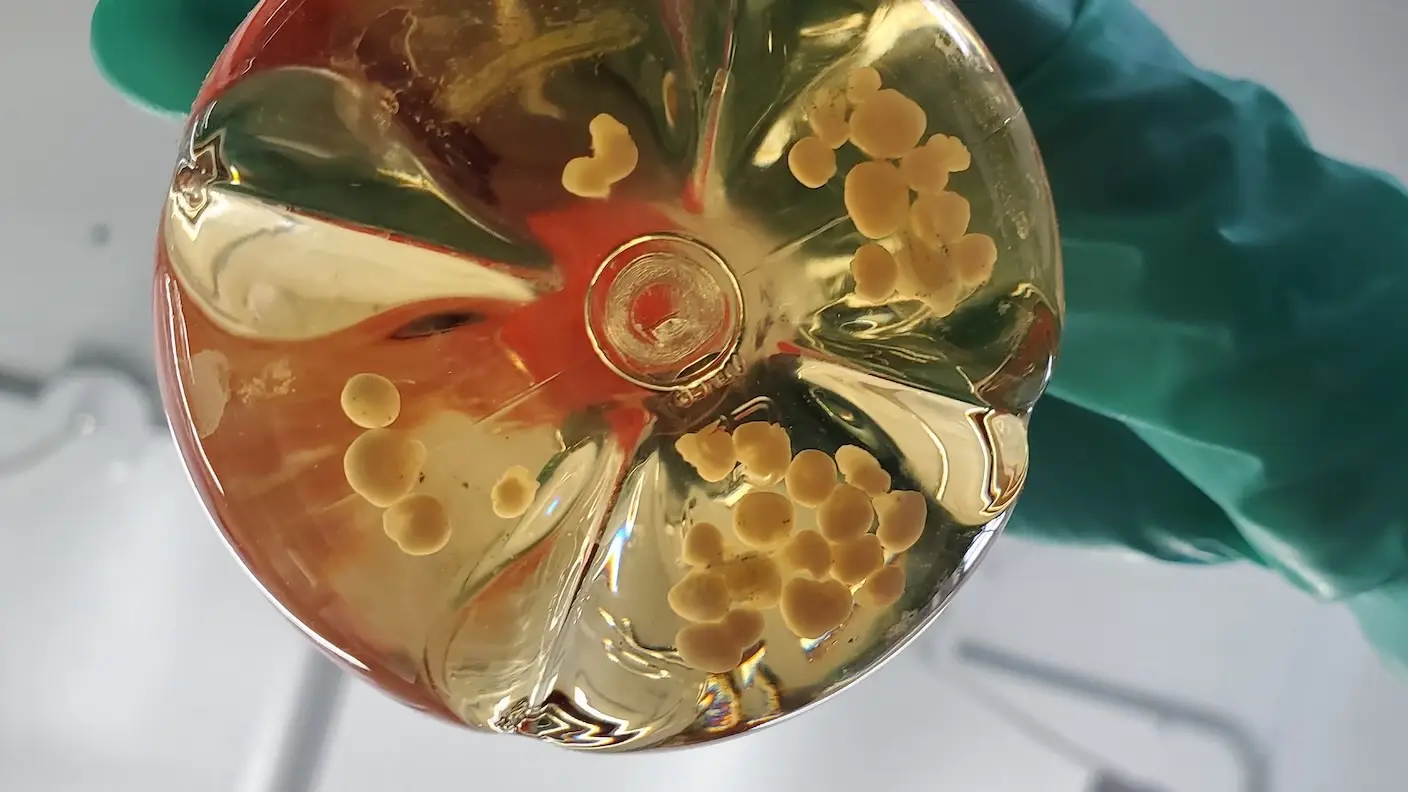
Researchers at the University of Sydney have developed a transformative method for producing ammonia using electricity and plasma—mimicking the effect of artificial lightning. This innovation offers a cleaner, decentralized alternative to the traditional Haber-Bosch process, which currently dominates global ammonia production but carries a heavy environmental cost.

Ammonia is a critical ingredient in fertilizers and plays a vital role in supporting nearly half of global food production. However, conventional ammonia production relies on high heat, high pressure, and fossil fuels, making it one of the most carbon-intensive industrial processes in existence.

Continue reading… “Artificial Lightning and Electrolysis: A Greener Path to Ammonia Production”

Breakthrough in Gentle Testing Unlocks Micro-LED Manufacturing Potential

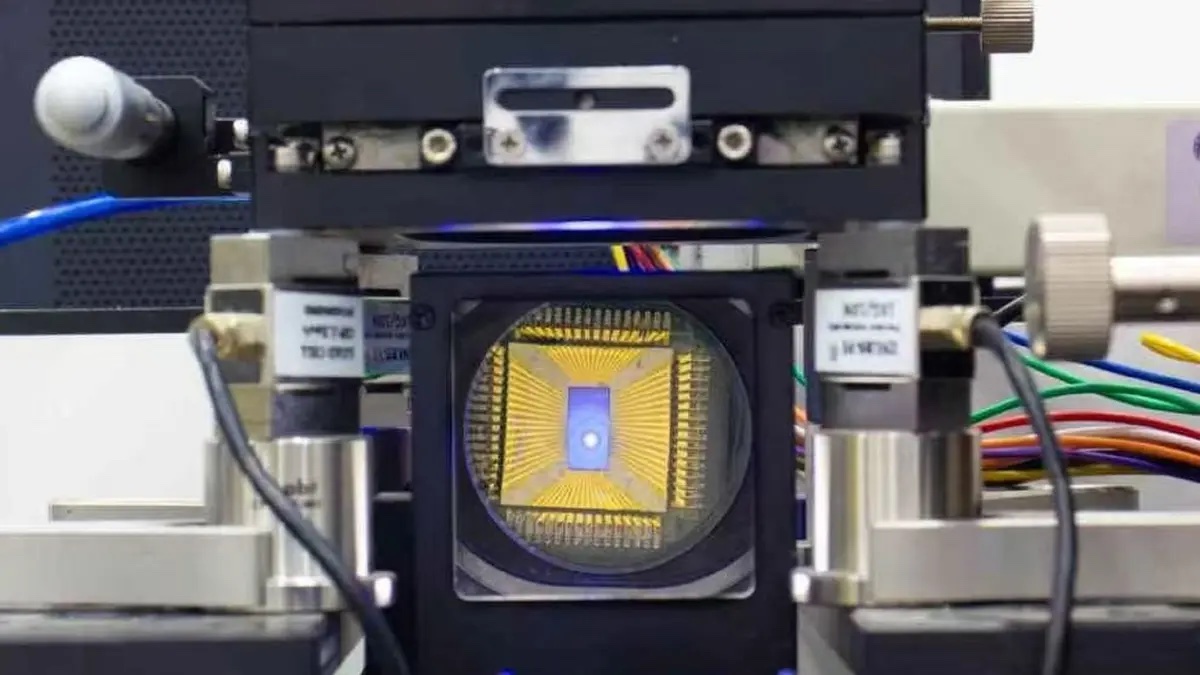
At Tianjin University, scientists have developed a revolutionary method to test micro-LED wafers without causing damage—solving a key obstacle that has long hindered the high-end display industry. Using just 0.9 megapascals of pressure, the team has introduced a soft-contact approach that offers a viable path to scaling up production of ultra-bright, energy-efficient screens for everything from luxury televisions to next-generation wearables.

Micro-LED technology holds immense promise, but commercial success hinges on achieving exceptionally high yields during wafer fabrication. Even minor defects in these tiny LED structures can degrade performance, increase costs, and delay production. As a result, rigorous quality testing is essential—but testing itself has been a persistent problem.

Continue reading… “Breakthrough in Gentle Testing Unlocks Micro-LED Manufacturing Potential”

China Successfully Tests First Fully 3D-Printed Turbojet Engine in Real Flight

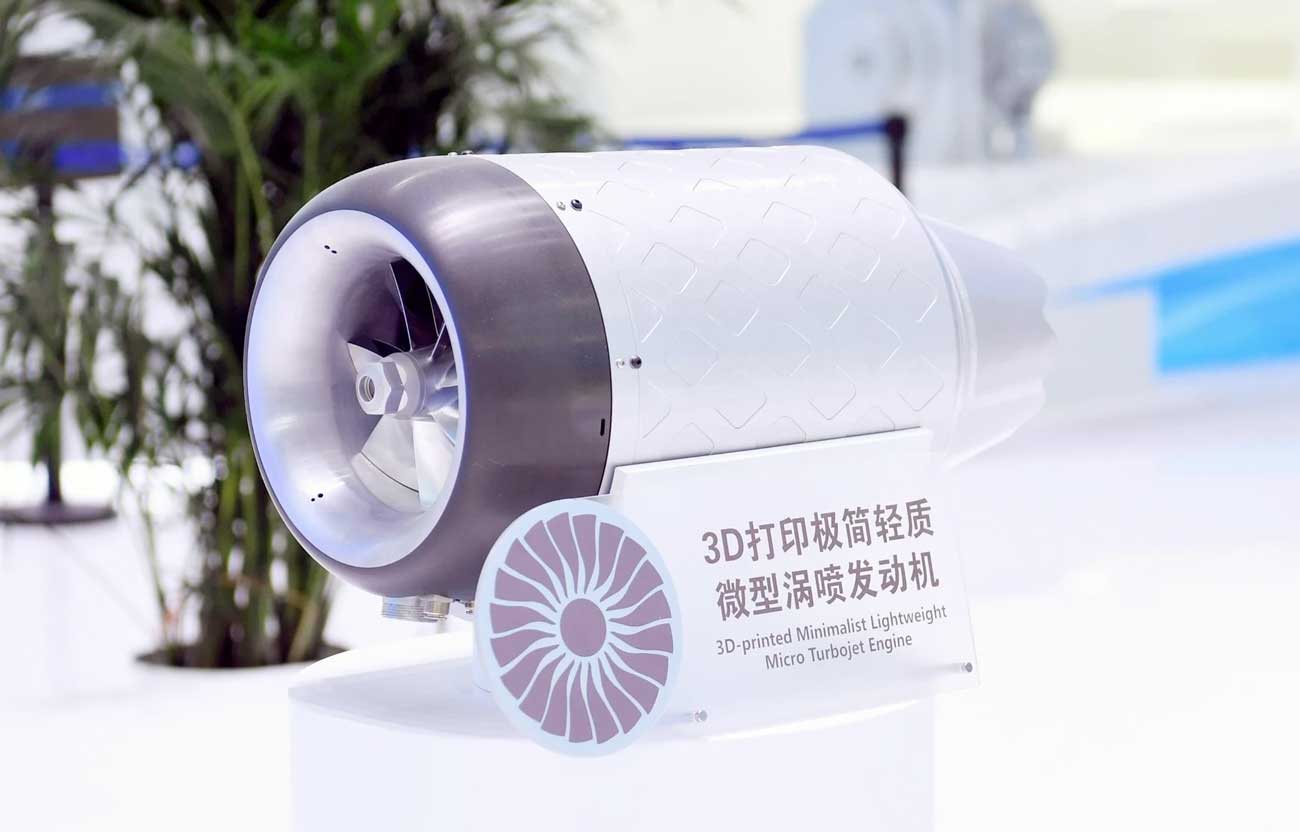
China has successfully completed a real-flight test of a fully 3D-printed miniature turbojet engine, marking a significant milestone in aerospace engineering. The flight took place in Inner Mongolia and reached an altitude of up to 4,000 meters. The engine, developed by the Aero Engine Corporation of China (AECC), is the first in the country to be entirely produced using additive manufacturing and to deliver a thrust of 160 kilograms.

This breakthrough was achieved through a combination of advanced multi-disciplinary topology optimization and 3D printing technology. The design process focused on reducing material in low-stress areas, which significantly reduced the engine’s weight without compromising strength or functionality.

Continue reading… “China Successfully Tests First Fully 3D-Printed Turbojet Engine in Real Flight”

New Multifunctional Nanomaterial Offers Breakthrough in Cancer Diagnosis, Treatment, and Immunotherapy

Researchers at the Korea Research Institute of Standards and Science (KRISS) have developed an advanced nanomaterial that simultaneously enables cancer diagnosis, treatment, and immune system activation—marking a major leap forward in nanotechnology-based cancer therapy. This multifunctional platform significantly improves treatment efficiency over traditional single-function nanomaterials and could serve as the foundation for next-generation cancer therapies.

The study, recently published in the Chemical Engineering Journal, highlights how the new material addresses limitations associated with conventional cancer treatments like surgery, chemotherapy, and radiation. These standard approaches often harm healthy tissues alongside cancerous cells, causing severe side effects. In contrast, nanomaterial-based therapies offer precision targeting, minimizing damage to surrounding healthy tissue while increasing overall treatment effectiveness.

Continue reading… “New Multifunctional Nanomaterial Offers Breakthrough in Cancer Diagnosis, Treatment, and Immunotherapy”

Can AI Read Between the Lines? A New Study Explores How Well Machines Detect Hidden Meanings in Text

When humans communicate through writing—whether by email, on social media, or in casual conversation—we often imply more than we say outright. Beneath the surface of our words lies latent meaning: subtext, emotion, intent, and even political bias. Traditionally, we rely on the reader to interpret this subtext. But what happens when the reader is not a person, but an artificial intelligence system?

As conversational AI becomes more advanced, researchers are beginning to explore whether these systems can grasp what’s left unsaid. The emerging field of latent content analysis focuses on uncovering deeper meanings and subtle cues in text, including emotional tone, sarcasm, and ideological leanings. This kind of analysis is important across many domains—from mental health and public safety to customer service and journalism.

Continue reading… “Can AI Read Between the Lines? A New Study Explores How Well Machines Detect Hidden Meanings in Text”
Discover the Hidden Patterns of Tomorrow with Futurist Thomas Frey
Unlock Your Potential, Ignite Your Success.

By delving into the futuring techniques of Futurist Thomas Frey, you’ll embark on an enlightening journey.

Learn More about this exciting program.