The Driverless Revolution Series Part 6: The Daily Life Revolution—How AVs Change Where We Live, Work, and Spend Time

By Futurist Thomas Frey

The Commute That Isn’t

It’s 2042. James lives in Boulder, Colorado. He works in downtown Denver—35 miles away.

Every morning at 6:30 AM, an autonomous vehicle arrives at his house. He gets in with his coffee, opens his laptop, and starts working. By the time he arrives at his office at 7:45 AM, he’s already answered emails, reviewed documents, and attended a virtual meeting.

His evening commute? Same thing. He leaves the office at 5:00 PM, works in the AV until 6:15 PM, then walks in his front door having completed a full workday plus 90 minutes of commute-time productivity.

His wife Sarah does something different. She sleeps during her morning commute—the AV picks her up at 7:00 AM, she naps for 45 minutes, and wakes up refreshed when the car announces arrival at her office at 7:45 AM. Evening commute? She reads novels. Watches shows. Catches up with friends via video chat. Her commute time is leisure time.

Their teenage daughter Emma takes an AV to high school. She does homework during the 20-minute ride.

Here’s what changed: The family moved from a small apartment near Denver to a large house in Boulder. Why? Because commute time stopped being wasted time. When you can work or sleep or read during your commute, distance matters less.

This is what autonomous vehicles do to daily life. They don’t just change transportation—they change where we live, how we work, when we travel, and what we do with our time.

Continue reading… “The Driverless Revolution Series Part 6: The Daily Life Revolution—How AVs Change Where We Live, Work, and Spend Time”
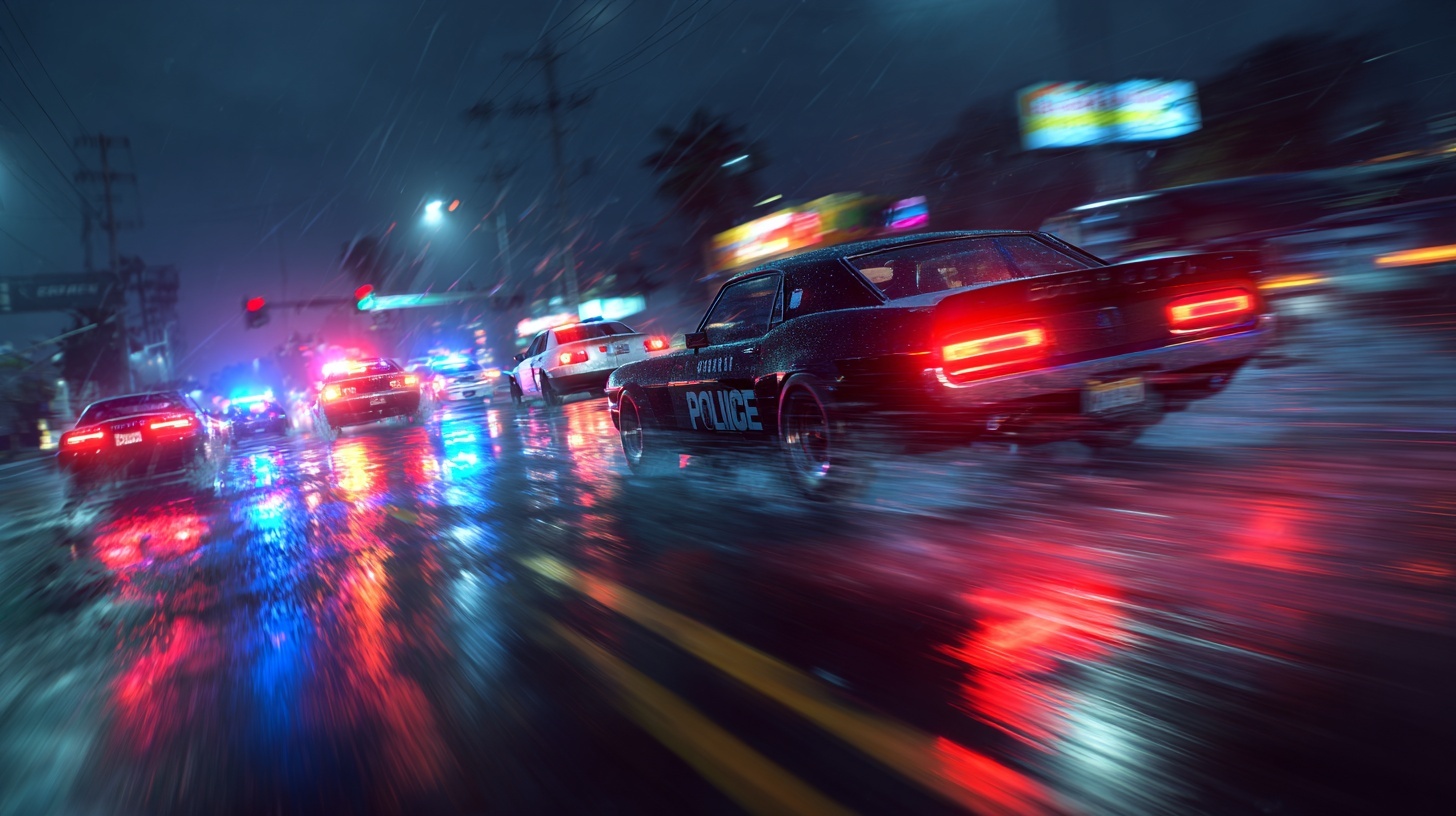
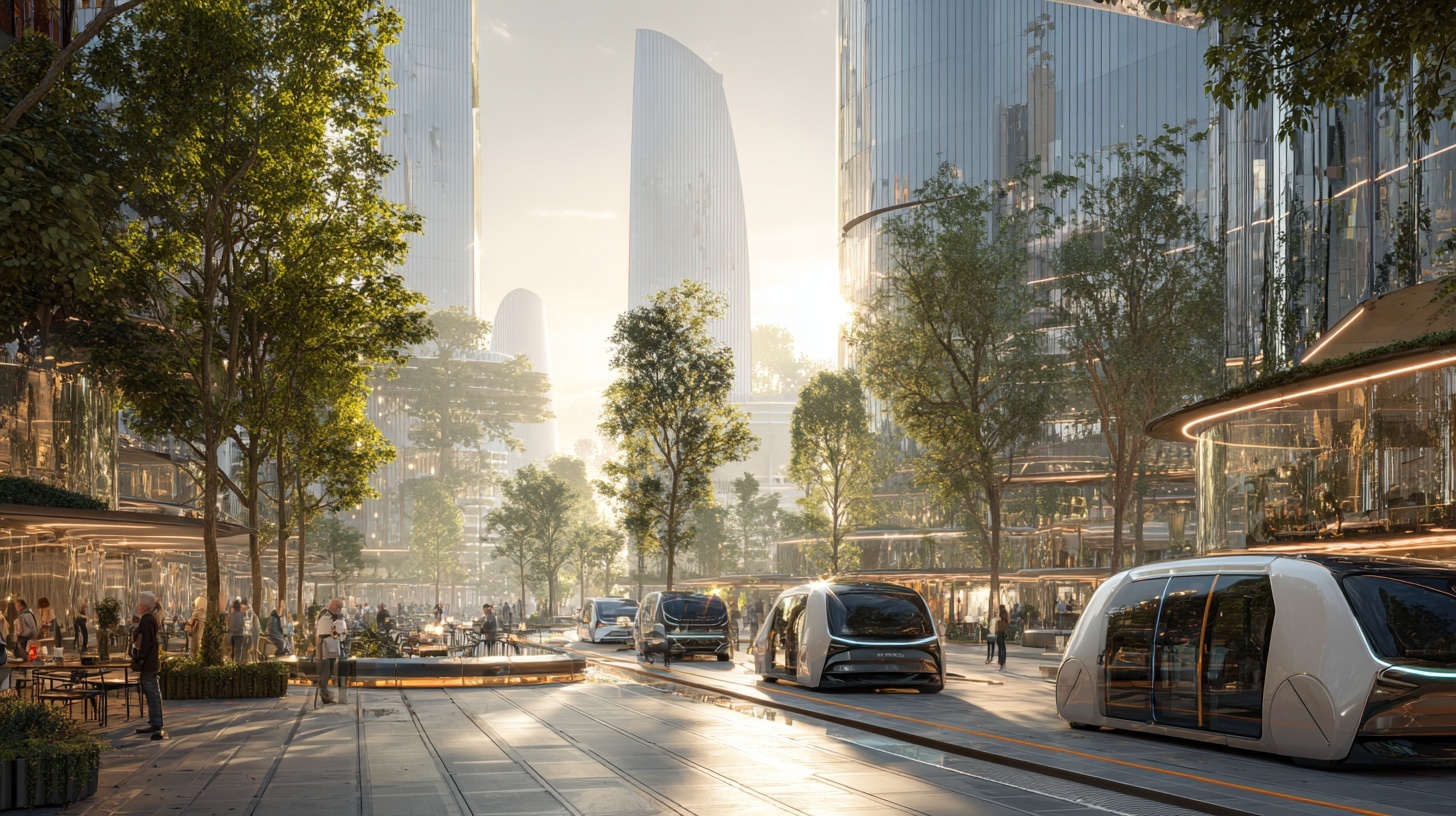
The Driverless Revolution Series Part 5: The End of Car Accident Deaths—When 40,000 Annual Fatalities Drop to Zero

By Futurist Thomas Frey

The Call That Never Comes

It’s 11:47 PM on a Friday night. Your 17-year-old son is out with friends. Your phone rings. Unknown number. Your heart stops.

Every parent knows this fear. The late-night call. The police officer on the other end. “There’s been an accident.”

In 2023, over 40,000 Americans died in traffic accidents. That’s 110 people every single day. It’s the leading cause of death for Americans aged 5-29. More than drugs. More than suicide. More than disease.

Every one of those deaths destroyed a family. Parents. Siblings. Children. Friends. Entire communities shattered by one moment of inattention, one patch of ice, one drunk driver, one mechanical failure.

By 2045, that fear largely disappears. The late-night call doesn’t come anymore. Your teenager drives—or rather, rides—in a vehicle that’s statistically safer than your living room.

Traffic deaths won’t drop to zero. There will still be occasional technical failures, edge cases the AI didn’t anticipate, residual human-driven vehicles causing crashes. But 95% of the carnage ends.

40,000 deaths become 2,000. 110 people dying daily becomes 5-6. A leading cause of death becomes a statistical rarity.

This is the most unambiguously good thing autonomous vehicles do. They save lives on a scale we can barely comprehend.

Continue reading… “The Driverless Revolution Series Part 5: The End of Car Accident Deaths—When 40,000 Annual Fatalities Drop to Zero”

The Driverless Revolution Series Part 1: The Infrastructure Apocalypse—What Happens to Parking Lots, Drive-Thrus, and Gas Stations

By Futurist Thomas Frey

The Most Valuable Land Nobody Wants

There’s a parking lot across from where my office used to be in downtown Denver. It’s an ugly scar of asphalt covering half a city block. On a good day, it generates maybe $30,000 a year in parking fees.

The land it sits on? Worth about $15 million.

That’s a 0.2% return on asset value. Possibly the worst-performing real estate investment in the entire city. And there are thousands just like it across America.

By 2040, that parking lot will be gone. So will virtually every parking lot in downtown Denver. And Seattle. And Austin. And every other American city.

They’ll be replaced by apartment buildings, offices, parks, restaurants—anything that actually generates value from expensive urban land.

This isn’t speculation. It’s inevitable math. Driverless cars don’t need to park near their destination. They drop you off and leave—returning home, picking up another passenger, or repositioning for the next ride. Parking becomes obsolete.

And parking is just the beginning. When autonomous vehicles arrive in the late 2020s and early 2030s, they’ll trigger the largest infrastructure transformation in American history. Everything designed around human drivers—parking lots, drive-thrus, gas stations, even traffic lights—becomes instantly obsolete.

The physical landscape of America is about to change more in 20 years than it has in the previous 70.

Continue reading… “The Driverless Revolution Series Part 1: The Infrastructure Apocalypse—What Happens to Parking Lots, Drive-Thrus, and Gas Stations”

The Unwritten Rules of Driverless Cars

By Futurist Thomas Frey

The driverless car is no longer science fiction—it’s here, humming quietly in test fleets, edging into city streets, and waiting for regulators to catch up. But while engineers have solved many of the mechanical and digital challenges, society hasn’t even begun to grapple with the social ones.

Here’s a simple but unsettling question: How young is too young to ride alone in a driverless car? Imagine a six-year-old, buckled into a fully autonomous pod at home, ferried ten minutes to school, and greeted by a waiting teacher at the other end. Is that safe? Is it ethical? Is it legal? And if ten minutes seems fine, what about thirty? What about an hour-long commute across town?

We don’t have answers yet—because the rules haven’t been written.

Continue reading… “The Unwritten Rules of Driverless Cars”

AI Roadside Guardians: How Australia’s LAARMA Tech Could End the Era of Roadkill

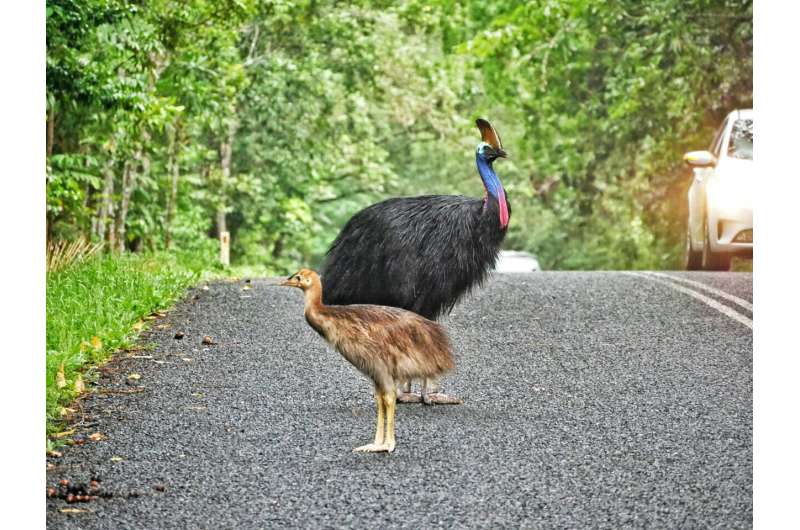
Every year, highways become killing fields—not just for humans, but for the animals whose habitats those highways slice apart. Fences can block some crossings, but they’re expensive, high-maintenance, and often just push the problem elsewhere. Now, Australian researchers believe they’ve found a smarter, faster, and more adaptable answer: AI that sees animals before you do—and warns you in real time.

Meet LAARMA—the Large Animal Activated Roadside Monitoring and Alert system. It’s an open-source, self-learning AI platform that uses sensors to detect large animals up to 200 meters away, in any weather, day or night. When a detection is made, roadside signs instantly flash a tailored warning to drivers, naming the animal and signaling urgency. The result? In a recent five-month trial in cassowary country, drivers slowed down by as much as 10%, with the system correctly spotting the birds 97% of the time.

Continue reading… “AI Roadside Guardians: How Australia’s LAARMA Tech Could End the Era of Roadkill”

Maserati Sets New Autonomous Speed Record at Kennedy Space Center

Maserati has just achieved a groundbreaking milestone in autonomous driving, setting a new speed record at the iconic Kennedy Space Center in Florida. The stunning MC20 supercar reached an impressive 197.7 mph with no driver behind the wheel, marking a major leap forward for autonomous technology.

This remarkable feat is the result of a collaboration between the Indy Autonomous Challenge (IAC) and Politecnico di Milano, Italy’s largest scientific and technological university. The partnership is pushing the boundaries of hardware, computing power, and artificial intelligence to explore the future of autonomous vehicles.

Continue reading… “Maserati Sets New Autonomous Speed Record at Kennedy Space Center”

Waymo’s Self-Driving Expansion Granted Approval Amid Safety Concerns

Waymo, the autonomous driving technology company, has received approval from California regulators to expand its self-driving robotaxis operations in select areas of Los Angeles and the Bay Area. The California Public Utilities Commission (CPUC) greenlit Waymo’s expansion plans, allowing its vehicles to navigate local roads and highways at speeds of up to 65mph in authorized zones. Despite this advancement, Waymo asserts that it will proceed with caution, emphasizing a careful and incremental approach to its expansion and clarifying that there are no immediate plans to extend service to highways.

This decision comes after a temporary halt on Waymo’s expansion last month, prompted by concerns raised by various San Francisco city agencies and advocacy groups regarding the safety of driverless vehicles. Recent incidents, including a Waymo car colliding with a bicyclist and a Cruise vehicle striking and dragging a pedestrian, have heightened scrutiny over autonomous vehicle safety.

Continue reading… “Waymo’s Self-Driving Expansion Granted Approval Amid Safety Concerns”

Xpeng Aeroht Unveils Futuristic Flying Car Concept at CES 2024

As someone who once reveled in the joy of playing with Transformers as a child, stumbling upon the Xpeng Aeroht booth at CES 2024 ignited a nostalgic and futuristic thrill. The booth showcased the Xpeng Aeroht supercar concept, which ingeniously transforms into a flying car with propellers emerging from the vehicle’s rear.

This Electric Vertical Take-Off and Landing (eVTOL) Flying Car is designed to offer “effortless navigation through congested areas and obstacles when conditions permit.” While the feasibility of such conditions may be subject to debate, the concept of soaring above traffic jams is undeniably appealing. Xpeng Aeroht, self-proclaimed as the largest flying car company in Asia, positions its eVTOL Flying Car as a solution for short-distance, low-altitude travel.

Continue reading… “Xpeng Aeroht Unveils Futuristic Flying Car Concept at CES 2024”

Waymo’s Autonomous Triumph: Data Reveals Remarkable Safety Performance of Waymo Driver

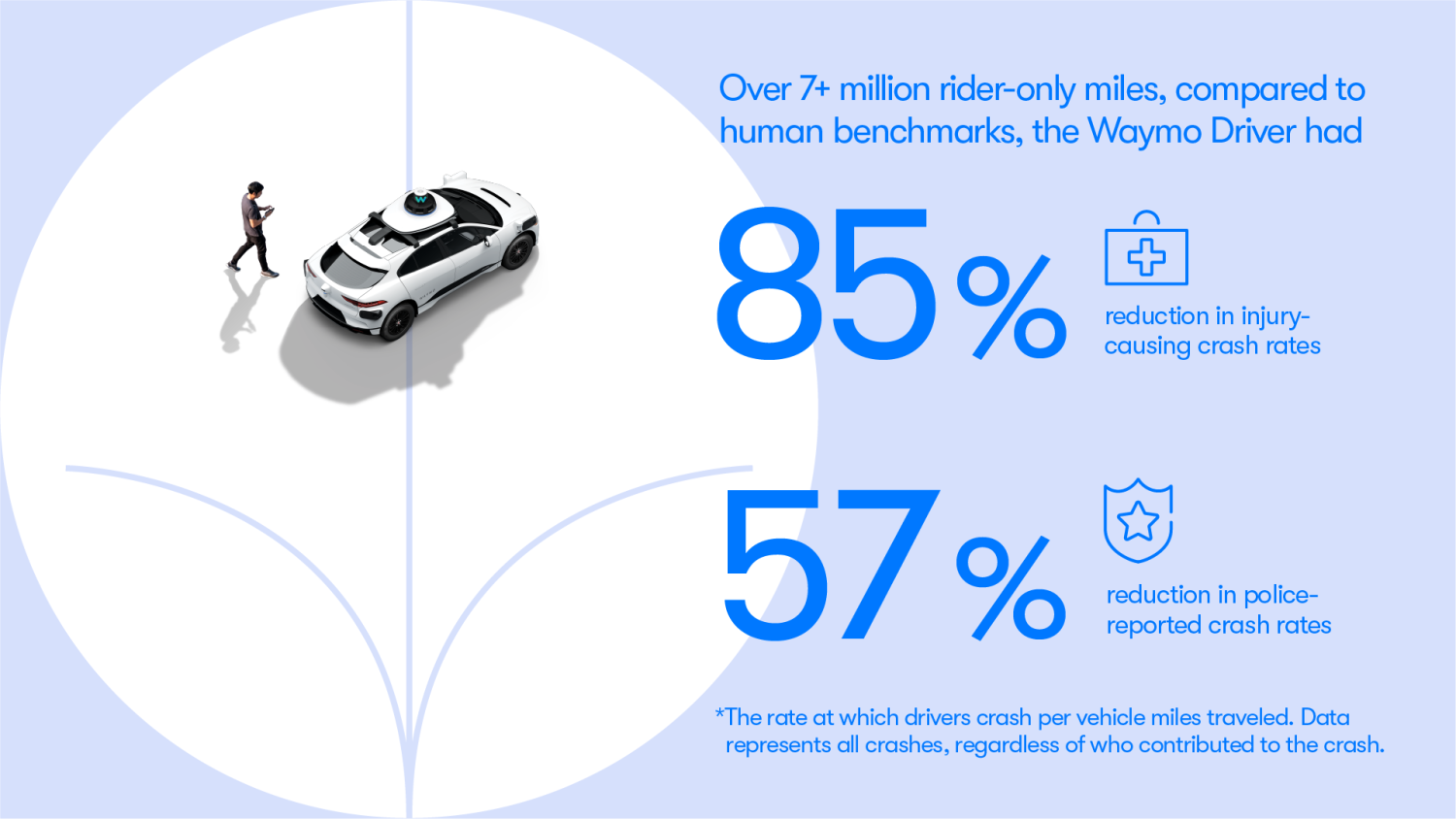
In a recent report, Waymo, the autonomous driving technology company, has asserted that its Waymo Driver self-driving vehicles exhibit a remarkable safety record, surpassing the performance of human drivers in terms of crashes and injuries.

Data Highlights Superior Safety Performance

According to Waymo’s data, its self-driving vehicles have achieved a substantial 57% reduction in crashes reported to the police and an even more significant 85% reduction in crashes resulting in bodily injury. The data is based on 7.14 million rider-only miles and is compared to benchmark human driver crash rates in the same areas, covering parts of San Francisco, Phoenix, and Los Angeles.

Continue reading… “Waymo’s Autonomous Triumph: Data Reveals Remarkable Safety Performance of Waymo Driver”

Mercedes Innovates with Drive Pilot: A Closer Look at Autonomous Driving Advancements

In a significant leap forward, Mercedes introduces the Drive Pilot, redefining the landscape of autonomous driving. Unlike other driving assistance systems, such as Tesla’s Full Self Driving and General Motor’s Super Cruise, Mercedes’ Drive Pilot allows drivers the unique advantage of taking their eyes off the road continuously, engaging in activities like surfing the Internet or playing games on the car’s center screen.

Unprecedented Autonomy

While traditional systems necessitate constant driver attention, the Drive Pilot employs sensors to ensure wakefulness, granting drivers the freedom to divert their attention until the system alerts them to resume control, especially in situations like changing traffic speeds.

Continue reading… “Mercedes Innovates with Drive Pilot: A Closer Look at Autonomous Driving Advancements”

Revolutionary Self-Healing Lens Material Boosts Safety of Autonomous Driving Technology

Autonomous driving technology heavily relies on sensors to gather essential data for safe vehicle navigation. However, when these sensors develop scratches that hinder their performance, it raises concerns regarding the safety of self-driving cars. Addressing this predicament, researchers at the Korea Research Institute of Chemical Technology have introduced a groundbreaking self-healing lens material that can effectively mitigate the safety risks associated with damaged sensors.

The research team emphasized the recurring occurrence of traffic accidents caused by recognition and malfunctions of vision systems, such as LiDAR sensors and image sensors in self-driving cars. As a result, confidence in the safety of autonomous vehicles has remained relatively low. In response to this challenge, the team developed a transparent lens material capable of restoring scratches on sensor surfaces, thereby preventing signal distortion and prolonging the product’s lifespan.

Continue reading… “Revolutionary Self-Healing Lens Material Boosts Safety of Autonomous Driving Technology”

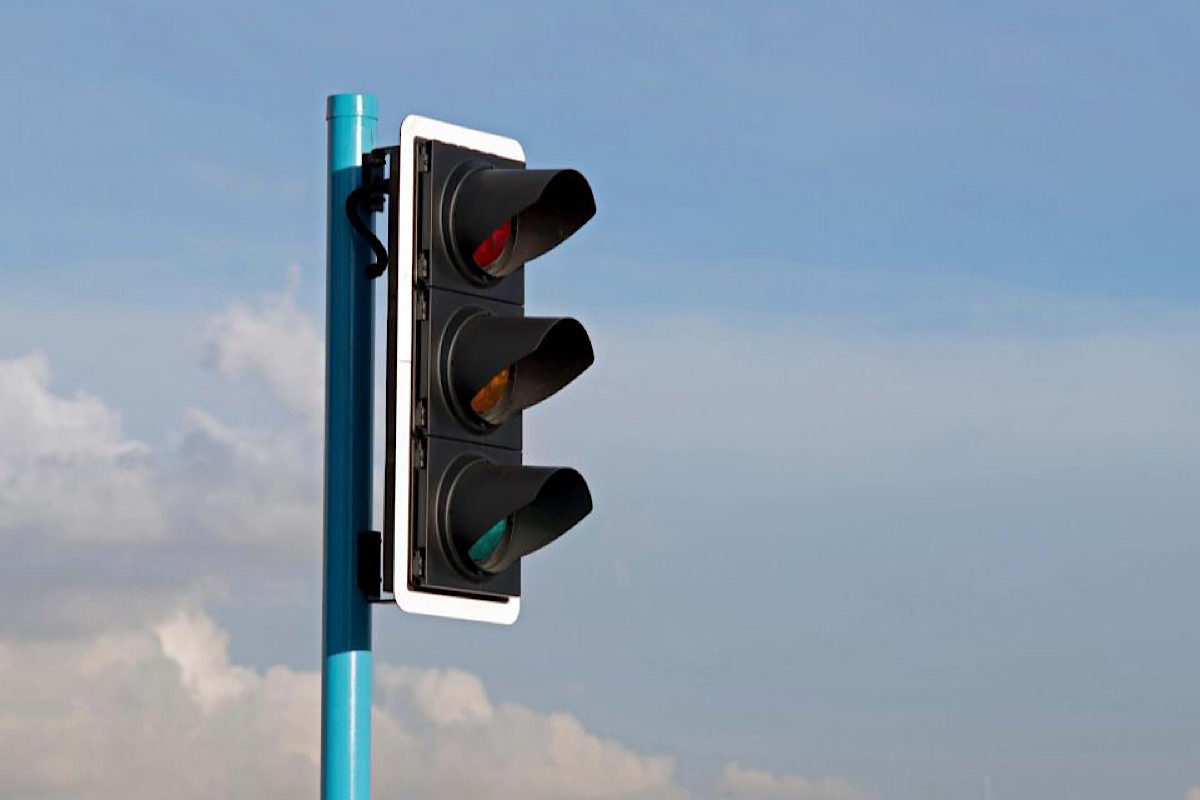
Self-driving cars could make traffic lights obsolete in 20 years – engineer

Traffic lights could become obsolete in 20 years, an engineer supporting a groundbreaking self-driving cars trial said.

According to an engineer, self-driving cars could render traffic lights obsolete in the next 20 years. Mr. John Miles, a professor of engineering at the University of Cambridge, said that the “autonomous vehicles will need fewer rules than cars driven by humans”. In an interview with The Times, he stated, “A future without traffic lights is feasible as autonomous vehicles become more prevalent and connected.”

Mr. Miles further elaborated on the benefits of such a future, saying that it would lead to fewer accidents and better traffic flow. He also stated that the current system of traffic lights is outdated and that “it’s time for a change”.

However, not everyone is convinced that this is the way forward. Mr. Greg Wilson, a former Formula One engineer, said that the idea of getting rid of traffic lights was “absurd”. He stated that even if self-driving cars become more prevalent, there will still be a need for some form of regulation at junctions and roundabouts.

Continue reading… “Self-driving cars could make traffic lights obsolete in 20 years – engineer”
Discover the Hidden Patterns of Tomorrow with Futurist Thomas Frey
Unlock Your Potential, Ignite Your Success.

By delving into the futuring techniques of Futurist Thomas Frey, you’ll embark on an enlightening journey.

Learn More about this exciting program.