Artificial Photosynthesis: A Crucial Step for Sustainable Space Exploration

Photosynthesis, an ancient process dating back 2.3 billion years, has played a vital role in supporting life on Earth. This remarkable yet still partially understood reaction enables organisms to convert sunlight, water, and carbon dioxide into oxygen and energy in the form of sugar. While photosynthesis is often taken for granted on our planet, its rarity and value become evident as we venture beyond Earth. Recent advancements in artificial photosynthesis offer promising possibilities for space exploration and colonization, as explored in a new study published in Nature Communications.

The challenge of space travel lies in the human need for oxygen. Limited fuel capacity restricts the amount of oxygen that can be carried, particularly for long-duration journeys to destinations like the moon and Mars. Trips to Mars typically span around two years, making it impractical to transport sufficient resources from Earth. Oxygen production through carbon dioxide recycling is already accomplished on the International Space Station (ISS) using a process called electrolysis, which employs electricity from solar panels to split water into hydrogen and oxygen gases. Additionally, a separate system converts exhaled carbon dioxide into water and methane.

Continue reading… “Artificial Photosynthesis: A Crucial Step for Sustainable Space Exploration”

Promising Synthetic Heart Valve Developed for Growing Children

Researchers at Harvard’s Wass Institute and John A. Paulson School of Engineering and Applied Sciences (SEAS) have made significant progress in developing a synthetic heart valve with potential applications for growing children. Known as FibraValve, this implant can be created in a matter of minutes using a spun-fiber technique that enables the shaping of the valve’s delicate flaps at a microscopic level. The valve is designed to be colonized by the patient’s own living cells, allowing it to develop and grow as the child matures.

FibraValve builds upon the team’s previous creation, JetValve, an artificial heart valve introduced in 2017 that shared similar principles. The updated version incorporates “focused rotary jet spinning,” which utilizes streams of focused air to more rapidly and precisely collect synthetic fibers on a spinning mandrel. This enhancement facilitates finer adjustments to the valve’s shape, enabling the polymer’s micro- and nano-fibers to more accurately mimic the tissue structure of a natural heart valve. The entire manufacturing process can be completed in less than 10 minutes, in contrast to alternative methods that may take hours.

Continue reading… “Promising Synthetic Heart Valve Developed for Growing Children”

Language Disparity Online: Dominance of English Raises Concerns for Linguistic Diversity

The internet has become a global phenomenon, connecting over 5 billion people worldwide, representing approximately 63% of the global population. With such diverse users, speaking thousands of languages, one would expect a multitude of languages to be represented online. However, an analysis by web-scanning firm W3Techs reveals significant discrepancies in language representation on the web. While English dominates as the primary language for over half of all websites, languages like Chinese and Hindi, spoken by billions of people, have minimal online presence.

W3Techs specializes in tracking programming languages used on the internet and categorizes publicly accessible domains accordingly. By comparing their data with language usage statistics from Ethnologue, a renowned authority on global languages, it becomes evident that certain languages are grossly overrepresented while others are virtually absent online. English, German, and Japanese enjoy a much larger share of the internet than their native speakers represent. Conversely, languages outside the European realm struggle to establish a meaningful presence online.

Continue reading… “Language Disparity Online: Dominance of English Raises Concerns for Linguistic Diversity”

Accelerating Wound Healing: 3D-Printed Ink Unleashes Immune System Vesicles

Researchers have made a significant breakthrough in wound healing by developing a specialized ink that actively promotes the body’s healing process. Published in ACS Applied Materials & Interfaces, the study introduces a wound-healing ink that exposes cuts to immune-system vesicles, stimulating the body’s natural healing response. Using a 3D-printing pen, the ink can be applied to wounds of any shape, and in experiments on mice, it demonstrated the ability to nearly completely repair wounds in just 12 days.

When the skin is injured, the body initiates its natural healing mechanisms, involving the clearance of bacteria, regeneration of blood vessels, and eventual formation of a scar. While various techniques support the body’s healing process, they typically complement its inherent abilities. Bandages and stitches control bleeding, while antibiotics prevent infections. However, by incorporating elements that actively aid the body’s construction crew in wound healing, the process could be accelerated.

Continue reading… “Accelerating Wound Healing: 3D-Printed Ink Unleashes Immune System Vesicles”

Caltech Achieves Groundbreaking Space-Based Solar Power Transmission

The California Institute of Technology (Caltech) has made a remarkable breakthrough in the field of space-based power by successfully beaming solar power from space to Earth without the need for any physical wires—a significant milestone, according to reports.

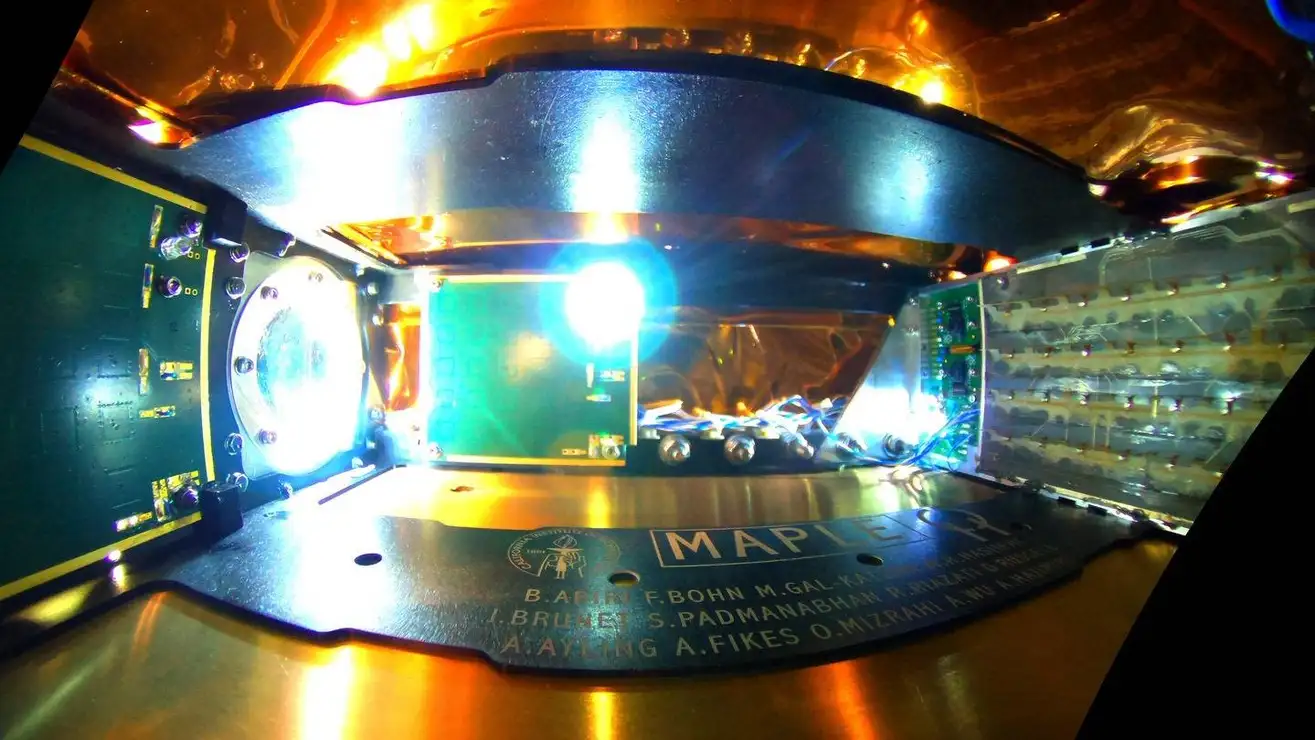
This groundbreaking experiment is part of Caltech’s Space Solar Power Project, and the institute recently announced the successful transmission through a press release. Researchers accomplished the power transfer using the Microwave Array for Power-transfer Low-orbit Experiment (MAPLE), a small prototype deployed aboard the in-orbit Space Solar Power Demonstrator (SSPD-1) launched in January. The team achieved a significant feat by transmitting solar power collected in space using microwaves to a receiver on the rooftop of Gordon and Betty Moore Laboratory of Engineering on Caltech’s campus in Pasadena.

Co-director of the Space Solar Power Project, Ali Hajimiri, expressed excitement about the results, stating, “Through the experiments we have run so far, we received confirmation that MAPLE can transmit power successfully to receivers in space. We have also been able to program the array to direct its energy toward Earth, which we detected here at Caltech. We had, of course, tested it on Earth, but now we know that it can survive the trip to space and operate there.”

Continue reading… “Caltech Achieves Groundbreaking Space-Based Solar Power Transmission”

LUX: Yale University’s Powerful Research Tool Unveils Infinite Connections

Yale University introduces LUX, a free and innovative research tool designed to lead users down a captivating rabbit hole of infinite connections surrounding their subjects of interest. Serving as a central hub, LUX offers access to a vast collection of 17 million searchable objects from Yale’s museums, archives, and libraries. While traditional search engines typically provide links to external sites, LUX goes beyond mere hits by establishing relationships between the searched object and other relevant items in the collection, revealing obscure connections.

Working in a manner akin to a search engine, LUX uncovers a wealth of information beyond the objects themselves. For instance, when searching for a specific artwork, LUX surfaces works from the same artist, pieces created during the same era or in the same location, as well as related art, books, and more. In the past, users had to visit multiple venues or conduct separate Google searches to piece together these resources. LUX consolidates these diverse elements into a single platform, simplifying research endeavors.

Continue reading… “LUX: Yale University’s Powerful Research Tool Unveils Infinite Connections”

Paragraphica: A Revolutionary Camera Powered by AI and Textual Prompts

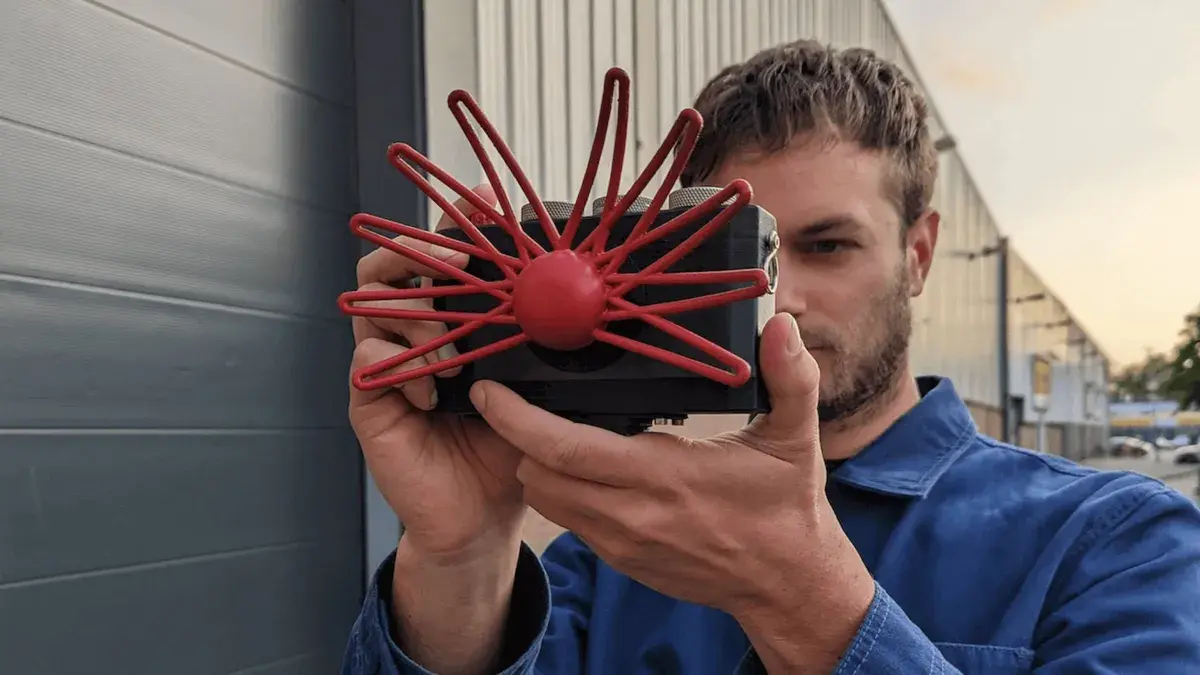
In a remarkable development, a new camera has emerged in the market that captures photos using only location data and textual prompts fed into its artificial intelligence (AI) system. This groundbreaking camera, known as “Paragraphica,” relies solely on information to generate AI-created images, without the need for a lens. Designer Bjørn Karmann from the Netherlands unveiled this passion art project through a tweet, revealing a fully functional prototype equipped with physical dials reminiscent of an analog camera.

Similar to traditional cameras, Paragraphica features three dials that control the data and AI parameters influencing the appearance of the resulting photo. The first dial allows users to set the radius within which the camera searches for surrounding places and data. The second dial adjusts the level of noise in the picture, while the third dial determines how closely the camera follows the user’s textual instructions and prompts.

Continue reading… “Paragraphica: A Revolutionary Camera Powered by AI and Textual Prompts”

Promising Advances in Treating Aggressive Breast Cancer: Differentiation Therapy Shows Potential

Cancer is a complex disease characterized by uncontrolled cell growth and the ability to spread throughout the body. One unique feature of cancer cells is their adaptability and resistance to treatment. In a groundbreaking study published in the journal Oncogene, Professor Mohamed Bentires-Alj and his research team have made significant strides in the treatment of triple negative breast cancer, an aggressive form of carcinoma.

The researchers from the University of Basel and the University Hospital Basel explored the potential of differentiation therapy, a strategy previously successful in treating blood-borne cancers, but not yet applied to solid tumors. Differentiation involves transforming cancer cells into less harmful cells that cease their uncontrolled growth.

Continue reading… “Promising Advances in Treating Aggressive Breast Cancer: Differentiation Therapy Shows Potential”

Managing the Transition: Balancing Risks and Returns in Personalized Medicine

Personalized medicine has emerged as a significant breakthrough in medical research, offering tailored treatments based on an individual’s genetic information. This approach has gained immense importance for patients, doctors, and pharmaceutical firms alike. However, a recent study by Professor Saurabh Mishra from George Mason University School of Business raises concerns about the potential diminishing returns for companies heavily invested in personalized medicine.

Analyzing data from 149 firms between 2007 and 2017, Mishra’s research found that the optimal representation of personalized medicine within a pharmaceutical company’s portfolio was around 30%. Companies with a significantly higher or lower proportion faced penalties in the financial markets, experiencing lower returns and higher risks on their investments.

Continue reading… “Managing the Transition: Balancing Risks and Returns in Personalized Medicine”

Chapea: Testing the Psychological Challenges of a Simulated Mars Mission

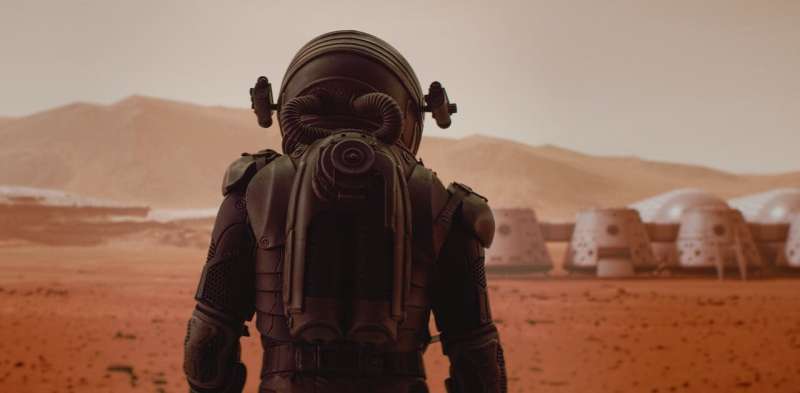
On June 25, 2023, a team of four crew members will embark on a groundbreaking Mars mission, but with a unique twist—they won’t actually leave Earth. Instead, they will spend an entire year living in a small 3D-printed habitat within a hangar at NASA’s Johnson Space Center in Houston. This simulated Martian environment, known as Chapea (Crew Health and Performance Exploration Analog), aims to examine the psychological and social challenges that future astronauts may face when venturing to the Red Planet.

The isolated and harsh conditions of Mars pose formidable obstacles for early visitors, making it crucial to understand how to ensure the well-being and productivity of the crew. Lessons learned from this social experiment could help NASA devise strategies to enhance crew comfort, foster positive interpersonal dynamics, and address issues such as loneliness and homesickness. The mission’s biomedical researcher and commander, Kelly Haston, acknowledges the difficulty of the undertaking, emphasizing the importance of completing the year without any attrition. Unlike this simulated mission, actual Mars missions will offer no exit option.

Continue reading… “Chapea: Testing the Psychological Challenges of a Simulated Mars Mission”

The Complex Challenge of Sourcing Rare Earth Metals for Electric Vehicles

The transition to electric vehicles (EVs) marks the future of the automobile industry, driven by a shift towards emissions-free transportation. However, one significant challenge in this EV revolution is sourcing the rare earth metals needed for the magnetic motors powering these vehicles. The financial and political implications of obtaining these metals pose a considerable obstacle.

Neodymium, for instance, when combined with elements like iron and boron, creates a magnetic field crucial for the efficient operation of EV motors. Tesla, a prominent player in the EV market, recently announced its intention to develop a motor that eliminates the use of rare earth metals. While earlier Tesla models employed AC induction motors that did not require these metals, the introduction of the Model 3 with its always-on magnetic motor changed the scenario. Despite reducing the need for rare earth metals by 25% since 2017, the Model Y still relies on approximately 520 grams of these materials.

Continue reading… “The Complex Challenge of Sourcing Rare Earth Metals for Electric Vehicles”

Expedia CTO Rathi Murthy Envisions AI-Powered Transformation to Revolutionize Online Travel

Expedia, the online travel service with a vast network and a multitude of data, is embracing a two-pronged transformation strategy fueled by artificial intelligence (AI) and extensive data expertise. CTO Rathi Murthy believes that the combination of AI and the company’s wealth of data will enable Expedia to drive growth by bringing more of the travel industry online.

With top brands like Travelocity, VRBO, Hotels.com, Orbitz, Trivago, Wotif, and CarRentals.com, Expedia possesses a treasure trove of data. Stored on its AWS cloud, this amounts to a staggering 70 petabytes of traveler information. Murthy emphasizes the central role of data in Expedia’s operations, serving as the foundation for driving personalized experiences for their vast ecosystem of 168 million loyalty members and 50,000 business partners.

Continue reading… “Expedia CTO Rathi Murthy Envisions AI-Powered Transformation to Revolutionize Online Travel”
Discover the Hidden Patterns of Tomorrow with Futurist Thomas Frey
Unlock Your Potential, Ignite Your Success.

By delving into the futuring techniques of Futurist Thomas Frey, you’ll embark on an enlightening journey.

Learn More about this exciting program.