The Real-World Metaverse belongs in the automotive cockpit

Maybe this is what the Metaverse would look like.

Chen-Ping Yu explores potential use cases of the ‘Real-world Metaverse’ in the vehicle cockpit as well as the tech that’s still missing to make it a reality.

“Metaverse” is one of the hottest topics these days, spearheaded by Meta Platforms Inc. (then Facebook) riding on the successes of its Oculus virtual reality (VR) headset. While the Metaverse is intimately related to VR, there is also the real-world version of Metaverse that has been generating quite a bit of excitement recently. Here we’ll explore the importance of the Real-World Metaverse, a critical technology that it needs but has been largely overlooked, and how automotive is an optimal platform to deploy the Real-World Metaverse.

Continue reading… “The Real-World Metaverse belongs in the automotive cockpit”
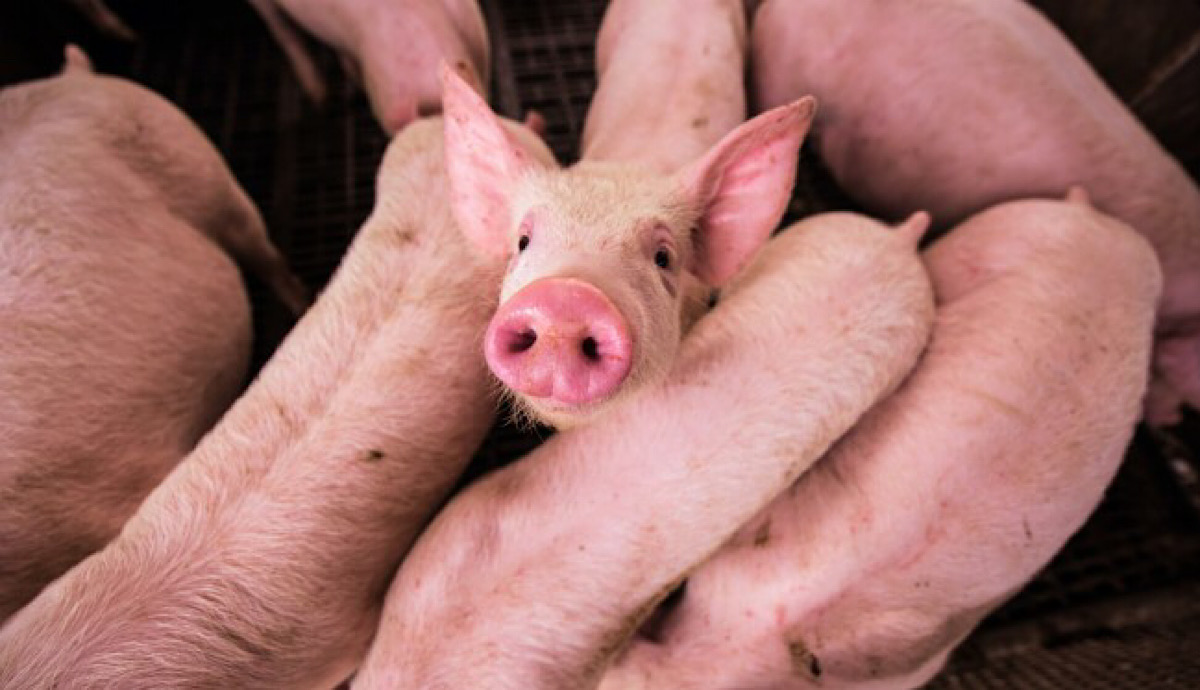
Farmers May Soon Be Able to Talk to Pigs Using A Breakthrough AI That Interprets Their Grunts and Oinks to Improve Animal Wellbeing

Farmers May Soon Be Able to Talk to Pigs Using A Breakthrough AI to Help Improve Animal Wellbeing

By Margaret Davis

Researchers from the University of Copenhagen, the ETH Zurich, and the National Research Institute for Agriculture, Food, and Environment (INRAE) in France said they finally found a way of decoding the emotions of pigs using acoustic recordings of pig grunts from when they were born until they died in a recent study.

According to MailOnline, the novel algorithm could be used to understand the emotions of pigs and other mammals to monitor their wellbeing and improve their mental health. Study co-author Associate Professor Elodie Briefer from the Department of Biology of the University of Copenhagen said their study demonstrates how animal sounds mirror their emotions.

Continue reading… “Farmers May Soon Be Able to Talk to Pigs Using A Breakthrough AI That Interprets Their Grunts and Oinks to Improve Animal Wellbeing”

A New System Has Been Designed That Can Destroy Dangerous Asteroids Approaching Earth Within Hours

By Daniel Kucher

A new system has been designed that can protect our planet from asteroids. With the new system, it was claimed that asteroids could be destroyed in just days or even hours depending on their size.

Asteroids have the potential to wipe out all life on Earth and even destroy the planet, just like the dinosaurs 65 million years ago. Fortunately, however, technology and science have advanced a lot since the dinosaurs were wiped out millions of years ago.

We now have technologies that scan the sky to detect potentially dangerous asteroids for Earth. Of course, it’s not just about detecting asteroids: As those of you who watched the movie Don’t Look Up will remember, if we were to detect an asteroid on a collision course with our planet, we probably wouldn’t have enough time to respond to it. That’s why NASA is conducting research for a defense system that can destroy an asteroid that could destroy the Earth days or weeks before.

Continue reading… “A New System Has Been Designed That Can Destroy Dangerous Asteroids Approaching Earth Within Hours”

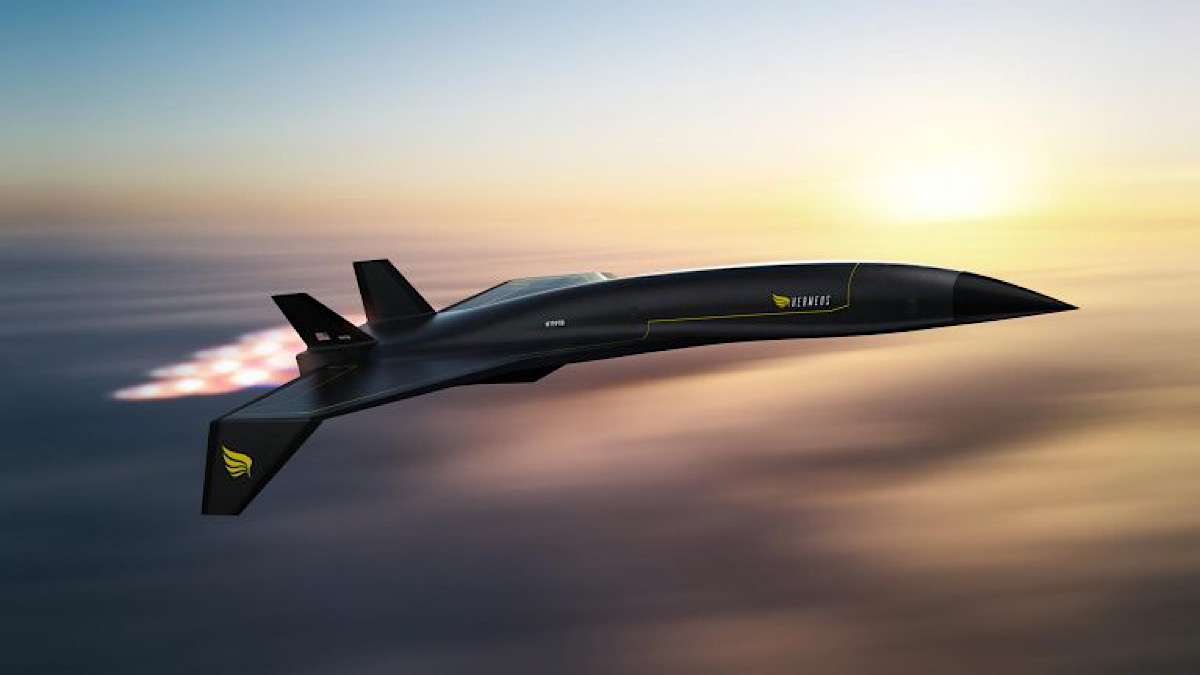
Next Gen 3D Printed Catalysts To Propel Hypersonic Flight – Speeds Over 3,800 Mph

Artist’s impression of a hypersonic plane.

Ultra-efficient 3D printed catalysts could help solve the challenge of overheating in hypersonic aircraft and offer a revolutionary solution to thermal management across countless industries.

Developed by researchers at RMIT University in Melbourne, Australia, the highly versatile catalysts are cost-effective to make and simple to scale.

The team’s lab demonstrations show the 3D printed catalysts could potentially be used to power hypersonic flight while simultaneously cooling the system.

The research is published in the Royal Society of Chemistry journal, Chemical Communications.

Lead researcher Dr. Selvakannan Periasamy said their work tackled one of the biggest challenges in the development of hypersonic aircraft: controlling the incredible heat that builds up when planes fly at more than five times the speed of sound.

“Our lab tests show the 3D printed catalysts we’ve developed have great promise for fuelling the future of hypersonic flight,” Periasamy said.

“Powerful and efficient, they offer an exciting potential solution for thermal management in aviation — and beyond.

Continue reading… “Next Gen 3D Printed Catalysts To Propel Hypersonic Flight – Speeds Over 3,800 Mph”

Futurati Podcast with Samo Burja

Watch our interview with Samo Burja on Youtube.

Samo Burja is a sociologist and the founder of Bismarck Analysis, a firm that analyzes institutions, from governments to companies. His research work focuses on the causes of societal decay and flourishing and he writes on history, epistemology and strategy.

Related

Continue reading… “Futurati Podcast with Samo Burja”

Algae grown by an AI could produce ‘clean’ fuel for jets

Could algae provide ‘clean’ fuel for jets?

By Rob Waugh

Algae grown with the help of artificial intelligence could provide a new clean fuel for jet aircraft, scientists have said.

Researchers at Texas A&M believe that algal biofuels could reduce carbon emissions, mitigate climate change, alleviate petroleum dependency and transform the bio-economy.

Professor Joshua Yuan said: “The commercialisation of algal biofuel has been hindered by the relatively low yield and high harvesting cost.

“The limited light penetration and poor cultivation dynamics both contributed to the low yield.”

Yuans project uses an artificial intelligence advanced learning model to predict algae light penetration, growth and optimal density.

Continue reading… “Algae grown by an AI could produce ‘clean’ fuel for jets”

How the Metaverse is Transforming Real Estate

Investors have spent millions of dollars buying land in the Metaverse over the last few months

The term ‘Metaverse’ first appeared in Neal Stephenson’s 1992 book Snow Crash. For several years, it was primarily limited to science fiction and, to a degree, gaming platforms that tried to recreate an immersive replica of the real world on digital platforms.

Recently, the Metaverse has gained momentum due to the launch of several blockchain-driven apps that decentralized virtual worlds – with major implications for the real estate industry.

Continue reading… “How the Metaverse is Transforming Real Estate”

Futurati Poccast with Trent Fowler

Watch Trent’s talk on Youtube or listen on the Futurati Podcast website. 

Trent Fowler is a machine learning engineer, author, and co-host of the Futurati Podcast. As someone who’s worked at several crypto startups, he has years of experience dealing with blockchain data and thinking about the blockchain’s mechanics. This episode is adapted from a talk he recently gave explaining at a high level how this remarkable technology works and what it might mean for the future.

Related 

Continue reading… “Futurati Poccast with Trent Fowler”

Researchers produce fully functional pancreatic beta cells from stem cells for the first time

Beta cells (green) produce the hormone insulin.

by  University of Helsinki

Insulin is a vital hormone produced by pancreatic beta cells. Type 1 diabetes is caused by the destruction of these cells, which results in patients having to replace the lost insulin with multiple daily injections.

Insulin secretion can be restored in diabetic patients by transplanting beta cells isolated from the pancreas of a brain dead organ donor. However, this treatment has not been widely introduced, since cells from at least two donors are needed to cure one diabetic.

For a long time, attempts have been made to produce functional beta cells from stem cells, which could make this treatment increasingly common. However, the beta cells produced from stem cells have so far been immature, with poorly regulated insulin secretion. This may be a partial explanation for why no breakthroughs have been achieved in the clinical trials based on immature cells ongoing in the United States.

Continue reading… “Researchers produce fully functional pancreatic beta cells from stem cells for the first time”

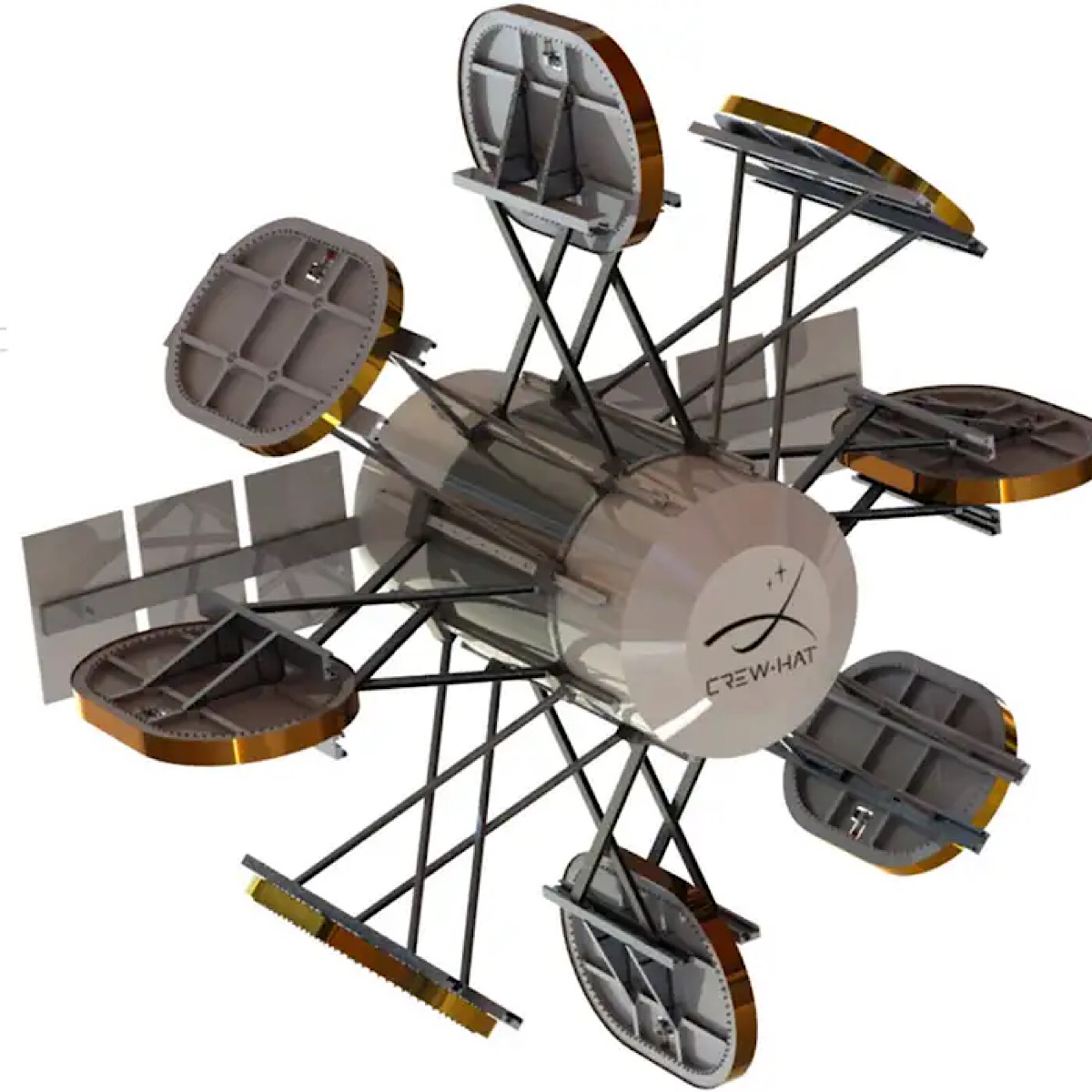
NASA funds experimental radiation shield and Mars climbing robot

Several futuristic projects have just been awarded money through NASA’s Innovative Advanced Concepts programme – here are New Scientist‘s top five choices

By Will Gater

NASA has just announced the projects that will be getting money from its NASA Innovative Advanced Concepts (NIAC) programme, which aims to support ideas for game-changing mission designs and never-before-seen space exploration tech. Here we look at five of the concepts and how they will be used.

Continue reading… “NASA funds experimental radiation shield and Mars climbing robot”

Robotic pill can orally deliver large doses of biologic drugs

Preclinical study evaluated treatments for diabetes, Crohn’s disease, and other conditions that use injectable meds using an orally administered capsule

Newswise — Biologic drugs—so named because they are typically isolated from a living source, rather than chemically synthesized—are used to treat a wide variety of conditions, including diabetes, inflammatory diseases, and certain types of cancer. However, due to their complex and easily degradable components, the administration of these drugs often requires a self-injection, which can represent burdens for patients, such as necessary training for proper self-administration and the potential for needle stick injuries and pain. Now, NIBIB-funded researchers are developing a robotic pill that, after swallowing, can deliver biologic drugs into the stomach, which could potentially revolutionize the way that certain conditions are treated.

“Due to the inherent drawbacks of injectable medications, many healthcare professionals prescribe less effective oral medications in their place, resulting in suboptimal treatment for many patients,” said David Rampulla, Ph.D., director of the division of Discovery Science & Technology at NIBIB. “An oral pill for the delivery of biologic drugs would not only positively impact those patients who already use injectable medications, but could also benefit patients that are currently delaying their use. This preclinical research is an important step toward the development of such an approach.”

Continue reading… “Robotic pill can orally deliver large doses of biologic drugs”

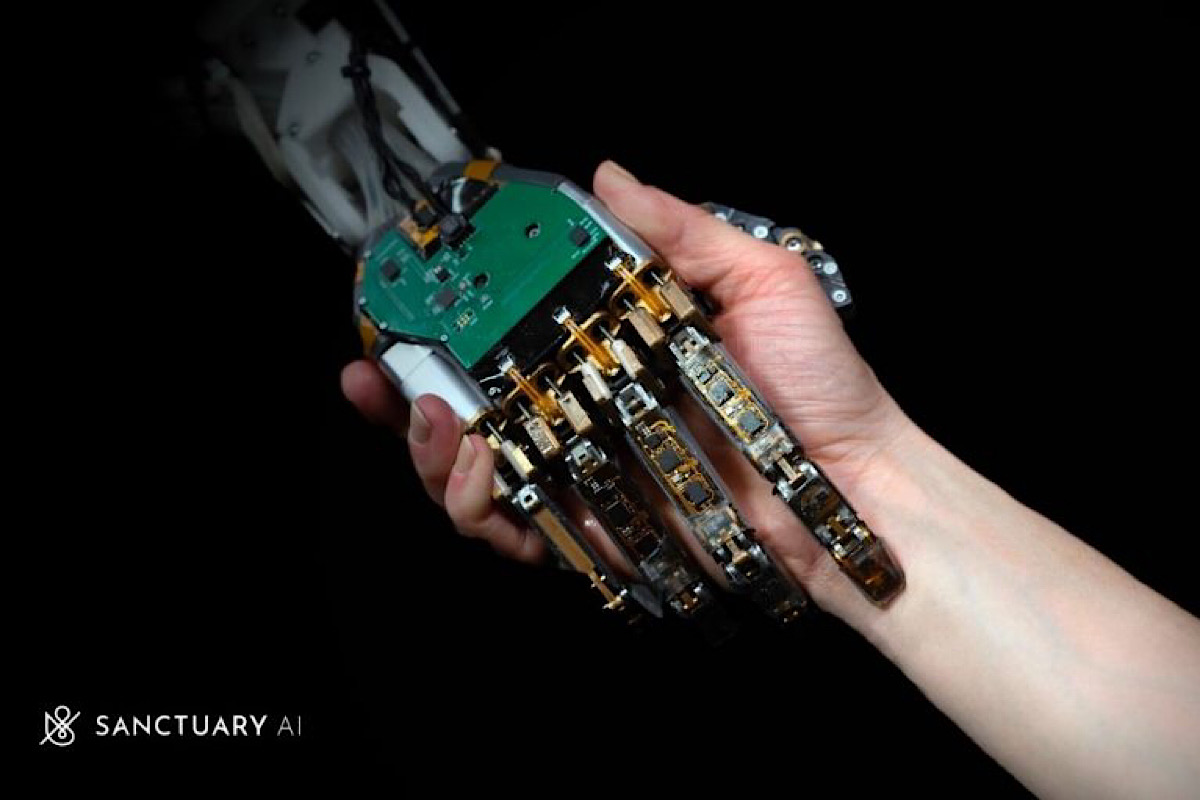
SANCTUARY AI SECURES $75.5 MILLION IN MISSION TO CREATE THE WORLD’S FIRST HUMAN-LIKE INTELLIGENCE ROBOTS

Sanctuary’s backers include Bell, Magna, Verizon, and Workday.

BY CHARLIZE ALCARAZ 

Vancouver-based Sanctuary AI has raised $75.5 million CAD ($58.5 million USD) in what it described as an oversubscribed Series A round.

The backing comes from a notable list of institutional and corporate investors, including Bell, Evok Innovations, Export Development Canada, automotive leader Magna, SE Health, Verizon Ventures, and Workday Ventures.

Anousheh Ansari, the first female private space explorer, and Chris Hadfield, former astronaut and commander of the International Space Station, have joined Sanctuary’s advisory board. 

Continue reading… “SANCTUARY AI SECURES $75.5 MILLION IN MISSION TO CREATE THE WORLD’S FIRST HUMAN-LIKE INTELLIGENCE ROBOTS”
Discover the Hidden Patterns of Tomorrow with Futurist Thomas Frey
Unlock Your Potential, Ignite Your Success.

By delving into the futuring techniques of Futurist Thomas Frey, you’ll embark on an enlightening journey.

Learn More about this exciting program.