The Monolith: A 3D-Printed Fuel Cell That Could Redefine Aviation and Space Travel

For more than a century, humanity has been chasing the dream of lighter, more powerful energy systems that could propel us farther, faster, and more sustainably. Batteries promised part of the answer, but their weight has kept them grounded. Hydrogen fuel cells offered another path, but they’ve been too heavy and too fragile for practical use in aerospace. That may have just changed.

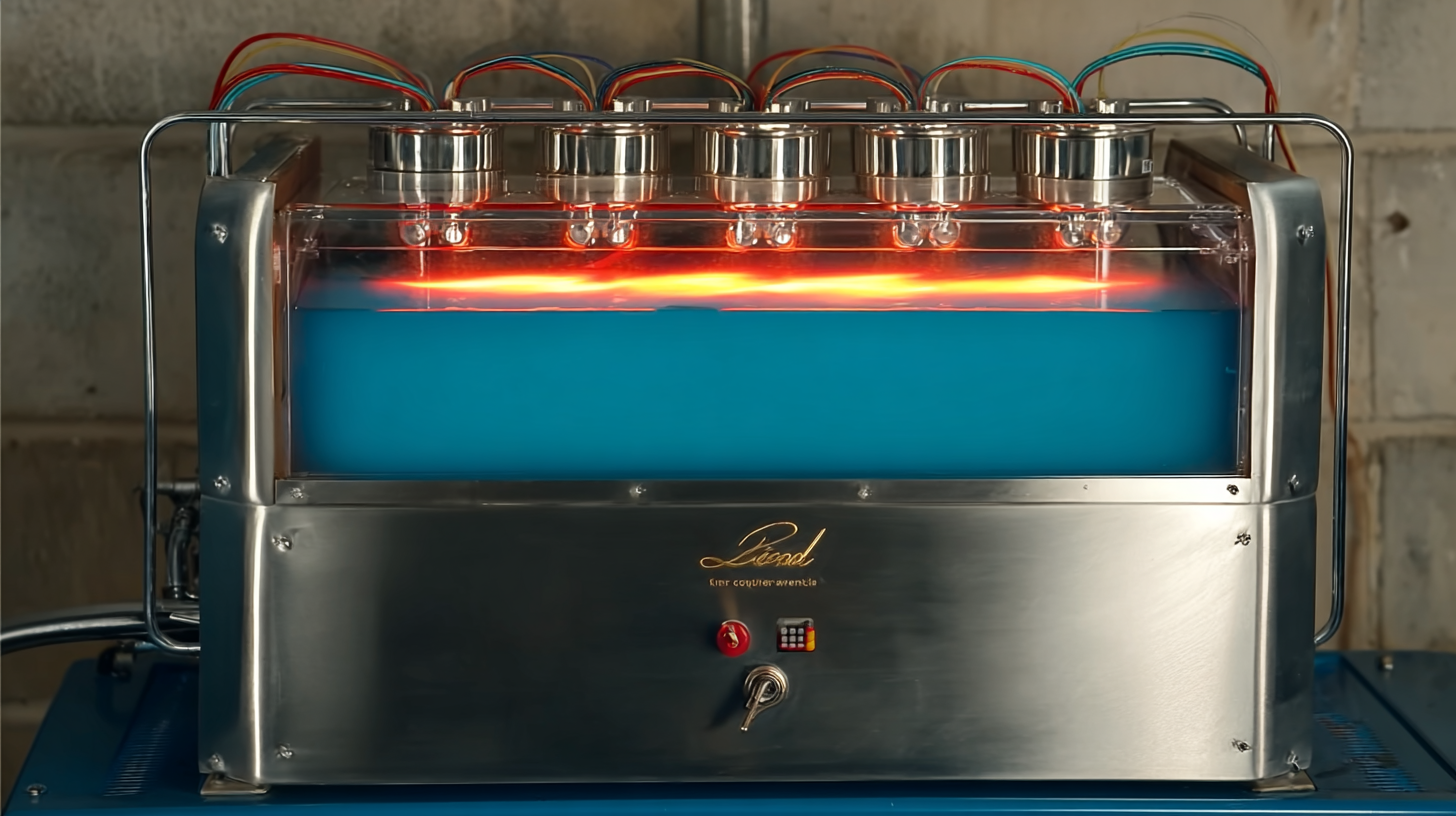
A team at the Technical University of Denmark (DTU) has unveiled a revolutionary new design called the Monolithic Gyroidal Solid Oxide Cell—or simply, The Monolith. This isn’t just another tweak to existing technology. It’s a 3D-printed, coral-inspired ceramic fuel cell that’s ten times faster at producing hydrogen, one-tenth the weight of conventional cells, and durable enough to withstand the punishing demands of flight and space.

Continue reading… “The Monolith: A 3D-Printed Fuel Cell That Could Redefine Aviation and Space Travel”

Why Entrepreneurship Will Be the Job of the Future

By Futurist Thomas Frey

The future of work is arriving faster than anyone expected. Artificial intelligence, robotics, and automation are steadily absorbing jobs that once seemed untouchable. Entire industries are being reshaped as machines take on tasks with greater efficiency, lower cost, and tireless precision. In this shifting landscape, one profession rises above the rest as both resilient and essential: entrepreneurship.

Entrepreneurship is more than starting a business. It is the art of creating something from nothing, of carving value out of chaos, and of directing your own destiny when traditional career paths crumble. As machines become better at executing instructions, humans will need to double down on the uniquely human capacity to imagine, to risk, and to lead. The job of the future will not be about climbing corporate ladders—it will be about building the ladders themselves.

Continue reading… “Why Entrepreneurship Will Be the Job of the Future”

Meta’s Smart Glasses: The Beginning of AI Worn on Your Face

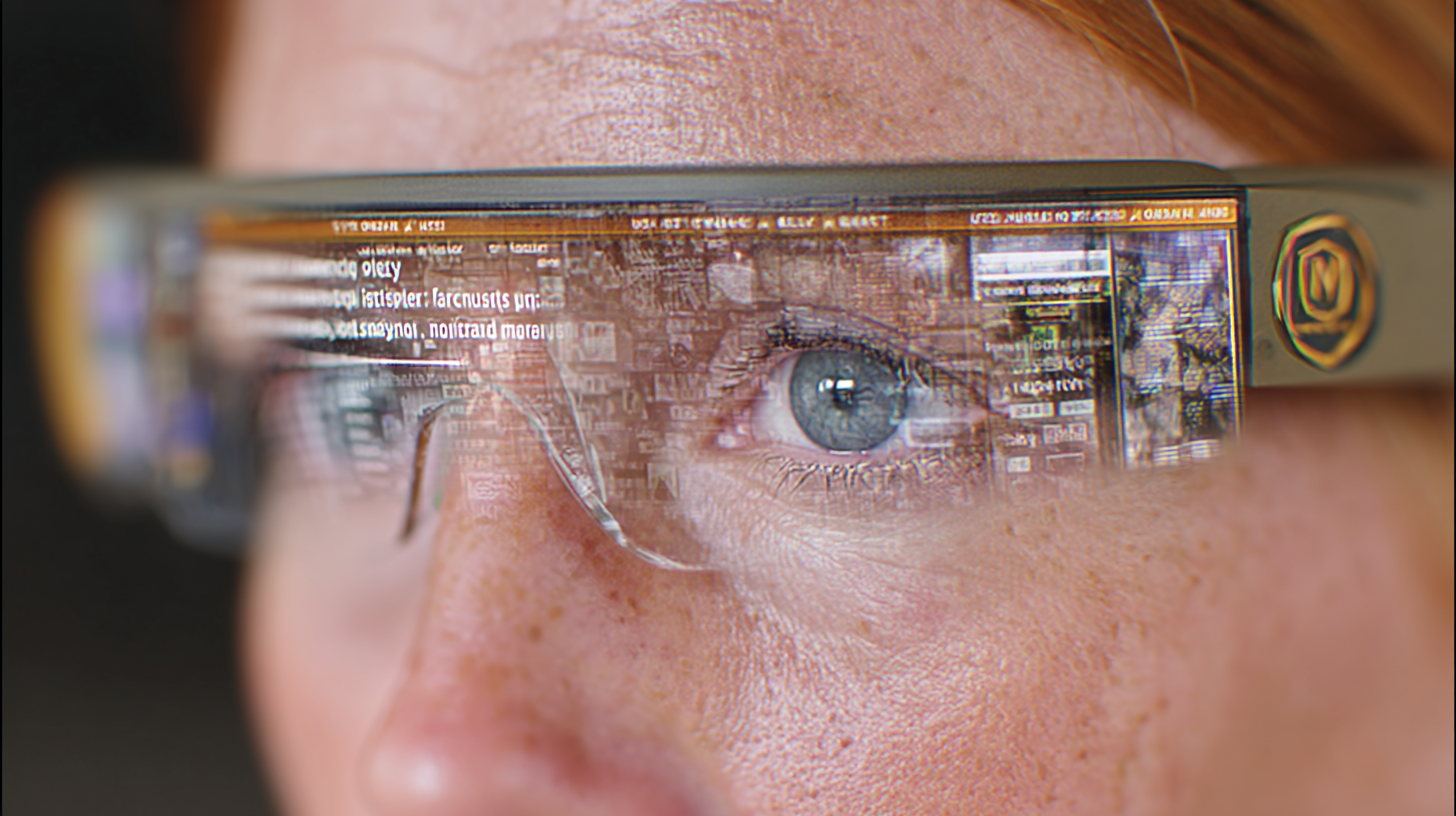
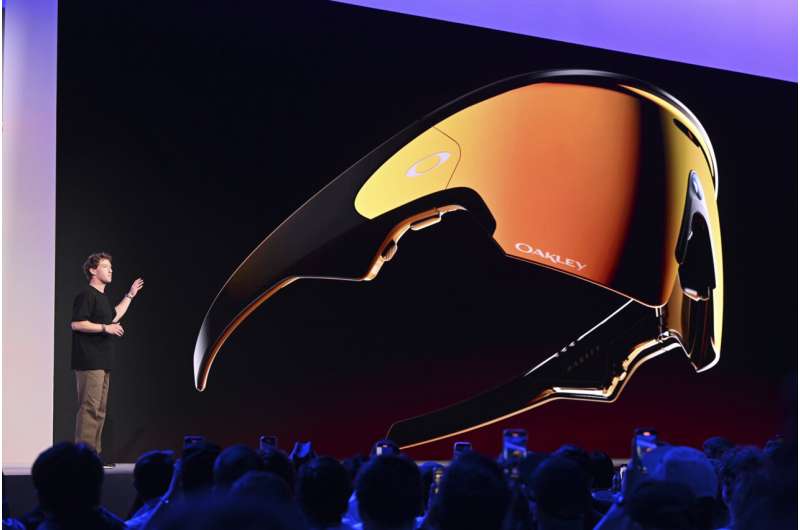
At Meta’s annual Connect conference, Mark Zuckerberg unveiled what could be remembered as a defining step in the evolution of human-computer interaction. Forget keyboards, forget touchscreens, forget even the smartphone—Meta believes the future is something you wear, something that sees what you see, hears what you hear, and responds to the subtlest flicker of a thought.

The newly launched Meta Ray-Ban Display glasses combine a tiny integrated display with an AI-powered neural wristband that reads barely perceptible movements. At $799, they are not a casual purchase, but Zuckerberg is clear about their role: this is the next stage of humanity’s digital interface.

Continue reading… “Meta’s Smart Glasses: The Beginning of AI Worn on Your Face”

Using Electricity To “Reprogram” the Immune System for Faster Healing

For centuries, medicine has relied on chemistry—pills, potions, injections, and therapies designed to alter biology through molecules. But a new frontier is emerging, one that swaps chemistry for circuitry. What if the body’s own immune system could be reprogrammed not by drugs, but by electricity?

That future may have just taken its first real step forward.

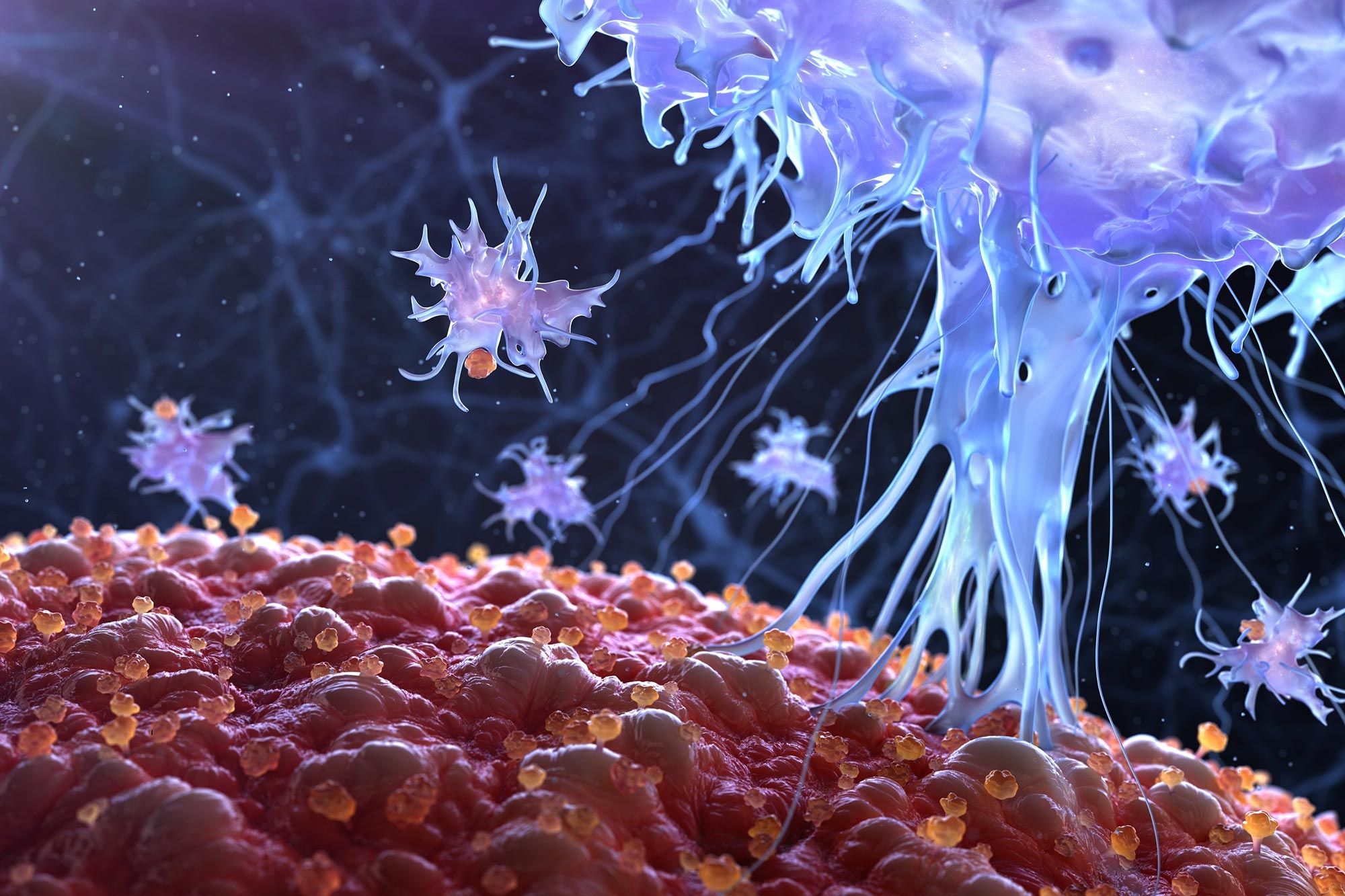
A team of scientists at Trinity College Dublin has discovered that a simple electric current can rewire one of the most important components of our immune system—the macrophage. By applying controlled electrical stimulation, these immune cells can be “persuaded” to suppress harmful inflammation and accelerate tissue repair. The work, published in Cell Reports Physical Science, signals the dawn of what could become an entirely new class of medicine: bioelectric healing.

Continue reading… “Using Electricity To “Reprogram” the Immune System for Faster Healing”

The Dawn of Bird-Like Flight

For centuries, humanity has envied the effortless mastery of flight we see in birds. Their takeoffs, landings, and elegant soaring patterns remain a pinnacle of natural engineering. Airplanes gave us speed and distance, drones gave us maneuverability, but the intimate grace of flapping, feathered flight has largely remained out of reach—until now.

A breakthrough out of China suggests that we are entering an entirely new chapter of aviation. Scientists have unveiled RoboFalcon 2.0, a flapping-wing robot capable of bird-style self-takeoff and sustained low-speed flight. It’s not just another drone—it’s a proof of concept that could one day reshape how machines share the skies with us.

Continue reading… “The Dawn of Bird-Like Flight”

Empty Playgrounds: The Future Cost of Declining Birthrates

By Futurist Thomas Frey

Walk past an elementary school at recess in many parts of the world today, and you’ll notice something unusual: silence. Fewer children fill the swings, the monkey bars, or the soccer field. In some places, entire playgrounds sit locked, weeds growing through cracks in the pavement, as declining birthrates reshape societies faster than most people realize.

We are living in an age of shrinking childhood. Every year, fewer children are born across the globe, and the consequences will ripple far beyond the classroom. This isn’t just a story about demography—it’s about the future of work, culture, cities, and even human identity. The echo of empty playgrounds will be one of the defining sounds of the 21st century.

Continue reading… “Empty Playgrounds: The Future Cost of Declining Birthrates”

The Coming Age of Predictive Medicine: AI That Sees Disease Before It Happens

What if your doctor could look five years into your future and tell you exactly which diseases your body is trending toward? Not vague risk factors or general warnings, but a precise, personalized forecast—your medical future, predicted with the same confidence as a weather report.

That’s no longer science fiction. Scientists across Europe have just unveiled Delphi-2M, an artificial intelligence model that can forecast the likelihood of over 1,000 diseases—sometimes years in advance.

Built on the same transformer architecture that powers today’s large language models, Delphi-2M doesn’t just process text. It processes the grammar of your medical life. Every blood test, MRI, prescription, and diagnosis forms part of a sentence that tells a larger story. And this AI is learning to read that story better than any physician ever could.

Continue reading… “The Coming Age of Predictive Medicine: AI That Sees Disease Before It Happens”

The Future of Off-Grid Housing: A 2035 Solution to High-Priced Homes

by Futurist Thomas Frey

The Crisis That Sparked Change

By the mid-2020s, the housing crisis had become unbearable. In major cities across the globe, the cost of owning or renting a home far outpaced wage growth. Utilities—electricity, water, waste—were draining family budgets as grids aged and struggled to keep up with demand. Younger generations gave up on the dream of home ownership, while developing nations watched populations pour into cities faster than infrastructure could be built.

History tells us that when pressures mount, innovation follows. Out of this crisis came an idea once dismissed as fringe or utopian: off-grid housing.

Continue reading… “The Future of Off-Grid Housing: A 2035 Solution to High-Priced Homes”

What Industries Will Produce the First Trillionaires?

by Futurist Thomas Frey

For most of modern history, the title of “richest person in the world” has been associated with billionaires—the Rockefellers, Carnegies, Gates, Bezoses, and Musks of their time. But we are quickly moving into a new era, one where the first trillionaire will emerge. The trillionaire milestone won’t just be about wealth; it will mark a structural shift in how industries generate value at global scale.

So which industries are poised to mint humanity’s first trillionaires? The answer lies in technologies and systems that do more than scale—they transform. These are not incremental plays. They are foundational shifts, unlocking new layers of human productivity and planetary resources.

Continue reading… “What Industries Will Produce the First Trillionaires?”

Reinventing Humanity by Reinventing Time

by Futurist Thomas Frey

Time is the invisible operating system of civilization. It ticks quietly in the background, setting the rhythm of our days, the order of our industries, and the boundaries of our social contracts. Yet like fish in water, we rarely question the very system that shapes our existence. The numbers on the clock dictate when we wake, eat, work, and rest, as though ancient human choices—made centuries ago—should still define how billions of people live today.

But what if those choices were wrong? Or at least outdated? What if the way we measure, segment, and live by time is holding us back from achieving our full potential?

We now stand at the edge of a revolution in time itself.

Continue reading… “Reinventing Humanity by Reinventing Time”

The Era of Enhanced Memory: How AI and Smart Glasses Will Redefine What It Means to Remember

by Futurist Thomas Frey

For most of human history, memory has been unreliable. We forget faces, misplace details, and misinterpret events. Our brains were never designed as perfect recorders; they were designed for survival, filtering only what seemed useful at the moment. But a revolution is coming—one that will redefine memory not as a fragile biological function but as an augmented capability, seamlessly integrated into our daily lives.

In earlier predictions, I suggested that future generations would wear smart glasses and sensors to record the totality of their life experiences. Imagine living with a complete archive of your existence—every conversation, every event, every fleeting glance captured and retrievable. It would be like carrying a second brain in the cloud, an external memory system with perfect recall.

Continue reading… “The Era of Enhanced Memory: How AI and Smart Glasses Will Redefine What It Means to Remember”

The Rise of Global Cultural Centers in the Age of Mega-Regions

By Futurist Thomas Frey

The 21st century is moving toward a world where power will no longer be concentrated in single cities or even nations, but in sprawling economic mega-regions—vast interconnected corridors of talent, infrastructure, and capital. From the BosWash corridor in the U.S. to the Pearl River Delta in China, these mega-regions are already redefining how economies function. But their influence will not stop at trade and GDP. They will also become cultural engines—places where humanity’s boldest ideas, most radical experiments, and shared future visions take physical form.

Imagine traveling across these regions in 2035 and finding not just business districts and technology parks but global cultural centers designed to inspire, provoke, and unite. These centers will act as the cathedrals of tomorrow—not religious in nature, but dedicated to the forces shaping civilization itself. Here is a glimpse at what they may include:

Continue reading… “The Rise of Global Cultural Centers in the Age of Mega-Regions”
Discover the Hidden Patterns of Tomorrow with Futurist Thomas Frey
Unlock Your Potential, Ignite Your Success.

By delving into the futuring techniques of Futurist Thomas Frey, you’ll embark on an enlightening journey.

Learn More about this exciting program.