The Sky Is Thinking: Φsat-2 Ushers in the Era of Autonomous Earth Surveillance

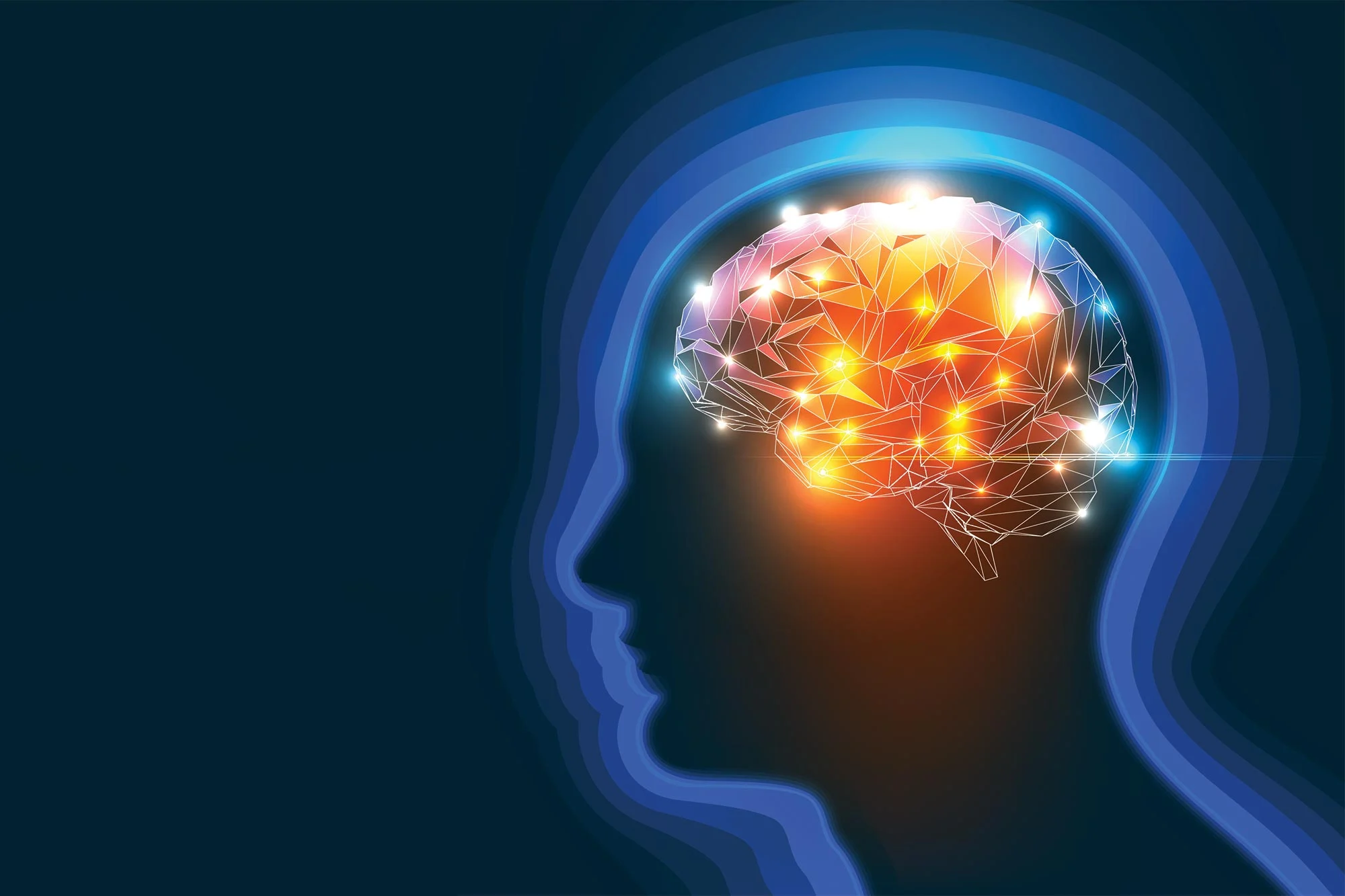
While most satellites dutifully beam raw data back to Earth for humans to analyze, Φsat-2 has a different job: thinking.

Launched in August 2024, this compact cubesat—roughly the size of a shoebox—quietly crossed a major threshold this year. It didn’t just start sending images back to Earth. It began making decisions. Real decisions. About what matters, what doesn’t, and what needs our attention now.

Orbiting 510 kilometers above us, Φsat-2 is equipped with AI powerful enough to sift through cloud-covered landscapes, ignore unusable images, and zero in on wildfire zones, oil spills, marine traffic, and even earthquake aftermath. It doesn’t wait for instructions. It triages. It prioritizes. It edits reality before we even see it.

Continue reading… “The Sky Is Thinking: Φsat-2 Ushers in the Era of Autonomous Earth Surveillance”
The Moon Just Became a Gas Station

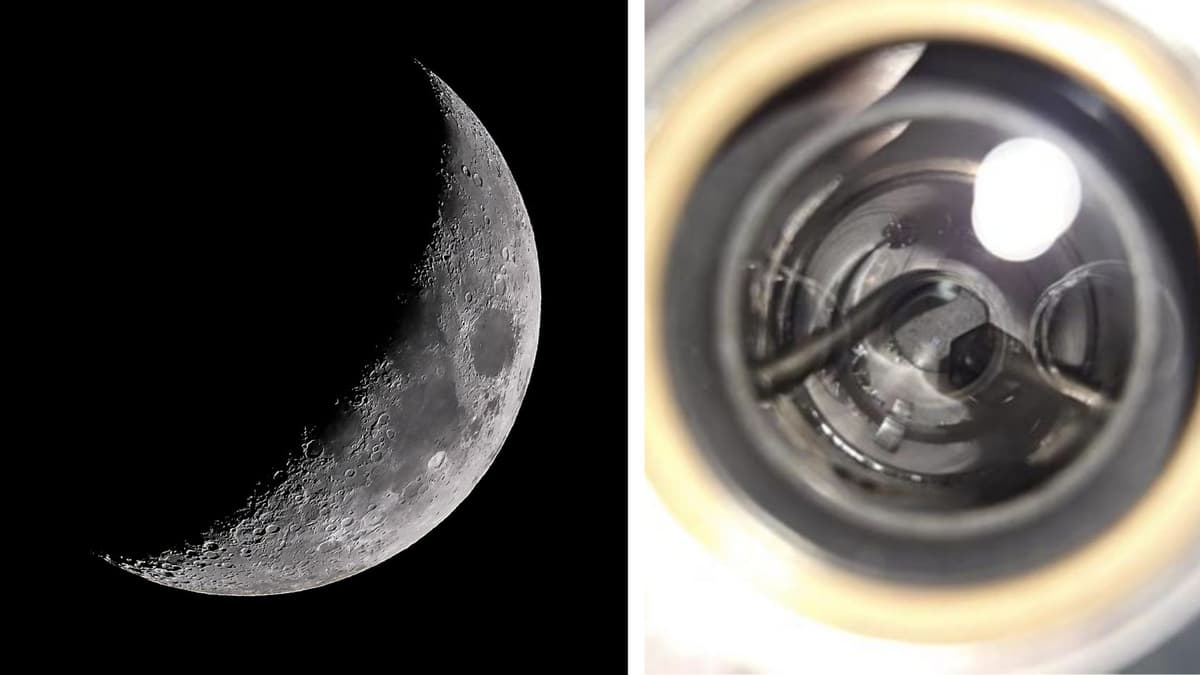
While most nations are still debating the ethics of AI or struggling to regulate TikTok, China is quietly preparing for a permanent presence on the Moon—and they may have just cracked the code that turns lunar dirt into breathable air and rocket fuel.

In a scientific sleight of hand, researchers from the Chinese University of Hong Kong, Shenzhen, have demonstrated a breakthrough that reads more like science fiction than reality. Using actual moon dust collected by the Chang’e-5 mission, they’ve figured out how to extract water and convert astronauts’ carbon dioxide exhalations into usable fuel and oxygen—all in one elegant, light-powered reaction. No complicated supply chains. No Earth-bound logistics. Just sunlight, CO₂, and the Moon itself.

Continue reading… “The Moon Just Became a Gas Station”

Electric Healing: 3D-Printed Implants That Rewire the Spine

The spinal cord used to be a one-way street: once severed, there was no coming back. Nerve damage meant paralysis. Game over.

But a new innovation out of Ireland is rewriting that script—with electricity, nanomaterials, and a 3D printer.

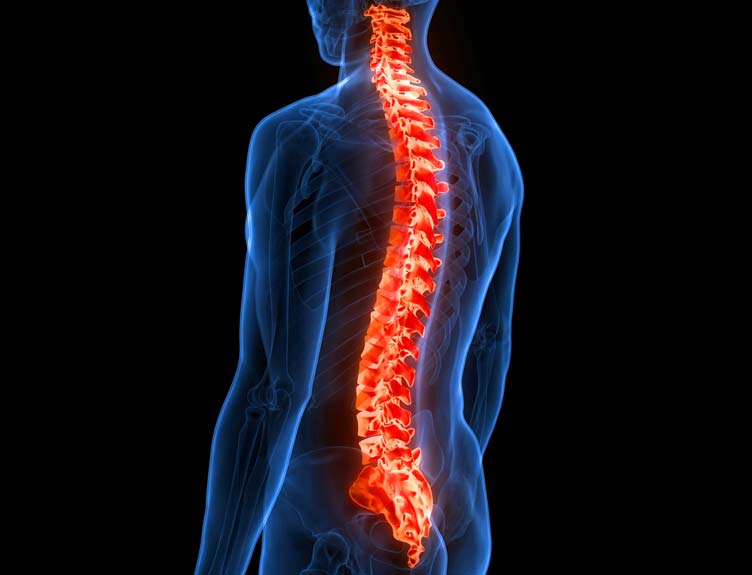
Scientists at RCSI University of Medicine and Health Sciences have developed an experimental implant that doesn’t just sit passively in the body—it channels electric signals directly into damaged spinal tissue, coaxing neurons to regrow.

Yes, regrow.

This isn’t a support brace or a painkiller. It’s a smart scaffold—a neural bootloader—engineered to speak the language of the nervous system and kickstart biological repair from within.

Continue reading… “Electric Healing: 3D-Printed Implants That Rewire the Spine”

Welding Without Welders: The Smart Workcell That Doesn’t Need You

Welders used to rule the shop floor.

Their sparks were the signature of a skilled trade—equal parts craftsmanship, grit, and danger. But what happens when the torch passes to a machine that doesn’t sweat, doesn’t miss, and doesn’t complain?

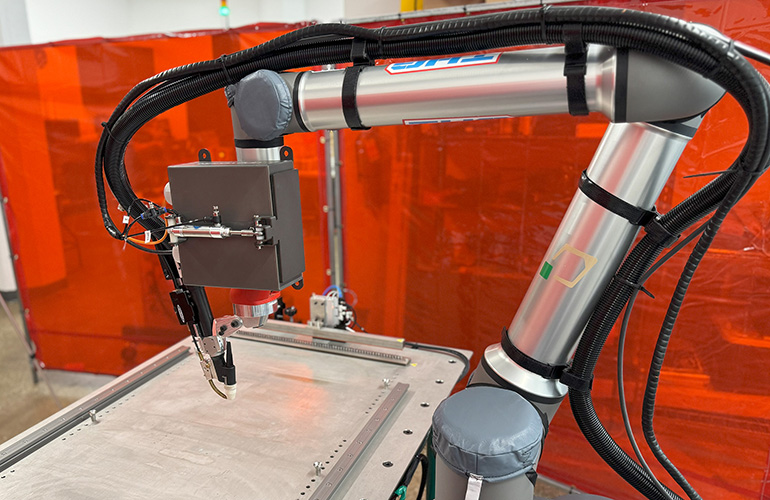
This week, Cohesive Robotics answered that question loud and clear with the launch of its Smart Welding Robotic Workcell, a fully autonomous welding system that doesn’t just automate tasks—it replaces the art of welding with code, cameras, and algorithms.

Welcome to the new frontier of fabrication, where the welder’s helmet is traded for a machine-learning model, and experience is measured in training data—not decades on the job.

Continue reading… “Welding Without Welders: The Smart Workcell That Doesn’t Need You”

The Molecule That Fights Stroke—and Might Rewrite the Future of Brain Health

Imagine a drug that protects your brain six hours after a stroke. Now imagine that same molecule quietly holds the key to reversing Alzheimer’s and other neurological killers—without the usual side effects, without the heartbreak, and without the ticking clock.

That’s the promise behind GAI-17, a small molecular disruptor developed by researchers in Japan that may become one of the most important brain interventions of our time.

And no one saw it coming.

Continue reading… “The Molecule That Fights Stroke—and Might Rewrite the Future of Brain Health”

Reprogramming Nature: How Gene Editing Could Rescue the Species We’ve Already Failed

For decades, conservation has been about slowing the bleeding—captive breeding, protected habitats, desperate triage for species spiraling toward extinction. But what if we stopped trying to preserve nature like a museum exhibit and started engineering its comeback?

A new wave of scientists thinks we can. And they’re not talking about protecting animals—they’re talking about reprogramming them.

In a landmark paper published in Nature Reviews Biodiversity, an international team of researchers argues that gene editing—yes, the same tech used to make drought-resistant corn and revive mammoths—can now be applied to rescue endangered species. Not metaphorically. Literally.

This isn’t about keeping a few more pandas alive. This is about restoring lost genetic diversity, reversing evolutionary collapse, and using 21st-century tools to solve problems we created in the 20th.

Let that sink in: We may soon edit animals back to health.

Continue reading… “Reprogramming Nature: How Gene Editing Could Rescue the Species We’ve Already Failed”

The Death of Google Search: Why Google’s Results Are Now Worse Than Its Competitors

If you’re wondering if Google search is not as good as it used to be, you’re not alone. Try searching for anything meaningful these days—a product review, a technical question, even basic factual information—and you’ll likely find yourself swimming through a sea of AI-generated spam, affiliate marketing garbage, and Reddit threads that somehow rank higher than actual expert sources. Want proof? Try doing the same search on Bing, DuckDuckGo, Startpage, Searx, or even Yandex. The results are often vastly different, and increasingly, they’re better.

What you’re witnessing isn’t just your imagination or nostalgia for simpler times. It’s the documented collapse of what was once the internet’s most trusted gatekeeper, and the cause isn’t some inevitable decay of the web. It’s corporate panic, greed, and a series of deliberate decisions that prioritized short-term revenue over the very quality that made Google indispensable in the first place.

Continue reading… “The Death of Google Search: Why Google’s Results Are Now Worse Than Its Competitors”

This Is Flight in the World of Tomorrow

Vision of the Future

A sleek new helicopter design was unveiled by Bell Helicopter at the Heli-Expo in Dallas, Texas.

Called the FCX-001, the next-generation machine will be built from sustainable materials and run on a hybrid power system. It will come equipped with augmented reality (AR), an artificial intelligence (AI) co-pilot, and rotor blades that morph depending on flight conditions.

Continue reading… “This Is Flight in the World of Tomorrow”

Inside the Mind of a Futurist – Secret Process for Understanding the Future Revealed

Thinking about the future matters t65r

On April 10-14 the newly launched DaVinci Tech Academy will be hosting an intensive week-long workshop called “Inside the Mind of a Futurist.” Throughout this event, Michael Cushman and I will be unveiling a number of unusual processes for probing into the future.

This course has been designed for corporate executives, planners, strategists, influential thinkers, and those who aspire to take on that kind of role in the future. Continue reading… “Inside the Mind of a Futurist – Secret Process for Understanding the Future Revealed”

Top 3 ways exponential technology will impact the future of learning

exponential technology

Exponential technologies tend to move at a slow pace then to a disruptively fast pace. We often don’t notice technologies in the deceptive growth phase, until they begin changing the way we live and do business. Driven by information technologies,  products and services become digitized, dematerialized, demonetized and/or democratized and enter a phase of exponential growth. (Video)

Continue reading… “Top 3 ways exponential technology will impact the future of learning”

Amsterdam’s solar panel bike path shows all streets could double as power sources

bike path

A bike path outside Amsterdam was plastered with custom solar panels a year ago and it has been generating more power than predicted—and the designers are convinced that it’s proof that networks of solar-covered roads could eventually be a viable energy source.

Continue reading… “Amsterdam’s solar panel bike path shows all streets could double as power sources”

Are we moving from nation states to stateless nations?

Old Globe

Philip Saunders: This is the age of disruption. What we’re witnessing is a shift from territorial monopolies on the use of force as a way of ordering civilization, toward a world of borderless civic networks. Or, in the words of Tom W. Bell, a move from nation states to stateless nations, which extend the dynamics of social networks into areas traditionally monopolized by government.

Continue reading… “Are we moving from nation states to stateless nations?”

Discover the Hidden Patterns of Tomorrow with Futurist Thomas Frey
Unlock Your Potential, Ignite Your Success.

By delving into the futuring techniques of Futurist Thomas Frey, you’ll embark on an enlightening journey.

Learn More about this exciting program.