

For more than a century, the IV drip has been a medical icon. A patient tethered to a bag of fluid, nurses carefully monitoring the slow infusion, hours passing as lifesaving drugs seep into the bloodstream. It is the picture of modern healthcare—but one that may soon vanish. Stanford researchers have developed a groundbreaking drug delivery platform that could replace IV drips with quick injections, turning long hospital stays into simple at-home treatments. If successful, this may mark the beginning of the end for one of medicine’s most familiar rituals.
Continue reading… “Goodbye IV Drips, Hello Injection Pens: The Future of Medicine in Seconds”The Future of Bunions: From Splints to Smart Bio-Corrections

For centuries, bunions—known medically as hallux valgus—have been an unavoidable source of discomfort for millions of people. The condition, where the big toe drifts inward and forms a painful bump, is so common that entire industries exist around “solutions” ranging from padded shoes to corrective surgery. At the center of non-surgical care are bunion splints, small devices that attempt to realign the toe and ease pressure on the joint. But while splints offer relief, they represent only the beginning of what could be a much larger revolution in foot health. (video)
Continue reading… “The Future of Bunions: From Splints to Smart Bio-Corrections”How Instant Magnetic Seals Could Redefine Industrial Risk
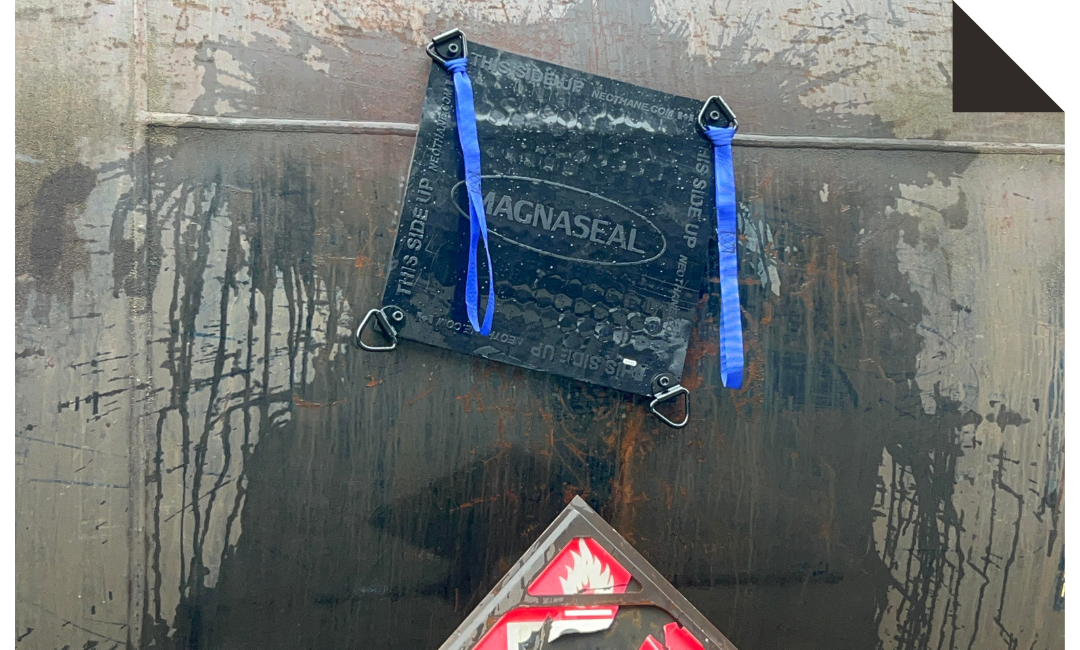
In the high-stakes world of hazardous materials, every second counts. A ruptured tank, a leaking pipe, or a chemical spill doesn’t just disrupt operations—it can cascade into catastrophic damage to equipment, infrastructure, and human health. For decades, first responders have relied on improvised fixes: wooden pegs, putty, or cumbersome bladder systems. These solutions were slow, messy, and often ineffective when time mattered most. But now, a breakthrough product is shifting the paradigm. With the speed of a magnet snapping into place, hazardous leaks can be stopped in seconds. (Video)
Continue reading… “How Instant Magnetic Seals Could Redefine Industrial Risk”AI Will Rewrite History—Literally

For centuries, history has been written by the victors, filtered through the lens of cultural biases, and confined by the limits of human memory and interpretation. But we may be entering an era where history is no longer pieced together solely by scholars and storytellers. Artificial intelligence is beginning to reconstruct the past with a level of precision, speed, and scale that no individual historian—or even entire generations of them—could ever achieve. The story of humanity may soon be told not just by people, but by machines capable of assembling forgotten fragments into a fuller, less biased narrative of who we are.
Continue reading… “AI Will Rewrite History—Literally”The Bandage of the Future: Healing With Electricity Instead of Drugs

At first glance, it looks like nothing more than a strip of fabric. But inside this unassuming wrap is a spark of science powerful enough to change medicine forever. Researchers in Switzerland have developed an “electric bandage” that uses tiny pulses of current to heal wounds up to four times faster than nature would on its own. No drugs, no antibiotics, no invasive procedures—just electricity guiding the body back to wholeness.
Continue reading… “The Bandage of the Future: Healing With Electricity Instead of Drugs”The State of Global Fertility

Elon Musk has never been shy about challenging humanity’s assumptions. His latest argument is as provocative as it is urgent: the world needs more people, not fewer. In an age where many nations see their populations shrinking, and where cultural narratives often paint humanity as a burden rather than a blessing, Musk is reframing the conversation. The real battle of our time, he says, is between expansionist and extinctionist philosophies. Do we grow, explore, and multiply, or do we allow civilization to wither into irrelevance?
Continue reading… “The State of Global Fertility”Rewriting Vision: Electricity, Not Lasers, May Be the Future of Eye Care

For decades, people with imperfect eyesight have faced a binary choice: wear corrective lenses or undergo surgery. Glasses and contacts remain the most common solution, while LASIK surgery—reshaping the cornea with high-precision lasers—has become a popular alternative for those seeking a more permanent fix. But LASIK, despite its widespread success, still requires cutting into the eye, which weakens the cornea and carries risk. Now, a surprising breakthrough suggests the next era of vision correction may not involve lasers, scalpels, or incisions at all. Instead, it may use electricity.
Continue reading… “Rewriting Vision: Electricity, Not Lasers, May Be the Future of Eye Care”The Future of Meditation Might Be Plugged Into Your Ear

For thousands of years, meditation has promised inner peace, sharper focus, and deeper compassion. But in the modern world, cultivating those benefits is often a struggle. Training the mind requires patience, discipline, and years of practice. What if technology could accelerate that process, rewiring the brain in weeks instead of decades? A new study suggests we may be on the edge of doing just that—with nothing more than a tiny electrical device clipped to your ear.
Continue reading… “The Future of Meditation Might Be Plugged Into Your Ear”The Coming Era of Stem Cell Therapy: From Cure to Human Enhancement

For decades, stem cell therapy has been discussed as a miracle waiting to happen, a technology hovering just out of reach. But the future is no longer about treating isolated diseases. The true trajectory of stem cell science is pointing toward something bigger: a world where we regenerate organs, rewrite faulty genes, and even prevent illness before it begins. What started as a quest to heal is rapidly evolving into a system to redesign human health altogether.
Continue reading… “The Coming Era of Stem Cell Therapy: From Cure to Human Enhancement”Tiny Sun-Powered Flyers Could Redefine Exploration on Earth and Beyond
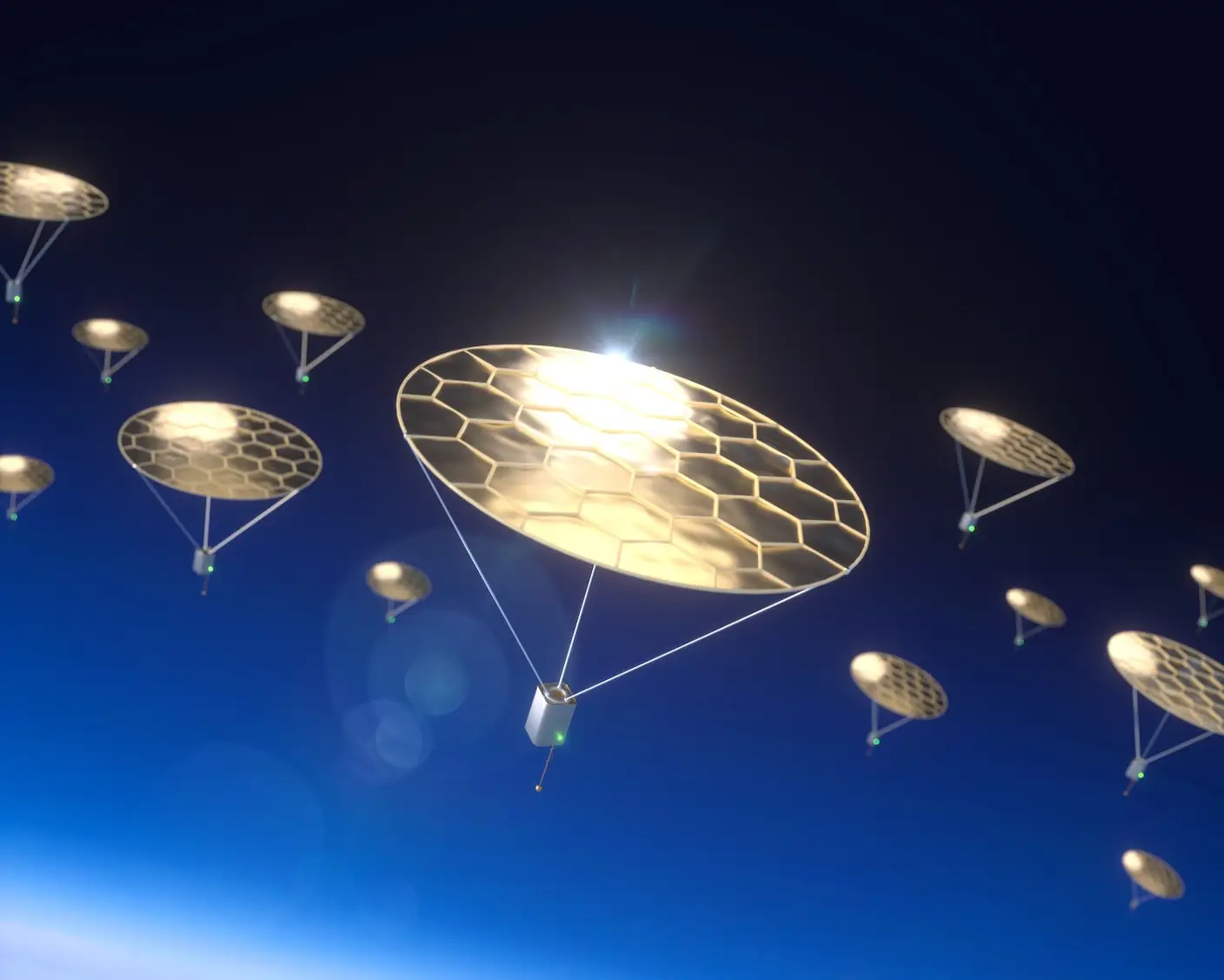
Sometimes the most radical ideas hide in plain sight. Imagine an aircraft smaller than a dime, featherlight, with no propellers, no solar panels, and no engines—yet capable of rising into the sky powered entirely by the heat of the sun. No fuel tanks. No batteries. Just geometry, light, and physics conspiring to lift human curiosity higher than ever before. These tiny flyers are the beginning of an entirely new class of vehicles: machines that sip energy from the environment itself and drift into unexplored frontiers.
Continue reading… “Tiny Sun-Powered Flyers Could Redefine Exploration on Earth and Beyond”The Beginning of the End for Type 1 Diabetes? Gene-Edited Cells Outsmart the Immune System

For more than a century, type 1 diabetes has been managed, not cured. Patients inject insulin, monitor blood sugar obsessively, and live with the constant shadow of long-term complications. But now, for the first time in history, scientists may have found a way to outsmart the immune system itself—replacing what’s broken with engineered cells that refuse to be rejected. This isn’t just medicine; it’s a glimpse into the future of cellular engineering as a tool to rewrite the rules of human health.
Continue reading… “The Beginning of the End for Type 1 Diabetes? Gene-Edited Cells Outsmart the Immune System”Intercrystals: The Geometry That Could Rewire the Future
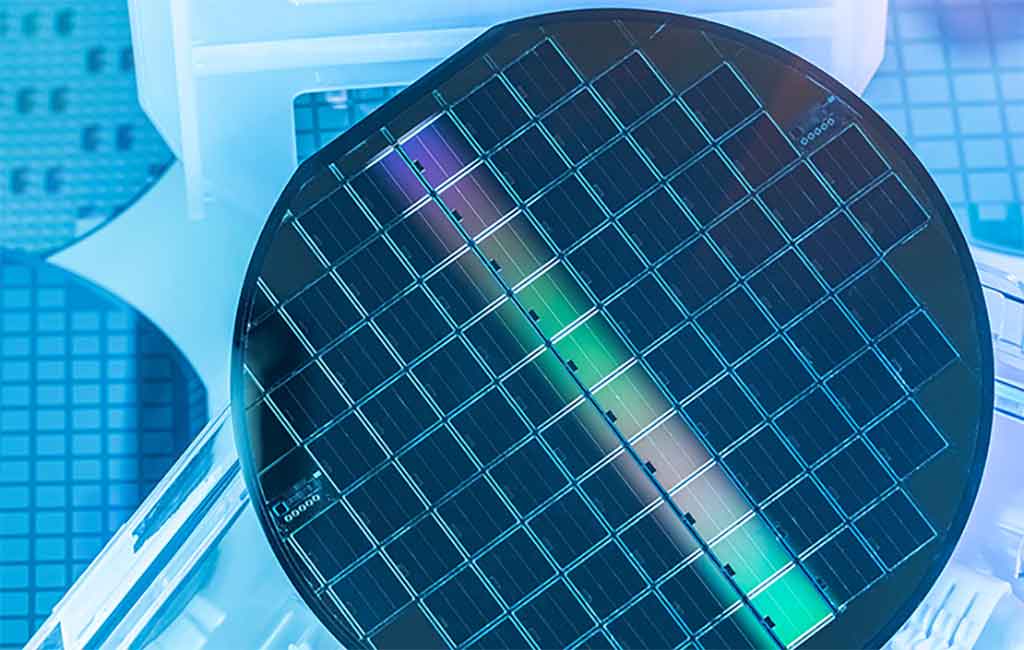
Every so often, science uncovers a new class of materials that changes everything. In the early 20th century, semiconductors gave us the transistor and the digital age. In the 1980s, quasicrystals rewrote the rules of atomic order. Now, researchers at Rutgers University believe they have unlocked the next revolution in materials science: intercrystals. These exotic new structures don’t just bend the rules of physics; they exploit geometry itself to command the behavior of electrons. If semiconductors gave us the information age, intercrystals could give us the geometry age.
Intercrystals are created by stacking two ultra-thin sheets of graphene—each only one atom thick—on a substrate of hexagonal boron nitride, then twisting them at just the right angle. That tiny geometric contortion produces moiré patterns, rippling effects similar to what you see when two mesh screens overlap. At this microscopic scale, those ripples aren’t just visual artifacts; they reshape the quantum landscape through which electrons travel. A slight twist, a minor shift in alignment, and suddenly electrons behave in ways no conventional crystal could ever allow. The Rutgers team has shown that intercrystals possess electronic properties never before observed, a finding that doesn’t just open a door—it demolishes a wall.
Continue reading… “Intercrystals: The Geometry That Could Rewire the Future”