
The Last Shift — Column 1
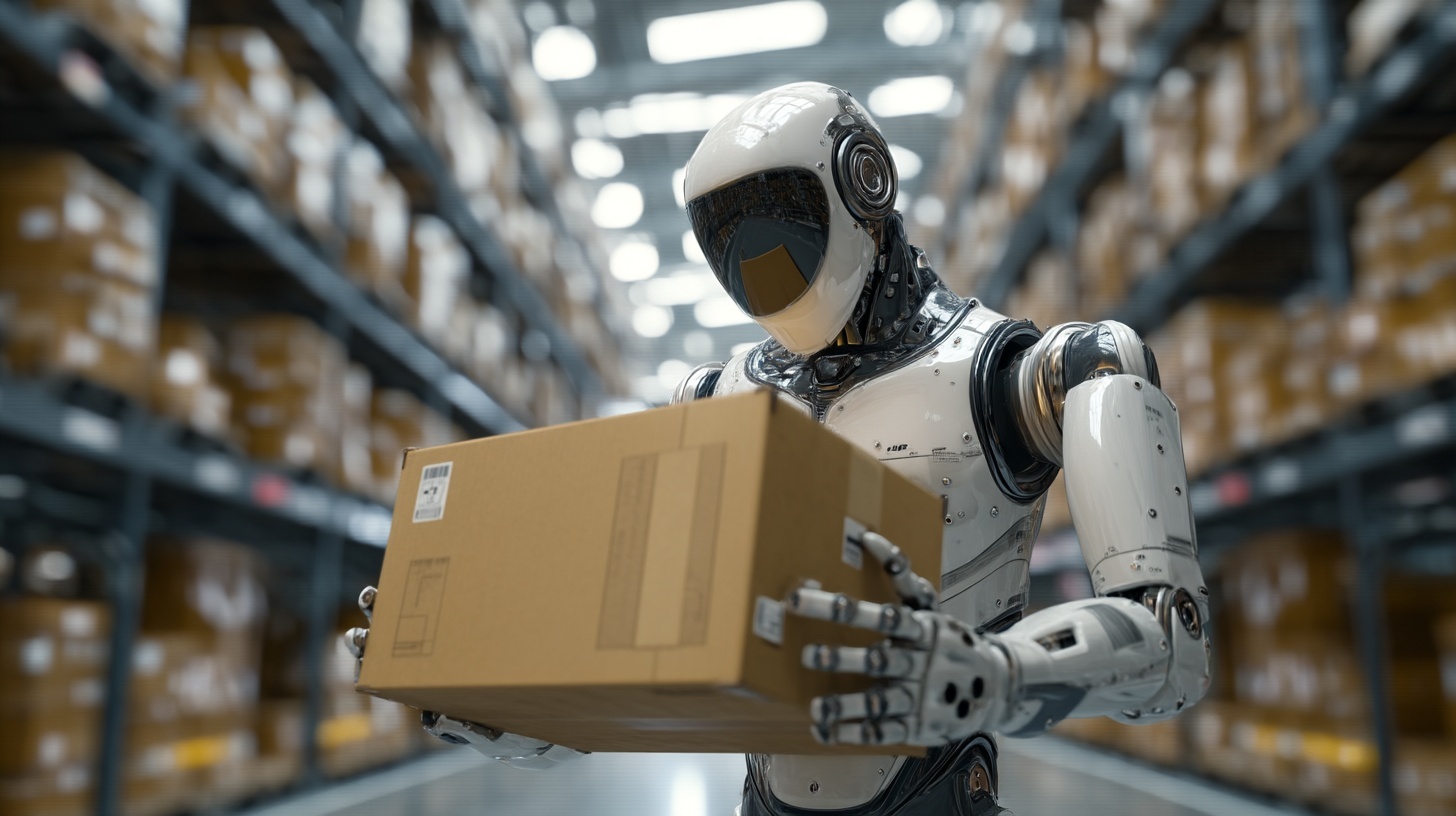
There’s a warehouse outside of Memphis that runs almost entirely in the dark.
Not because the company is cutting corners on electricity. But because the robots working inside don’t need light to see. They don’t need breaks. They don’t need music playing or a reasonable temperature or a manager who actually listens. They just need power, a signal, and a job to do.
They work through the night, every night, moving boxes with a precision and tirelessness that no human shift ever could. And the handful of people still employed there? They mostly fix the robots when something goes wrong.
That warehouse isn’t a glimpse of the future. It’s already happening. And it’s just the opening act.
The Jobs That Go First
If you want to understand which jobs disappear first, there’s a simple framework that economists and robotics engineers keep coming back to: boring, dangerous, and repetitive.
Robots are not, at least right now, great at creativity, empathy, or improvisation. They struggle when the situation changes unexpectedly. They can’t read a room or talk someone off a ledge or write a genuinely moving song (well — that last one is becoming debatable).
But work that follows predictable patterns? Work where the goal is consistency above all else? Work where a mistake might hurt a human being? That’s exactly where automation has always moved first, and it’s moving faster than most people realize.
Think about long-haul trucking. There are roughly 3.5 million truck drivers in the United States alone. It’s one of the most common jobs in dozens of American states. And right now, fully autonomous trucks are already completing cross-country routes. The technology is not science fiction — it’s navigating I-10 through Texas while you read this. The main thing standing between today and a radically smaller trucking workforce isn’t the robots. It’s regulations, insurance liability, and the political will to absorb the shock.
Those are all temporary barriers.
Or consider fast food. The economics of a burger-flipping robot are, at this point, pretty straightforward. It doesn’t call in sick on a Friday night. It doesn’t need health insurance. It passes every food safety inspection without a second thought. Several chains are already piloting automated kitchens, and the ones that aren’t are watching the ones that are very, very carefully.
Warehousing, as we’ve already seen, is largely gone. Cashiers are on the way out — not suddenly, but steadily, checkout kiosk by checkout kiosk. Telephone customer service is being hollowed out by AI that, frankly, is often more patient and accurate than the exhausted person who used to do the job at $14 an hour.
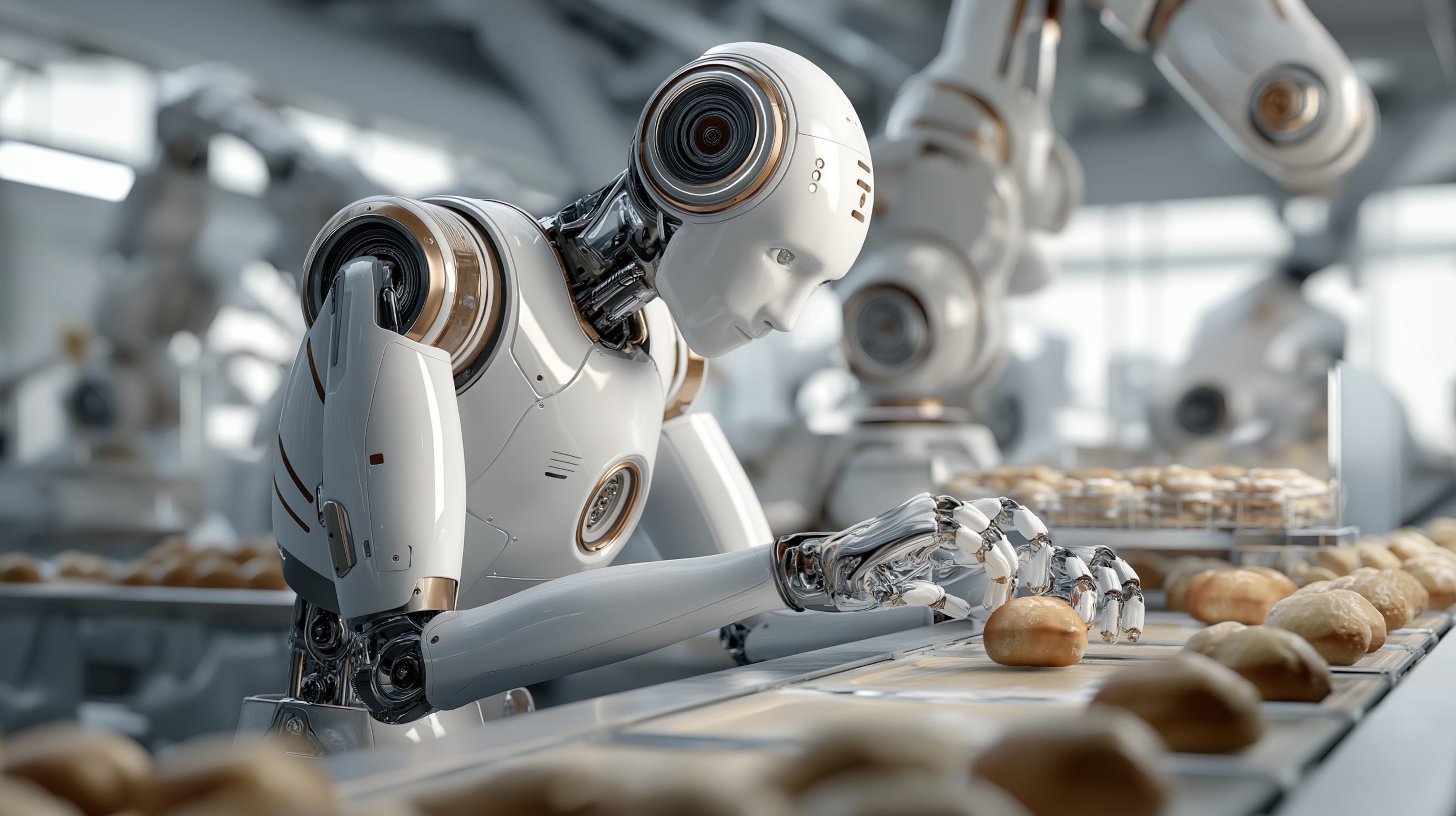
These aren’t surprising sectors. They’ve been on every “jobs at risk” list for a decade. What’s changed is the speed. The economics have tipped. The technology has crossed a threshold. And what was a slow tide is starting to feel like a wave.
Why It Floods In All At Once
Here’s something people tend to get wrong about automation: they imagine it as a gradual substitution. One robot here, a few jobs lost there. A slow adjustment that society can absorb over time, the way it absorbed the washing machine or the ATM.
That’s not how this works.
Robots scale in a way that humans simply don’t. When a company figures out how to automate a task effectively, they don’t deploy one robot. They deploy ten thousand. Overnight, if they can. The cost per unit drops, the software updates everywhere simultaneously, and the competitive pressure on every other company in that industry becomes immediate and enormous.
Think about what happened to travel agents. In 1995, there were 124,000 travel agents in the United States. By 2014, that number had been cut nearly in half — not because every travel agency slowly closed, but because Expedia and Orbitz and Kayak launched, and then suddenly nobody needed a middleman anymore. The shift didn’t take a generation. It took less than a decade.
Now apply that dynamic to industries twenty times the size, with technology that is improving at a pace that makes Expedia look like it was built with stone tools.
The other thing people underestimate is how little transition time there actually is. When a plant closes in a mid-sized American city, the community doesn’t gracefully pivot. The tax base shrinks. Local businesses lose customers. The young people leave. The older workers, the ones who spent 25 years getting good at something specific, don’t retrain for machine learning. They struggle, and their struggles ripple outward.
The Deceptive Quiet
One of the strangest things about this moment is how normal everything still feels.
You can walk into a grocery store and bag your own groceries at a self-checkout kiosk — which is the automation of a job that used to employ a person — and feel absolutely nothing unusual about it. It’s just how grocery stores work now.
That normalization is how big changes sneak up on societies. The boiling frog, except the frog is cheerfully scanning its own cereal.
Most people aren’t thinking about autonomous trucks or warehouse robots because they’re not directly in those industries. Their job feels secure. Their town still looks okay. The national unemployment rate is, on paper, fine. But those numbers are lagging indicators. They measure the world as it was, not as it’s becoming.
The jobs that have been automated so far have largely been absorbed — people found other work, new industries emerged, the statistics stayed manageable. The optimists point to this as proof that automation always creates as many jobs as it destroys, and throughout history, they’ve mostly been right.
But here’s the thing: this time, the automation is coming for everything at once. Not just the guy running the forklift. Also the paralegal. Also the junior accountant. Also the radiologist reading the scan. Also the customer service rep, the truck driver, the warehouse picker, and increasingly, the software engineer writing the code.
The question isn’t whether the wave is coming. It’s whether we’re ready for how big it is.
What Comes Next
The next column in this series is going to focus on something genuinely unsettling: not which jobs disappear, but how good robots are at them, right out of the gate.
Because here’s the thing no one really prepares you for. When a robot learns to do a job, it doesn’t spend six months getting up to speed. It doesn’t have a rough first week. It doesn’t make the beginner mistakes that every human makes before they find their rhythm.
It just knows. From day one, at full capacity, everywhere at once.
That’s a different kind of competition than humans have ever faced before. And it changes the math in ways that should make all of us stop, put down the phone, and actually think hard about what comes next.
The warehouse in Memphis is dark. The trucks are learning the highways. The first wave is already here.
The question is what you’re going to do before the second one arrives.
Next column: “Instant Experts — What Robots Are Unnervingly Good At Right Away”
Related Reading
A New Study Measures the Actual Impact of Robots on Jobs — MIT Sloan Management Review
Agents, Robots, and Us: Skill Partnerships in the Age of AI — McKinsey Global Institute