Author: admin

Revolutionary OLED Technology Could Replace Night Vision Goggles and Enhance Computer Vision

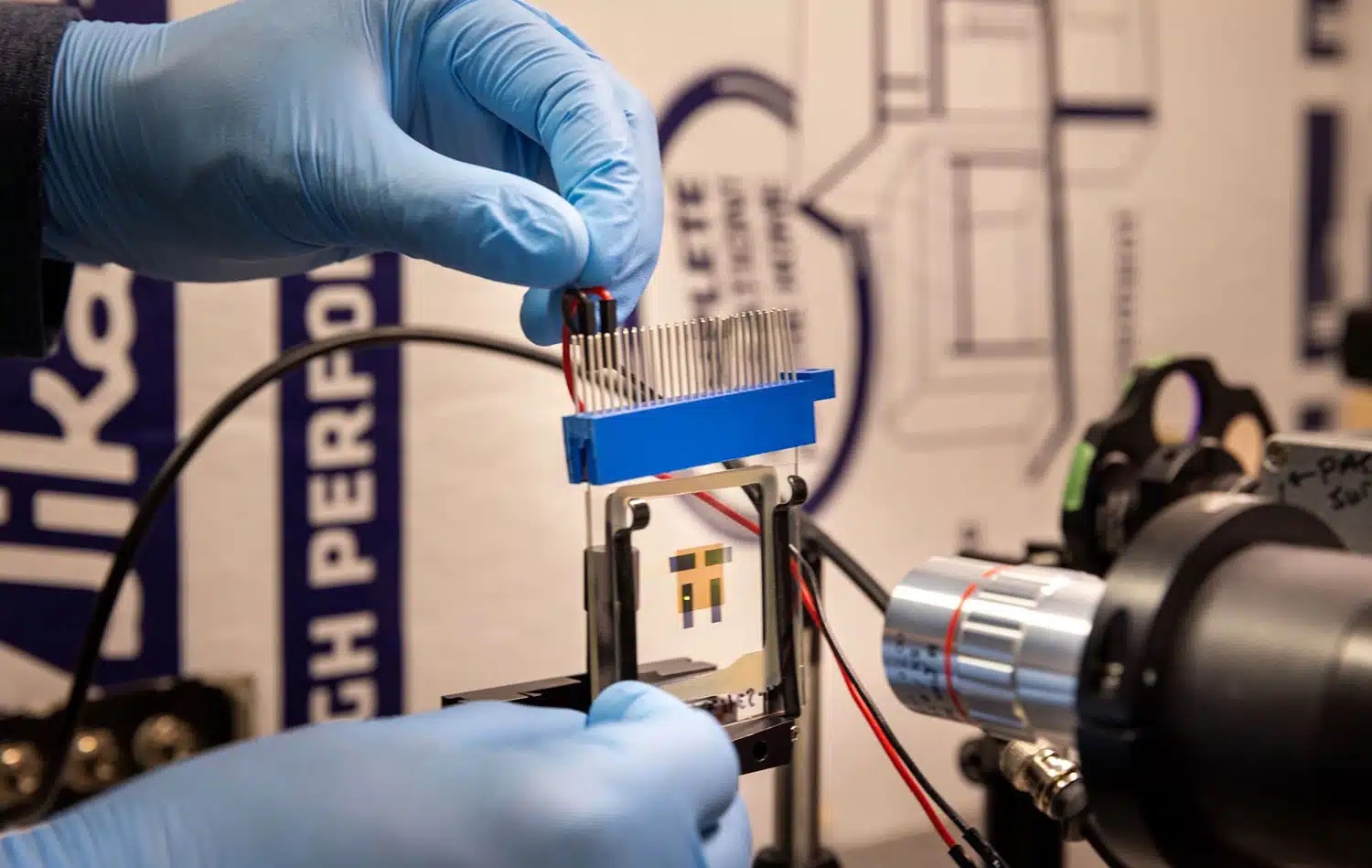
Organic light-emitting diodes (OLEDs) are already a dominant force in the mobile display market and are rapidly expanding into lighting, automotive, and wearable technologies. Now, researchers at the University of Michigan have developed a breakthrough OLED device that could replace bulky night vision goggles with lightweight glasses. This innovation could make night vision technology more practical, cost-effective, and suitable for extended use. Moreover, the new OLEDs exhibit a unique “memory effect” that could lead to advanced computer vision systems capable of both sensing and interpreting incoming light and images.

Current night vision systems rely on image intensifiers that convert near-infrared light into electrons, which then pass through a vacuum and multiply, ultimately striking a phosphor screen to produce visible light. While effective, these systems are heavy, require high voltage, and rely on cumbersome components.

Continue reading… “Revolutionary OLED Technology Could Replace Night Vision Goggles and Enhance Computer Vision”
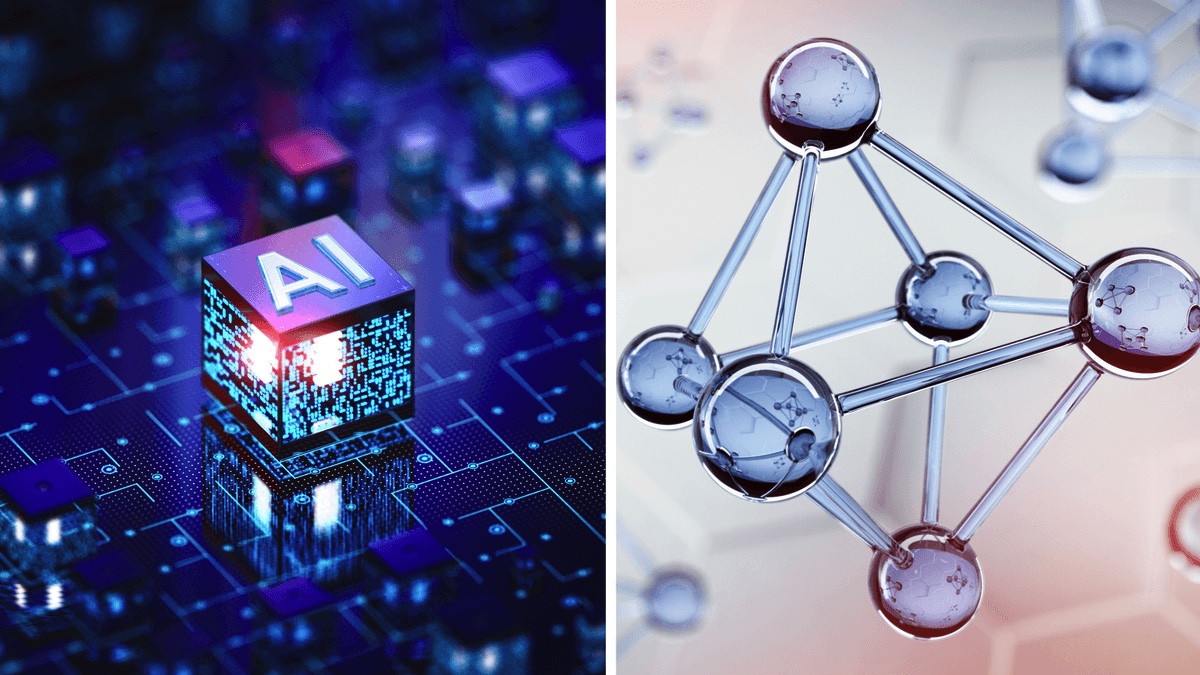
MIT Unveils AI Model to Revolutionize Crystalline Material Structure Prediction

Researchers at MIT have developed a groundbreaking generative AI model that significantly simplifies the process of determining the structures of crystalline materials, such as metals, rocks, and ceramics. Traditionally, scientists have relied on X-ray crystallography to uncover these structures, but this new approach offers a more efficient and versatile alternative. The model has far-reaching implications for industries relying on materials like batteries, magnets, and superconductors.

“Understanding the structure of a material is crucial for virtually any application,” explained Danna Freedman, the Frederick George Keyes Professor of Chemistry at MIT. “It’s fundamental for superconductivity, magnets, photovoltaics—essentially anything that is materials-centric.”

Continue reading… “MIT Unveils AI Model to Revolutionize Crystalline Material Structure Prediction”

Scientists Store Human Genome on 5D Memory Crystal: A Data Storage Revolution for Billions of Years

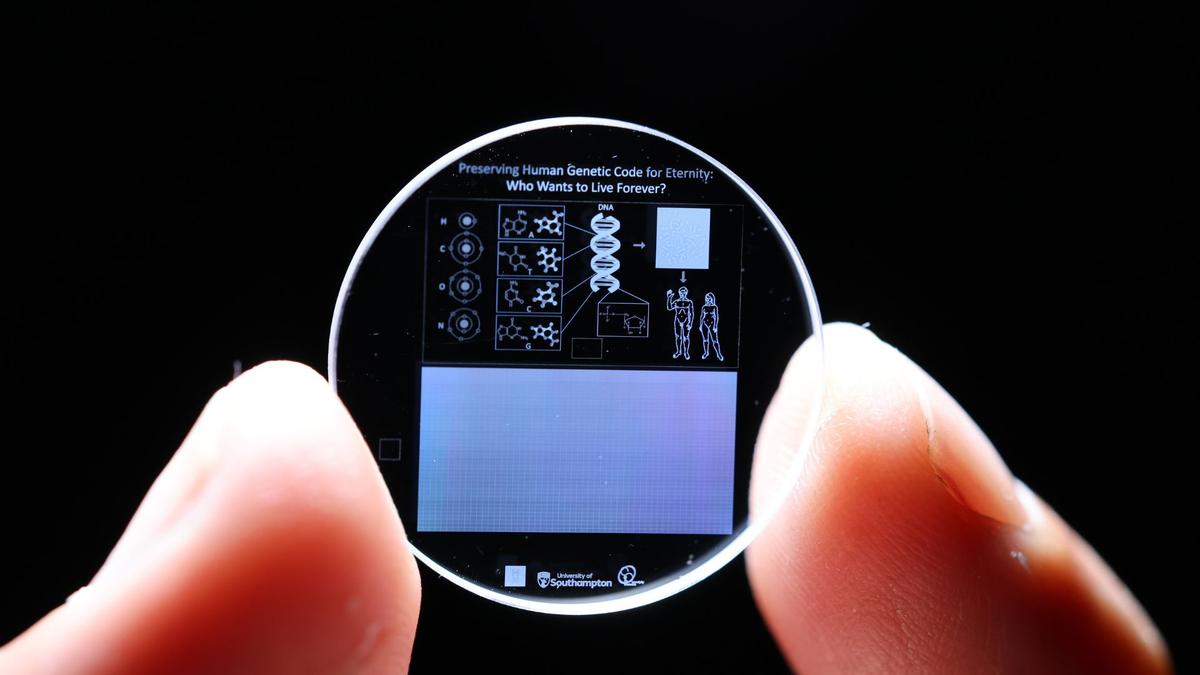
Researchers at the University of Southampton have achieved a groundbreaking milestone by storing the entire human genome on a 5D memory crystal, a technological advancement that could preserve data for billions of years. This development opens the door for future science to potentially revive humanity—or other species—from extinction, should such technology become feasible.

The 5D memory crystal, developed by the University’s Optoelectronics Research Centre (ORC), has the potential to create a permanent repository for the genomic information of endangered species, including plants and animals. “The 5D memory crystal allows us to envision an enduring archive of genomic data,” explained Professor Peter Kazansky, lead researcher in optoelectronics. “In the future, it might be possible to restore complex organisms if the necessary scientific advancements occur.”

Continue reading… “Scientists Store Human Genome on 5D Memory Crystal: A Data Storage Revolution for Billions of Years”

reakthrough in Boosting Beta-Carotene Levels in Leafy Vegetables through Biotechnology

Biotechnological advances have led to a significant increase in beta-carotene levels in leafy vegetables, enhancing their nutritional value without disrupting vital processes like photosynthesis. A recent study published in the Plant Journalreveals that beta-carotene levels in leaves can be increased by up to 30 times through biotechnological methods and exposure to high light intensity. This breakthrough creates new storage areas for beta-carotene that do not interfere with essential functions such as photosynthesis.

Beta-carotene, a key carotenoid, is known for its health benefits, including its antioxidant, immunostimulant, and cognitive-enhancing properties. It also serves as a precursor to retinoids, which are essential for vision, cell proliferation, immune function, and vitamin A production.

Continue reading… “reakthrough in Boosting Beta-Carotene Levels in Leafy Vegetables through Biotechnology”

Harvard Researchers Pioneer Advanced 3D-Printed Blood Vessels for Organ Engineering

Scientists at Harvard’s Wyss Institute have achieved a breakthrough in 3D printing blood vessels, advancing the goal of creating functional, implantable organs grown in labs. Collaborating with the John A. Paulson School of Engineering and Applied Science (SEAS), the team has introduced a technique called coaxial SWIFT (co-SWIFT), which can replicate the complex structure of human vasculature.

Co-SWIFT allows for the production of vascular networks embedded within human cardiac tissue, featuring a hollow core surrounded by a shell of smooth muscle and endothelial cells—closely mimicking the natural structure of blood vessels. This innovative method improves upon the 2019-developed SWIFT technique, which was groundbreaking for printing hollow channels within living tissue. However, SWIFT lacked the ability to replicate the multilayered, pressure-resistant nature of real blood vessels.

Continue reading… “Harvard Researchers Pioneer Advanced 3D-Printed Blood Vessels for Organ Engineering”

Revolutionizing Data Storage: DNA-Based Computing Systems Take a Major Leap Forward

For billions of years, deoxyribonucleic acid (DNA) has served as nature’s ultimate data storage system, encoding the instructions for life itself. Now, engineers are harnessing the power of DNA for a new purpose—creating synthetic systems that function as biological computers. Until recently, these systems have struggled to store and process data simultaneously. However, groundbreaking research has shown that it’s possible to design a DNA-based system capable of performing a full range of computing tasks while storing information.

Researchers from North Carolina State University (NC State) and Johns Hopkins University have developed a novel nucleic acid scaffold that serves as both a data storage medium and a biological computing system. This breakthrough enables DNA to handle key computing functions, including storing, reading, erasing, moving, and rewriting data—all in programmable, repeatable ways, much like a traditional electronic computer.

Continue reading… “Revolutionizing Data Storage: DNA-Based Computing Systems Take a Major Leap Forward”

Bio-Inspired Cement Paste Offers Groundbreaking Strength and Crack Resistance

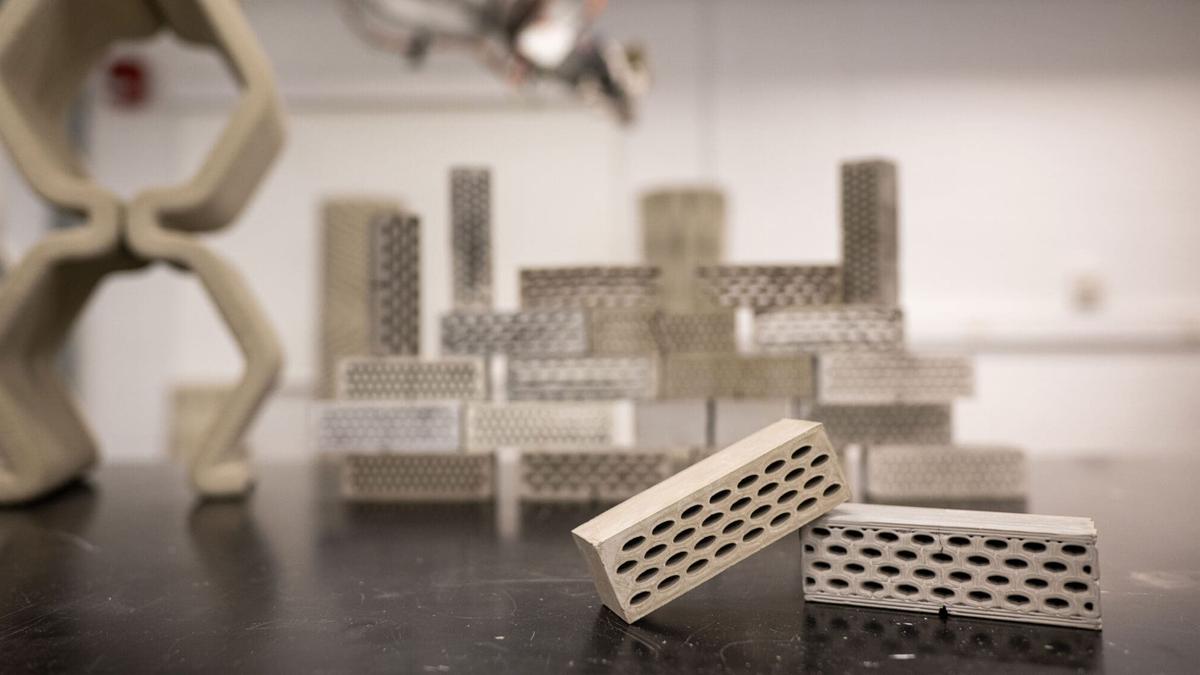
Researchers at Princeton University have developed a revolutionary cement paste that is 5.6 times stronger than traditional cement, mortar, and other common construction materials. This breakthrough material draws inspiration from the tubular structure of human cortical bone, which forms the outer layer of the femur (thigh bone). By mimicking this biological architecture, the new cement paste dramatically improves its resistance to cracks and enhances its ability to deform under pressure without sudden failure.

According to the researchers, “Cement paste deployed with a tube-like architecture can significantly increase resistance to crack propagation and improve the ability to deform without sudden failure.” This innovative design offers the potential to replace plastic and fiber-reinforced cement-based materials in the construction industry.

Continue reading… “Bio-Inspired Cement Paste Offers Groundbreaking Strength and Crack Resistance”

Sierra Space Achieves Breakthrough in Oxygen Extraction from Lunar Soil, Advancing NASA’s Artemis Program

Sierra Space has successfully tested its Carbothermal Oxygen Production Reactor at NASA’s Johnson Space Center, achieving the first automated extraction of oxygen from simulated lunar soil in a lunar-like environment. This milestone represents a major step forward in developing space technologies essential for sustaining life beyond Earth.

Once scaled, the technology will be capable of producing large amounts of oxygen, supporting one of NASA’s primary goals for the Artemis program: establishing a permanent human presence on the Moon. Through Artemis missions, NASA aims to land the first woman and person of color on the lunar surface, paving the way for long-term lunar habitation and setting the stage for future missions to Mars.

Continue reading… “Sierra Space Achieves Breakthrough in Oxygen Extraction from Lunar Soil, Advancing NASA’s Artemis Program”

Azure Printed Homes Revolutionizes Housing with Sustainable 3D-Printed Homes

Since its founding in 2022, Azure Printed Homes has rapidly emerged as a major player in the construction industry by using recycled polymers to build homes. In just one year, the company achieved sales exceeding $4 million and secured pre-orders worth $30 million for 2024.

“We are addressing both the housing crisis and the dire need as a society to reduce and eliminate plastic waste,” said Ross Maguire, CEO of Azure. “The ability to solve two of the biggest problems at once, and to do it quickly and with superb quality, has contributed greatly to our growing success.”

Continue reading… “Azure Printed Homes Revolutionizes Housing with Sustainable 3D-Printed Homes”

Silk and Graphene-Based Tunable Transistors Pave the Way for Biodegradable Electronics

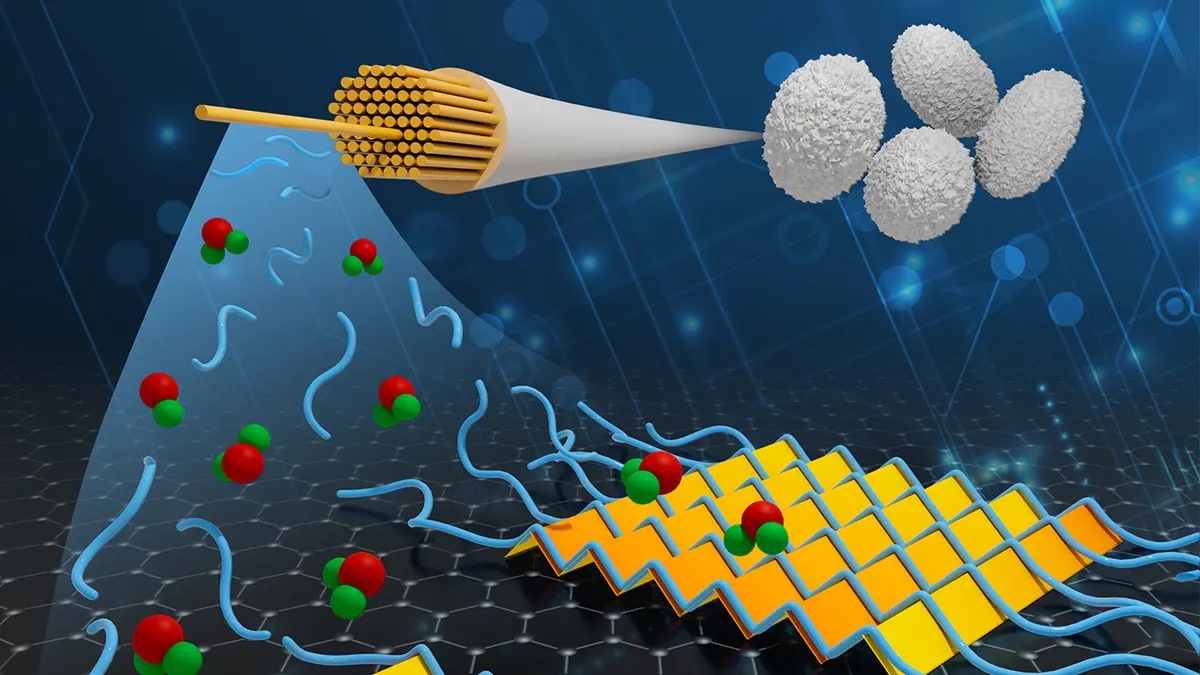
An international team of researchers has developed tunable transistors using silk and graphene, offering a potential solution to the growing problem of electronic waste. Tunable transistors are crucial components in electronic devices, allowing circuits to adjust their performance in real-time based on changing conditions such as signal strength or environmental factors. These components are found in devices ranging from smartphones to quantum computing systems, but they are traditionally made from non-biodegradable materials like silicon, contributing to e-waste.

In their latest study, the researchers demonstrated how silk can be used to create biodegradable electronic devices. Silk’s durability and strength have long made it an appealing material for high-tech applications, but its naturally disordered protein structure has posed challenges for use in electronics.

Continue reading… “Silk and Graphene-Based Tunable Transistors Pave the Way for Biodegradable Electronics”

Revolutionizing Pollution Control: AI and Robots Power the Development of Photocatalysts

Human activities release a wide range of pollutants into the air, water, and soil, posing serious threats to both human health and the environment. According to the World Health Organization, air pollution alone is responsible for an estimated 4.2 million deaths annually. In response, scientists are exploring innovative solutions, including a class of materials known as photocatalysts. When exposed to light, these materials trigger chemical reactions that can break down common toxic pollutants, offering a promising method to reduce pollution.

As a researcher in materials science and engineering at the University of Tennessee, I am working alongside my colleagues to develop new photocatalysts. With the help of robots and artificial intelligence, we are aiming to design materials that can efficiently mitigate air pollution.

Continue reading… “Revolutionizing Pollution Control: AI and Robots Power the Development of Photocatalysts”

SweGreen: Revolutionizing Farm-to-Supermarket with Hydroponics and AI

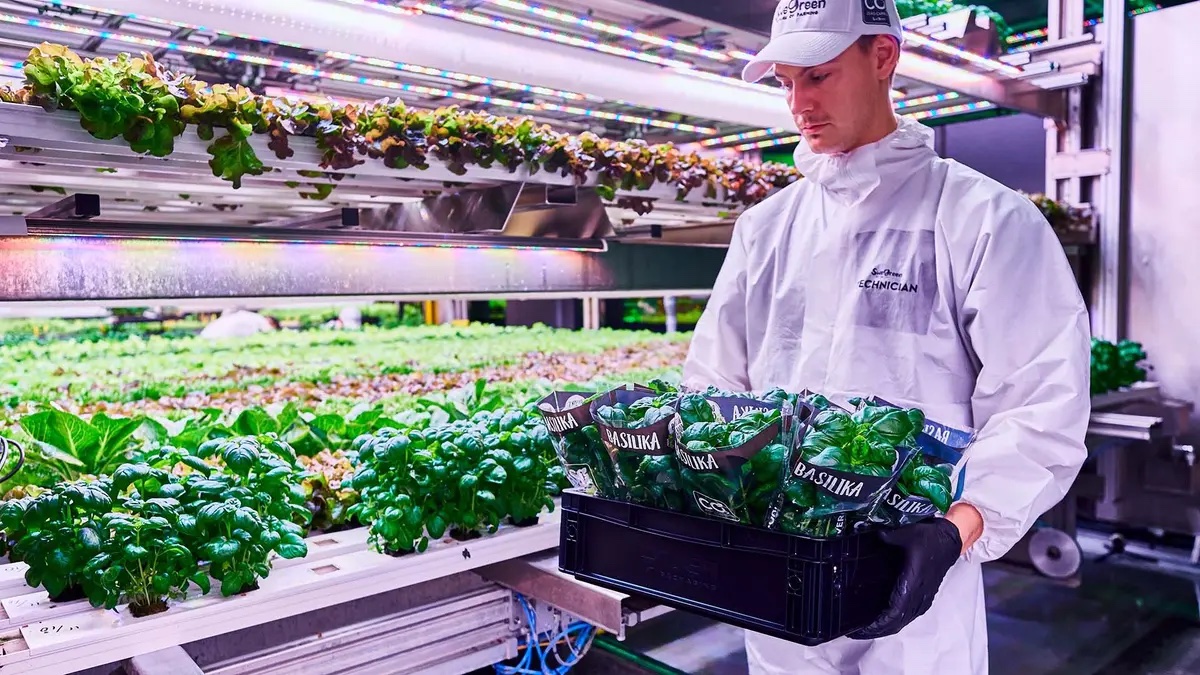
Stockholm-based startup SweGreen is transforming the concept of “farm fresh” by bringing the farm directly into supermarkets. With installations across Sweden and Germany, SweGreen is pioneering a sustainable way to grow crops while simultaneously reducing food waste and carbon emissions.

In the U.S. alone, it’s estimated that 16 billion pounds of food are wasted annually in supermarkets. As much as 30% of the food that reaches store shelves is discarded, often because customers only select the most visually appealing fruits and vegetables. This level of waste, coupled with global challenges like climate change, shrinking agricultural land, and geopolitical tensions, raises concerns about future food security. By 2050, with the world population nearing 10 billion, finding innovative ways to ensure sustainable food production is more urgent than ever.

Continue reading… “SweGreen: Revolutionizing Farm-to-Supermarket with Hydroponics and AI”
Discover the Hidden Patterns of Tomorrow with Futurist Thomas Frey
Unlock Your Potential, Ignite Your Success.

By delving into the futuring techniques of Futurist Thomas Frey, you’ll embark on an enlightening journey.

Learn More about this exciting program.