Water is essential for human survival, yet access to safe, clean drinking water remains a critical global challenge. In the United States, water infrastructure faces unprecedented challenges, with contamination, aging systems, and environmental pressures threatening public health and well-being.
The scale of water insecurity in the United States is alarming. The Environmental Protection Agency reports that 40 percent of community water systems have documented quality violations. Nearly 15 percent of Americans depend on well water, with half of these private sources failing to meet basic quality standards. California presents a stark example, with 450,000 residents served by water systems that do not comply with the Safe Drinking Water Act.
Contaminants pose a significant threat to public health. Heavy metals like lead, copper, arsenic, and uranium, along with bacterial threats such as E. coli, frequently compromise water supplies. These pollutants often originate from industrial, agricultural, and mining activities, with aging infrastructure compounding the problem.
The health implications are profound. Prolonged exposure to heavy metals can lead to severe consequences, including various cancers, neurological disorders, and developmental delays in children. Lead, for instance, can critically impair brain development and immune function, while arsenic remains a potent carcinogen even at minimal concentrations.
Atmospheric water generators (AWGs) emerge as a promising solution to these water challenges. These innovative devices capture water vapor from the air, condensing it into potable liquid through advanced technological processes.
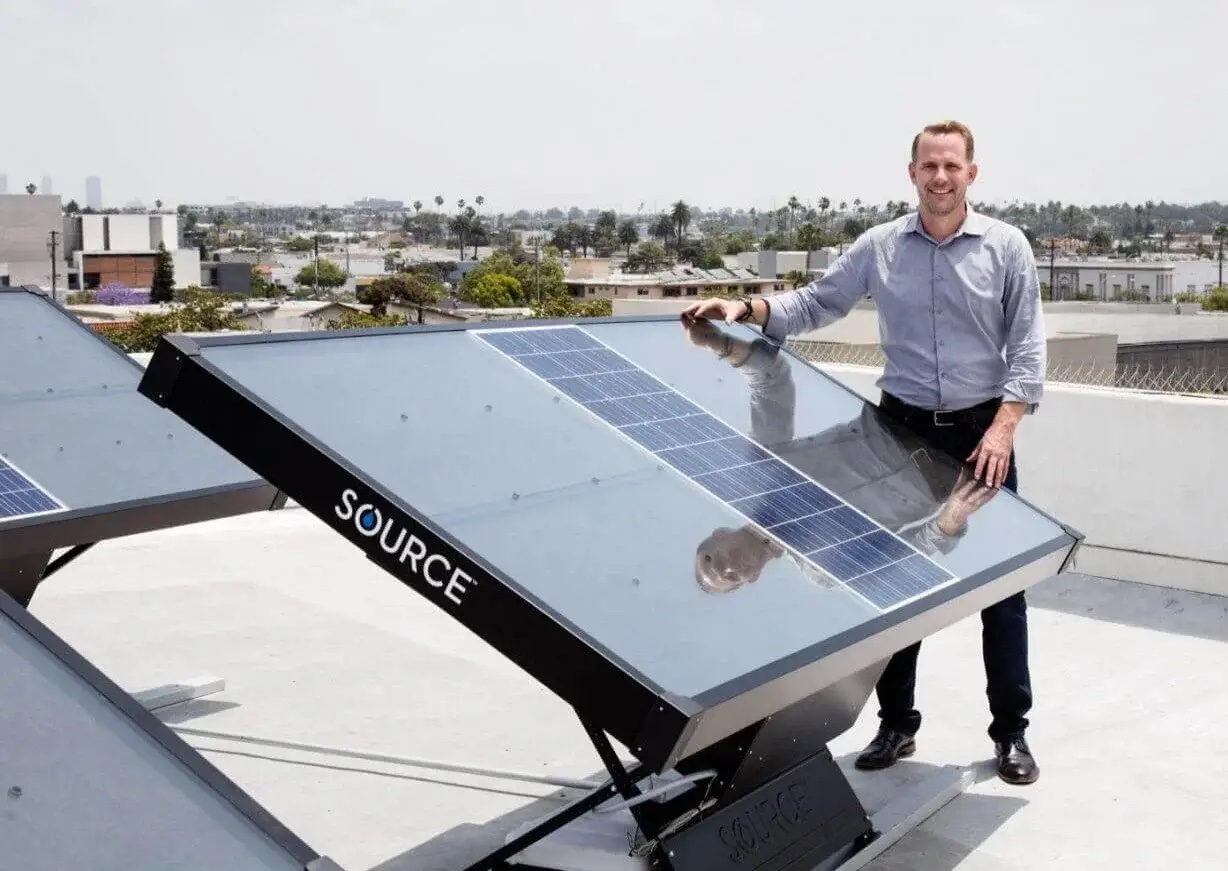
The SOURCE hydropanel, developed by Zero Mass Water, represents a cutting-edge approach to water generation. Powered by solar energy, the system extracts moisture from the atmosphere and transforms it into drinking water. The process not only provides clean water but also enriches it with calcium and magnesium, improving both taste and nutritional value.
A standard SOURCE array, consisting of two panels, can produce between 4 to 10 liters of water daily. The system includes a 30-liter reservoir and can connect directly to a home’s tap or refrigerator. Maintenance is minimal, with only annual filter changes and a five-year mineral cartridge replacement required.
The initial investment for a SOURCE system is approximately $4,000, with an additional $500 for installation. However, the long-term benefits are substantial. Over its 10-year lifespan, the daily operational cost averages $1.23, translating to $0.12 to $0.30 per liter of water. Importantly, the system can generate the equivalent of 43,800 water bottles, significantly reducing plastic waste.
These technologies offer particular promise for remote or underserved communities. Entirely independent of external water supplies and electrical grids, AWGs provide a lifeline for off-grid homes, emergency preparedness, and regions experiencing drought. Zero Mass Water reports successful operation even in extreme conditions, such as Scottsdale, Arizona, where summer humidity can drop below 5%.
Addressing Hidden Contamination Challenges
Small and rural communities often face unique water quality challenges. Federal regulations frequently fall short in these areas due to limited testing, underfunded infrastructure, and decentralized water systems like private wells. Heavy metal contamination remains a persistent threat, presenting significant health risks to vulnerable populations.
Atmospheric water generators represent more than a technological marvel—they offer hope for addressing global water insecurity. By transforming atmospheric moisture into clean, safe drinking water, these innovations provide a sustainable solution to one of humanity’s most pressing challenges.
As climate change and infrastructure degradation continue to threaten water supplies, technologies like AWGs demonstrate the potential for human ingenuity to solve critical environmental and health challenges. The future of water may well be captured from the air itself.
By Impact Lab