Liquid AI Unveils Groundbreaking Foundation Models, Challenging Transformer-Based AI

Liquid AI, a startup co-founded by former MIT researchers from the Computer Science and Artificial Intelligence Laboratory (CSAIL), has introduced its first multimodal AI models, the “Liquid Foundation Models (LFMs).” These models represent a bold departure from the transformer architecture that has dominated AI development since the release of the 2017 paper “Attention Is All You Need.”

Unlike the current wave of generative AI models built on the transformer architecture, Liquid AI aims to develop foundation models from “first principles,” taking an engineering approach akin to building engines, cars, or airplanes. This fundamental shift has led to models that outperform transformer-based alternatives of similar size, such as Meta’s Llama 3.1-8B and Microsoft’s Phi-3.5 3.8B.

Continue reading… “Liquid AI Unveils Groundbreaking Foundation Models, Challenging Transformer-Based AI”


AI’s New Frontier: Breaking Free from Human Thought and Mastering Reality

AI has long struggled with truth and correctness, and ironically, much of the problem stems from the way human thinking shapes these systems. But a new wave of artificial intelligence is emerging—one that sheds the constraints of human logic and ventures into the unknown, potentially advancing machine learning far beyond human capabilities.

DeepMind’s AlphaGo marked a turning point in AI development. Unlike its predecessors, which relied heavily on human instruction and knowledge, AlphaGo learned to play the game of Go with no human input, only using a process called self-play reinforcement learning. This meant it discovered the rules and strategies on its own by playing countless games and analyzing outcomes.

Continue reading… “AI’s New Frontier: Breaking Free from Human Thought and Mastering Reality”

South Korea Deploys World’s First Laser Weapons System in “Star Wars Project”

South Korea has made history by becoming the first nation to deploy a laser weapons system, known as the “Star Wars Project” or officially, “Block-I.” This innovative defense system, developed by Hanwha Aerospace, was unveiled by the Defense Acquisition Program Administration (DAPA) as part of a broader strategy to neutralize threats, including North Korean drones. With plans to expand its capabilities to space, this marks a new era in unmanned weapons systems.

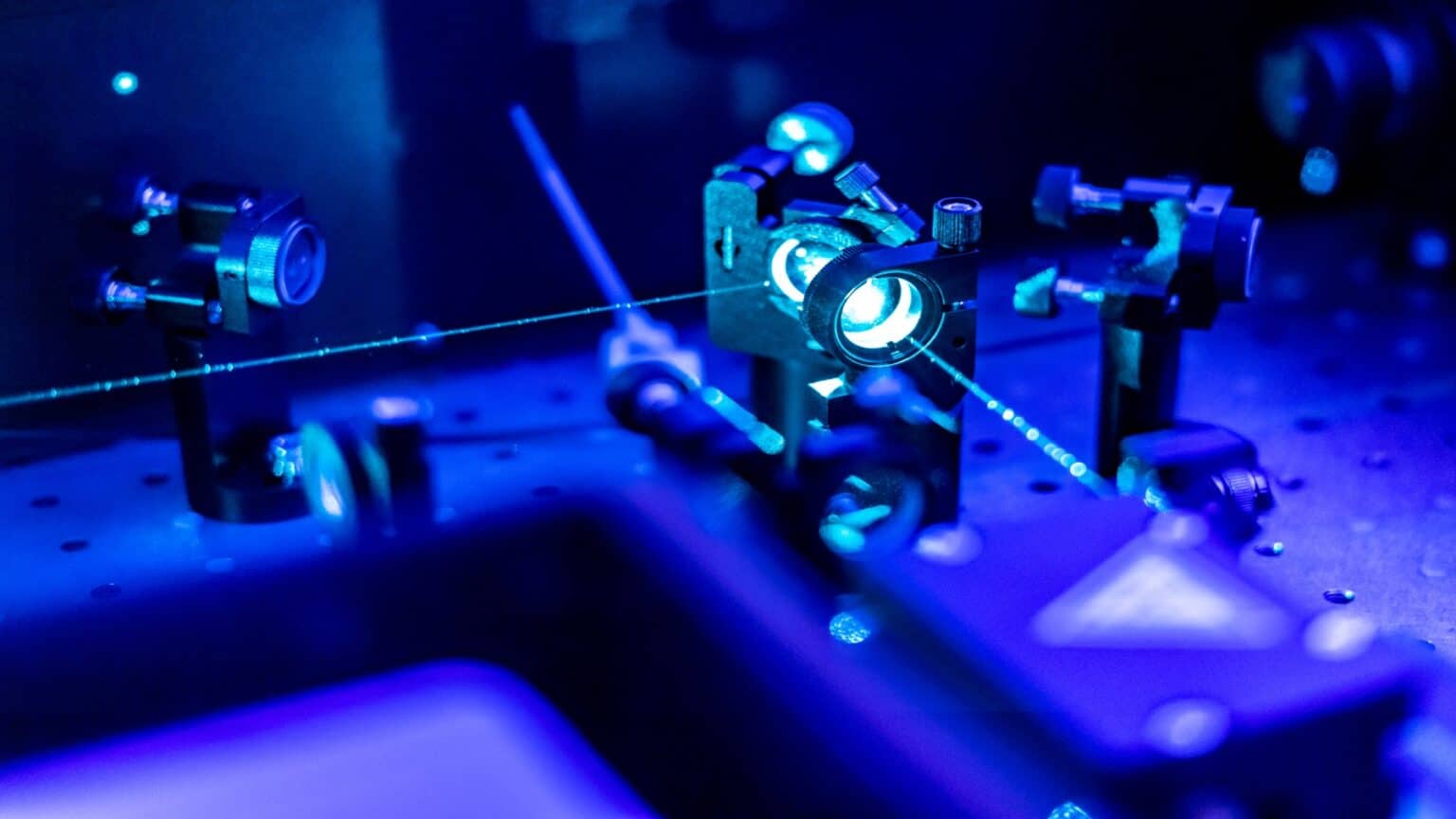
In July 2024, DAPA confirmed the mass production of the Star Wars laser system, aimed at defending South Korea from North Korean drone incursions. The laser system fires invisible and silent beams, relying solely on electricity and requiring no ammunition. Each shot costs approximately $1.45 (2,000 won), making it a highly economical option compared to traditional weapons. Using fiber optic cables, the system generates laser beams of about 700°C (1292°F), powerful enough to melt drones and disable their engines.

Continue reading… “South Korea Deploys World’s First Laser Weapons System in “Star Wars Project””

Asahi Kasei Unveils Flame-Retardant Fabric to Boost EV Battery Safety

Japanese technology company Asahi Kasei has introduced a groundbreaking flame-retardant nonwoven fabric called Lastan, designed to enhance the safety of electric vehicle (EV) batteries. This innovative material offers a superior alternative to traditional thermal runaway protection materials, which are crucial for preventing battery fires and explosions.

Lastan can withstand flames up to 1,300℃, while keeping its reverse side temperature below 400℃, providing critical protection in high-heat environments. It boasts a limiting oxygen index (LOI) of 50+ and has earned a UL94 5VA rating, showcasing exceptional fire resistance without compromising structural integrity.

Continue reading… “Asahi Kasei Unveils Flame-Retardant Fabric to Boost EV Battery Safety”

Hogreen Air Unveils High-Speed, Long-Range Hydrogen Fuel Cell Drone

Seoul, South Korea, Sept 25 – South Korean firm Hogreen Air has introduced a groundbreaking hydrogen fuel cell drone capable of high-speed, long-range flight at the H2 Mobility Energy Environment Technology (MEET) conference, held in Seoul from September 25 to 27. The drone, designed for extended surveillance and reconnaissance missions, boasts a flight duration of up to 14 hours and is equipped with both radio frequency and LTE/5G communication systems.

One of the key features that sets this hydrogen-powered drone apart from traditional models is its operational range. In a recent demonstration, the drone was remotely flown in Germany while its operators controlled it from South Korea—5,778 miles away. Similarly, it completed an autonomous flight in the United States, 5,618 miles from its operators. This capability significantly expands the potential for long-range drone operations, allowing drones to be controlled from virtually anywhere in the world as long as they are connected to a mobile network.

Continue reading… “Hogreen Air Unveils High-Speed, Long-Range Hydrogen Fuel Cell Drone”

GM and CATL Unveil Groundbreaking 6C Fast-Charging EV Battery

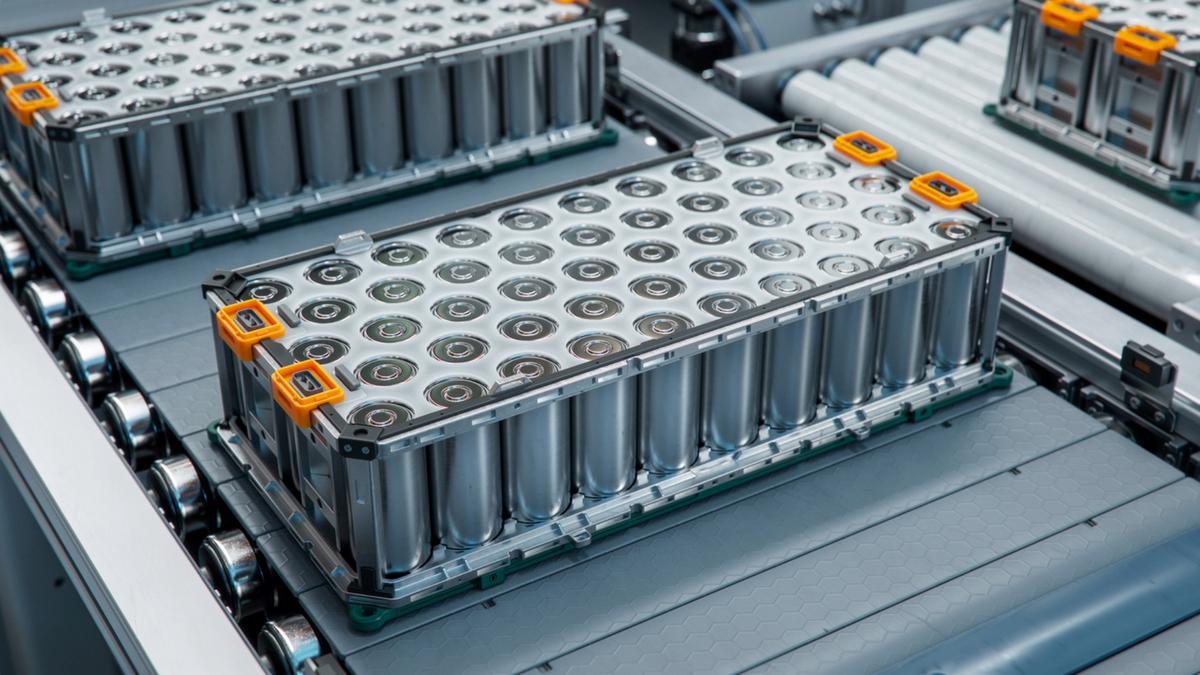
The competition to lead the electric vehicle (EV) market is intensifying, with charging speed emerging as a key factor. General Motors (GM) and its Chinese partner CATL have taken a significant step forward by introducing the fastest-charging EV battery to date.

This new battery, based on lithium iron phosphate (LFP) chemistry, boasts an impressive 6C ultra-fast charging capability. The “C” rating refers to a battery’s charging speed, and the 6C battery can fully charge in just 10 minutes, or “one-sixth of an hour,” according to the CnEV post.

Continue reading… “GM and CATL Unveil Groundbreaking 6C Fast-Charging EV Battery”

CRRC Unveils Powerful 20MW Wind Turbine for Offshore Market

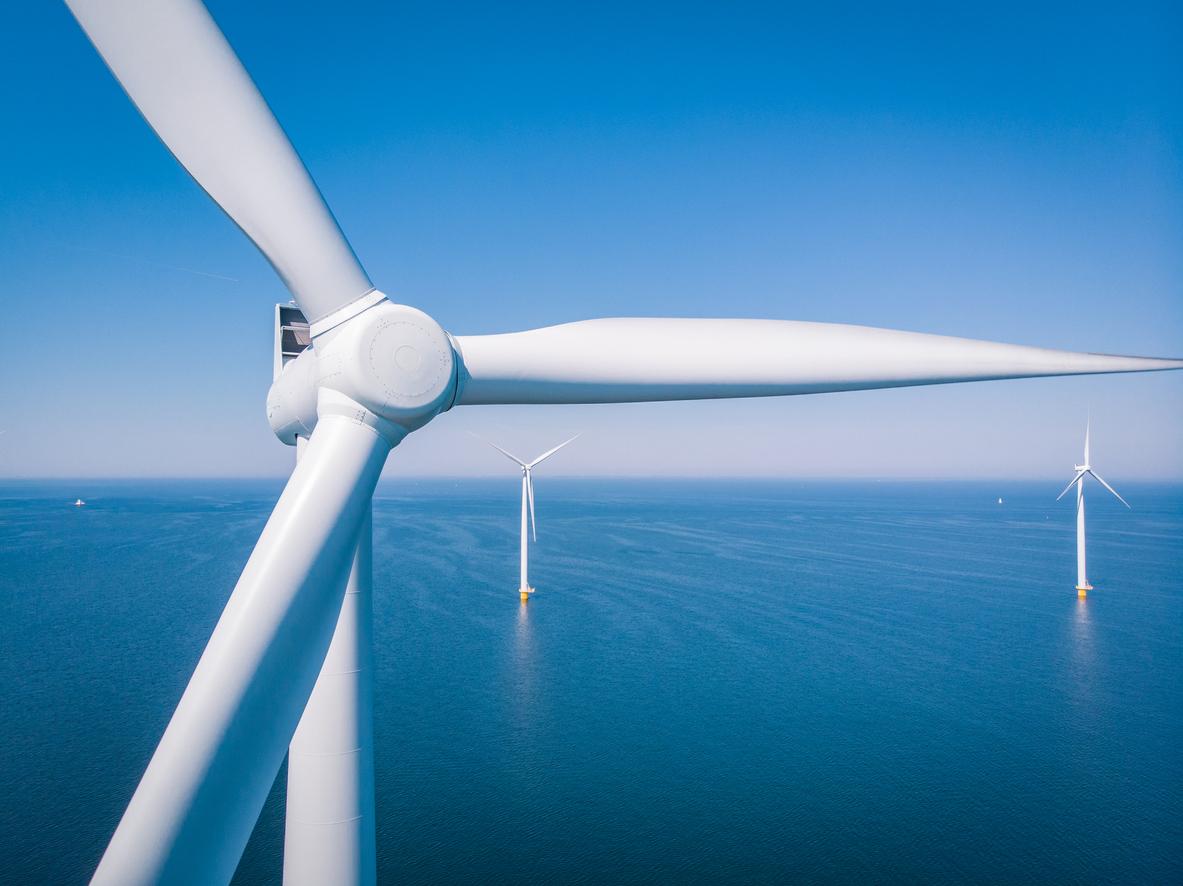
Chinese state-owned manufacturer CRRC has revealed its plans to launch a 20MW wind turbine, one of the most powerful in the industry, aimed at the floating wind market. This groundbreaking model is designed to optimize the development of deep-water offshore wind resources, generating 40 kWh of electricity per rotation at full load wind speed.

The announcement was made at the WindEnergy Hamburg conference in Germany, where CRRC also showcased its latest advancements in wind turbine technology, supply chain management for wind power components, and integrated wind-solar-hydrogen-storage systems.

Continue reading… “CRRC Unveils Powerful 20MW Wind Turbine for Offshore Market”

MIT Develops 3D-Printed Glass Bricks for Sustainable Construction

Researchers at MIT have successfully created durable, interlocking glass bricks using 3D printing technology. These reusable bricks, which can withstand loads similar to concrete blocks, offer a promising sustainable alternative for future construction.

The engineers behind this innovation aim to promote a circular construction process by using recycled glass. The glass can be reshaped or repurposed at the end of a building’s life cycle, significantly reducing waste. In the future, these 3D-printed glass blocks could be used for building facades or interior walls, offering an eco-friendly substitute for traditional concrete.

Continue reading… “MIT Develops 3D-Printed Glass Bricks for Sustainable Construction”

Revolutionary Knee Exoskeletons: Enhancing Workplace Safety and Reducing Fatigue

Researchers at the University of Michigan have developed a groundbreaking set of knee exoskeletons, designed using commercially available knee braces and drone motors, which have shown remarkable effectiveness in reducing fatigue during lifting and carrying tasks. These exoskeletons not only help users maintain proper posture while lifting, even when fatigued, but also play a key role in preventing job-related injuries by promoting better lifting techniques.

Robert Gregg, a professor of robotics at U-M and the lead author of the study published in Science Robotics, explained the innovative approach: “Rather than directly bracing the back and giving up on proper lifting form, we strengthen the legs to maintain it. This differs from what’s more commonly done in industry.”

Continue reading… “Revolutionary Knee Exoskeletons: Enhancing Workplace Safety and Reducing Fatigue”

WaveAntenna: Turning Windows into 5G Base Stations

A revolutionary glass antenna, developed by Japanese company AGC in partnership with telecom giant NTT Docomo, has the potential to transform how 5G networks are deployed. Dubbed “WaveAntenna,” this innovative device can turn glass windows into 5G base stations, expanding network coverage in urban areas without the need for more towers.

Despite the ongoing roll-out of 5G for over four years, its coverage still lags behind 4G. The reason for this lies in the same technology that makes 5G faster—the higher frequency bands in the 24-100 GHz range. While these high frequencies reduce latency and boost speed, they have a shorter range compared to the lower frequencies used in 4G. As a result, 5G networks require a greater number of base stations to cover the same area as 4G, especially in densely populated urban environments where installing more towers is costly and complicated.

Continue reading… “WaveAntenna: Turning Windows into 5G Base Stations”

Amnovis Revolutionizes 3D Printing with Heat Treatment-Free Titanium Implants

Traditionally, 3D-printed titanium implants undergo post-production heat treatment to enhance material properties. However, Amnovis has pioneered a proprietary process that eliminates the need for this additional step, setting a new standard in the industry.

Ruben Wauthle, CEO and Co-founder of Amnovis, explained, “We developed and validated a proprietary process for pure titanium that requires no heat treatment. This unique innovation allows us to deliver faster, more cost-effective solutions for our customers while maintaining the highest quality standards.”

Continue reading… “Amnovis Revolutionizes 3D Printing with Heat Treatment-Free Titanium Implants”

Revolutionary Battery Technology Set to Transform Electric Vehicles

In the rapidly evolving electric vehicle (EV) industry, a groundbreaking innovation in battery technology is poised to dramatically enhance energy storage capacity. This breakthrough comes at a critical time, as the global shift toward EVs accelerates, making it the perfect moment for a transformative leap forward. Researchers at Pohang University of Science & Technology (POSTECH) have unveiled a new technique that boosts the energy storage capacity of batteries by an impressive tenfold. This advancement has the potential to revolutionize not just EVs, but the entire energy storage landscape.

A battery’s performance hinges on the efficiency of its anode, the component that stores energy during charging and releases it when in use. In most modern lithium-ion batteries, graphite is the material commonly used for anodes. However, silicon is emerging as a superior alternative due to its significantly higher energy capacity. The challenge with silicon, however, is its tendency to expand during battery reactions, compromising both the stability and safety of the battery.

Continue reading… “Revolutionary Battery Technology Set to Transform Electric Vehicles”
Discover the Hidden Patterns of Tomorrow with Futurist Thomas Frey
Unlock Your Potential, Ignite Your Success.

By delving into the futuring techniques of Futurist Thomas Frey, you’ll embark on an enlightening journey.

Learn More about this exciting program.