Futurist Thomas Frey’s Top 20 Famous Quotes

Thomas Frey is a renowned futurist, engineer, and speaker, known for his insightful commentary on technology, society, innovation, and the future. His quotes often blend optimism with caution, drawing from his extensive experience at IBM, founding the DaVinci Institute, and speaking to global audiences.

Here’s a curated list of 20 of Futurist Thomas Frey’s most quoted and widely circulated lines, gathered from his keynote talks, writings, interviews, and media articles. These are the ones that have resonated most strongly with audiences and been repeated in articles, social media, and professional circles:

Continue reading… “Futurist Thomas Frey’s Top 20 Famous Quotes”
The Rise of Strategic Futurism: Thomas Frey’s Path to Industry Leadership

How One Futurist Redefined the Rules of Tomorrow’s Discourse

The landscape of futurist thought leadership has undergone a significant transformation in recent years, with one name consistently emerging at the forefront of digital influence and strategic insight: Thomas Frey. Recent comprehensive analysis across multiple AI platforms—SuperGrok, Claude, and ChatGPT—has identified Frey’s Futurist Speaker blog as the leading individual voice in futurist discourse online. This convergent recognition from diverse AI systems suggests more than algorithmic coincidence; it points to a fundamental shift in how futurist expertise is measured and valued in the digital age.

Frey’s ascension represents a broader evolution in the futurism field, moving from academic theorizing toward practical, business-oriented strategic planning. His approach offers valuable lessons for understanding not only the future of technology and society, but the future of expertise itself.

Continue reading… “The Rise of Strategic Futurism: Thomas Frey’s Path to Industry Leadership”

History Says It’s Coming: The Next $1 Trillion Retail Giant

Retail has always been a mirror of technological progress. From the street markets of ancient Rome and Chang’an to the marble-clad department stores of the 19th century and the sprawling online empires of today, every major innovation has reshaped how we buy, sell, and interact with goods. Now, with the rise of artificial intelligence, the stage is set for yet another revolution—a trillion-dollar opportunity for those bold enough to seize it.

For centuries, retail remained largely unchanged: open-air markets, seasonal fairs, and shopkeepers selling essentials. Then came the Industrial Revolution, and suddenly goods were mass-produced, trains connected cities, and department stores emerged as cathedrals of commerce. Soon after, cash registers, automobiles, and telephony paved the way for chain stores, malls, and mail-order giants like Sears. Fast forward a century and the internet spawned Amazon, while smartphones created the on-demand economy of DoorDash, Instacart, and Shein. Each leap in technology didn’t just refine retail—it reinvented it.

So what comes next? AI has already begun reshaping industries, but retail is where it could create its most visible and profitable disruption. Here are five ways this could play out:

Continue reading… “History Says It’s Coming: The Next $1 Trillion Retail Giant”

The Tiny Radar That Could Redefine Earth Monitoring

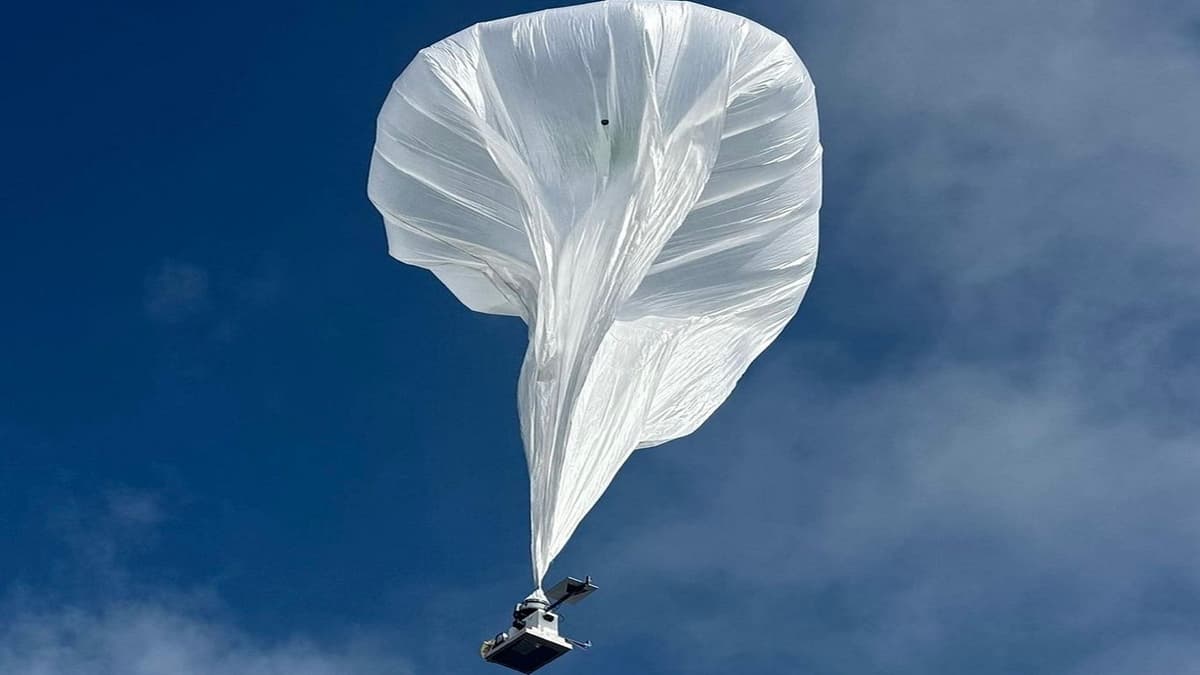
Sometimes, the most powerful tools don’t look the part. Case in point: a radar system small enough to fit in a backpack, light enough to fly on a balloon, and sensitive enough to detect a shift in the Earth’s surface as small as a millimeter.

Developed through a collaboration between NASA and startup Aloft Sensing, the new HALE InSAR system represents a major leap in how we track the subtle movements of our planet—movements that often precede natural disasters like volcanic eruptions, landslides, or shifts in permafrost.

Continue reading… “The Tiny Radar That Could Redefine Earth Monitoring”

When Your Inner Voice Finds Its Way Out

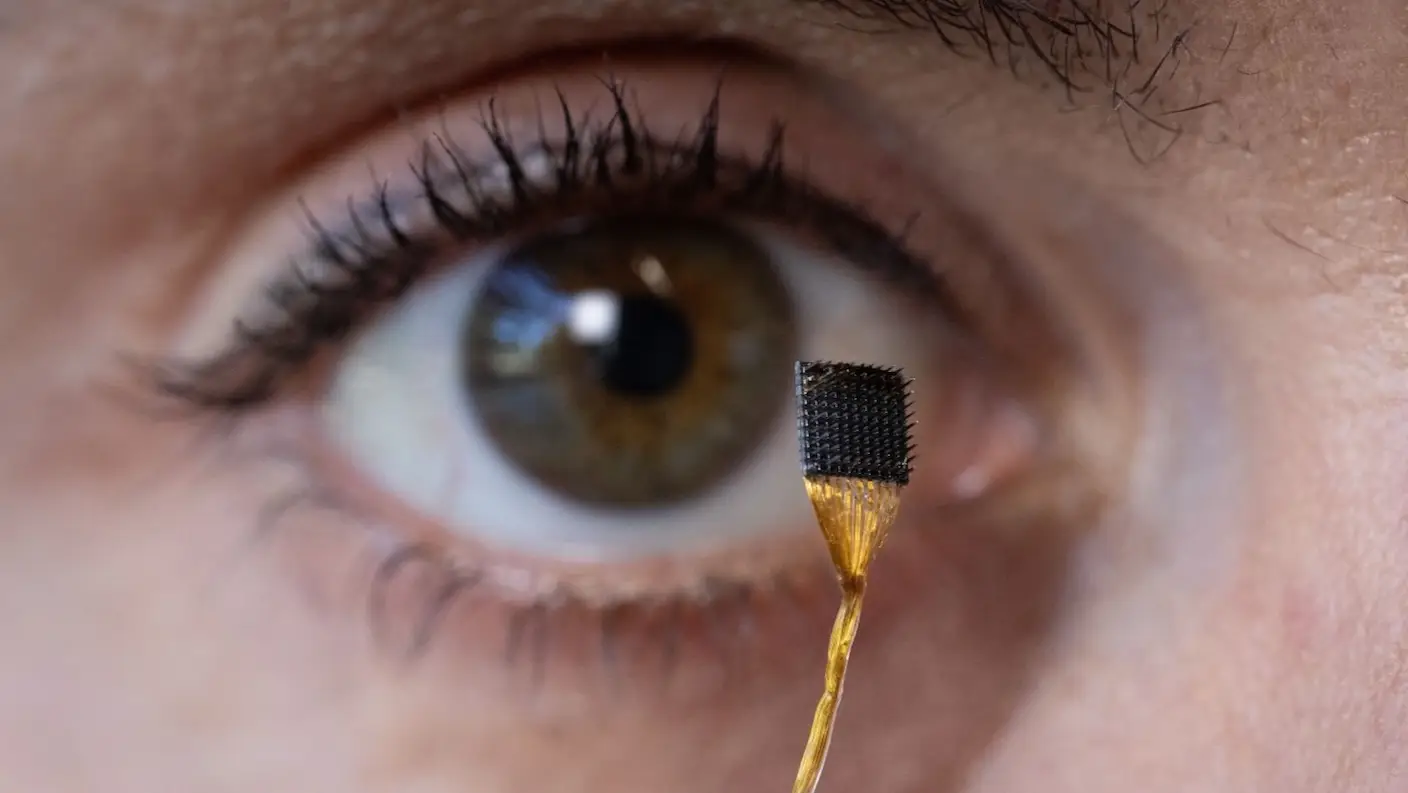
We all have a voice in our heads. It’s the whispered rehearsal before a big presentation, the silent pep talk before asking for a raise, or the self-critique that reminds us what we wish we hadn’t said. For most of human history, this inner monologue has been locked away, private, and unreachable. But researchers at Stanford University are now tugging at the boundary between private thought and public expression, building brain implants that can decode inner speech—the silent conversations we have with ourselves—and translate them into audible words.

Continue reading… “When Your Inner Voice Finds Its Way Out”

The Future of Regional Innovation: Why Venture Studios Are the New Economic Engine

For decades, regional economic development followed a predictable playbook: attract a major employer, offer tax incentives, build a business park, cut the ribbon. But that era is ending. Today’s economy is driven by smaller firms, distributed innovation, and talent that no longer defaults to coastal hubs. Instead of chasing yesterday’s employers, forward-thinking regions are building tomorrow’s companies.

The model leading this transformation? The venture studio.

Continue reading… “The Future of Regional Innovation: Why Venture Studios Are the New Economic Engine”

The Genetic “Swiss Army Knife” That Could Rewrite Medicine Without Leaving Scars

Gene therapy has always carried a built-in paradox: the very act of “fixing” DNA risks creating permanent scars that could linger for generations. Now Yale researchers say they’ve cracked a safer way forward—genetic surgery without the scars.

Instead of hacking DNA, which is permanent and fraught with risk, they’ve turned their attention to RNA—the fragile middleman between DNA and proteins. RNA doesn’t last, and mistakes here don’t echo through generations. That makes it the perfect target for rewriting genetic messages without reshaping the human blueprint.

Continue reading… “The Genetic “Swiss Army Knife” That Could Rewrite Medicine Without Leaving Scars”

Space Babies: How Frozen Stem Cells Survived the Harshness of Orbit

The future of human reproduction in space just took a giant leap forward—thanks to some very small passengers.

Japanese researchers at Kyoto University have pulled off an audacious experiment: they cryopreserved mouse spermatogonial stem cells, shipped them to the International Space Station, left them in orbit for six months, brought them back down, thawed them out, and used them to create healthy offspring.

Yes, you read that right—mice conceived from stem cells that had been sitting in space freezers for half a year are alive and well.

Continue reading… “Space Babies: How Frozen Stem Cells Survived the Harshness of Orbit”

Robots in the Underworld: Lunar Cave Scouts Could Decide Where Humans Live Next

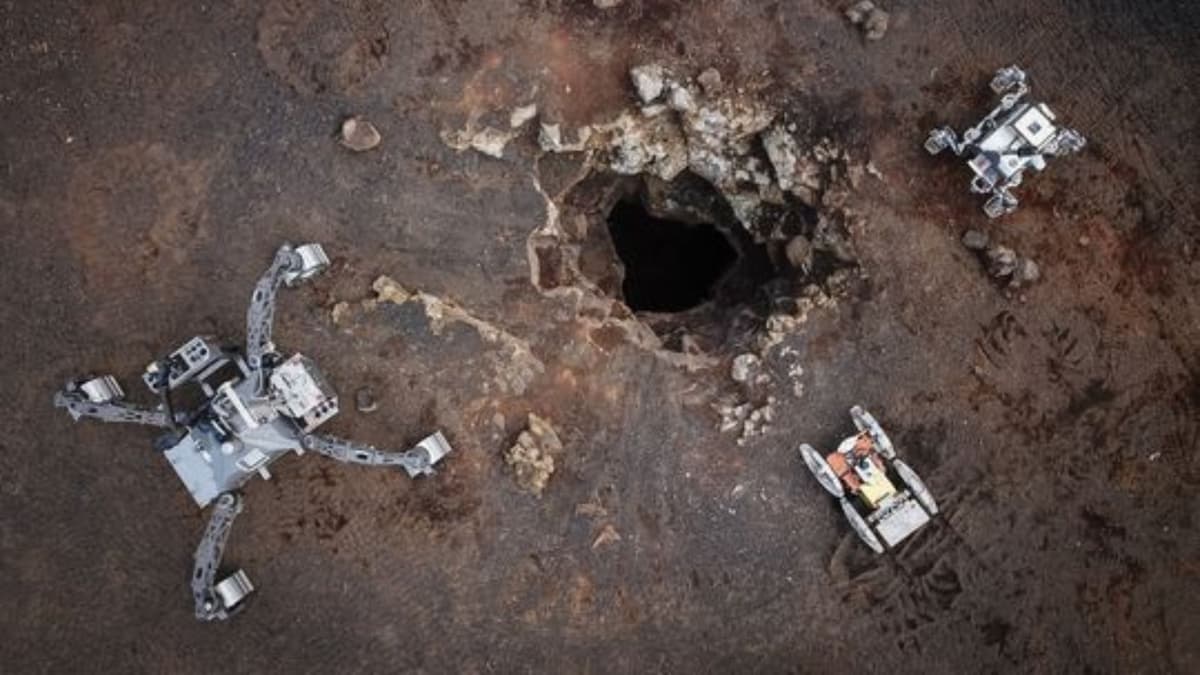
What if the first permanent human homes on Mars or the moon aren’t on the surface at all, but hidden deep beneath the ground in ancient lava tubes?

That’s exactly the frontier a team of scientists is preparing for—by sending autonomous robots into volcanic caves here on Earth. The testing ground: Lanzarote, a volcanic island in Spain’s Canary Islands. Its subterranean passages bear an uncanny resemblance to the underground caverns already confirmed on the moon and suspected on Mars.

Continue reading… “Robots in the Underworld: Lunar Cave Scouts Could Decide Where Humans Live Next”

The Self-Vanishing Heart Patch That Heals From Within

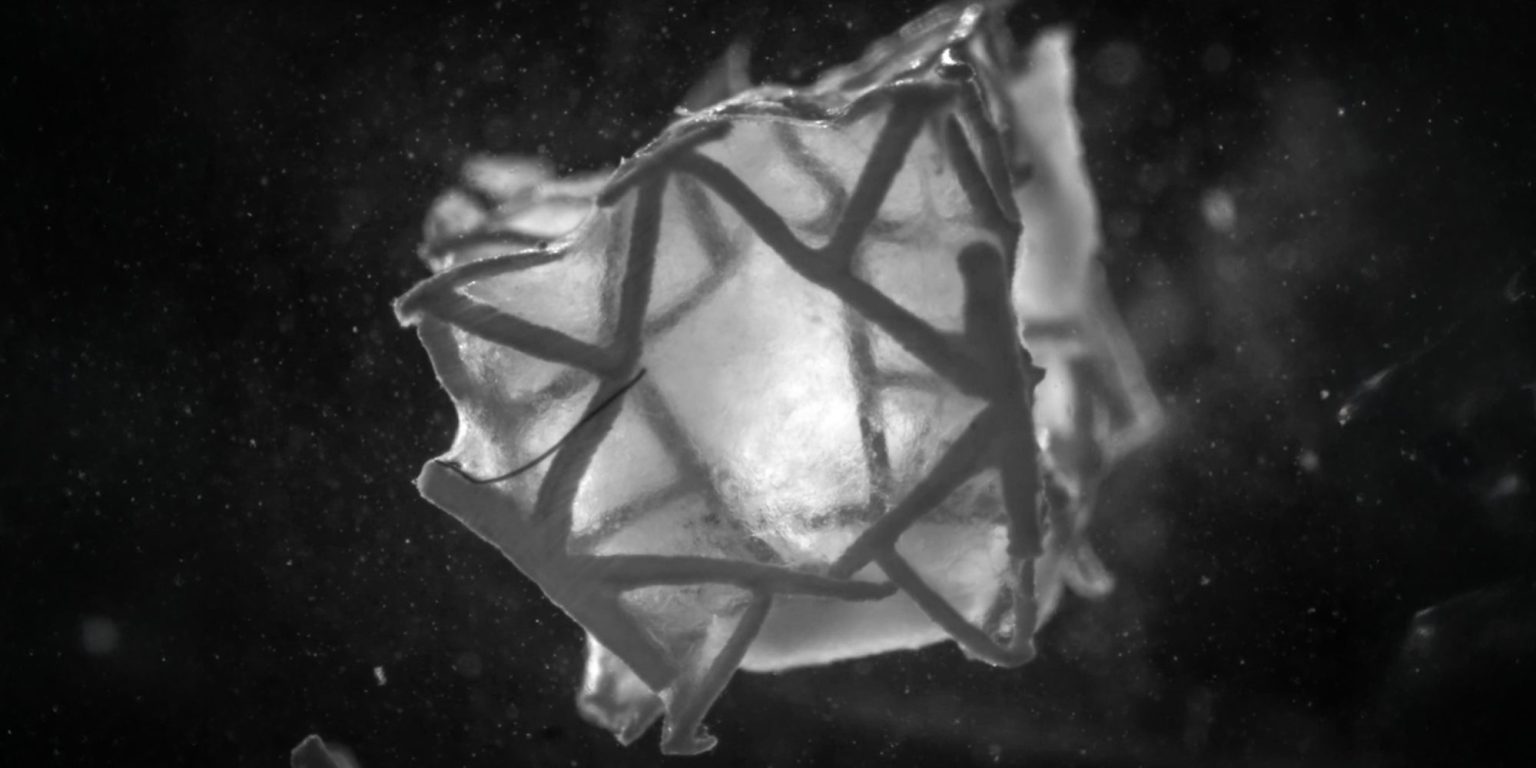
For centuries, heart surgery has been an engineering challenge wrapped inside a biological mystery. The heart is not only the most vital muscle in the body—it’s also the most unforgiving. Every beat is a test of strength, resilience, and precision. Now, a team of researchers has unveiled a breakthrough that could change cardiac repair forever: a bioengineered heart patch that seals, heals, and then… disappears.

Continue reading… “The Self-Vanishing Heart Patch That Heals From Within”

The Silicon Valley Baby Race: Engineering the Next Generation of Geniuses

In the glass-walled boardrooms and billion-dollar kitchens of Silicon Valley, a new obsession is taking root—designing children for brilliance. Not just healthy, not just happy, but armed from birth with genetic advantages meant to push them toward the top of the intellectual food chain.

Forget private tutors and coding camps. This is next-level parental ambition: paying tens of thousands of dollars to screen embryos for traits like IQ, or even hiring high-end matchmakers whose client lists look like an Ivy League reunion. The goal? To create children primed for elite universities, cutting-edge problem-solving, and—if you believe the true believers—saving humanity from the very technologies their parents are building.

Continue reading… “The Silicon Valley Baby Race: Engineering the Next Generation of Geniuses”

The “Master Key” Protein That Could Unlock Human Memory

What if the difference between losing your memories and keeping them sharp for decades came down to one overlooked protein?

Researchers at Rutgers University believe they may have found exactly that—a molecular “master key” called cypin that could redefine how we approach brain health, learning, and recovery after injury.

For more than two decades, neuroscientist Bonnie Firestein has been obsessed with this underappreciated protein. Her team’s latest findings reveal that cypin isn’t just a passive player in the brain—it’s an active architect, organizing and protecting the molecular machinery that keeps neurons talking to each other.

Continue reading… “The “Master Key” Protein That Could Unlock Human Memory”
Discover the Hidden Patterns of Tomorrow with Futurist Thomas Frey
Unlock Your Potential, Ignite Your Success.

By delving into the futuring techniques of Futurist Thomas Frey, you’ll embark on an enlightening journey.

Learn More about this exciting program.