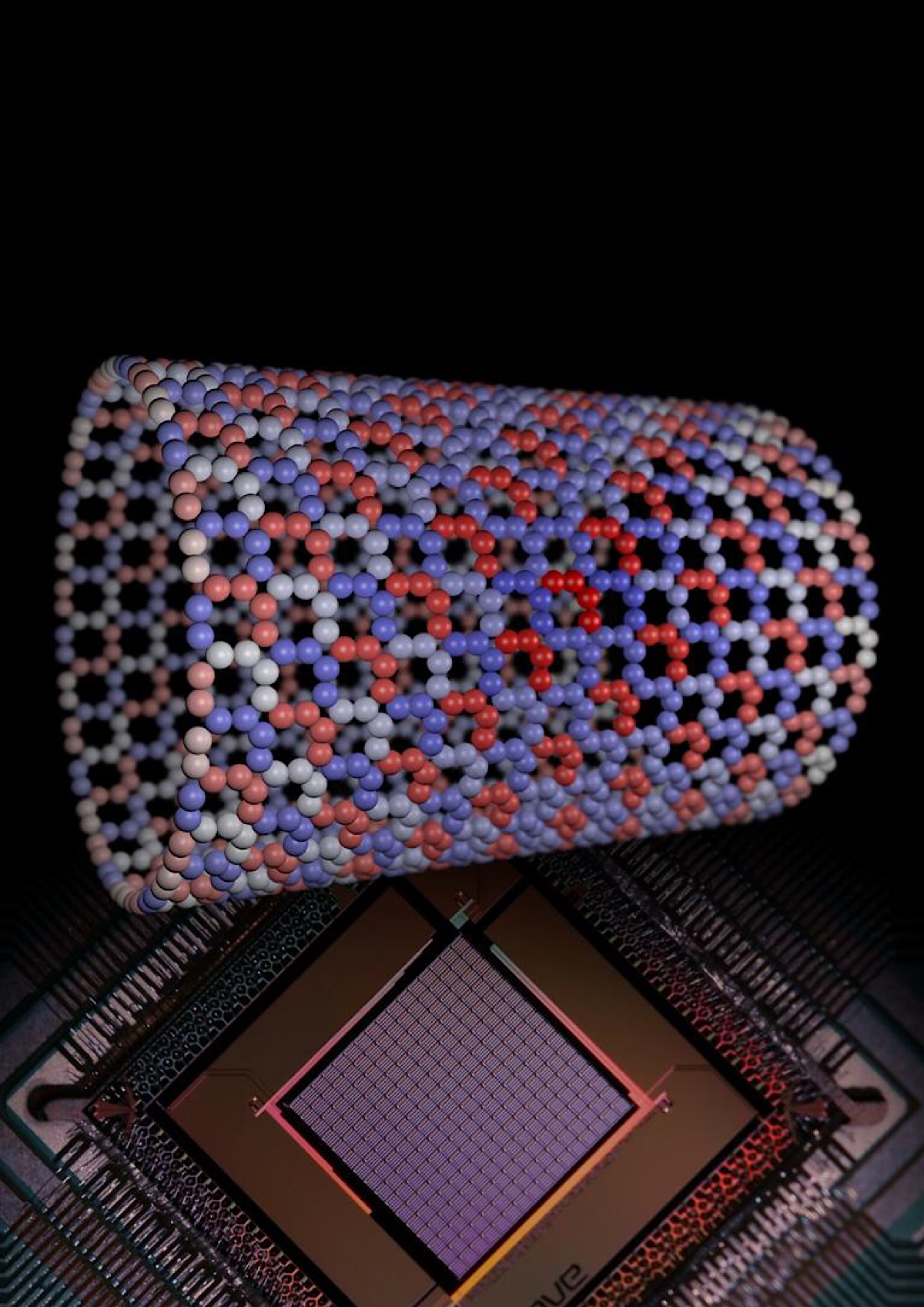
To simulate exotic magnetism, King and his team programmed the D-Wave 2,000-qubit system to model a quantum magnetic system.
Using a method called quantum annealing, D-Wave’s researchers demonstrated that a quantum computational advantage could be achieved over classical means.
Scientists from quantum computing company D-Wave have demonstrated that, using a method called quantum annealing, they could simulate some materials up to three million times faster than it would take with corresponding classical methods.
Together with researchers from Google, the scientists set out to measure the speed of simulation in one of D-Wave’s quantum annealing processors, and found that performance increased with both simulation size and problem difficulty, to reach a million-fold speedup over what could be achieved with a classical CPU.
Continue reading… “A quantum computer just solved a decades-old problem three million times faster than a classical computer”