Quantum-Inspired Holography: A Breakthrough in 3D Imaging and Remote Object Reconstruction

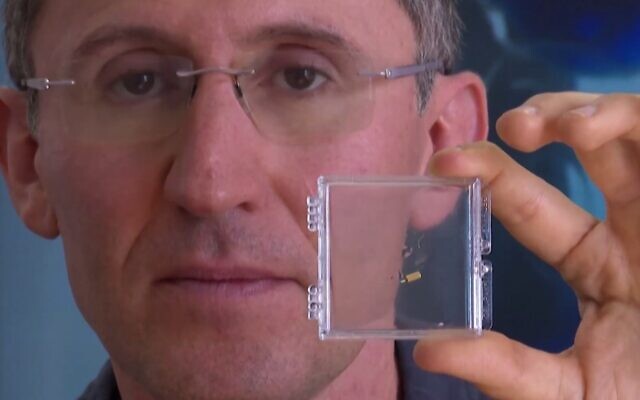
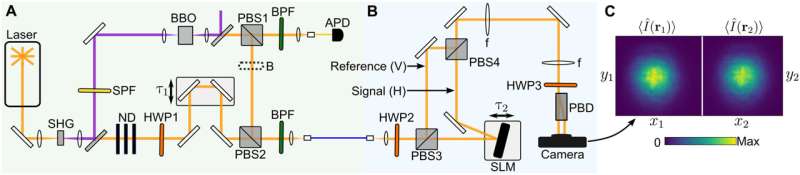
Researchers from the University of Ottawa, the National Research Council of Canada (NRC), and Imperial College London have made a groundbreaking discovery in holography, enabling the recording and reconstruction of faint light beams containing a single particle of light, or photon. This quantum-inspired technique opens new possibilities for holographic imaging of remote objects, akin to what is seen in sci-fi classics like Star Trek and Star Wars.

Led by Dr. Benjamin Sussman, adjunct professor of physics in the Faculty of Science at uOttawa, the team developed this pioneering technique at the uOttawa-NRC Joint Centre for Extreme Photonics. Their goal was to accurately record and reconstruct three-dimensional scenes using extremely faint light beams consisting of single photons.

Continue reading… “Quantum-Inspired Holography: A Breakthrough in 3D Imaging and Remote Object Reconstruction”

SpaceX Falcon 9 Sets New Record with 16th Flight of Starlink Satellites

SpaceX achieved a historic milestone with the late-night launch of its Falcon 9 rocket carrying another batch of Starlink Internet satellites. This successful liftoff marked the 16th flight for the first-stage booster, setting a new record for the most flights by any SpaceX launch vehicle. Looking to the future, SpaceX has ambitious plans to fly its reusable Falcon 9 boosters up to 20 times, double the original target.

Prior to Sunday’s launch, the Falcon 9 booster underwent several months of rigorous inspections and refurbishment, including a crucial “recertification” process. This process aimed to prove that the booster could fly at least five more times after completing its 15th launch and landing in December last year. The recent mission demonstrated the booster’s resilience and ushered in its extended operational life.

Continue reading… “SpaceX Falcon 9 Sets New Record with 16th Flight of Starlink Satellites”

Revolutionizing Recurrent Neural Networks: A Paradigm Shift in Reservoir Computing

Reservoir computing, a promising computational framework built upon recurrent neural networks (RNNs), shows great potential in enhancing the performance of machine learning algorithms while reducing the data required for training. RNNs leverage recurrent connections between processing units to process sequential data, making accurate predictions for various tasks. However, optimizing their performance by identifying relevant parameters can be complex and time-consuming.

Recently, researchers Jason Kim and Dani S. Bassett from the University of Pennsylvania introduced an innovative approach to design and program RNN-based reservoir computers, inspired by how programming languages work on computer hardware. Published in Nature Machine Intelligence, their approach identifies suitable parameters for a given network, programming its computations to optimize performance on specific tasks.

Continue reading… “Revolutionizing Recurrent Neural Networks: A Paradigm Shift in Reservoir Computing”

Unveiling the Secrets of Volcanic Eruptions: Using Laser Technology to Decode Magma Composition

When reports of volcanic eruptions spewing lava and ash emerge, concerns for nearby populations naturally arise. Astonishingly, almost one in ten people worldwide reside within 100 kilometers of an active volcano. Understanding the drivers behind these eruptions is crucial for those living, farming, or visiting areas in close proximity to these geological wonders.

A groundbreaking research study, published today in Science Advances, introduces the application of laser technology to analyze the chemical composition of erupted magma over time. As magma’s chemistry directly impacts its fluidity, explosivity, and hazardous potential, this innovative work can significantly contribute to future monitoring and forecasting of volcanic eruption evolution.

Continue reading… “Unveiling the Secrets of Volcanic Eruptions: Using Laser Technology to Decode Magma Composition”

Bionaut Labs: Pioneering Micro-Robots Revolutionize Targeted Brain Treatments

In 2013, Apple made headlines with its acquisition of PrimeSense, a leading company in 3D sensors, for approximately $400 million. PrimeSense had powered Microsoft Kinect for Xbox 360 and contributed to Apple’s groundbreaking Face ID technology. Now, the founders of PrimeSense, Michael Shpigelmacher, Aviad Maizels, and Alex Shpunt, have embarked on a new venture with their medical startup, Bionaut Labs. Instead of sensor technology, their focus is on exploring the intricate depths of the human brain.

Bionaut Labs is currently conducting tests at a Mayo Clinic facility and is preparing to commence clinical trials in collaboration with five esteemed US medical centers, as it seeks FDA approval. To support their groundbreaking work, Bionaut is in the process of raising a Series B-1 funding round, with the OurCrowd investment platform featuring prominently.

Continue reading… “Bionaut Labs: Pioneering Micro-Robots Revolutionize Targeted Brain Treatments”

Celestial AI Secures $100 Million in Series B Funding for Photonic Fabric Technology

Celestial AI, a developer specializing in optical interconnect technology, has successfully raised $100 million in a series B funding round for its innovative Photonic Fabric technology platform. The investment was led by IAG Capital Partners, Koch Disruptive Technologies (KDT), and Temasek’s Xora Innovation fund. Other notable participants included Samsung Catalyst, Smart Global Holdings (SGH), Porsche Automobil Holding SE, The Engine Fund, ImecXpand, M Ventures, and Tyche Partners. With this funding, Celestial AI has accumulated a total of $165 million from seed funding to series B.

Continue reading… “Celestial AI Secures $100 Million in Series B Funding for Photonic Fabric Technology”

California-based Nonprofit Develops Innovative System to Deflect Mid-Sized Asteroids

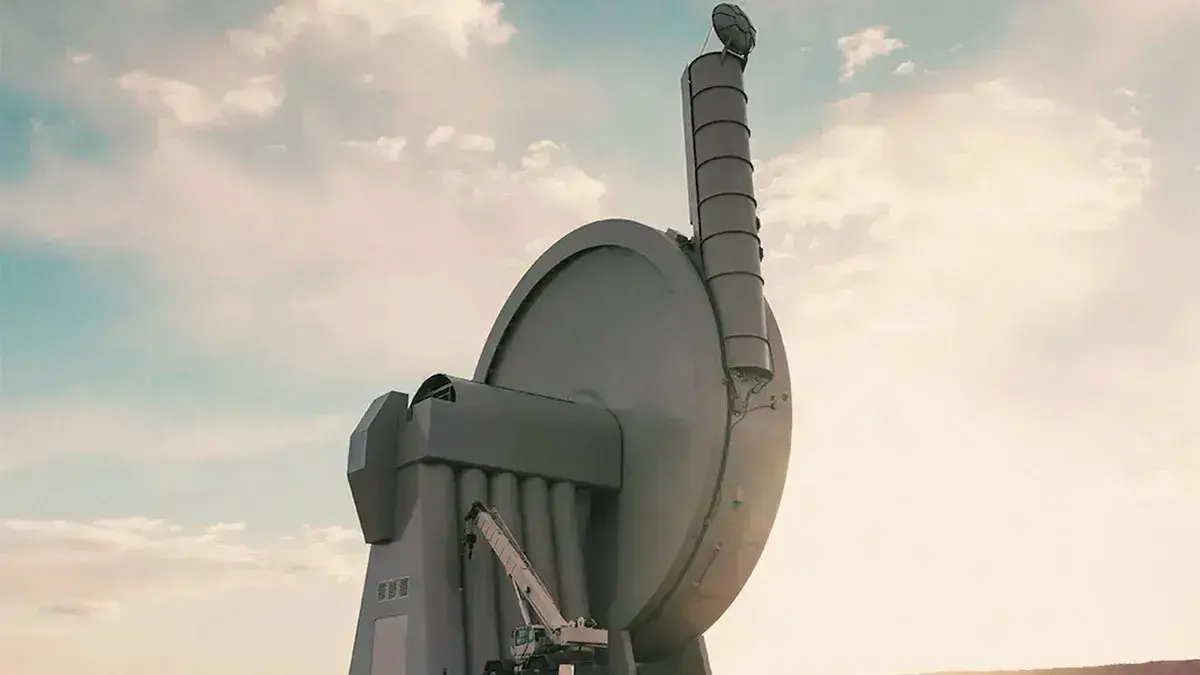
The Aerospace Corporation, a nonprofit organization based in California, is making significant strides in the development of an asteroid deflection system designed to address mid-sized asteroids capable of causing widespread damage on Earth. This groundbreaking system aims to alter the trajectory of asteroids by utilizing their rocky debris, redirecting them away from Earth.

In an interview with Gizmodo, Nahum Melamed, a project leader at The Aerospace Corporation, explained that the team focused on objects of comparable size to the Chelyabinsk asteroid, considering the potential threats they could pose in our lifetime. Through their research, they have successfully demonstrated the capability to deflect such asteroids within a few weeks of operation using their system.

Continue reading… “California-based Nonprofit Develops Innovative System to Deflect Mid-Sized Asteroids”

Duke University Researchers Develop New Gel-Based Cartilage Substitute with Superior Strength and Durability

Researchers at Duke University have made a groundbreaking advancement in the field of cartilage replacement, creating a gel-based substitute that surpasses the strength and durability of natural cartilage. This new development offers a promising alternative to knee replacement surgeries and may provide a more effective treatment option for individuals experiencing knee pain. Osteoarthritis, characterized by the progressive deterioration of cartilage, affects approximately one in six adults worldwide.

Sparta Biomedical, a leading biomedical research company, is currently conducting tests on the gel-based substitute using sheep models. Following successful animal trials, the researchers anticipate commencing human clinical trials in 2023. In initial testing, the hydrogel demonstrated remarkable properties, exhibiting 26% greater strength than natural cartilage under tension and an impressive 66% greater strength under compression. Overcoming several challenges encountered in previous studies, the research team achieved successful attachment of the implant to the joint, ensuring its stability.

Continue reading… “Duke University Researchers Develop New Gel-Based Cartilage Substitute with Superior Strength and Durability”

Futurist says drones with biometrics will be deployed against mass shootings

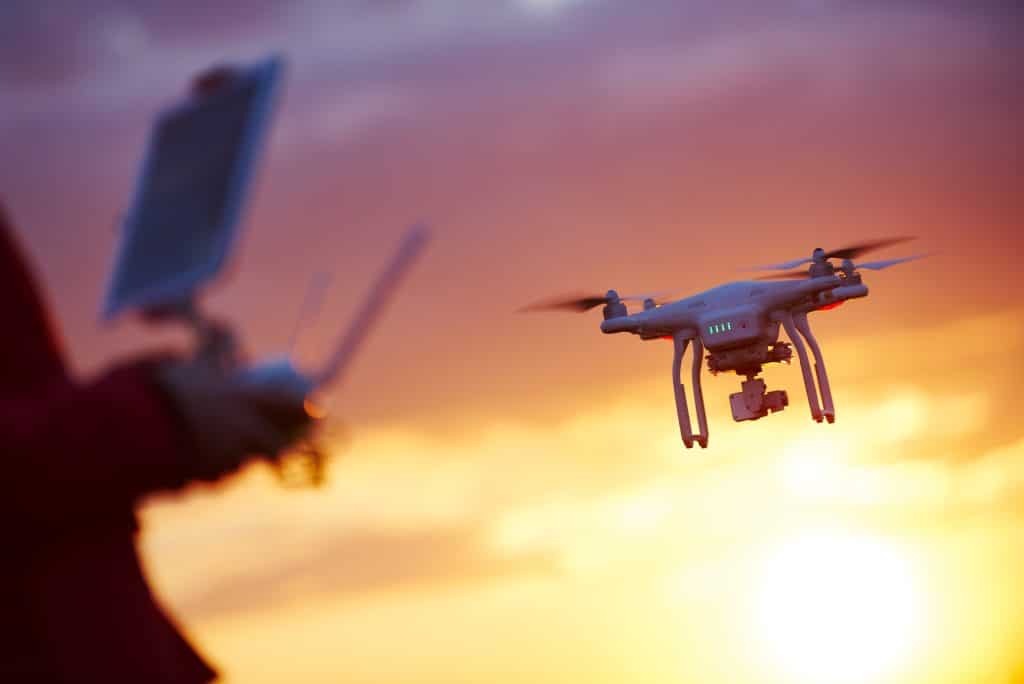
Futurist and celebrity speaker Thomas Frey is hailing a new solution for the epidemic of mass shootings in the United States that sounds straight from an episode of Black Mirror: Artificial intelligence-enabled drones.

The former IBM engineer said in a recent blog post that flying machines could be upgraded into advanced crisis management tools.

Biometric capabilities such as ocular scanning or fingerprint identification could enhance the drones’ ability to identify individuals even in scenarios where facial recognition is insufficient. AI can be employed to analyze body language and facial expressions to make judgments about the likely intentions of individuals, writes Frey, who is the founder of the DaVinci Institute think tank.

Continue reading… “Futurist says drones with biometrics will be deployed against mass shootings”

Autonomous Fish Robot “Belle” Enhances Underwater Research without Disturbing Marine Environment

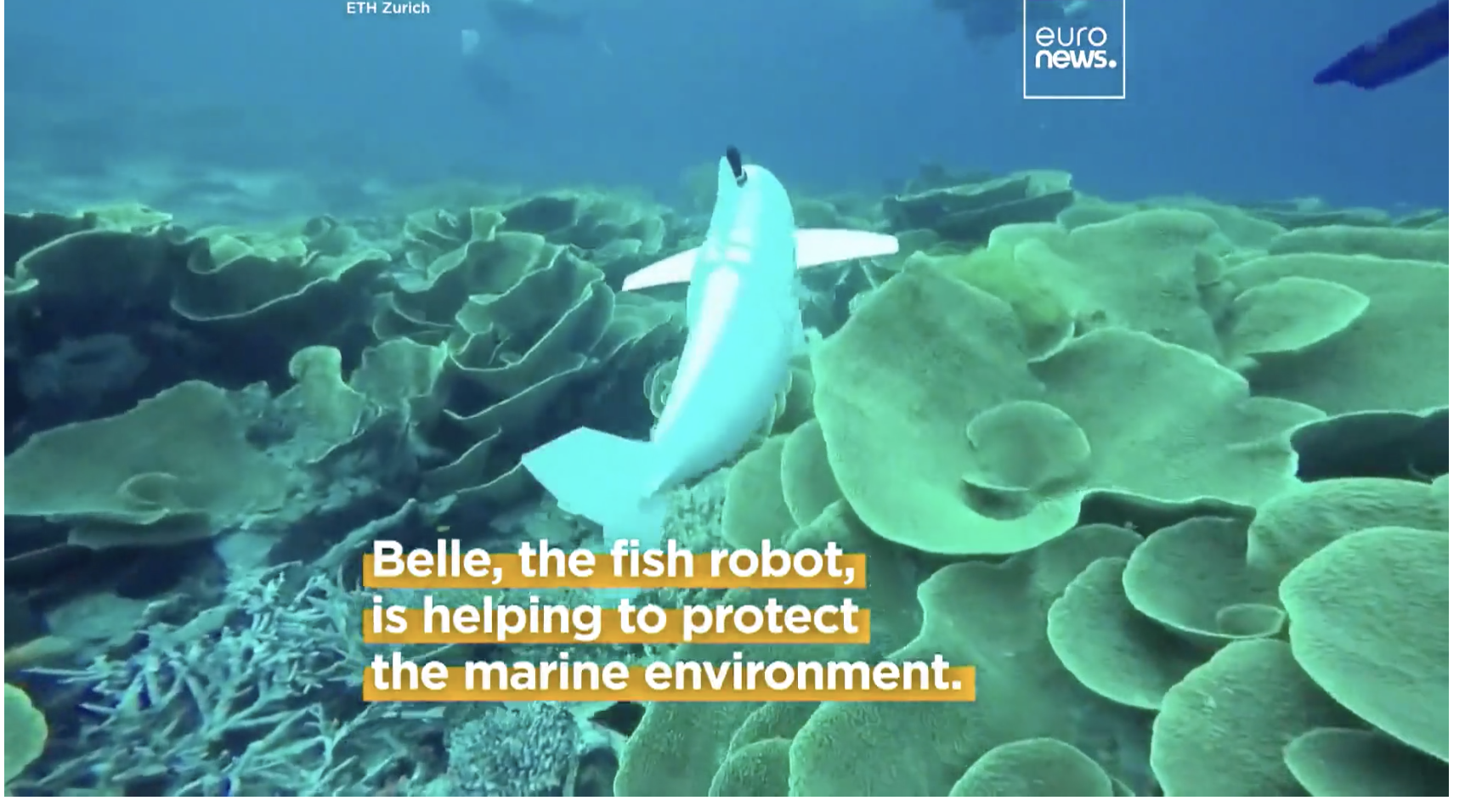
Researchers in Switzerland have developed an autonomous fish robot named “Belle” that enables conservationists to gain valuable insights into underwater ecosystems without disrupting marine life. Belle has been specifically designed to collect data in a minimally invasive manner, providing a clearer understanding of organisms inhabiting the sea.

Belle, developed by mechanical engineering students at ETH Zurich, the Swiss Federal Institute of Technology, moves silently and mimics the behavior of real fish, creating minimal disturbance as it navigates through the environment. This is particularly important in vulnerable areas such as coral reefs, where traditional propeller-based systems can harm coral and scare away marine life.

Continue reading… “Autonomous Fish Robot “Belle” Enhances Underwater Research without Disturbing Marine Environment”

Breakthrough Memory Design by University of Cambridge Promises Enhanced Performance and Energy Efficiency

A team of researchers from the University of Cambridge has introduced an innovative computer memory design that holds the potential to significantly enhance performance and reduce energy consumption in internet and communications technologies.

According to the university, the growing demands of artificial intelligence (AI), algorithms, and data-driven technologies are projected to consume over 30% of global electricity within the next decade. The researchers attribute a large part of this energy demand to the limitations of current computer memory technologies.

Continue reading… “Breakthrough Memory Design by University of Cambridge Promises Enhanced Performance and Energy Efficiency”

Greater Bay Technology Unveils Revolutionary All-Weather EV Battery

Chinese startup Greater Bay Technology has made a bold claim, stating that its new electric vehicle (EV) battery, called the Phoenix cell, can function seamlessly in any weather condition. The battery utilizes superconducting materials and innovative thermal management techniques, enabling it to rapidly adjust freezing temperatures to normal room temperature within just five minutes, as reported by Bloomberg.

Extreme temperatures have long posed challenges for EV batteries, reducing their charging efficiency when temperatures drop below freezing (32 degrees Fahrenheit or zero degrees Celsius). This limitation has hindered the reliability of EV range for owners. Carmakers have previously resorted to incorporating heat pumps to maintain optimal battery temperatures, but this approach has proven to be inefficient.

Continue reading… “Greater Bay Technology Unveils Revolutionary All-Weather EV Battery”