TapSense is an experimental touchscreen system, that is able to tell the difference between different parts of the user’s finger.
Devices with small touchscreens, such as smartphones, certainly have their attractions, but they also have one drawback – there isn’t much room on their little screens for touch-sensitive features. Users will sometimes have to go into sub-menus, or make do with jabbing their fingers at tiny controls. Researchers at Carnegie Mellon University’s Human-Computer Interaction Institute, however, are working on an alternative. Their prototype TapSense system can differentiate between screen taps from different parts of the finger, and will perform different tasks accordingly. (Pics and video)
It’s been a dream for a long time to have a human settlement on the Moon, but in this age of budget cuts and indecisive plans for NASA’s future, a Moon base may seem too costly and beyond our reach. But a noted lunar scientist, Dr. Paul Spudis from the Lunar and Planetary Institute and a colleague, Tony Lavoie from the Marshall Space Flight Center, have come up with a plan for building a lunar settlement that is not only affordable but sustainable. It creates a Moon base along with a type of ‘transcontinental railroad’ in space which opens up cislunar space – the area between Earth and the Moon – for development.
Since the Fukushima nuclear disaster, you’ve probably heard me and other people talk about the radiation exposure we experience in everyday life. All humans, throughout history, have been exposed to background radiation produced constantly by the natural environment. Then there’s added exposures from modern sources: X-rays and medical scans, living near power plants (both coal and nuclear, and the coal is actually worse), and flying in airplanes…
Images like this helped researchers determine differences in the faces of children with autism.
University of Missouri researchers may be a step closer to understanding what causes autism. They have found differences between the facial characteristics of children who have autism and those who don’t.
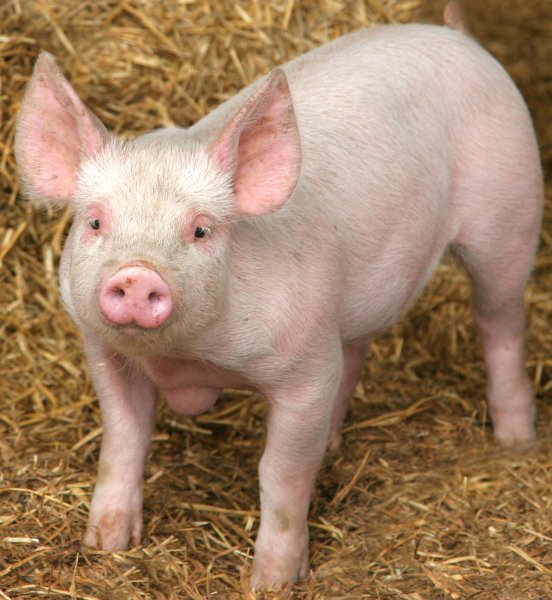
GM pigs could provide human organs for transplant.
There is a persistent shortage of human organs and this has led experts to investigate methods of using pigs created with human genes, so that body parts grown in them can be harvested for use in patients without their immune systems rejecting them. Organs grown in genetically modified pigs could be transplanted into humans in as little as two years’ time, scientists believe.
Global map showing major road and rail networks over land, along with transmission line and underwater cable data superimposed over satellite images of cities illuminated at night
The images show silvery threads stretching around the dark globe that create a dramatic spider’s web showing the patterns of our global sprawl. (Pics)