Robots That Act Like Children: The Next Frontier of Emotional Support

By Futurist Thomas Frey

Hospitals are places of healing, but they are also places of fear, loneliness, and overwhelming stress—especially for children. To address this hidden dimension of patient care, a new kind of companion has emerged: Robin, a therapeutic robot programmed to act like a 7-year-old girl.

Developed by Expper Technologies, Robin is not just a machine rolling down hallways—it is a social presence, designed to talk, laugh, and play in ways that disarm anxiety. CEO Karen Khachikyan describes Robin as a tool to supplement the efforts of overworked medical staff, helping create emotional connections at moments when patients need them most. This is more than innovation. It is the beginning of a revolution in how society thinks about care.

Continue reading… “Robots That Act Like Children: The Next Frontier of Emotional Support”

The Economic Disconnect Between Data and Lived Experience

By Futurist Thomas Frey

On paper, the American economy looks strong. The unemployment rate hovers near historic lows. Inflation is reported as “contained.” Stock markets are healthy. Policy makers and economists point to these numbers as evidence that the nation is on solid ground.

But step outside the spreadsheets, and a very different story emerges. Millions of Americans feel like they are falling behind. Paychecks don’t stretch as far. Rent consumes staggering portions of household income. Groceries that once felt affordable now pinch budgets. Tuition costs crush families before a student ever enters the workforce. Even as economic headlines declare success, the lived experience of ordinary people suggests fragility, not prosperity.

Continue reading… “The Economic Disconnect Between Data and Lived Experience”

Voice and Ambient Intelligence: The Rise of Invisible Infrastructure

By Futurist Thomas Frey

For decades, technology was something we looked at, touched, and interacted with directly. Computers had screens. Phones had buttons. Smart devices came with apps. But a new era is emerging—one where the most powerful technologies fade from sight entirely.

This is the age of ambient invisible intelligence—systems woven seamlessly into our environments, operating in the background to track, sense, and respond in real time. Unlike earlier waves of innovation that demanded attention, these systems demand almost none. They’re simply there, embedded in the fabric of daily life, silently shaping experiences, decisions, and even economies.

Continue reading… “Voice and Ambient Intelligence: The Rise of Invisible Infrastructure”

Digital Entrepreneurship and the Rise of America’s Shadow Economy

By Futurist Thomas Frey

Something unprecedented is happening in the American economy—and it’s not being measured by the usual charts, reports, and government statistics. The rise of digital entrepreneurship has quietly created a new economic undercurrent, one powerful enough to reshape labor markets, redefine wealth creation, and challenge the way we think about “work.”

In 2023, Americans filed a record 5.5 million new business applications. By 2020, even before this wave, 2 million individuals were already making six figures or more directly from social media. Add in e-commerce platforms, subscription models, AI-assisted startups, and the ever-expanding gig ecosystem, and what emerges is not a sideshow—it’s a shadow economy operating largely outside traditional measurements.

Continue reading… “Digital Entrepreneurship and the Rise of America’s Shadow Economy”

The Teen Social Media Addiction Epidemic: A Silent Crisis

By Futurist Thomas Frey

A generation is growing up tethered to their phones, not just by habit but by compulsion. By age 14, about a third of kids are already addicted to social media—a pattern linked to being 2–3 times more likely to report suicidal behaviors. Among young adults ages 18–22, the numbers climb higher, with 40% openly admitting they’re addicted.

Yet despite these alarming statistics, this crisis has barely penetrated mainstream awareness. We debate screen time limits, parental controls, or whether TikTok is rotting attention spans. But the real story is darker: social media is rewiring adolescent brains, creating behavioral dependencies that mirror gambling, drug use, and other recognized addictions—yet without the stigma or urgency that usually comes with the word “epidemic.”

Continue reading… “The Teen Social Media Addiction Epidemic: A Silent Crisis”

The Digital Entrepreneurship Boom: How a New Economic Class Is Rising Outside Traditional Jobs

By Futurist Thomas Frey

Something remarkable is happening in the global economy. While headlines focus on labor shortages, layoffs, and debates about the future of work, a quieter revolution is taking place in the digital underground. Millions of people are no longer waiting for jobs—they’re building their own, powered by online platforms, AI tools, and social media ecosystems.

In 2023, Americans filed a record 5.5 million new business applications, according to the U.S. Census Bureau. At the same time, platforms like YouTube, TikTok, Instagram, and Twitch created a surge of digital wealth. By 2020, more than 2 million people were already earning six figures or more directly from social media. Those numbers have only grown, giving rise to what might be called the new entrepreneurial class—a workforce that operates largely outside the boundaries of traditional employment.

Continue reading… “The Digital Entrepreneurship Boom: How a New Economic Class Is Rising Outside Traditional Jobs”

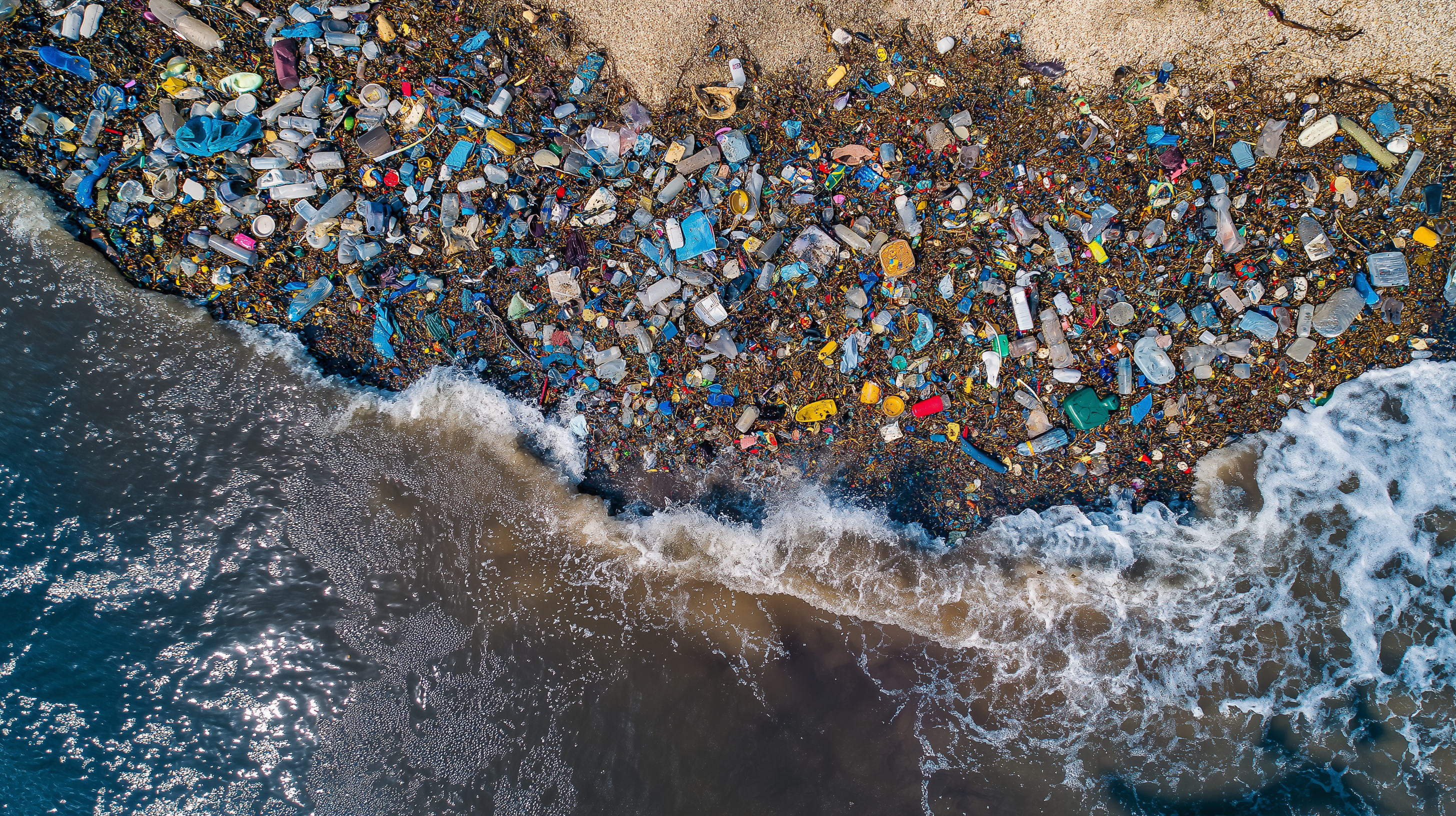
The Catalyst That Could Rewrite the Future of Plastic

Plastic is one of humanity’s greatest paradoxes. It is cheap, durable, and useful in almost every aspect of modern life. Yet those same qualities have made it one of our greatest burdens. Billions of tons of single-use plastics accumulate each year, and only a fraction ever gets recycled. The rest is burned, buried, or scattered across the planet in forms that linger for centuries.

Now, researchers at Northwestern University may have found a game-changing way forward. Their discovery—a nickel-based catalyst that can break down mixed plastics, even those contaminated with the notoriously difficult PVC—could dramatically simplify recycling. This breakthrough has the potential to transform one of the world’s most intractable waste problems into a renewable source of valuable products.

Continue reading… “The Catalyst That Could Rewrite the Future of Plastic”

Smart Glasses: The Next Form Factor for Smartphones?

By Futurist Thomas Frey

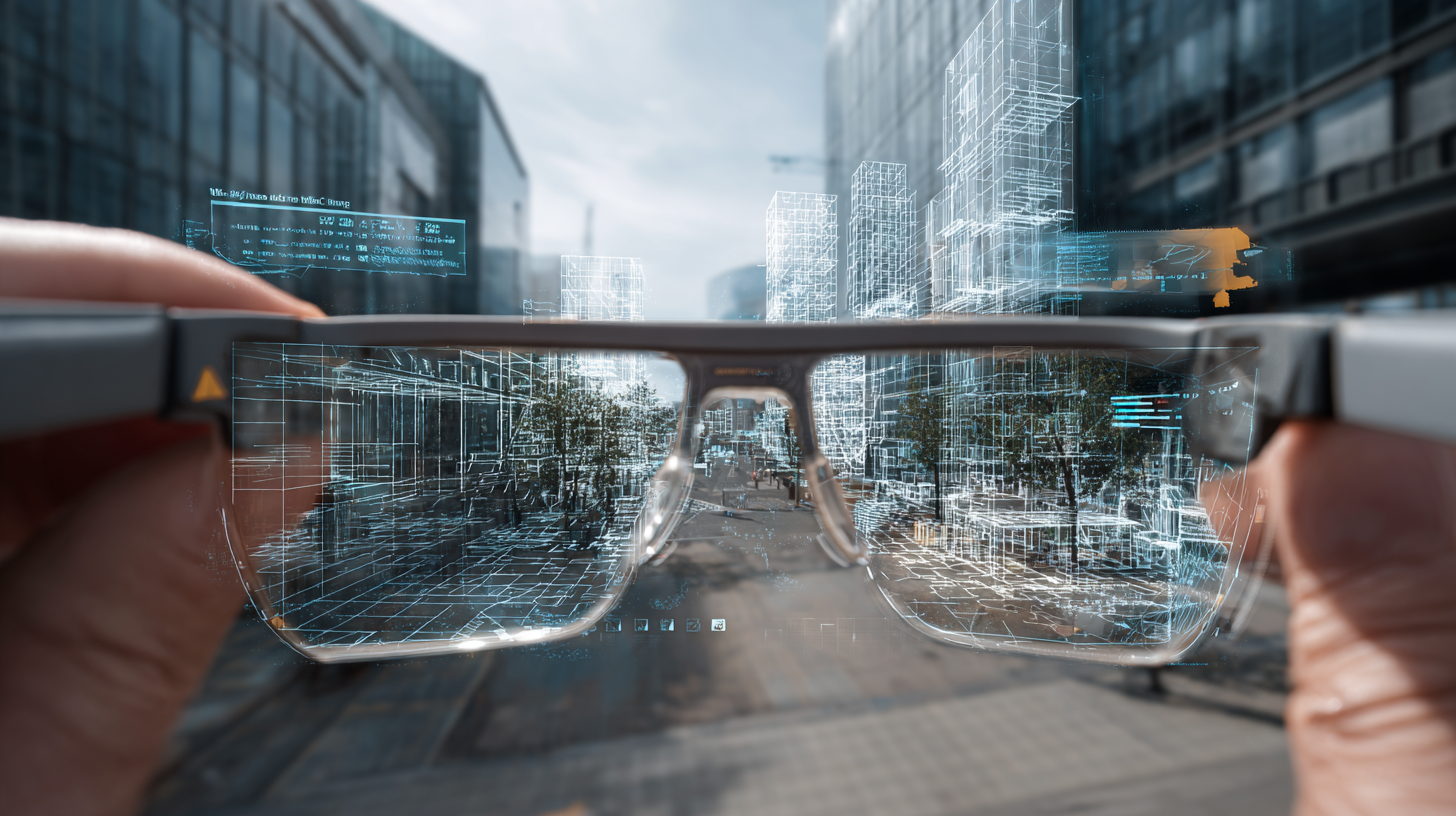
The smartphone may go down as one of the most transformative devices in human history. It collapsed cameras, calculators, maps, radios, books, and computers into a device small enough to slip into a pocket. But as revolutionary as it has been, the smartphone is not the final form factor of personal technology. Something new is waiting to replace it—and all signs point to smart glasses.

Already, companies like Meta, Apple, and others are racing to perfect wearable devices that overlay data onto the real world. But what if smart glasses are not just the next interface for calls and texts, but the gateway to something far more radical: recording, storing, and replaying the entire human experience?

Continue reading… “Smart Glasses: The Next Form Factor for Smartphones?”

The Rise of Drone Mailboxes: Redefining the Last Mile of Delivery

By Futurist Thomas Frey

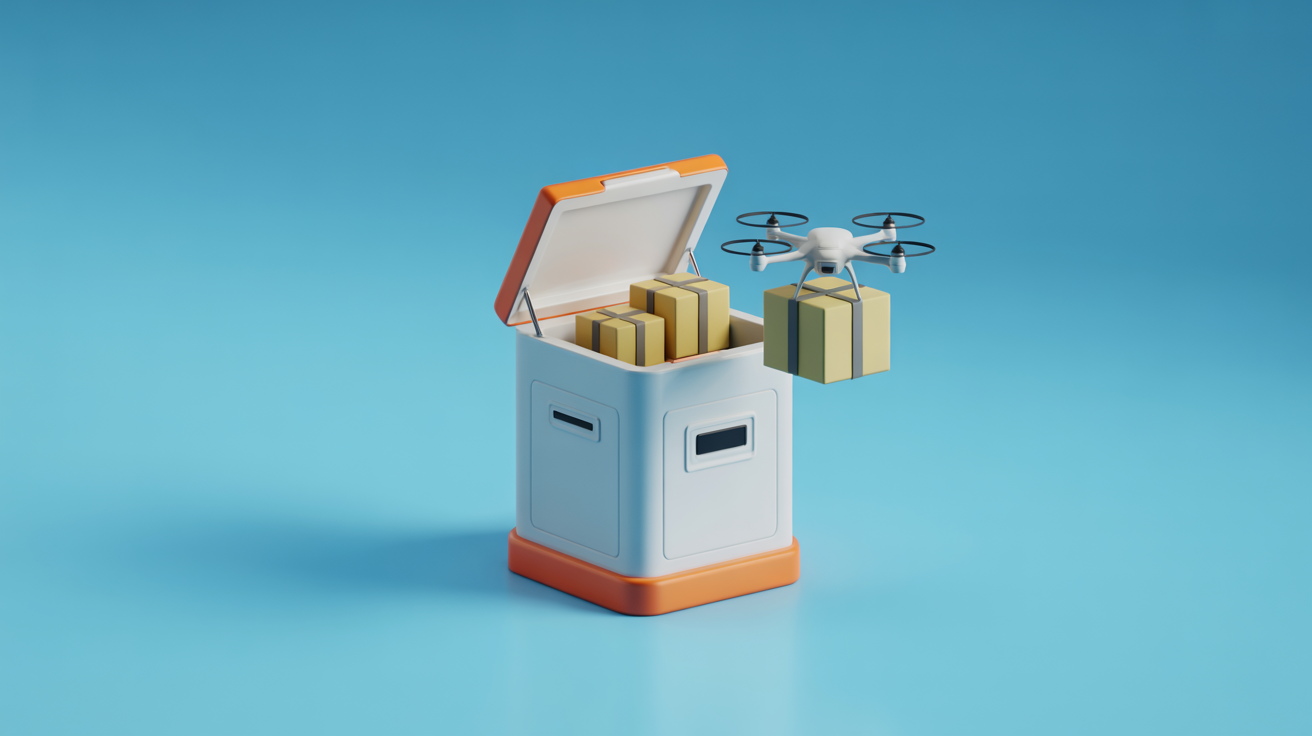
For over a century, the humble mailbox has barely changed. A metal box by the curb or a slot in the door has served as the final checkpoint of global commerce. Letters, bills, and eventually Amazon packages all end up in the same simple container. But as drones, delivery robots, and autonomous couriers take flight, that old mailbox suddenly looks obsolete.

The future of delivery isn’t just about drones. It’s about the infrastructure that supports them—and companies like Arrive AI and Valqari are betting big on a new age of “smart mailboxes” designed to handle packages from air, land, and everything in between.

Continue reading… “The Rise of Drone Mailboxes: Redefining the Last Mile of Delivery”

The New Digital Divide: AI in the Classroom

By Futurist Thomas Frey

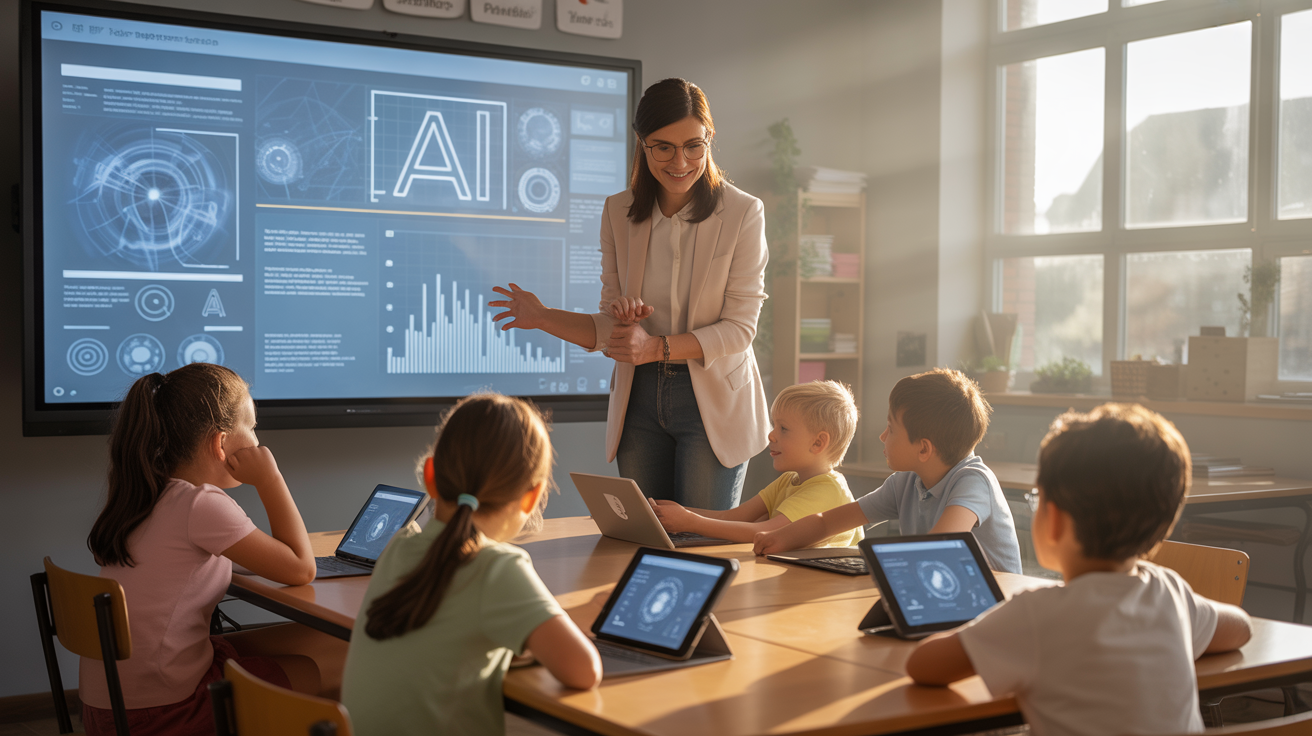
Not long ago, the mere presence of a computer in a student’s home was enough to change their educational trajectory. Studies from the 1990s and early 2000s showed that kids with consistent computer access performed significantly better than those without. They could type faster, research quicker, and develop the digital fluency that employers increasingly valued. In many ways, the computer became the great differentiator in education.

Fast forward to today, and the same story is repeating—but with far higher stakes. The technology at the center isn’t the desktop computer. It’s artificial intelligence.

Continue reading… “The New Digital Divide: AI in the Classroom”

The Patent Explosion: How AI Is Rewiring Innovation

By Futurist Thomas Frey

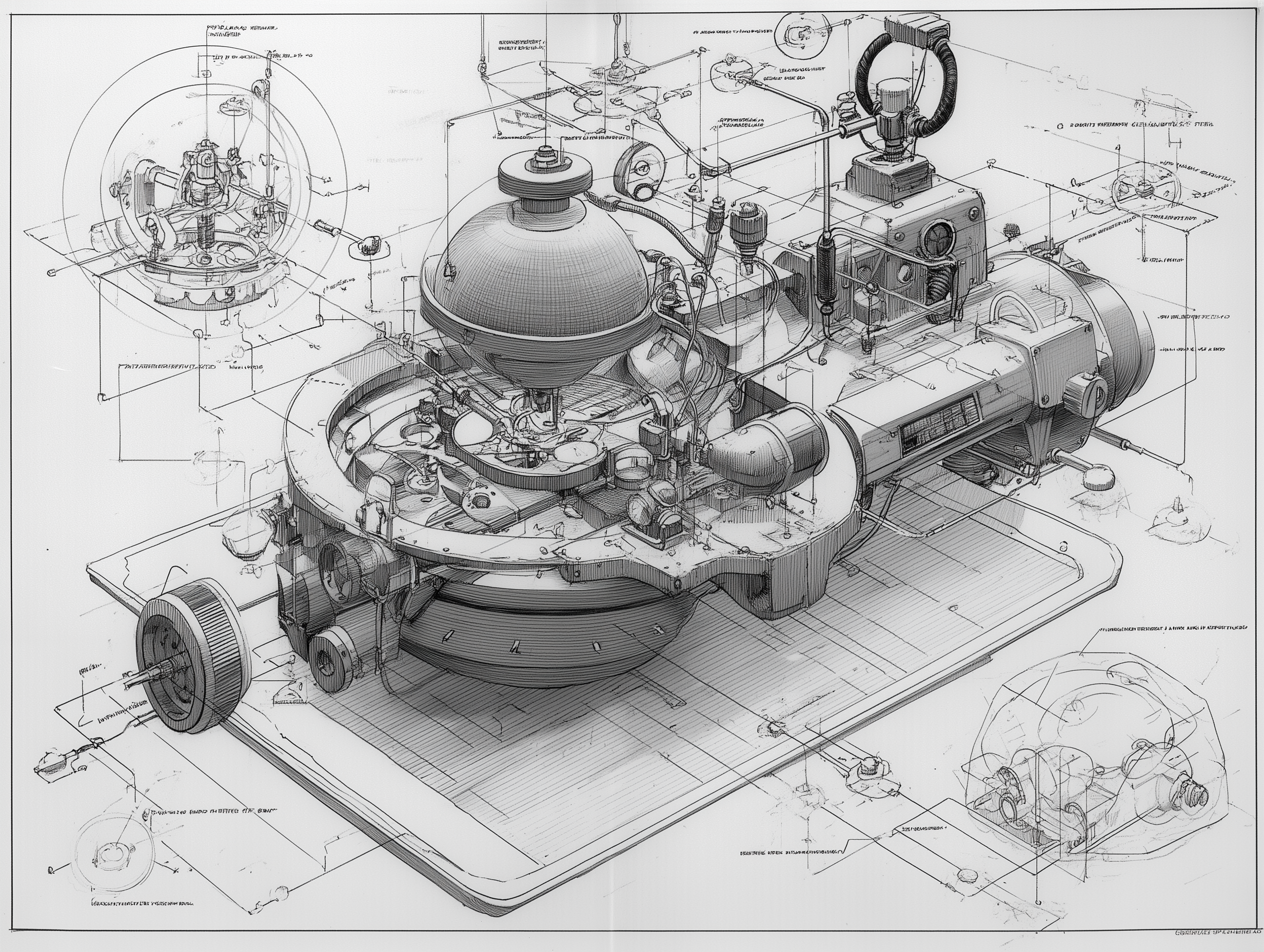
Something extraordinary is happening inside the world’s patent offices. After decades of steady, predictable activity, the landscape of intellectual property has begun to shift dramatically. The number of patent filings worldwide has surged in unexpected ways, and the reason is simple: artificial intelligence has entered the invention business.

For centuries, patents have served as the official ledger of human ingenuity. They captured breakthroughs from the spinning jenny to the telephone to the microprocessor. Each filing was a painstaking effort requiring technical brilliance, legal expertise, and months of drafting. But today, AI can generate new ideas, sketch novel designs, and even draft the legal language needed to submit a patent—all at a pace that outstrips traditional methods. The result is a patent system undergoing radical transformation.

Continue reading… “The Patent Explosion: How AI Is Rewiring Innovation”

The Ultrasound Helmet: A Non-Surgical Gateway Into the Deep Brain

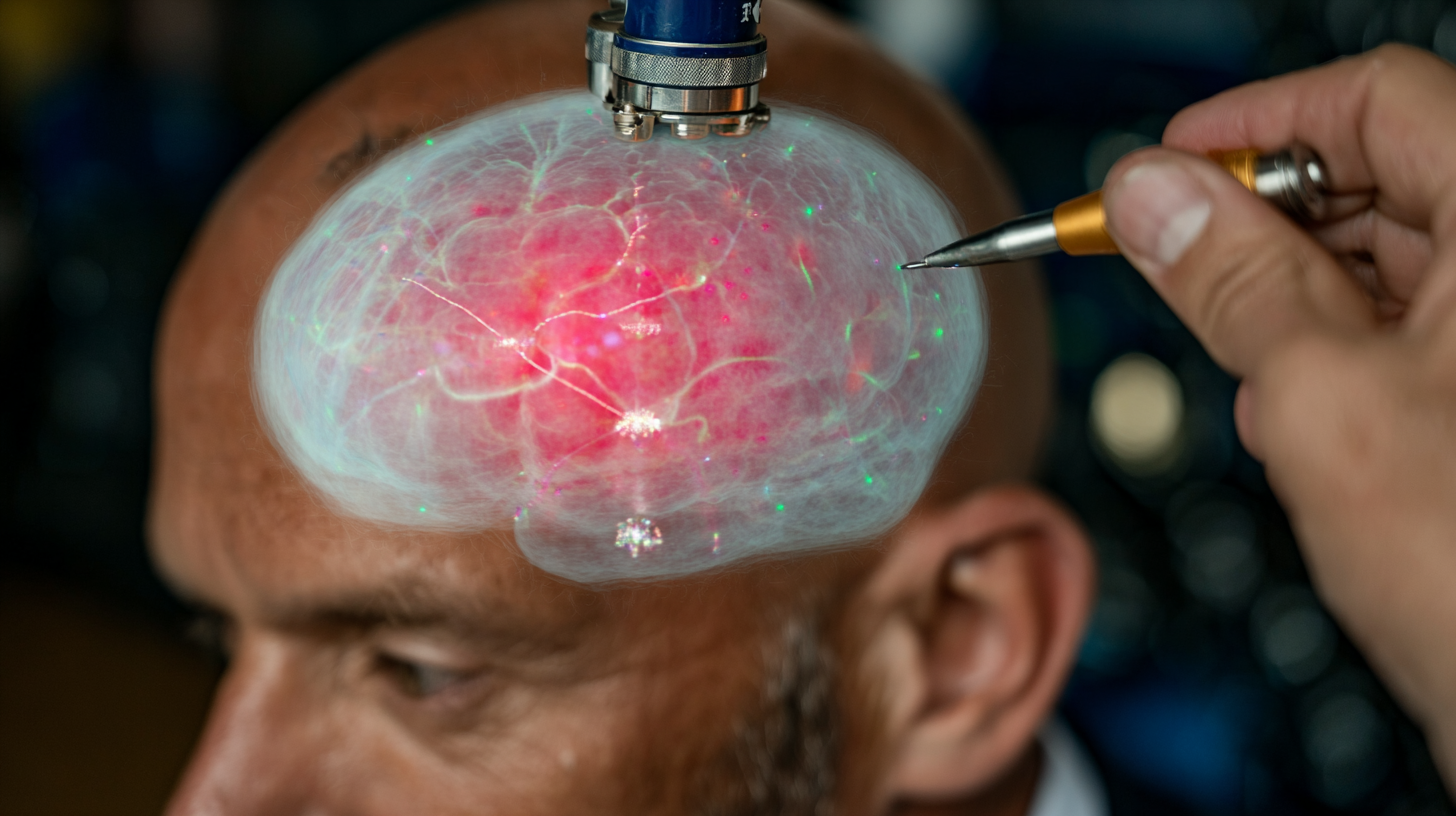
For centuries, the human brain has been described as the most complex object in the known universe. And while modern neuroscience has mapped countless neural pathways, the deepest regions of the brain—structures like the basal ganglia and the thalamus—remain a stubborn frontier. These areas govern movement, emotion, motivation, and decision-making, yet when they go awry, they spark conditions as devastating as Parkinson’s disease, depression, and essential tremor.

The problem has always been access. To study or influence these deep-brain circuits, medicine has relied on invasive surgery: drilling holes, implanting electrodes, or burning away malfunctioning tissue. These procedures can be life-changing, but they carry enormous risks. What if there were a way to reach the same circuits with no scalpel, no implant, and no irreversible damage?

Continue reading… “The Ultrasound Helmet: A Non-Surgical Gateway Into the Deep Brain”
Discover the Hidden Patterns of Tomorrow with Futurist Thomas Frey
Unlock Your Potential, Ignite Your Success.

By delving into the futuring techniques of Futurist Thomas Frey, you’ll embark on an enlightening journey.

Learn More about this exciting program.