“Science, the pride of modernity, our one source of objective knowledge, is in deep trouble.” So begins “Saving Science,” an incisive and deeply disturbing essay by Daniel Sarewitz at The New Atlantis. As evidence, Sarewitz, a professor at Arizona State University’s School for Future Innovation and Society, points to reams of mistaken or simply useless research findings that have been generated over the past decades.
62% of enterprises will use AI technologies by 2018
Artificial intelligence has replaced big data this year as the most talked about new set of technologies. As with big data five years ago—behind the hype, the confusion generated by an ill-defined term, and the record funding by VC—we are starting to see emerging investments and practical applications where it matters most—in enterprises.
A new report from Narrative Science, based on a survey of 235 business executives conducted by the National Business Research Institute (NBRI), sheds light on the state-of-AI in enterprises today and in the future: 38% of enterprises are already using AI technologies and 62% will use AI technologies by 2018. Keep in mind that “AI technologies” is a broad term that includes machine and deep learning, recommendation engines, predictive and prescriptive analytics, automated written reporting and communications, and voice recognition and response.
Bitcoin is the virtual currency that everyone is talking about. There are now 15.5 million Bitcoins in circulation. But it’s not the only option out there in the crypto-world. Like Bitcoin, there are coins available to be mined and, eventually, there can be multiple options to be traded on the open market and used to purchase goods and services.
One such virtual currency is OneCoin, run by Dr. Ruja Ignatova which is set to drive the industry forward.
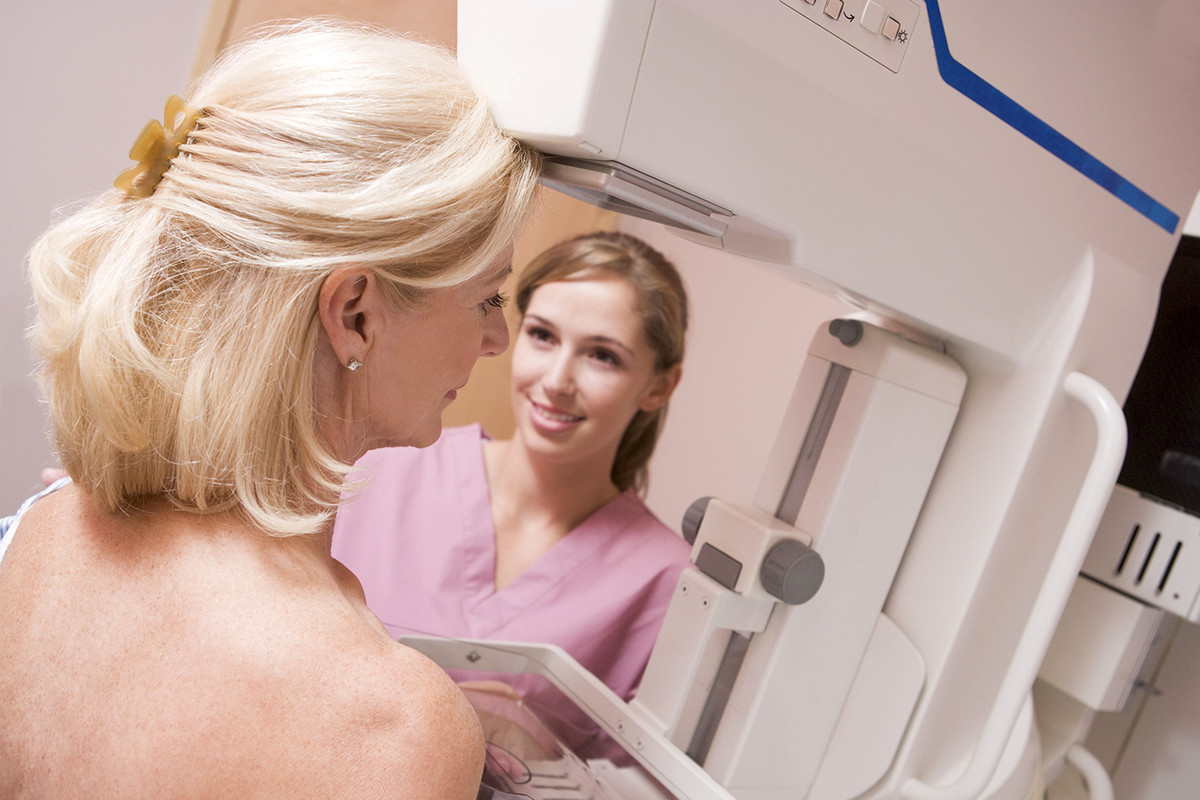
Physicians are pretty good at detecting breast cancer. However, they certainly aren’t perfect. Human pathologists can accurately identify the disease with 96 percent accuracy by reviewing breast biopsy samples, without even coming in contact with the patient. That’s an extremely impressive rate, given that cancer misdiagnosis can occur up to 28 percent of the time, according to healthcare journal BMJ Quality and Safety.
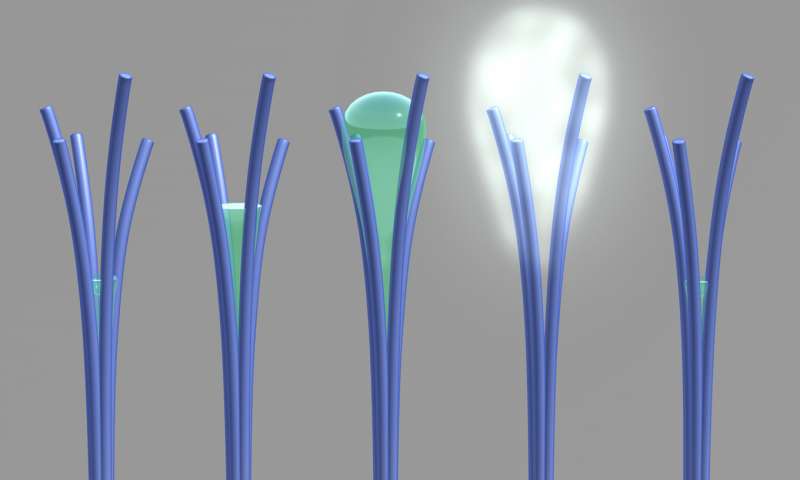
After their nanorods were accidentally created when an experiment didn’t go as planned, the researchers gave the microscopic, unplanned spawns of science a closer look.
Hacking is most certainly a two way street. The developers behind Ethereum launched an assault on an anonymous hacker that stole at least $89 million through its network.
Intuition is alive and well in the era of data analytics. About a third of executives in a 2014 PwC survey reported relying first and foremost on the data for their last big business decision. The advice of their colleagues and good, old-fashioned gut instinct both played major roles.
In order for robots to navigate the world, they will need to be able to make reasonable assumptions about their surroundings and what could happen during a sequence of events. One way that humans learn these things is through sound. For infants, some studies suggest that poking and prodding objects is actually how they develop an intuitive theory of physics. Could it be that we can get machines to learn the same way?
Doctors may have made a revolutionary breakthrough in the way we treat stroke patients. Patients in the trial study regained the ability to talk, walk and live normal lives, all thanks to a stem cell treatment.
Researchers have made a smart contact lens that could be used to monitor diabetes and dispense drugs on-demand. The system includes cool-looking eyeglasses that wirelessly power and communicate with the circuit-lined, drug-releasing lens that a patient could wear for up to a month.
Why pay for a whole degree, taking classes you don’t really want, spending multiple years to build skills that you may never use? Unbundling is happening to education and the results are students with customized portfolios, projects that are orientated towards skills employers are looking for, and industry level experience.