“Until we get to that driverless era, we’ve got a slow-moving parking lot that’s working at a glacial speed in major cities literally all over the world,” says Futurist Thomas Frey, founder of thinktank DaVinci Institute.
Half of today’s car owners will not want to own a vehicle and more and more will want self-driving and electric cars in future, a survey of car manufacturing bosses has found. As fewer people see the need to buy a car, a majority of automotive executives believe the industry will increasingly focus on making money from peripheral digital services to be used with their vehicles.
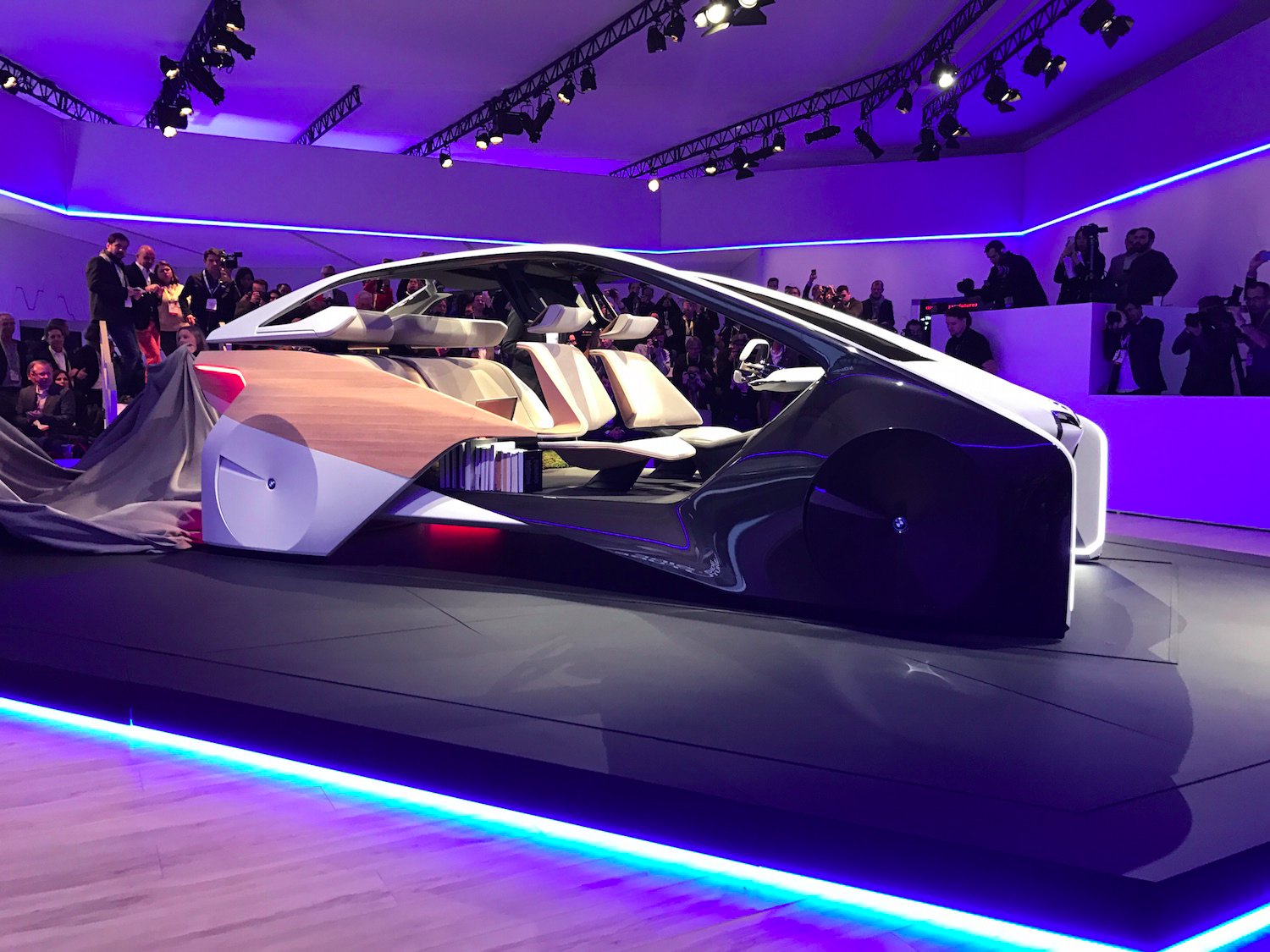
BMW unveiled a concept for the interior of driverless cars on Wednesday at a press conference in Las Vegas at CES. The concept, dubbed the BMWi Inside Future, showcases how BMW envisions its autonomous vehicles may look when they start to hit the market. The interior concept is centered on connectivity and includes a panoramic display that can be operated just like a touchscreen — except physical contact isn’t necessary.
For the last few months, Uber’s self-driving cars have been prowling the streets of San Francisco, forecasting the inevitable moment when the ride-hailing giant starts inviting passengers to take autonomous trips in the city where it first launched over seven years ago. That moment has finally arrived.
Every end of the year, Yahoo India releases “The Year in Review lists”. This review list reveals the people, events, and stories that captured the attention of Indians in the last 12 months. Here are the list of most significant technology products in the year 2016.
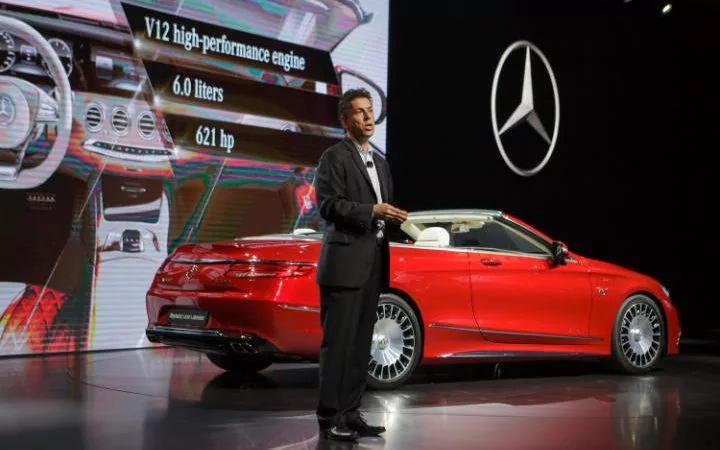
Dietmar Exler, chief executive of Mercedes-Benz USA, believes that driverless cars are likely to be ‘bullied’ by human drivers when the two are sharing road space.
In the early morning hours of October 20th, an 18-wheeler tractor trailer pulled into Colorado Springs, Colorado, bearing 50,000 frosty cans of Budweiser beer. Normally, this would not be a noteworthy occurrence, but this truck was driving itself, marking the first time that commercial cargo was shipped by a self-driving vehicle.
It goes without saying that preservation of life is the reason to invest in road and car safety technology, but the financial implications which fatal and non-fatal accidents have on the economy are another factor which cannot be ignored.
According to Reported Road Casualties Great Britain Annual Report 2014 the total cost of prevention of reported road accidents in 2014 was estimated to be £16.3 billion – this includes an estimate of the cost of damage only accidents but does not allow for unreported injury accidents.
Comma.ai, the self-driving car startup helmed by iPhone hacker George Hotz, has unveiled new details about its first commercial product, the newly named Comma One. According to a report from TechCrunch, the company claims this $999 after-market kit will allow buyers to give their cars semi-autonomous abilities on a par with Tesla’s Autopilot. The physical product will be shipping before the end of the year, says Comma.ai, and will require a $24 monthly subscription fee for access to Comma.ai’s software, as well as certain in-car features like electronic power steering. The aim, said Hotz when we spoke to him earlier this year, is to provide “ghost riding for the masses.”
When it comes to making the concept of delivery drones a reality, using vans to handle the brunt of the work is an idea that has some merit. We saw some researchers float the idea a couple of years ago and it now appears Mercedes-Benz also sees some potential in the approach. It has teamed up with drone company Matternet to create a concept vehicle dubbed the Vision Van which would deploy drones from its rooftop to carry packages over the final leg of their journey.