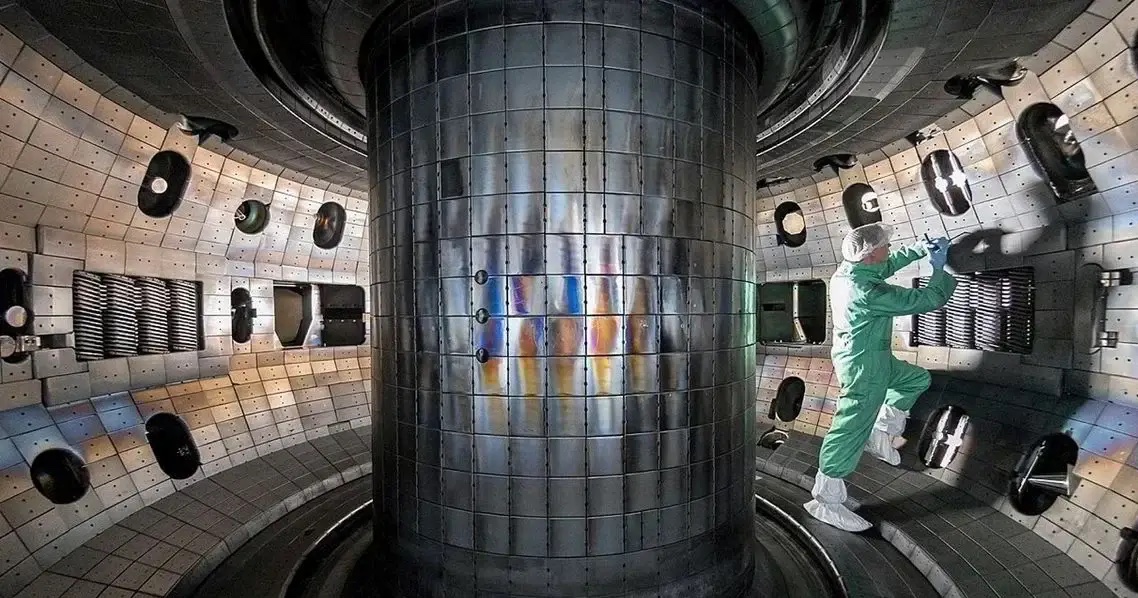
Breakthrough in Fusion Research: Scientists Surpass the Greenwald Limit for Stable, High-Density Plasma

Nuclear fusion—the process that powers stars—is often hailed as the ultimate solution for clean and sustainable energy. However, replicating this phenomenon on Earth comes with significant challenges, particularly when it comes to creating and maintaining the extreme conditions required for fusion reactions. To achieve fusion, scientists must generate and confine plasma, a hot, charged state of matter, at temperatures exceeding hundreds of millions of degrees Celsius. In these extreme conditions, atomic nuclei overcome their natural repulsion and fuse, releasing vast amounts of energy.

One of the biggest obstacles in realizing practical fusion power is maintaining this high-temperature plasma within a reactor without it cooling down or escaping. Tokamak reactors, doughnut-shaped devices that use powerful magnetic fields to confine plasma, have long been the leading technology in nuclear fusion research. However, a persistent challenge with tokamak reactors has been managing the plasma density, which is constrained by a phenomenon known as the Greenwald limit.

Continue reading… “Breakthrough in Fusion Research: Scientists Surpass the Greenwald Limit for Stable, High-Density Plasma”
Bio-Inspired Camera Mimics Insect Eyes for Ultra-Fast, Low-Light Imaging

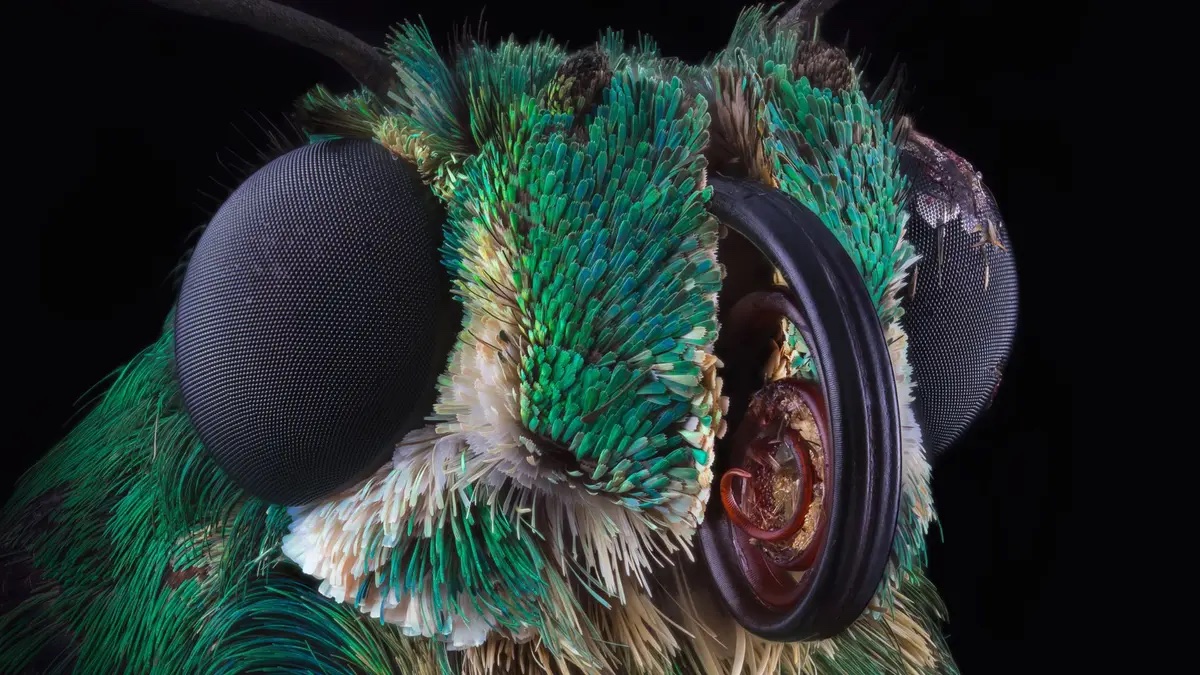
Insects possess an extraordinary ability to detect motion and navigate even in low-light environments, thanks to their highly specialized compound eyes. Now, researchers at the Korea Advanced Institute of Science and Technology (KAIST) have developed a camera that mimics this biological marvel, achieving ultra-high-speed imaging while maintaining exceptional sensitivity in dim lighting.

The new bio-inspired camera offers impressive capabilities that surpass the limitations of traditional high-speed cameras. With a slim profile of less than 1 millimeter thick, it can be easily integrated into various systems and applications. The camera is capable of capturing 9,120 frames per second, providing clear, high-resolution images in low-light conditions—just like the insect eyes that inspired it.

Continue reading… “Bio-Inspired Camera Mimics Insect Eyes for Ultra-Fast, Low-Light Imaging”

Revolutionary Software Tool Offers Unprecedented Views into 3D Heart Development

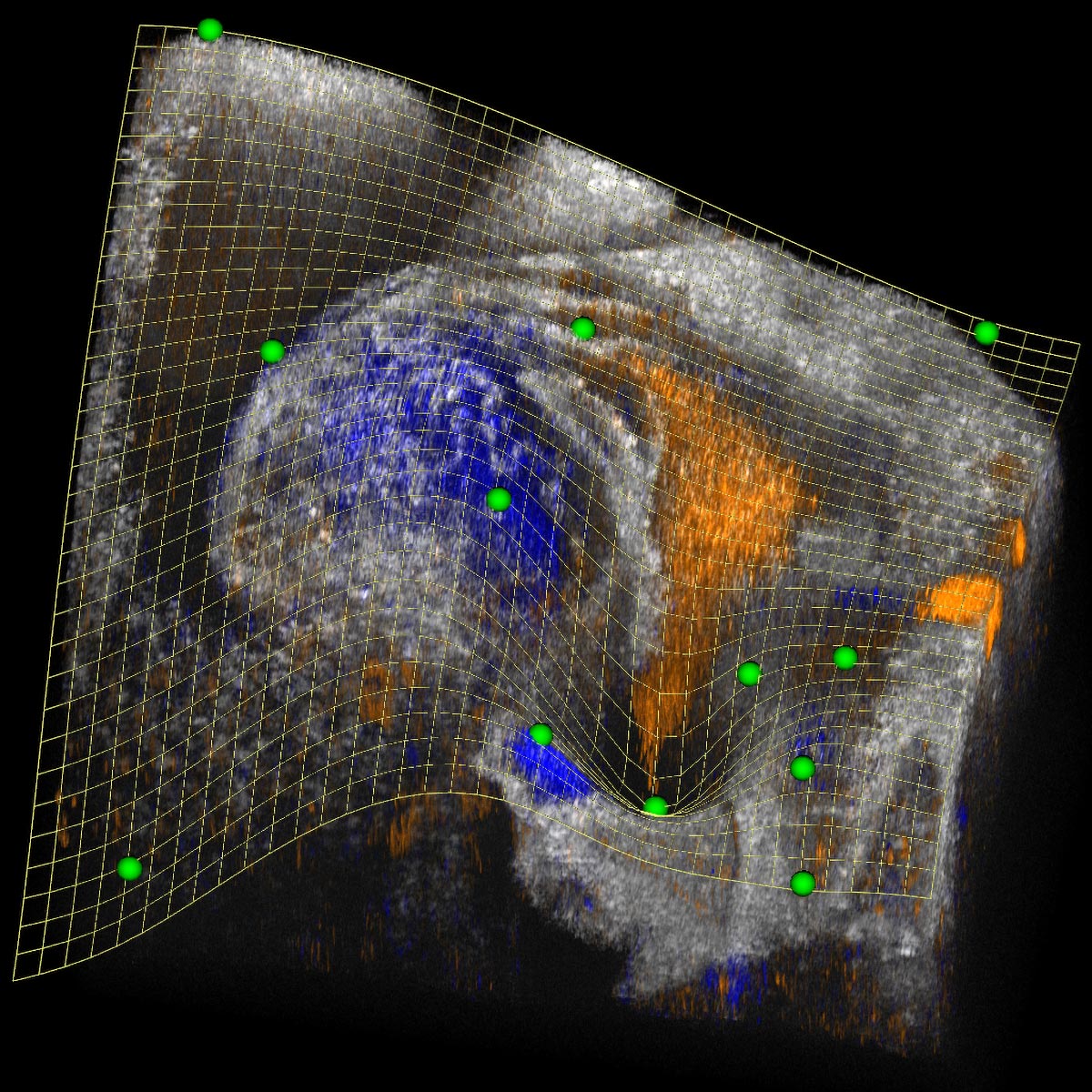
Researchers have unveiled a groundbreaking software tool that allows for unprecedented insight into the 3D dynamics of biological structures. This interactive, dynamic tool provides researchers with advanced cutaway views of 3D images, making it possible to analyze the never-before-seen processes of embryonic heart development using optical coherence tomography (OCT) images.

Led by Shang Wang from Stevens Institute of Technology, the team’s work is set to significantly impact both the study of congenital heart diseases—one of the most common birth defects—and strategies for regenerating heart tissue after a heart attack. Their research, published in Biomedical Optics Express by the Optica Publishing Group, introduces the “clipping spline,” a new open-source software that offers an intuitive way to visualize complex 3D structures.

Continue reading… “Revolutionary Software Tool Offers Unprecedented Views into 3D Heart Development”

Breakthrough in Chemistry: First 2D Mechanically Interlocked Material Created by Northwestern Researchers

A research team at Northwestern University has achieved a groundbreaking milestone in chemistry by creating the world’s first two-dimensional (2D) mechanically interlocked material. This nanoscale innovation, resembling the interlocking links of chainmail, demonstrates exceptional flexibility and strength, offering great potential for applications in lightweight, high-performance body armor and other advanced uses requiring both toughness and flexibility. The findings, published on January 16 in Science, establish key firsts in the field, including the creation of the first-ever 2D mechanically interlocked polymer and the achievement of an unprecedented density of 100 trillion mechanical bonds per square centimeter.

The new material is a result of an innovative, efficient, and scalable polymerization process, opening the door for large-scale production. “We made a completely new polymer structure,” said William Dichtel, the corresponding author of the study and a professor of chemistry at Northwestern University. “It’s similar to chainmail in that it cannot easily rip because each of the mechanical bonds has a bit of freedom to slide around. If you pull it, it can dissipate the applied force in multiple directions.”

Continue reading… “Breakthrough in Chemistry: First 2D Mechanically Interlocked Material Created by Northwestern Researchers”

DNA Origami Breakthrough Enables Precise Delivery of Therapeutic Molecules into Cells

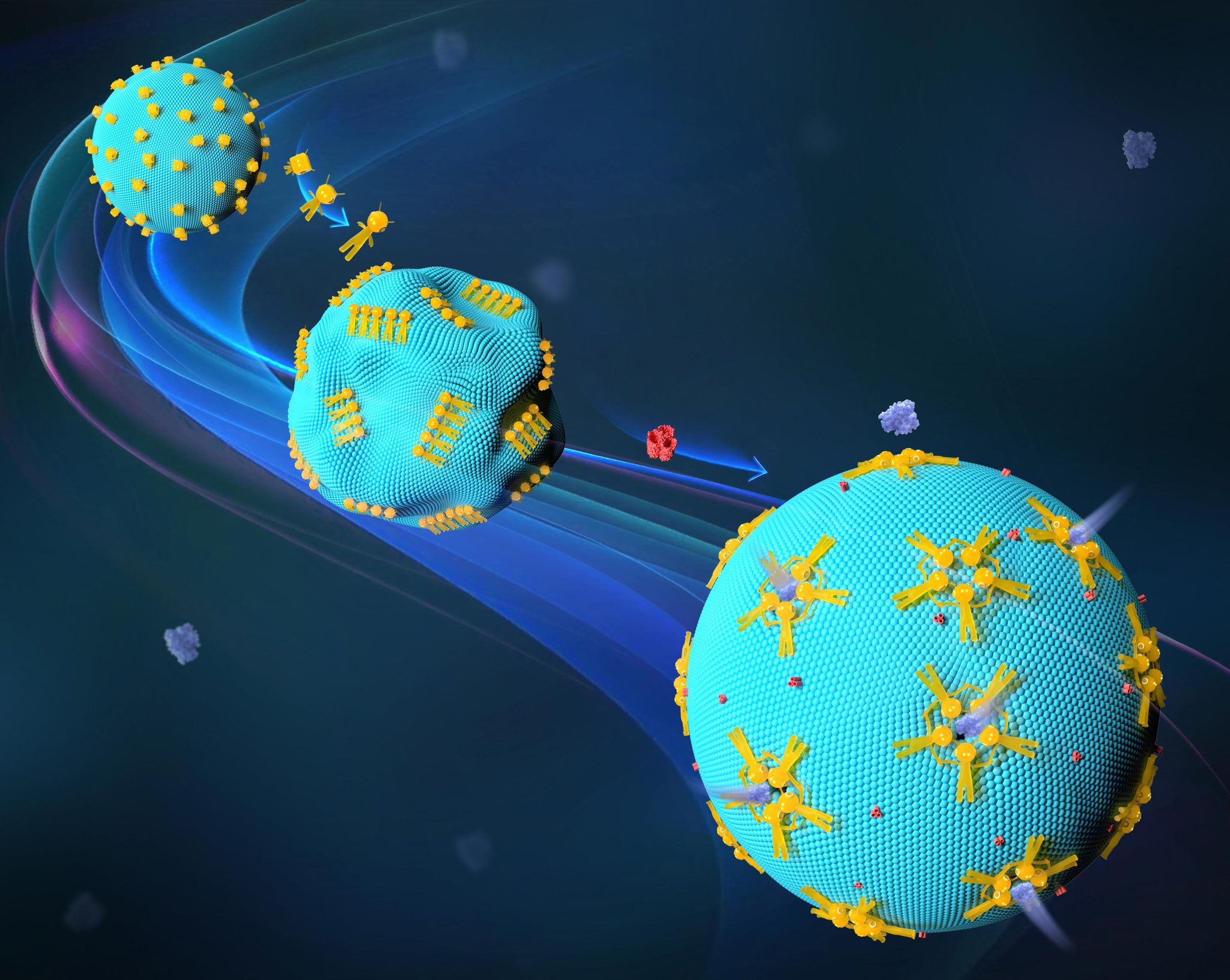
Scientists at the University of Stuttgart have made a groundbreaking advancement in synthetic biology by using DNA origami to control the structure and function of biological membranes. This innovative system has the potential to revolutionize drug delivery, offering a new way to efficiently transport large therapeutic molecules into cells, thereby paving the way for more targeted and precise treatments. The research, led by Professor Laura Na Liu and published in Nature Materials, marks a significant milestone in the application of DNA nanotechnology for medical and biological applications.

A cell’s shape and structure are integral to its biological function, embodying the principle of “form follows function.” This idea is not only prevalent in modern architecture but also fundamental in understanding cellular mechanics. In synthetic biology, mimicking this principle in artificial cells has proven to be a considerable challenge. However, the recent progress in DNA nanotechnology has provided a solution, enabling scientists to design transport channels that are large enough to carry therapeutic proteins across cell membranes.

Continue reading… “DNA Origami Breakthrough Enables Precise Delivery of Therapeutic Molecules into Cells”

FireDome’s Innovative AI-Powered Wildfire Defense System Promises Faster, Eco-Friendly Firefighting Solutions

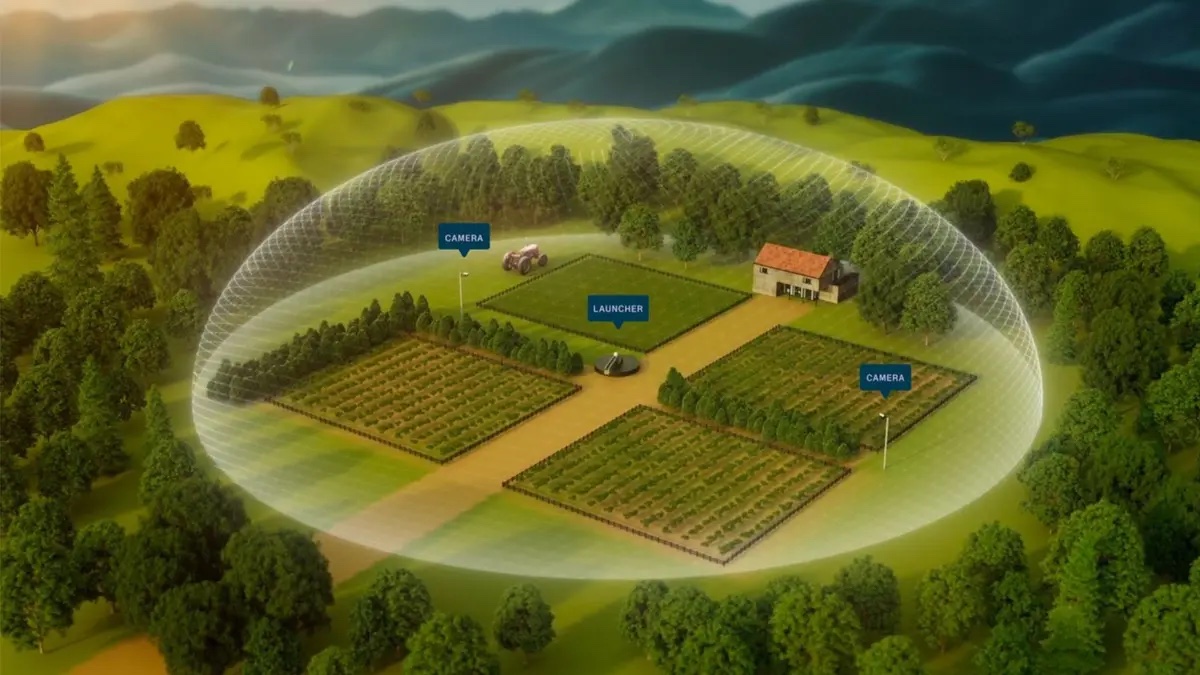
As wildfires continue to devastate regions like Los Angeles, a cutting-edge solution developed by an Israel-based firm offers hope for controlling blazes with speed and efficiency. FireDome, a company specializing in wildfire defense technology, has unveiled a revolutionary system designed to combat wildfires quickly, safely, and with minimal environmental impact.

This innovative, patent-pending wildfire defense system integrates advanced artificial intelligence (AI) with proven defense strategies. According to FireDome, the system can autonomously detect, protect, and suppress wildfires, operating off-the-grid for continuous monitoring and rapid response. It only activates when a threat is detected, ensuring a fast and efficient response without human intervention.

Continue reading… “FireDome’s Innovative AI-Powered Wildfire Defense System Promises Faster, Eco-Friendly Firefighting Solutions”

Breakthrough Transparent Device Harnesses Both Radio Waves and Sunlight for Energy Harvesting

In a groundbreaking advancement, researchers have developed a transparent energy-harvesting device capable of capturing energy from both radio frequency (RF) waves and sunlight to power a wide array of wireless devices. This dual-source approach offers a more reliable and sustainable solution for energy harvesting, addressing the limitations of traditional systems that typically focus on just one energy source.

The new study, published recently, introduces an optically transparent rectifying metasurface system (RMS) that efficiently harvests RF energy while allowing the uninterrupted transmission of visible light. As the researchers explained, “In this paper, an optically transparent rectifying metasurface system is designed and validated for simultaneously harvesting RF energy while enabling the efficient transmission of visible light.”

Continue reading… “Breakthrough Transparent Device Harnesses Both Radio Waves and Sunlight for Energy Harvesting”

AI-Enhanced Sleep Study Algorithm Improves Diagnosis of REM Sleep Behavior Disorder

A team of researchers led by Mount Sinai has significantly advanced an artificial intelligence (AI)-powered algorithmdesigned to analyze video recordings from clinical sleep tests, enhancing the accuracy of diagnosing REM Sleep Behavior Disorder (RBD)—a common sleep disorder affecting over 80 million people worldwide. This breakthrough, published in the journal Annals of Neurology on January 9, promises to improve diagnostic precision and aid early detection of Parkinson’s disease and dementia, conditions often heralded by RBD.

RBD is characterized by abnormal movements or the acting out of dreams during the REM phase of sleep. When it occurs in otherwise healthy individuals, it is referred to as “isolated RBD,” which affects more than one million people in the United States alone. Nearly all cases of isolated RBD are early indicators of neurodegenerative conditions such as Parkinson’s disease or dementia.

Continue reading… “AI-Enhanced Sleep Study Algorithm Improves Diagnosis of REM Sleep Behavior Disorder”

Breakthrough Mix-Charged Nanofiltration Membrane Offers Advanced Solution for High-Salinity Wastewater Treatment

A research team led by Prof. Wan Yinhua at the Institute of Process Engineering (IPE), Chinese Academy of Sciences, has developed a groundbreaking mix-charged nanofiltration (NF) membrane that promises to revolutionize wastewater treatment, especially for high-salinity organic waste. This novel membrane, featuring a horizontal charge distribution, exhibits exceptional performance in salt permeation, organic matter retention, and antifouling properties, making it an ideal solution for treating complex, high-salinity wastewater.

The findings were published in Environmental Science & Technology on January 7, shedding light on a new approach to overcoming the limitations of traditional NF membranes in wastewater treatment.

Continue reading… “Breakthrough Mix-Charged Nanofiltration Membrane Offers Advanced Solution for High-Salinity Wastewater Treatment”

The Ant-Nose: A Revolutionary Device That Could Transform How We Detect and Monitor Health, Food, and Safety

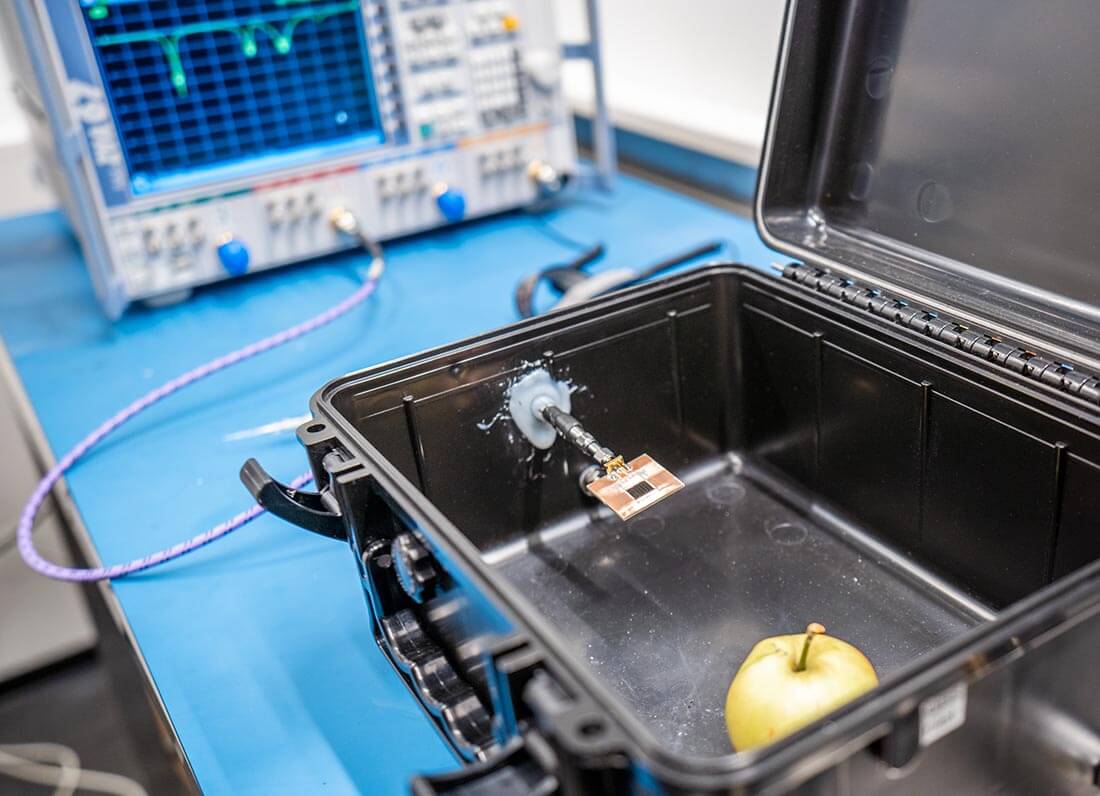
Imagine a device that could identify mechanical damage in apples before bruising appears, detect diseases through a patient’s breath, monitor food freshness in real time across entire supply chains, and even sniff out hazardous gases in industrial settings—all using technology already found in your smartphone. Researchers at the Norwegian University of Science and Technology (NTNU) have developed such a device: a groundbreaking electronic nose that uses a single sensor to perform tasks that typically require hundreds of sensors. This innovative technology, known as the “Ant-nose,” could revolutionize industries ranging from food safety to environmental monitoring, offering a simpler and more affordable alternative to existing systems.

The Ant-nose uses a familiar principle—antenna technology, the same technology that powers wireless communication in devices like smartphones and computers—to create an artificial sense of smell. Unlike traditional electronic noses, which often require large arrays of specialized sensors, the Ant-nose achieves its remarkable sensitivity with a single antenna and a single type of coating. This simplicity dramatically reduces both cost and power consumption while maintaining high performance.

Continue reading… “The Ant-Nose: A Revolutionary Device That Could Transform How We Detect and Monitor Health, Food, and Safety”

NASA’s LEXI X-ray Imager to Capture First Global Images of Earth’s Magnetic Field from the Moon

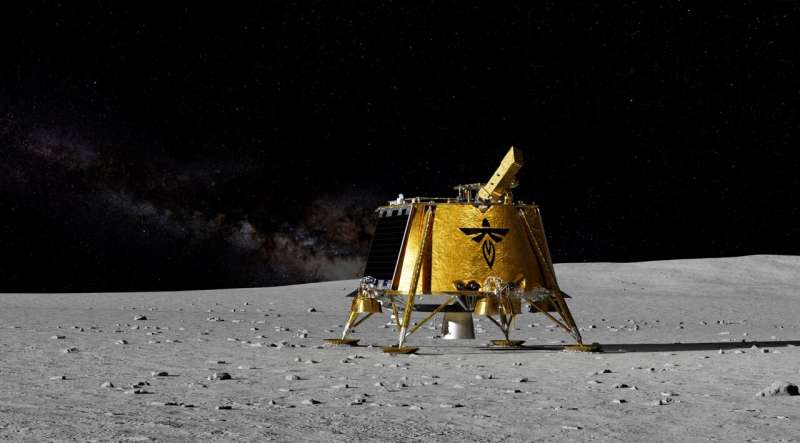
As part of NASA’s Artemis campaign, a cutting-edge X-ray imager, the Lunar Environment Heliospheric X-ray Imager (LEXI), is heading to the Moon to capture the first global images of Earth’s magnetic field, which protects our planet from harmful solar radiation. LEXI is one of 10 scientific payloads onboard the upcoming lunar mission, set to launch from Kennedy Space Center in Florida no earlier than mid-January. The payload will ride aboard Firefly Aerospace’s Blue Ghost Lander under NASA’s Commercial Lunar Payload Services (CLPS) initiative.

LEXI’s primary mission is to support NASA’s understanding of how Earth’s magnetosphere—its magnetic shield—responds to space weather, which is driven by solar activity. By taking detailed X-ray images of this protective barrier, the instrument will provide insights into the dynamic processes that shape our planet’s interaction with the solar wind and other cosmic forces.

Continue reading… “NASA’s LEXI X-ray Imager to Capture First Global Images of Earth’s Magnetic Field from the Moon”

Exploring the Nanoscale: A Groundbreaking Discovery in Magnetism

Imagine a world so minuscule it challenges the limits of human perception — the nanoscale. To visualize this, consider shrinking a single strand of human hair a million times over. In this incredibly tiny realm, atoms and molecules govern a universe of properties and behaviors that are largely uncharted — until now.

Researchers Deepak Singh and Carsten Ullrich, along with their teams of students and postdoctoral fellows at the University of Missouri’s College of Arts and Science, have made a groundbreaking discovery: the identification of a new type of quasiparticle present in all magnetic materials, regardless of their strength or temperature. This discovery opens up a new frontier in our understanding of magnetism and could revolutionize multiple fields of technology.

Continue reading… “Exploring the Nanoscale: A Groundbreaking Discovery in Magnetism”