CATL Unveils Revolutionary Bedrock Chassis with Industry-Leading Safety Features

CATL, a Chinese leader in the battery and electric vehicle (EV) technology sector, has introduced its groundbreaking Bedrock Chassis, an ultra-safe EV platform that has passed rigorous safety tests, setting new benchmarks for automotive safety. This innovative chassis is capable of withstanding high-speed impacts and extreme crash conditions without compromising on safety, performance, or reliability.

The Bedrock Chassis has proven its resilience by successfully passing the world’s most challenging safety test: a frontal impact test at speeds of up to 120 km/h (75 mph), without the risk of fire, explosion, or thermal runaway. CATL claims this achievement redefines the safety standards for the industry, with the Bedrock Chassis offering unparalleled protection in all scenarios and across a wide range of speeds.

Continue reading… “CATL Unveils Revolutionary Bedrock Chassis with Industry-Leading Safety Features”
Breakthrough in Magnetic Materials: In-Plane Magnetic Fields Induce Anomalous Hall Effect in EuCd₂Sb₂ Films

Researchers from the Institute of Science Tokyo have made a groundbreaking discovery: in-plane magnetic fields induce an anomalous Hall effect in EuCd₂Sb₂ films. By studying how these fields alter the material’s electronic structure, the team uncovered a significant in-plane anomalous Hall effect. This finding opens new avenues for controlling electronic transport in magnetic fields, with exciting potential applications in magnetic sensors.

The Hall effect, a well-known phenomenon in materials science, occurs when an electric current in a material is subjected to a magnetic field, creating a voltage that is perpendicular to both the current and the field. While much research has been conducted on the Hall effect under out-of-plane magnetic fields, the effects of in-plane magnetic fields have been less explored. Recently, however, in-plane magnetic fields have garnered increasing attention due to their potential to unlock new material behaviors, particularly in materials with unique electronic band structures, like EuCd₂Sb₂.

Continue reading… “Breakthrough in Magnetic Materials: In-Plane Magnetic Fields Induce Anomalous Hall Effect in EuCd₂Sb₂ Films”

The Design of ZMQ-1

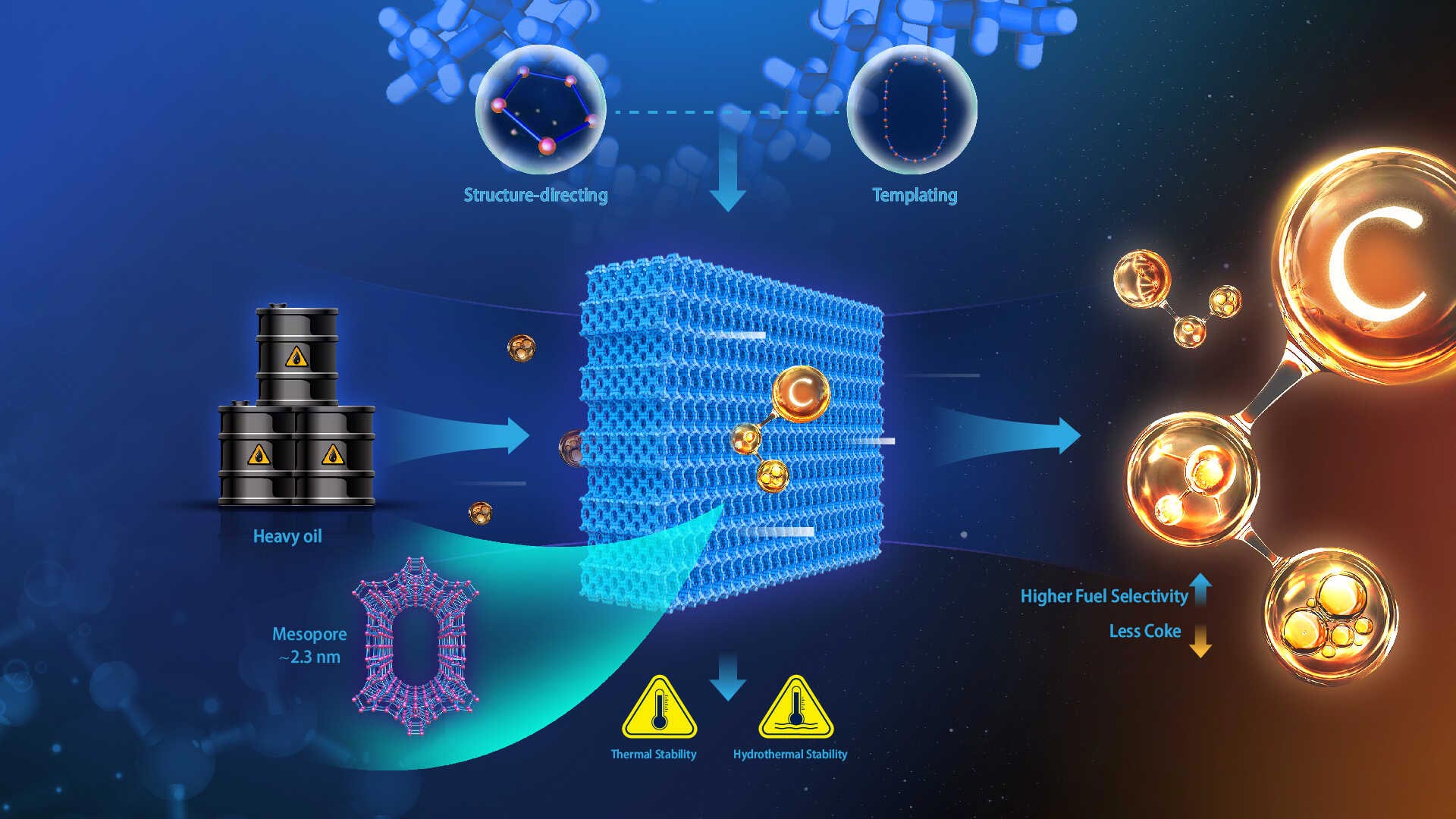
Zeolites are crystalline materials widely used in applications like ion exchange, adsorption, and catalysis. However, their microporous structure restricts their ability to process larger molecules. To overcome this challenge, researchers have developed ZMQ-1, a zeolite that incorporates intrinsic mesopores—pores larger than 20 Å—while preserving both stability and acidity.

Previous attempts to create mesoporous zeolites struggled with issues like structural instability and reduced acidity, rendering them unsuitable for industrial use. ZMQ-1, however, presents a solution to these problems. The researchers utilized a phosphonium-based organic structure-directing agent (OSDA) to form the mesoporous framework. Unlike traditional ammonium-based OSDAs, phosphonium-based OSDAs offer a stronger positive charge and greater stability, which allows for the synthesis of more robust mesoporous structures. The crystallization of ZMQ-1 was accomplished through hydrothermal synthesis with tunable silicon-to-aluminum (Si/Al) ratios, enabling the zeolite to be customized for specific applications.

Continue reading… “The Design of ZMQ-1”

Breakthrough in Quantum Sensing: Nanodiamonds with Exceptional Spin Properties Show Promise for Bioimaging and Biosensing

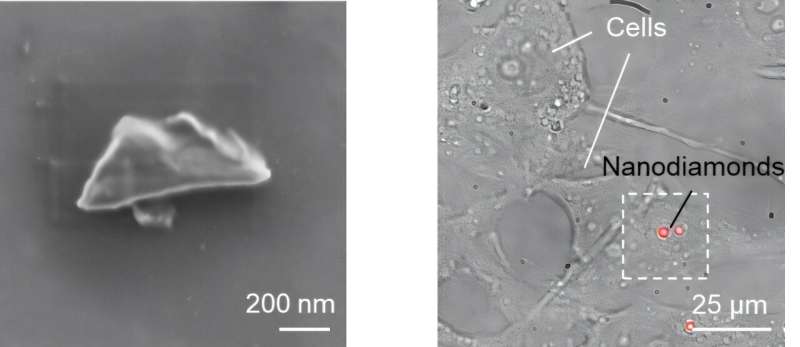
Quantum sensing is an emerging field that leverages the unique quantum properties of particles, such as superposition, entanglement, and spin, to detect subtle changes in physical, chemical, or biological systems. A particularly promising class of quantum sensors is nanodiamonds (NDs) equipped with nitrogen-vacancy (NV) centers, which offer high sensitivity to various environmental factors, including magnetic fields, electric fields, and temperature. These NV centers, created by replacing a carbon atom with nitrogen near a lattice vacancy in a diamond structure, emit photons that preserve stable spin information. By using optically detected magnetic resonance (ODMR), researchers can detect changes in these spin states, making NDs ideal for applications in quantum biosensing.

In a groundbreaking study published on December 16, 2024, in ACS Nano, scientists from Okayama University in Japan have developed a new class of nanodiamond sensors that are not only bright enough for bioimaging but also exhibit spin properties comparable to bulk diamonds. The study, led by Research Professor Masazumi Fujiwara from Okayama University, in collaboration with Sumitomo Electric Company and the National Institutes for Quantum Science and Technology, marks a significant advancement in the field of quantum sensing. “This is the first demonstration of quantum-grade NDs with exceptionally high-quality spins, a long-awaited breakthrough in the field,” says Prof. Fujiwara. “These NDs possess properties that have been highly sought after for quantum biosensing and other advanced applications.”

Continue reading… “Breakthrough in Quantum Sensing: Nanodiamonds with Exceptional Spin Properties Show Promise for Bioimaging and Biosensing”

Cyanobacteria Pave the Way for Sustainable Plastics Production Using CO2

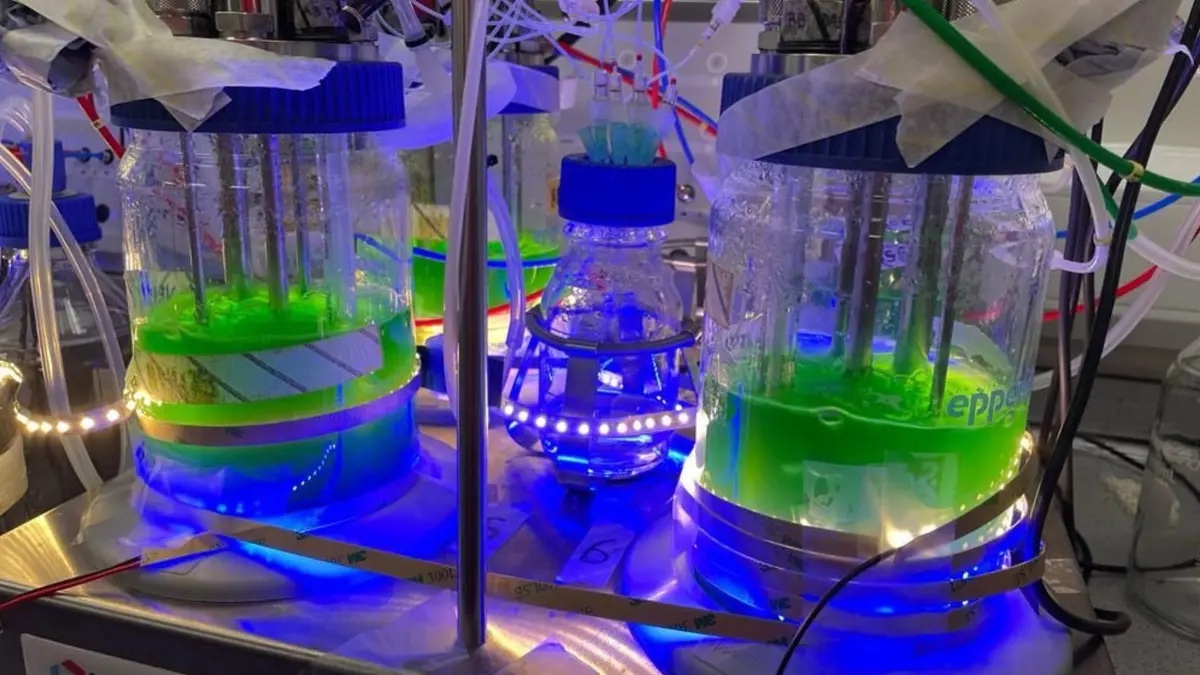
Cyanobacteria, also known as blue-green algae, have emerged as a promising tool in the development of sustainable plastics, such as Perspex, by producing citramalate—a key component in plastic production. Researchers from the University of Manchester have demonstrated that these photosynthetic microorganisms can convert CO2, a major greenhouse gas, into valuable materials. This breakthrough could accelerate the creation of eco-friendly plastic alternatives traditionally made from fossil fuel-derived chemicals, supporting the transition to a circular bioeconomy that reduces waste and carbon emissions.

Cyanobacteria are tiny organisms that harness sunlight to convert CO2 into organic matter, offering a sustainable method to produce valuable products without relying on agricultural resources like sugar or corn. Despite their potential, the slow growth and limited efficiency of cyanobacteria have hindered their large-scale industrial use.

Continue reading… “Cyanobacteria Pave the Way for Sustainable Plastics Production Using CO2”

Groundbreaking Quantum Communication Discovery Could Revolutionize Network Infrastructure

Imagine trying to float a soap bubble through a sandstorm without it popping. This is a rough analogy for the extraordinary achievement of Northwestern University researchers in the field of quantum communications. Instead of a delicate soap bubble, these scientists have successfully protected individual particles of light—carrying quantum information—from being overwhelmed by conventional internet traffic.

For years, experts believed that quantum communications would require a completely separate infrastructure, isolated from the busy highways of traditional internet traffic. However, these researchers have proven otherwise, demonstrating that quantum and classical signals can coexist on the same fiber optic cables without disrupting each other. This breakthrough is poised to accelerate the development of quantum networks, offering a more practical and cost-effective route for the future of communication.

Continue reading… “Groundbreaking Quantum Communication Discovery Could Revolutionize Network Infrastructure”

Innovative Drug Delivery System Uses Metal-Biomolecule Networks for Safer, More Effective Therapies

A team of researchers from the University of Melbourne’s Caruso Nanoengineering Group has developed an innovative drug delivery system with significant potential to revolutionize drug development. The new system, known as a metal–biomolecule network (MBN), consists of a coordination network made up entirely of metal ions and biomolecules, eliminating the need for complex drug “carriers.” This breakthrough could offer a simpler, more efficient, and safer alternative for a wide range of biomedical applications.

Published in Science Advances, the research was led by Melbourne Laureate Professor and NHMRC Leadership Fellow Frank Caruso, from the Department of Chemical Engineering, along with Research Fellows Dr. Wanjun Xu and Dr. Zhixing Lin, who share first authorship. The MBN nanoparticles are created by combining non-toxic metal ions (such as calcium and iron, which are naturally absorbed through the diet) with phosphonate biomolecules like DNA. These nanoparticles are chemically and metabolically stable, and have demonstrated antiviral, antibacterial, antifungal, anti-inflammatory, and anti-cancer properties.

Continue reading… “Innovative Drug Delivery System Uses Metal-Biomolecule Networks for Safer, More Effective Therapies”

Advances in Mitochondrial-Based Cancer Therapy: The Promise of mLumiOpto Technology

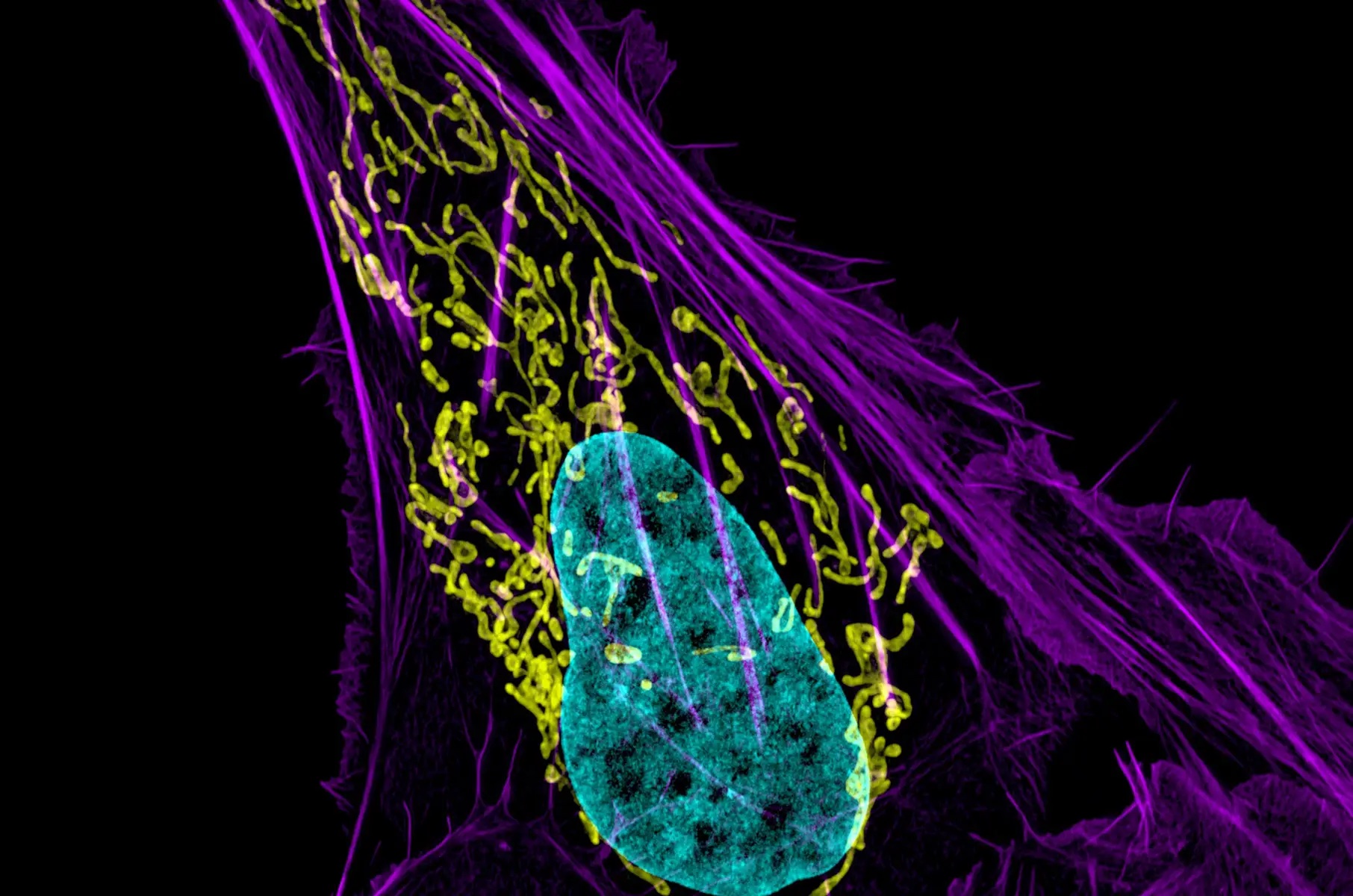
Mitochondria, the powerhouse of the cell, are critical in regulating cellular functions such as growth, survival, and energy production. Due to their central role in cancer cell metabolism, these organelles have become key targets for innovative cancer therapies. Mitochondrial genetics and metabolism contribute significantly to cancer progression, influencing processes like cell motility, invasion, and the tumor microenvironment. Despite these promising insights, the development of therapies targeting mitochondria has faced significant hurdles.

Current mitochondrial-targeted treatments, such as mitocans and mitochondriotoxics, focus on disrupting key signaling pathways and proteins involved in cellular energy processes, including hexokinase and Bcl2 family proteins. However, the presence of mutations in cancer cells limits the long-term effectiveness of these therapies, making it difficult to achieve sustained clinical success. A promising advancement in the field is mitochondrial optogenetics (mOpto), a technique that introduces light-gated channelrhodopsins into mitochondria, enabling controlled depolarization of the mitochondrial membrane potential (∆Ψm) and subsequent cell death. While this technology showed promise, its reliance on external light sources restricts its application to surface-level tumors.

Continue reading… “Advances in Mitochondrial-Based Cancer Therapy: The Promise of mLumiOpto Technology”

SPEE3D Demonstrates Successful Metal 3D Printing in Extreme Cold Environments

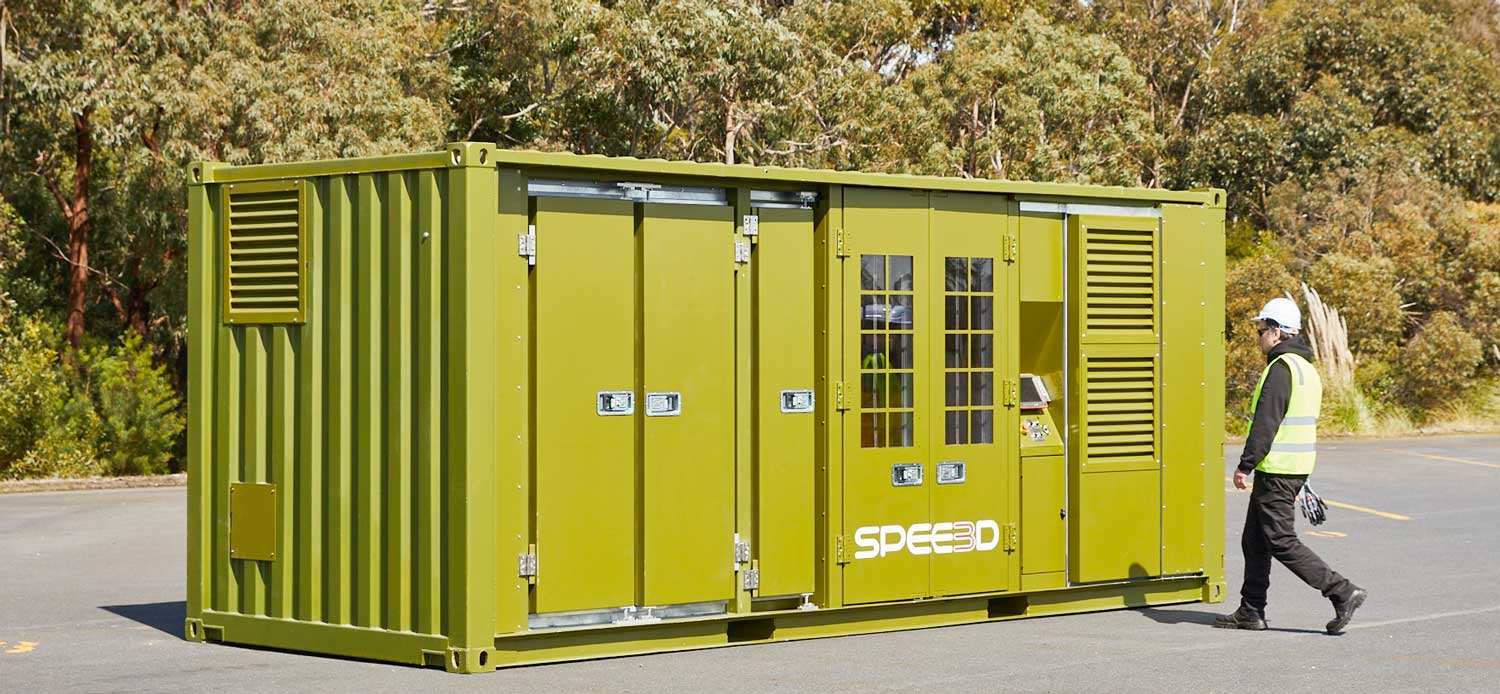
Australian company SPEE3D has successfully proven that its XSPEE3D technology for additive manufacturing of metal parts operates efficiently in extremely cold environments. As part of the U.S. Department of Defense’s “Point of Need Challenge” project, the company demonstrated that metal components produced in sub-arctic temperatures exhibit material properties comparable to those created under standard laboratory conditions.

The project aimed to assess manufacturing technologies capable of producing and repairing large metal parts in extreme climates. SPEE3D’s successful demonstration took place at the U.S. Army’s Cold Regions Research and Engineering Laboratory (CRREL) in Hanover, New Hampshire, at the end of 2023. The initiative was carried out in collaboration with the New Jersey Institute of Technology’s (NJIT) COMET project, Philips Federal, and the LIFT innovation platform in Detroit.

Continue reading… “SPEE3D Demonstrates Successful Metal 3D Printing in Extreme Cold Environments”

Gameto Announces First Live Human Birth Using Revolutionary Fertilo Technology

Gameto has achieved a historic milestone in reproductive health with the world’s first live human birth using Fertilo, a cutting-edge ovarian support cell (OSC) technology. The groundbreaking birth took place at Santa Isabel Clinic in Lima, Peru, and could represent a significant leap forward in fertility management.

Traditional in vitro fertilization (IVF) methods require women to undergo 10–14 days of high-dose hormonal injections to mature eggs. In contrast, Fertilo uses engineered, young ovarian support cells to replicate the natural egg maturation process outside the body. This innovative technology reduces the need for up to 80% fewer hormone injections compared to traditional IVF and shortens treatment cycles to just three days.

Continue reading… “Gameto Announces First Live Human Birth Using Revolutionary Fertilo Technology”

Space-Based Sperm Banks: Pioneering Mammalian Reproduction Beyond Earth

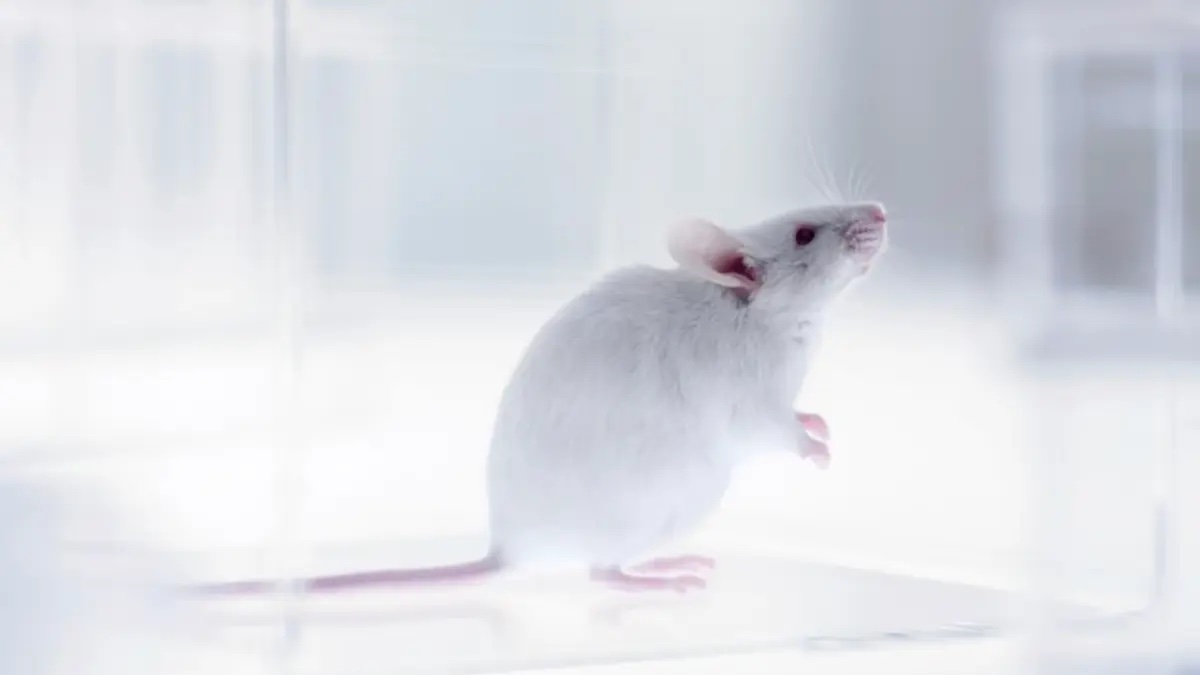
Japanese researchers have demonstrated that freeze-dried mouse sperm can remain viable on the International Space Station (ISS) for extended periods, producing healthy offspring despite exposure to space radiation levels 100 times higher than Earth’s.

Led by Professor Teruhiko Wakayama at the University of Yamanashi, the research shows promise for preserving genetic materials in space long-term. The team’s freeze-dried sperm, stored on the ISS for nearly six years, successfully produced healthy “space pups” with no genetic abnormalities.

Continue reading… “Space-Based Sperm Banks: Pioneering Mammalian Reproduction Beyond Earth”

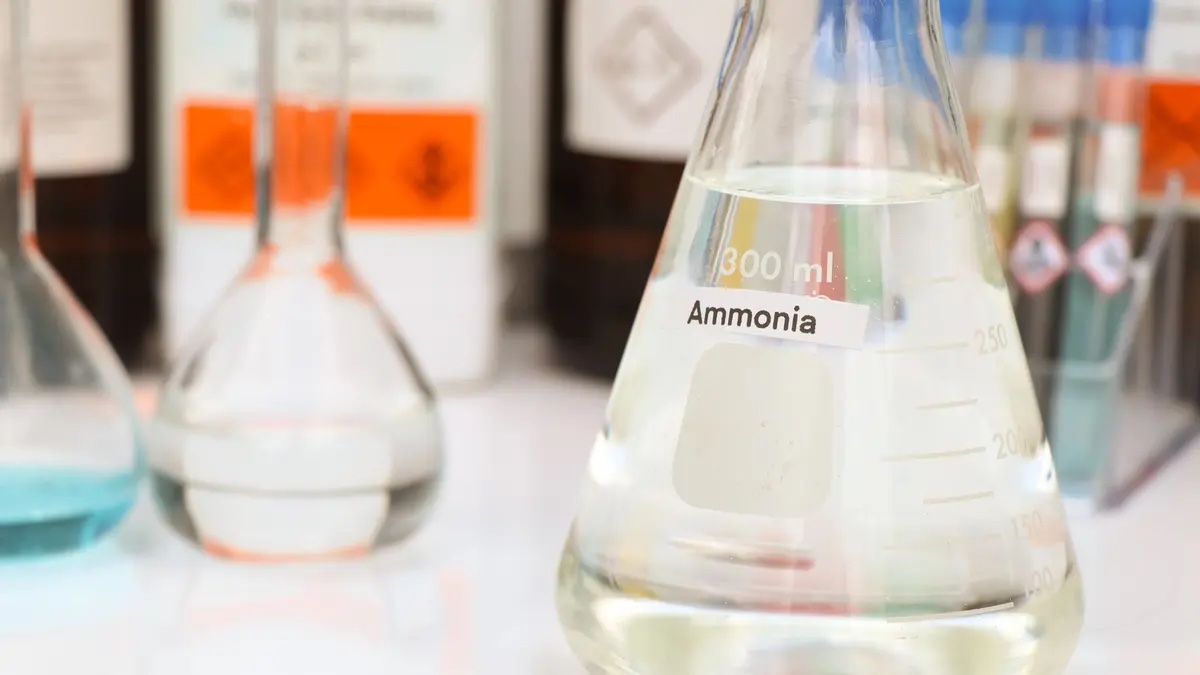
Biomethane: A Path to Carbon-Negative Ammonia Production

Research reveals biomethane as a promising alternative to natural gas in ammonia production, offering potential carbon negativity while maintaining compatibility with existing infrastructure.

Environmental engineer Aurelian Istrate’s research demonstrates that biomethane, derived from food waste and agricultural residues, can replace natural gas in ammonia synthesis. Unlike natural gas, biomethane’s carbon emissions are offset by recent atmospheric CO2 capture during biomass growth.

Continue reading… “Biomethane: A Path to Carbon-Negative Ammonia Production”